












Final negotiations in Geneva for a UN plastics treaty
Negotiations by the Intergovernmental Negotiating Committee (INC 5.2) for a global, legally binding treaty to tackle plastic pollution will take place in Geneva from 5 to 14 August 2025. Each year, millions of tonnes of plastic end up in rivers, oceans and ecosystems. This session in Geneva is intended to be the final round of negotiations, with the aim of reaching an agreement that addresses the entire life cycle of plastics, from production through to waste management.
Since 2022, UN member states have been negotiating a global, legally binding treaty to tackle plastic pollution. At the previous session in Busan, South Korea (INC 5.1), a coalition of around 100 countries was formed. This group recognises the need to balance ambitious measures with adequate funding.
Leading the way
The Belgian delegation, which includes experts from the Federal Public Service for Health, the Federal Public Service for Foreign Affairs, the Department of Environment and the OVAM, is playing a leading role in the negotiations. This is partly because our country has a strong recycling tradition while also focusing on prevention measures.
Belgium is calling, among other things, for:
- reduced primary production;
- improved product design;
- promoting plastics recycling
- global measures covering the entire life cycle of plastics.
In 2020, Flanders took the initiative with a five-year policy plan on plastics, which explicitly included international action. In this way, Flanders aims to play its part, including internationally.
“Flanders is a leader in recycling, including plastics. Tackling plastic pollution and phasing out virgin plastic production are challenges we must address together on a global scale. I hope this treaty will also boost recycling and tackle pollution worldwide,” says Flemish Minister for the Environment Jo Brouns.
Zero-waste picnic
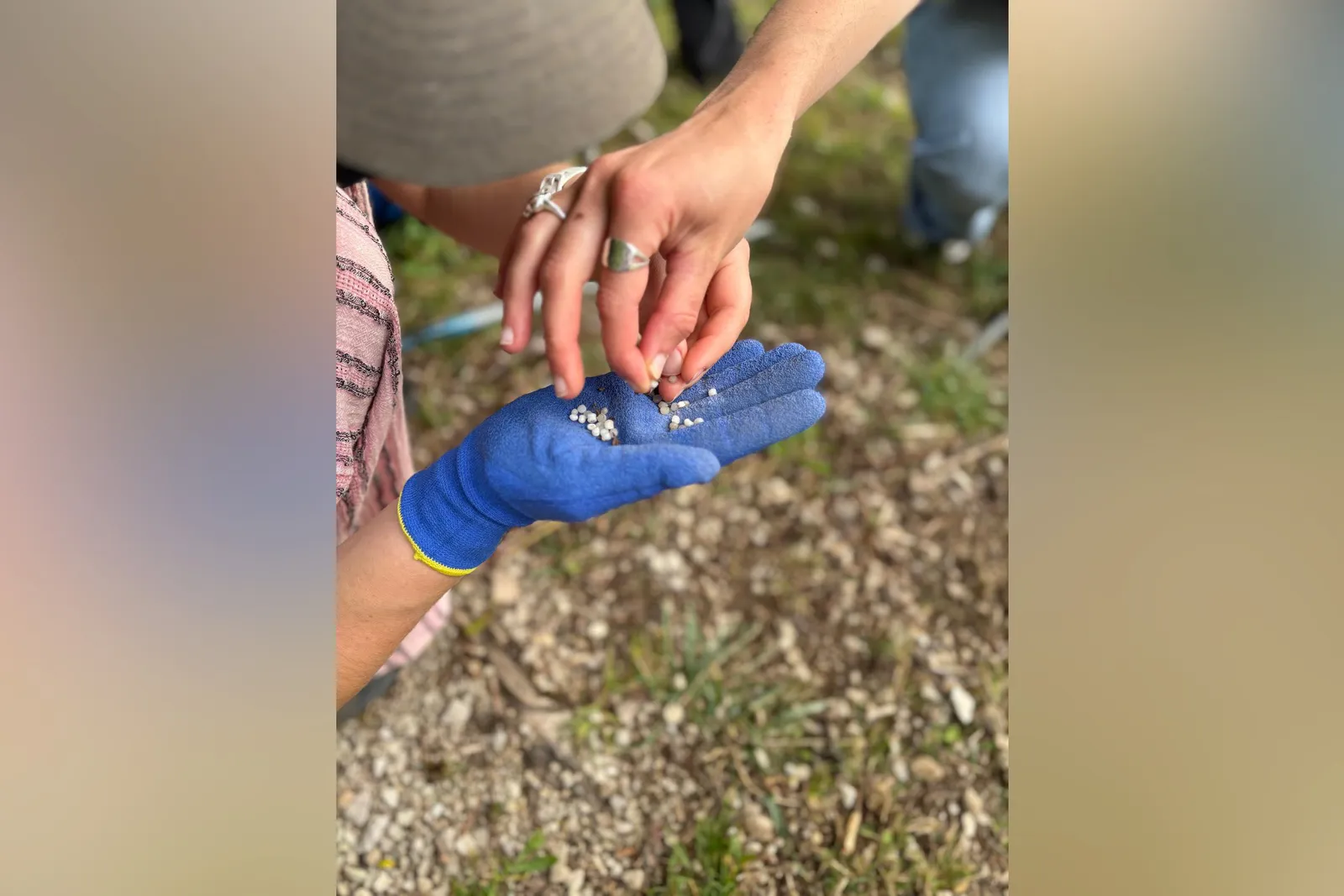
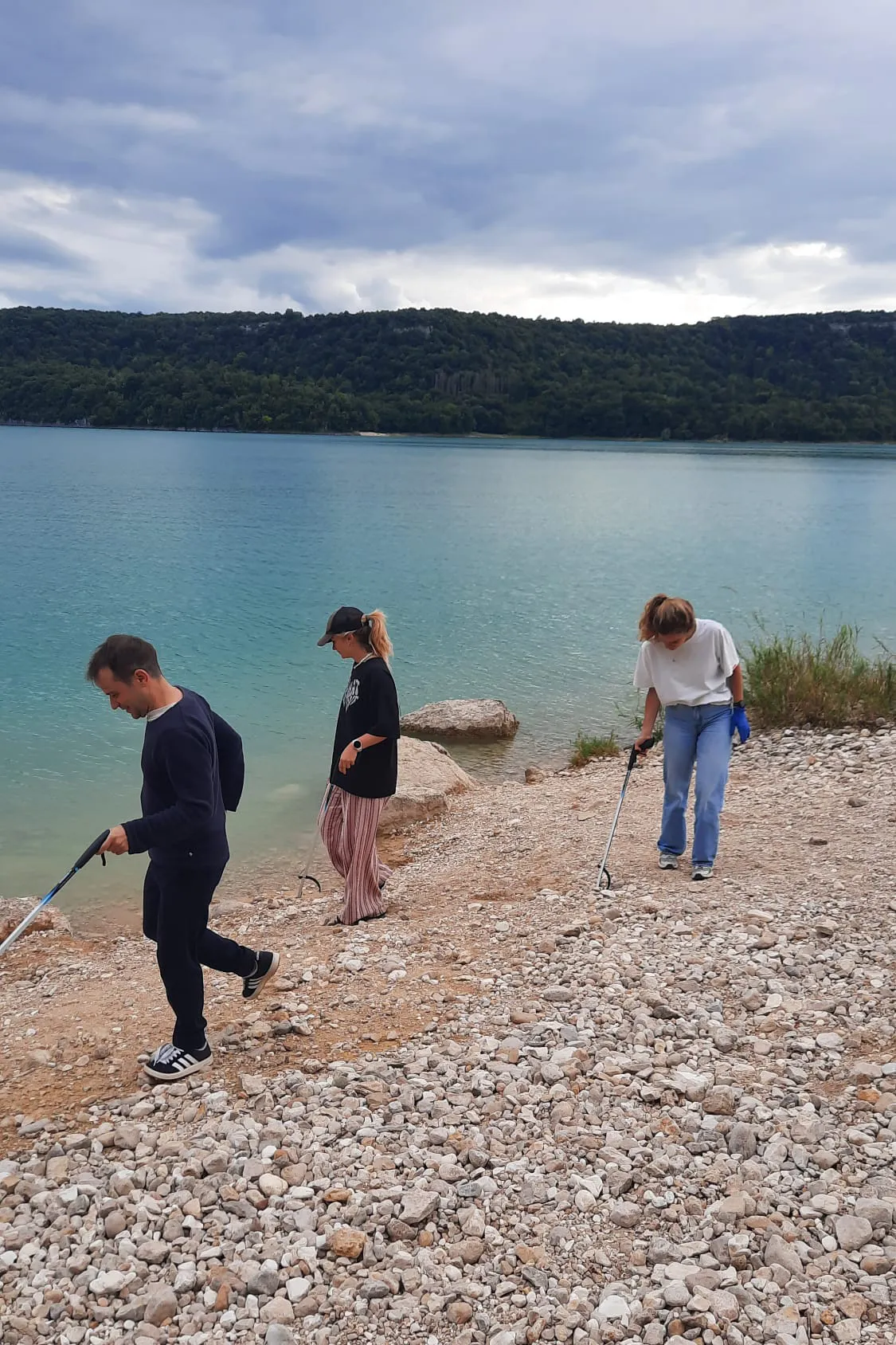
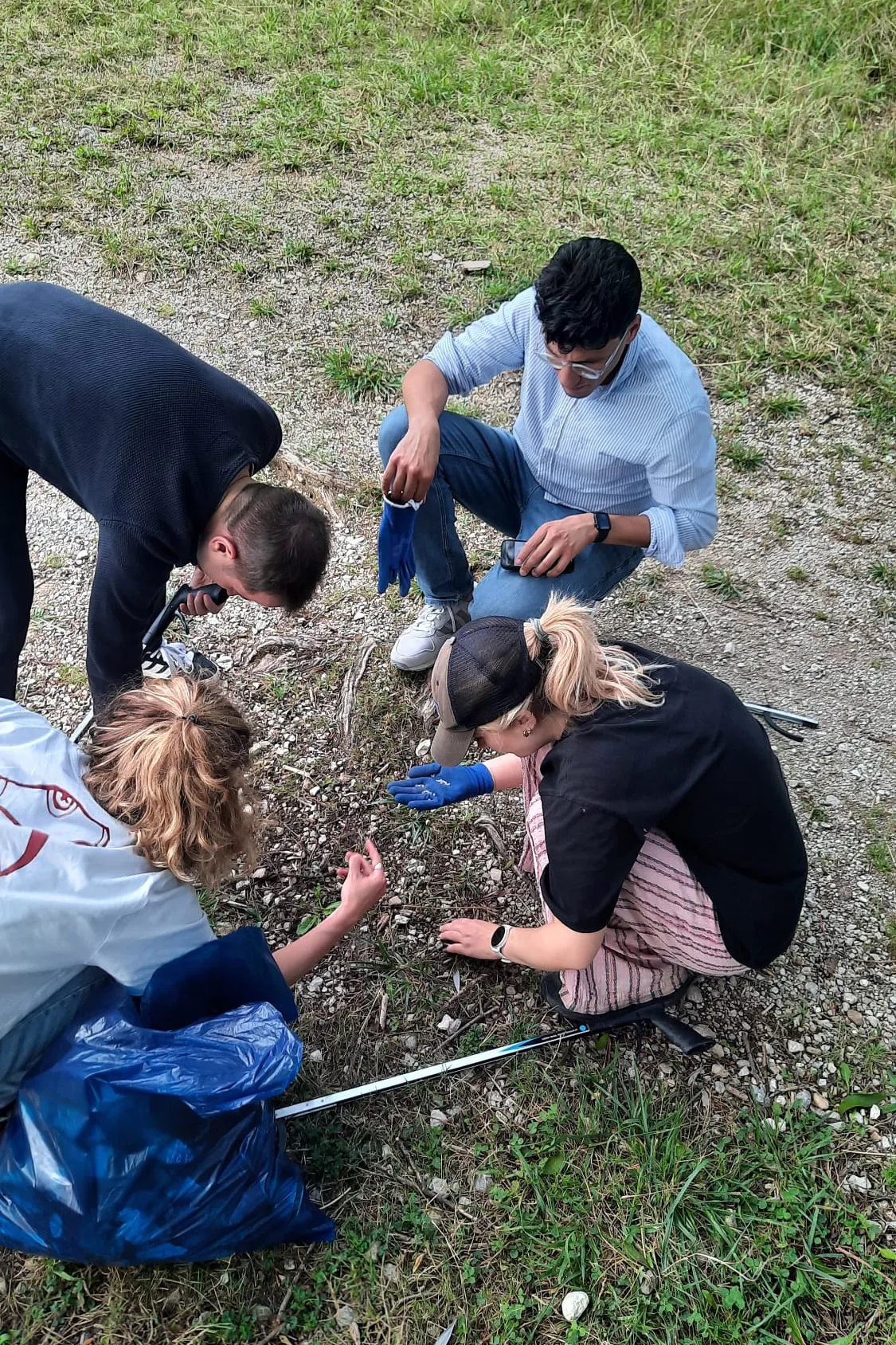
The negotiations in Geneva are taking place against a backdrop of geopolitical tension. Nevertheless, Belgium remains committed to consensus and cooperation, with a dedicated team. The delegation also wants to put this into practice: it travelled to Geneva together in a minibus and organised a zero-waste picnic and a clean-up at Lac de Vouglans in France along the way. At a spot that appeared clean, the Belgian team collected a full bag of mostly plastic waste in just one hour. The most commonly found item was cigarette butts. Also concerning was the number of microplastics (plastic nurdles) found in a single square metre. These sometimes invisible particles pose a growing risk to both the environment and human health.
Through these efforts, Belgium hopes to contribute to a historic agreement that tackles plastic pollution at its source.
Een zakelijke vraag aan OVAM? Get in touch
Companies in this story

Keep following this
Get an email when a new story is published. No account needed.
- ThemeMaking plastics and packaging circular
- SubjectNews
- CompanyOVAM







