












Fast fashion undermines textile recovery: what can Belgium do?
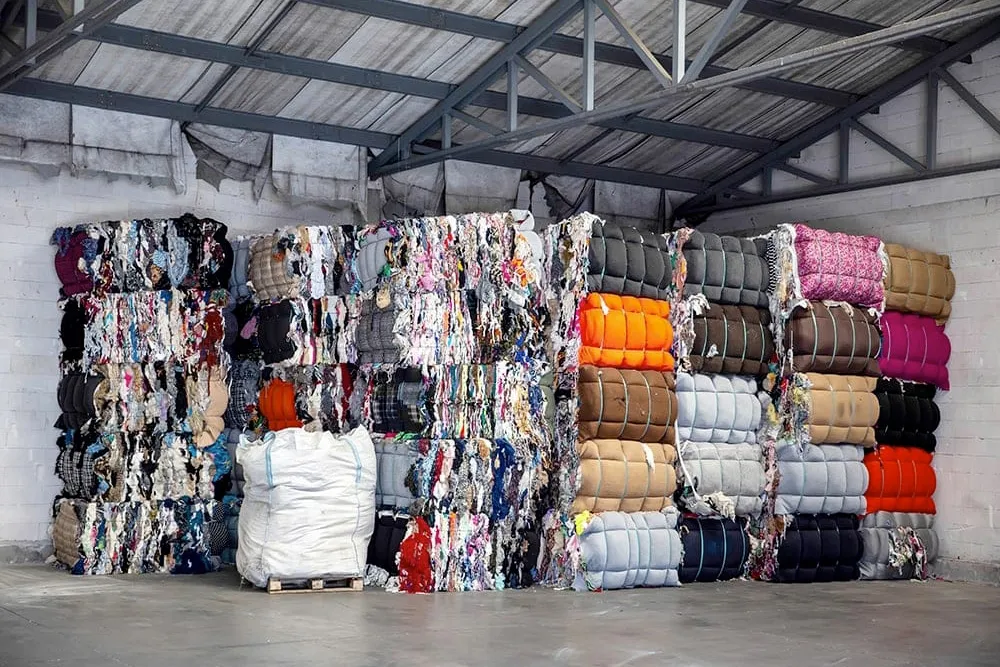
Belgium’s textile recovery sector is in deep trouble. The market price for unsorted textiles has plunged by more than 40%, recycling companies are struggling to stay afloat and sustainable solutions remain elusive. Extended producer responsibility (EPR) for textiles is being put forward as the solution, but it will not be enough. What is really needed to make our textile chain circular?
Europe’s textile recovery sector is in deep crisis. The rise of ultra-fast fashion is reducing the quality of second-hand textiles in Europe. Cheap, non-durable garments are often unsuitable for reuse or recycling. Exports of second-hand clothing are also being undermined: fast fashion is now flooding African markets too, where it competes with European second-hand clothing. The war in Ukraine has further reduced demand, partly due to the loss of markets such as Russia and Ukraine. As a result, the market value of unsorted textiles has fallen by more than 40% since early 2023. Bankruptcies at home and abroad illustrate the severity of the situation. Without intervention, the sector is on the brink of collapse.
EPR: necessary but limited measure
A frequently proposed solution is the introduction of Extended Producer Responsibility (EPR). This system makes producers responsible for the waste phase of their products. But EPR alone will not resolve the crisis. The legal framework for EPR is set out in European waste legislation. It leaves little scope to influence product legislation, such as ecodesign. This means we can impose only limited requirements on circular product design.
In practice, producers often view EPR as an additional cost, which they prefer to keep as low as possible. This is understandable: European manufacturers are competing with cheap imports that often give little consideration to their environmental or social impact. EPR does not solve this fundamental problem of unequal competition.
So what is EPR for? Its strength lies in correcting market failures. When collecting, sorting or recycling textiles is not profitable, EPR can help bridge the gap. This can enable a sustainable recycling market to grow after all. In the current crisis, EPR is therefore a necessary instrument, but only one piece of the puzzle.
What else is needed?
A truly circular textile chain requires additional measures. Denuo puts forward four action points:
- 1Act now. Introduce EPR for textiles in Belgium as soon as possible. Other member states have already set a good example, so there is no need to wait until 2028. Also explore which emergency funds could be used to provide temporary support for the sector. If the sector collapses, the cost of recovery will be many times higher.
- Create demand for recycled fibres. Only by stimulating demand will investment in sorting and recycling technology follow. Belgium can take the lead through the Ecodesign for Sustainable Products Regulation (ESPR). A ‘start low but fast’ approach is essential to keep everyone on board.
- Protect the Belgian and European markets. Introduce stricter controls on non-sustainable imports and misleading marketing. Business models such as those of Shein and Temu are not sustainable. Also review the tax exemption for e-commerce consignments worth less than 150 euros.
- Raise awareness. Too few consumers understand the impact of their choices. Educate people about the true cost of fast fashion through campaigns, education and other channels.
Find more details in our position paper at denuo.be.
Let’s not let this crisis become a missed opportunity
The sector is under strain, but the foundations for a circular textile chain are in place. Use EPR for its intended purpose and build on it with policies that also support circular product design, fair competition and awareness-raising. That is the only way to prevent sustainable recycling from continuing to play a marginal role in an oversaturated linear textile market.
Question about this story? Ask your question
Keep following this
Get an email when a new story is published. No account needed.
- ThemeMaking use of textiles and other waste streams
- SubjectNews







