












Farewell to an icon
Text Roel van GilsImage Van Werven
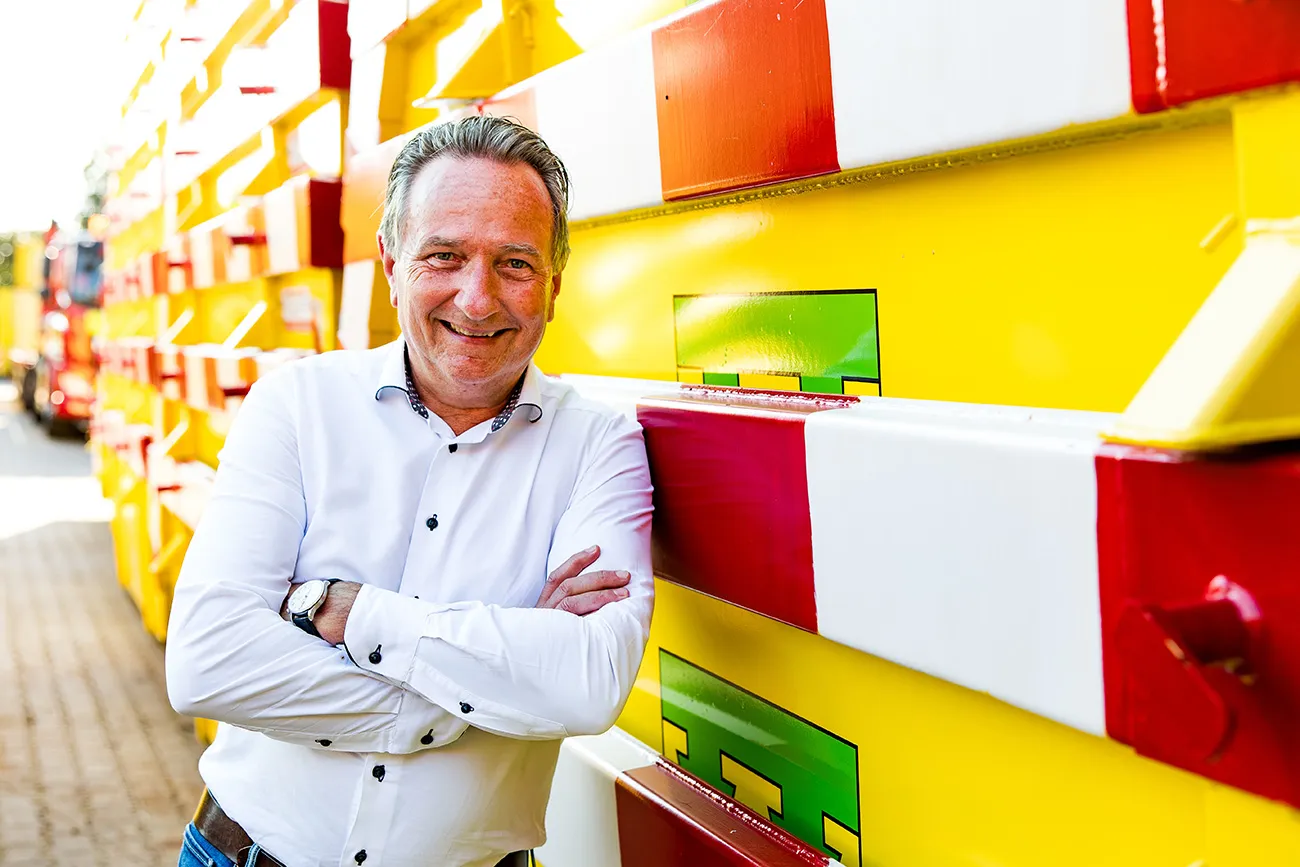
On 2 November, Van Werven Infra & Recycling said farewell to an icon. After 43 years working in the waste and recycling sector, including the last 14 years at Van Werven, former CEO Ton van der Giessen says he is going to “take things a little easier”. But this is not a final farewell to the recycling sector. Ton will remain involved from the sidelines and is keen to see the sector reach maturity.
“In 1980, I stumbled into the waste sector by chance as a junior sales representative,” Ton begins. “At the time, waste was mainly taken to landfill sites, and here and there you could see the first incinerators emerging. It was not until around the turn of the century that a major step was taken towards recycling waste, partly as a result of changes to legislation and regulations. Taxes were introduced on landfilling waste. This later led to a total ban on landfilling. Nevertheless, I still believe that the recycling sector is in its teenage years. It is nowhere near being a mature market. We still incinerate too many recyclable materials.”
Exponential growth
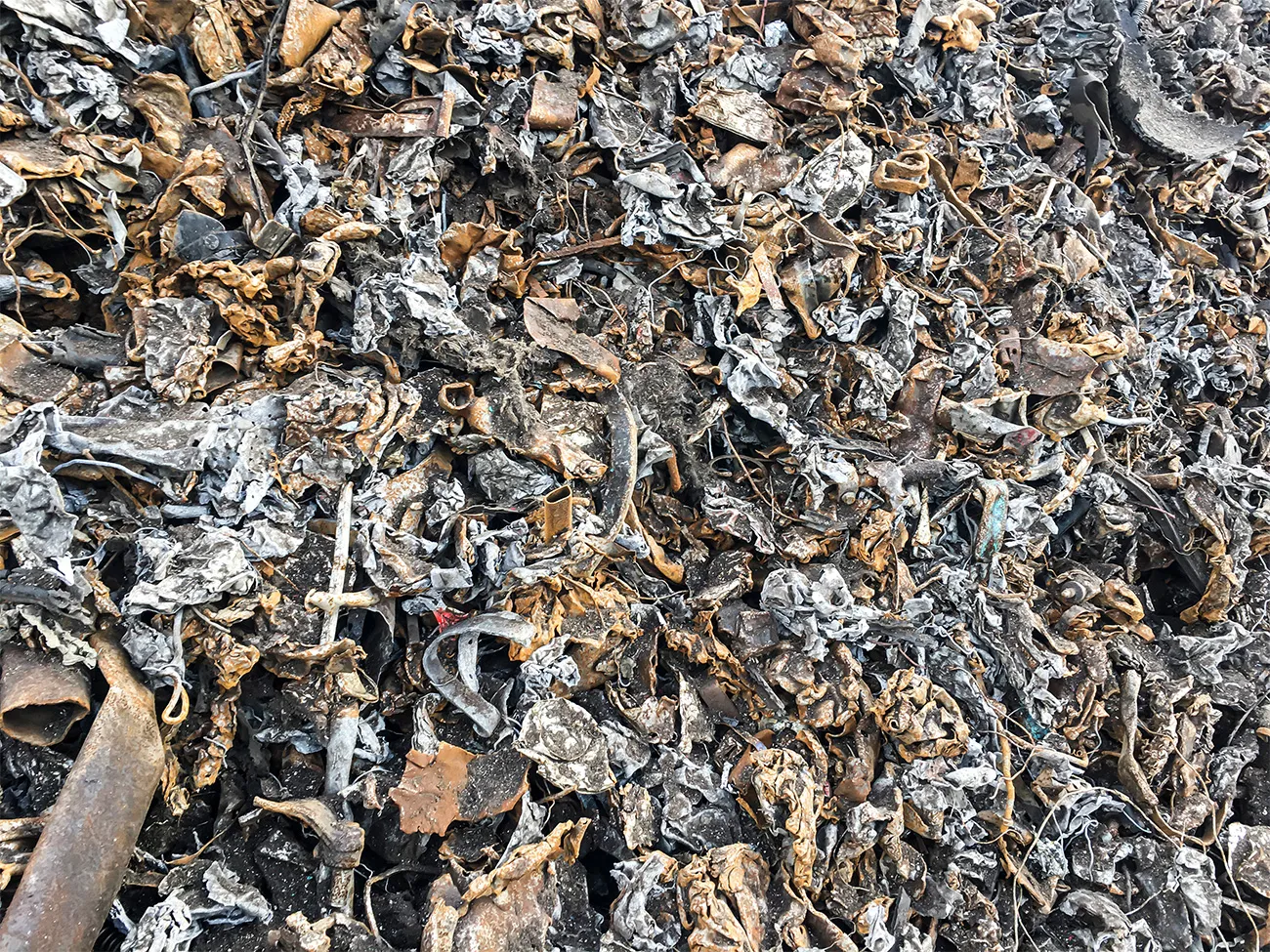
During his career, Ton has seen the recycling sector emerge and witnessed much of its development. Since joining Van Werven more than 14 years ago, he has expanded its plastic recycling activities, building them into the solid business unit they are today. After a year as interim director of plastic recycling alone, he was appointed CEO to bridge the gap between the second and third generations of the family business. It proved to be a masterstroke. Under his supervision, the company has grown exponentially across almost all its business areas. “As a team, we can look back on a successful period for the family business,” he says proudly. “You don’t reach milestones like these alone. You do it with a fantastic team of 850 employees, 450 of whom work in plastic recycling.”
Legislation and regulations
The market has changed dramatically since 1980, partly as a result of legislation and regulations. “Of course, we anticipated those changes,” Ton acknowledges. “They created opportunities to do something with waste other than take it straight to landfill. Construction and demolition waste is a good
example. 95% is now recycled, thanks to legislation and regulations, and in particular the tax introduced on landfilling. We then started looking at other waste streams too. Waste paper and glass have traditionally been recycled. For many other waste streams, it is difficult to make the business model stack up, but legislation and regulations still provide direction. Take producer responsibility for white and brown goods, which requires producers and importers to collect and process discarded electrical and electronic equipment. This legislation bridges the gap and makes it possible to make recycling these products financially viable.”
Recycled content requirement
“Even so, we still incinerate far too much recyclable waste,” Ton reiterates. “When a product is designed, the manufacturer must already consider who will buy the recycled raw material from that product and how it can be used. In plastics, this is still a process driven heavily by cost. Virgin raw material is cheaper, so the choice is made to use grey rather than green.
We still need additional legislation here, such as a recycled content requirement, which is being discussed in the European Union. But it will be years before such a measure is introduced. In the meantime, something needs to be done. This requires an understanding of the market, at both the input and output ends. It also requires technical knowledge. How do you turn those waste streams into high-quality raw materials that are consistent, uncontaminated and accepted by industry? Van Werven has mastered that process better than anyone else, both in the Netherlands and abroad. Credit is also due to shareholders who believe in a long-term business model. That is the beauty of a family business, which looks a generation ahead rather than just to the end of a reporting period.”
Greater stability
Ton expects additional legislation, such as a recycled content requirement, to ultimately bring greater stability and balance between plastic waste and the market for recyclate. “Legislation of this kind encourages recyclable waste not to end up in the incinerator simply because that happens to be cheaper. Ultimately, there needs to be a ban on incinerating recyclable waste. Only then will we create a mature market model. Anything you incinerate today cannot be recycled in the future.” Ton hopes to see that change too. “My time at Van Werven was the best period of my working life, but of course I’m not going to sit still,” he laughs, explaining that he has already received several attractive offers for roles on advisory or supervisory boards. “But I can also see myself leading a trade association.” That is still some way off, as Ton has joined the volunteer organisation PUM, which works to promote the sustainable growth of businesses in emerging countries. “I’m trying to stay connected to the recycling sector in various ways so that I can help the market mature, perhaps from a little further on the sidelines, but still involved. If it takes another seven years, I’ll have clocked up 50 years in the sector.”
Question about this story? Ask your question
Keep following this
Get an email when a new story is published. No account needed.
- SubjectNews







