












Family business acquired by British steel giant
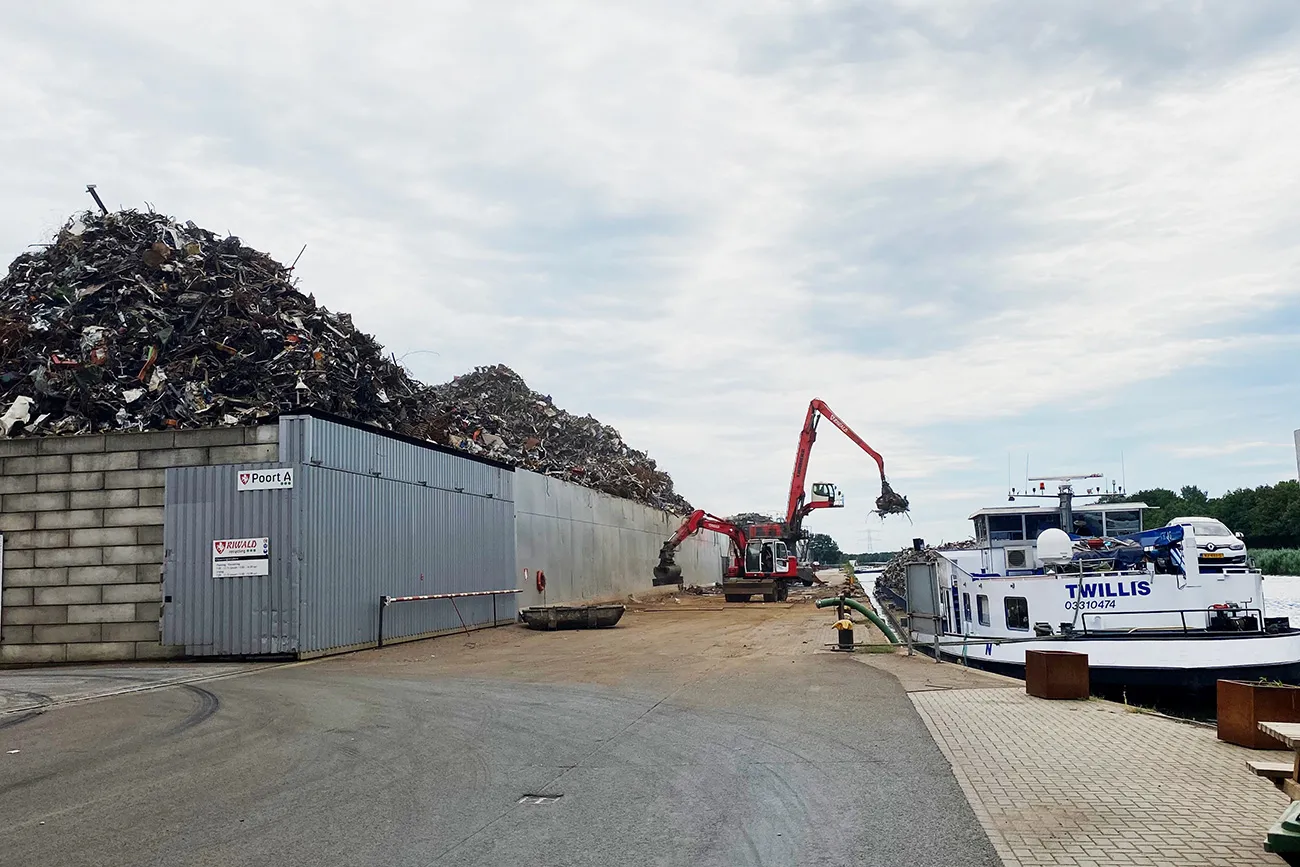
Earlier this year, Twente-based family business Riwald was acquired by British steel giant ArcelorMittal. The British company sees an increasingly important role for scrap recycling in the production of new steel. The acquisition of Riwald fits this strategy. The Riwald brand will continue to exist and is likely to be used in several European countries.
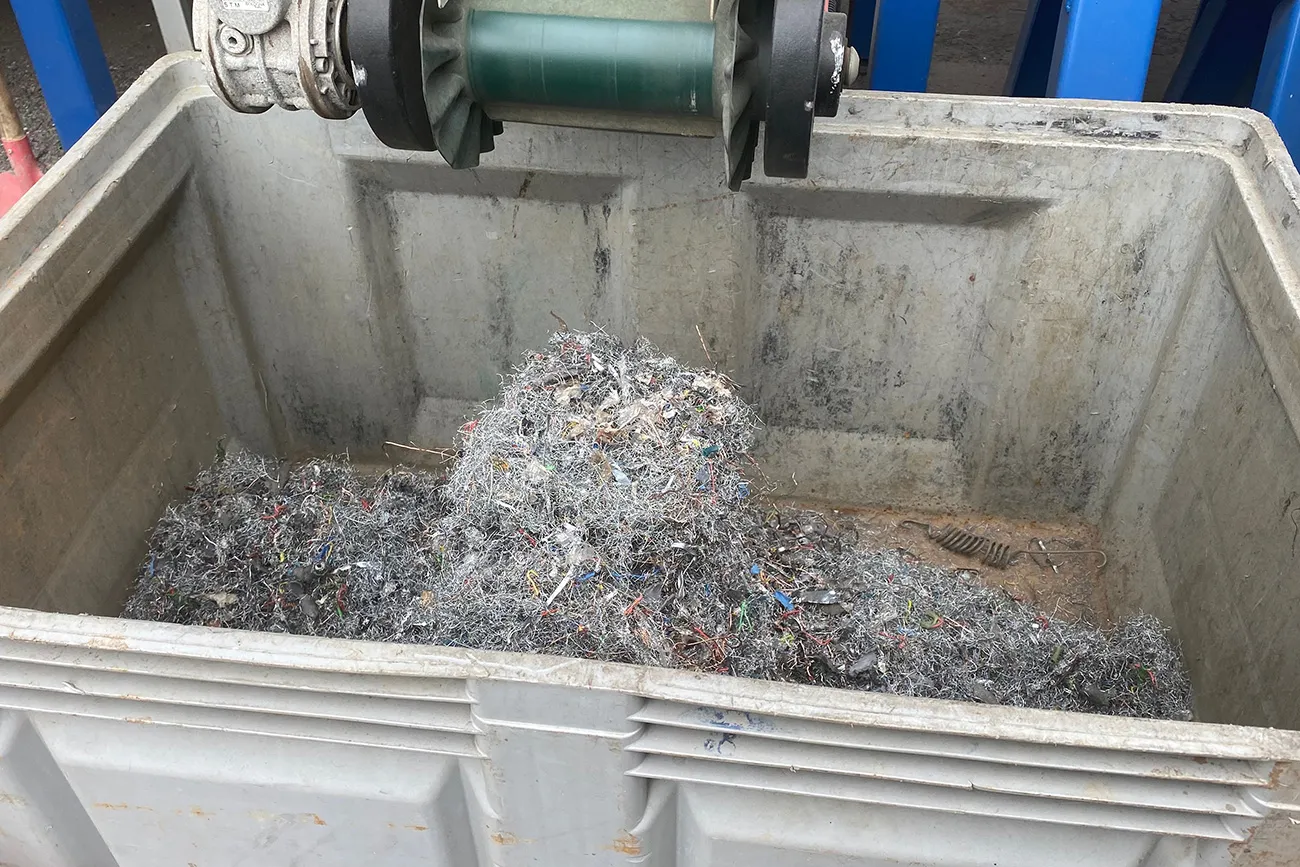
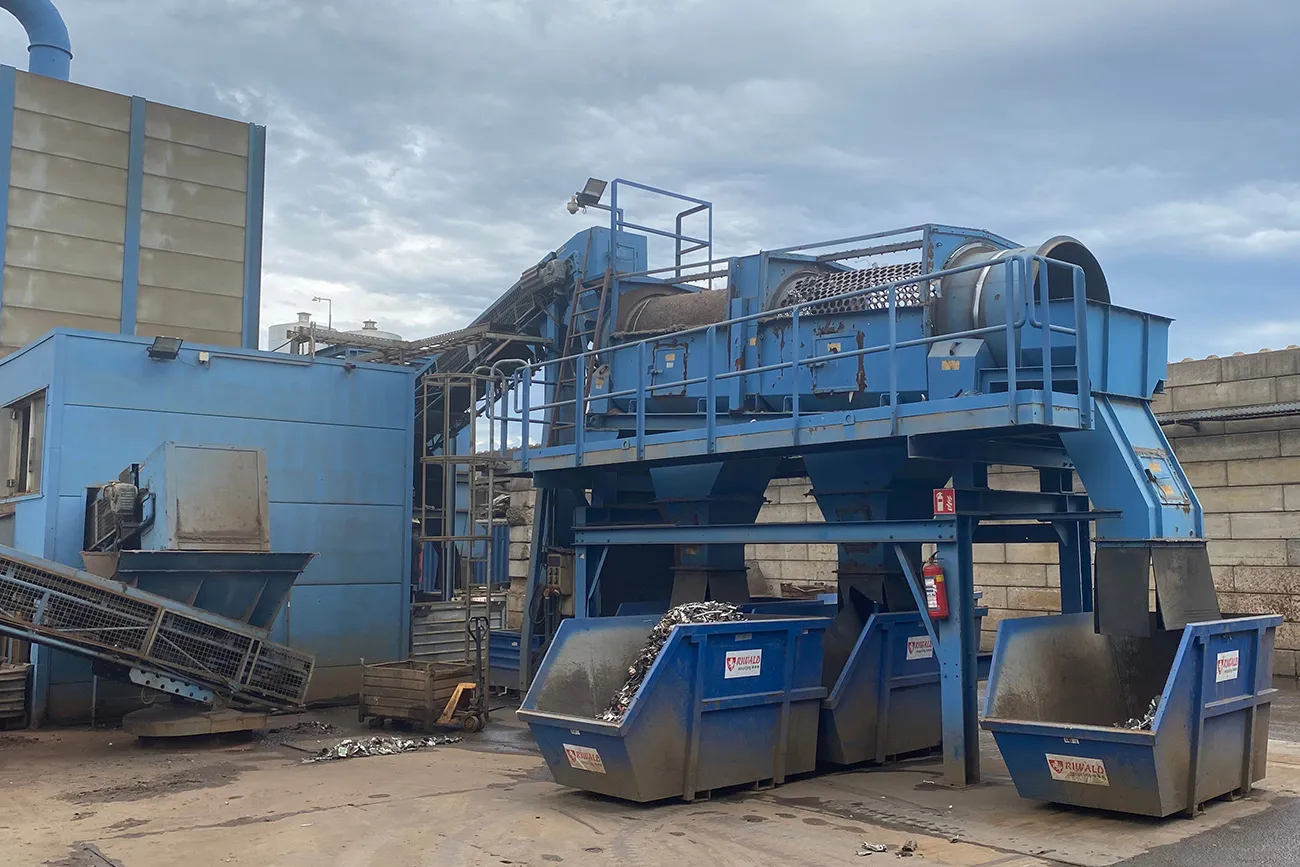
Riwald Recycling was founded in 1989. It operates two fully certified scrap yards in Almelo and Beverwijk, both with direct access to a port. In 2021, Riwald processed more than 330,000 tonnes of ferrous scrap. It sources material from a wide range of suppliers, including industrial companies, OEMs, demolition contractors, traders, car dismantlers, and regional and national authorities. Riwald uses advanced technical equipment to separate materials. This ensures a high level of material purity at the end of the process and maximises the recovery of all types of scrap and waste collected. For years, Riwald has ranked among the most innovative and sustainable recycling companies in the Netherlands. Finance director Ewald Huzink (59) will step down in six months. His brother Gert (51), managing director, will remain in post for at least another three years, as agreed with ArcelorMittal.
Third acquisition
Geert Van Poelvoorde, CEO of ArcelorMittal Europe, explains the acquisition: “This is the third acquisition of a metal recycling company we have undertaken this year, strengthening the important role scrap can play in our efforts to become fully carbon neutral. We want to reduce the carbon intensity of the steel we produce in Europe by 35% by 2030. While the low-carbon steelmaking technologies we develop and deploy will ultimately take us to net zero, we are working hard to make progress on all fronts given the urgent need to act. Securing access to the raw materials needed for low-carbon steelmaking, namely scrap steel and direct reduced iron, therefore plays a very important role. I warmly welcome Riwald’s management team and employees to our group and look forward to developing the business further together with its CEO, Gert Huzink.”
The acquisition has been positively received by employees of the Twente-based family business, says Huzink. “It was important to us that everyone could stay on and that the Riwald name would continue. We have that guarantee. Under ArcelorMittal, the company will have every opportunity to grow further, in terms of employment. It is also to be expected that the British will use the Riwald name in other European countries.”
Sustainability
Riwald CEO Gert Huzink adds: “The shareholders are delighted to have found a like-minded new owner in ArcelorMittal, and I look forward to continuing as CEO with the full management team to support ArcelorMittal’s metal recycling strategy. Riwald has long focused on sustainability, recovering more from recycled materials and reducing CO2 emissions from our operations, all of which are well suited to supporting ArcelorMittal’s decarbonisation strategy.”
Earlier this year, ArcelorMittal announced the acquisition of several metal recycling facilities from Germany’s ALBA International Recycling and the acquisition of John Lawrie Metals in Scotland. Together with Riwald, these three companies processed more than 1 million tonnes of scrap in 2021.
ArcelorMittal is a global steel and mining company primarily engaged in the production and sale of a range of semi-finished and finished carbon steel products. To a limited extent, ArcelorMittal is also active in the upstream recycling of scrap metal through a number of subsidiaries. However, ArcelorMittal did not yet have any steel production or scrap yards in the Netherlands.
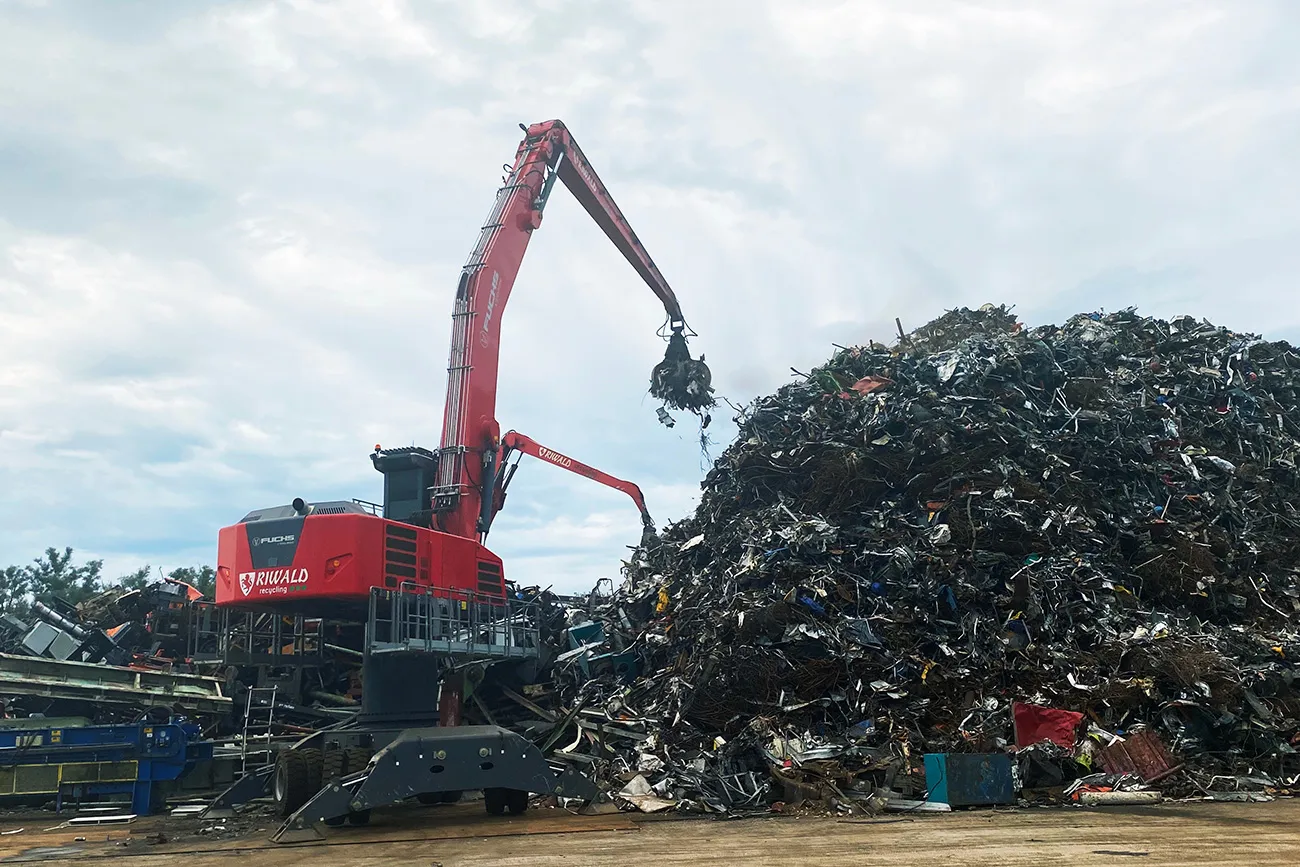
Riwald is active in scrap metal recycling and operates from two locations in the Netherlands, in Almelo and Beverwijk. Riwald collects metal waste, processes it where necessary and then sells the scrap on as an input for the production of new steel products. Riwald is primarily engaged in the collection and trading of carbon steel scrap, which is used in the production of carbon steel products.
Question about this story? Ask your question
Keep following this
Get an email when a new story is published. No account needed.
- ThemeRecovering metals and creating value
- SubjectNews







