No need for restrictions on scrap exports
Text Valérie CouplezImage iStock
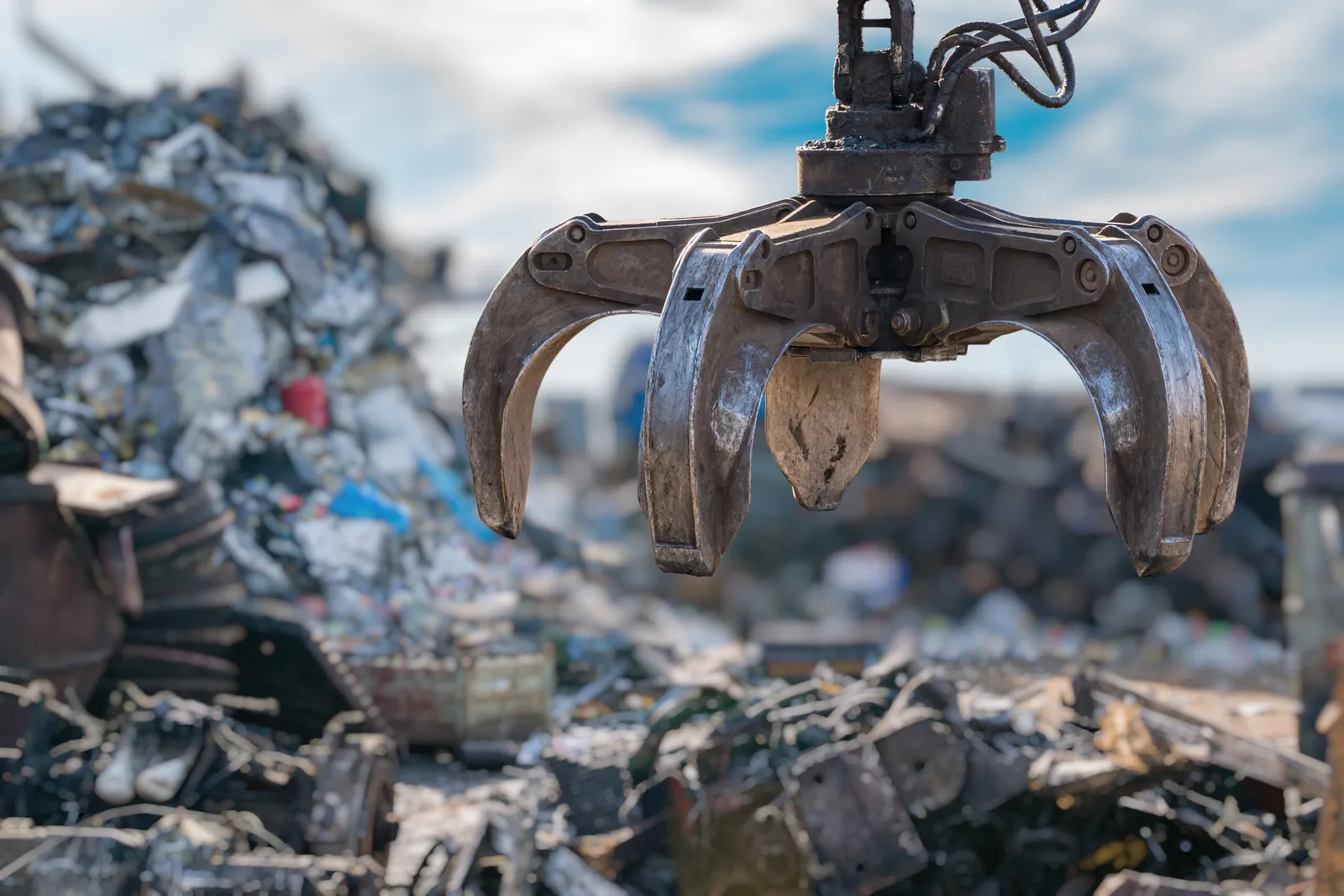
Europe’s steel industry says the EU should curb scrap exports. The latest version of the Waste Shipment Regulation has already partly achieved this aim. But the steel lobby is now pressing hard to keep all recycled metals within Europe’s borders, claiming that we are losing too many valuable raw materials here. The figures, however, clearly contradict this. The real aim seems to be to drive down prices and secure cheap raw materials for steel producers. What is exported from Europe today is not in demand here.
Let’s take a closer look at the figures. First, aluminium. Europe produces an average of 5 million tonnes of recycled aluminium each year. According to figures from Recycling Europe (formerly EuRIC, the European Recycling Industries’ Confederation), around 75% to 80% goes to destinations in Europe. Net exports of steel scrap amount to 11 to 12 million tonnes. The volumes produced by metal recyclers have remained virtually stable in recent years. What has changed is demand for recycled metals, as demand for steel has fallen. Over the past ten years, it has declined by 17% to 18%. This is partly due to lower industrial output in sectors such as automotive and construction. In effect, we recycle more than European foundries and blast furnaces can take in. That alone puts paid to the case for an export ban.
More harm than good
Export restrictions would also do more harm than good. They would artificially push down recycled aluminium prices, jeopardising the financial stability of the entire metal recycling sector. As the green transition drives demand for new types of aluminium, recyclers will need to make significant investments to meet these needs. That process is already under way, but export restrictions could slow it down or set us back several steps. The same applies to steel. And there is no need to spell out how important recycled metals are to the decarbonisation targets set by Europe. Every tonne of recycled steel avoids around 1.66 tonnes of CO2 emissions, regardless of its end use.
Only exports of material that is not in demand
Yet European steel and aluminium producers complain of a shortage of recycled materials. They feel the pressure from Europe’s green transition and should really be investing in electrifying their processes. However, as production at their customers’ facilities has stalled, those investments have yet to materialise. They would, in fact, boost demand for recycled materials. Electric furnaces can use more recycled material and emit less CO2. Steel and aluminium producers are now asking for guarantees that scrap stays here, so they can underpin their own investments with cheaper raw materials. Yet the material being exported today is not what they need to fuel their electric furnaces. Most of it is lower-grade scrap for which there is no demand within Europe.
Study shows need for a different policy
A new independent study by Ernst-Abbe-Hochschule Jena shows that restrictions on recycled steel exports would distort the market and actually put supplies to Europe at risk, rather than strengthening the European steel industry. The study suggests that European policy would be better directed towards tackling structural challenges such as high energy costs, while also promoting better sorting technologies, standardising quality and recycled-content certification, and supporting investment to improve the quality of recycled steel.
“No positive effect for European consumers”
A decision from Europe is expected in late December. For now, the final word goes to Guido Lipinski, managing director and lawyer at BDSV (the German Steel Recycling Association): “Europe’s recycling industry is competitive on the global stage. Export restrictions would undermine that competitiveness, while diverting non-European trade flows would have no positive effect on supplies to European consumers, which are not at risk.”
Question about this story? Ask your question
Keep following this
Get an email when a new story is published. No account needed.
- ThemeRecovering metals and creating value
- SubjectExports