












End-of-life tyres finally get a real second life
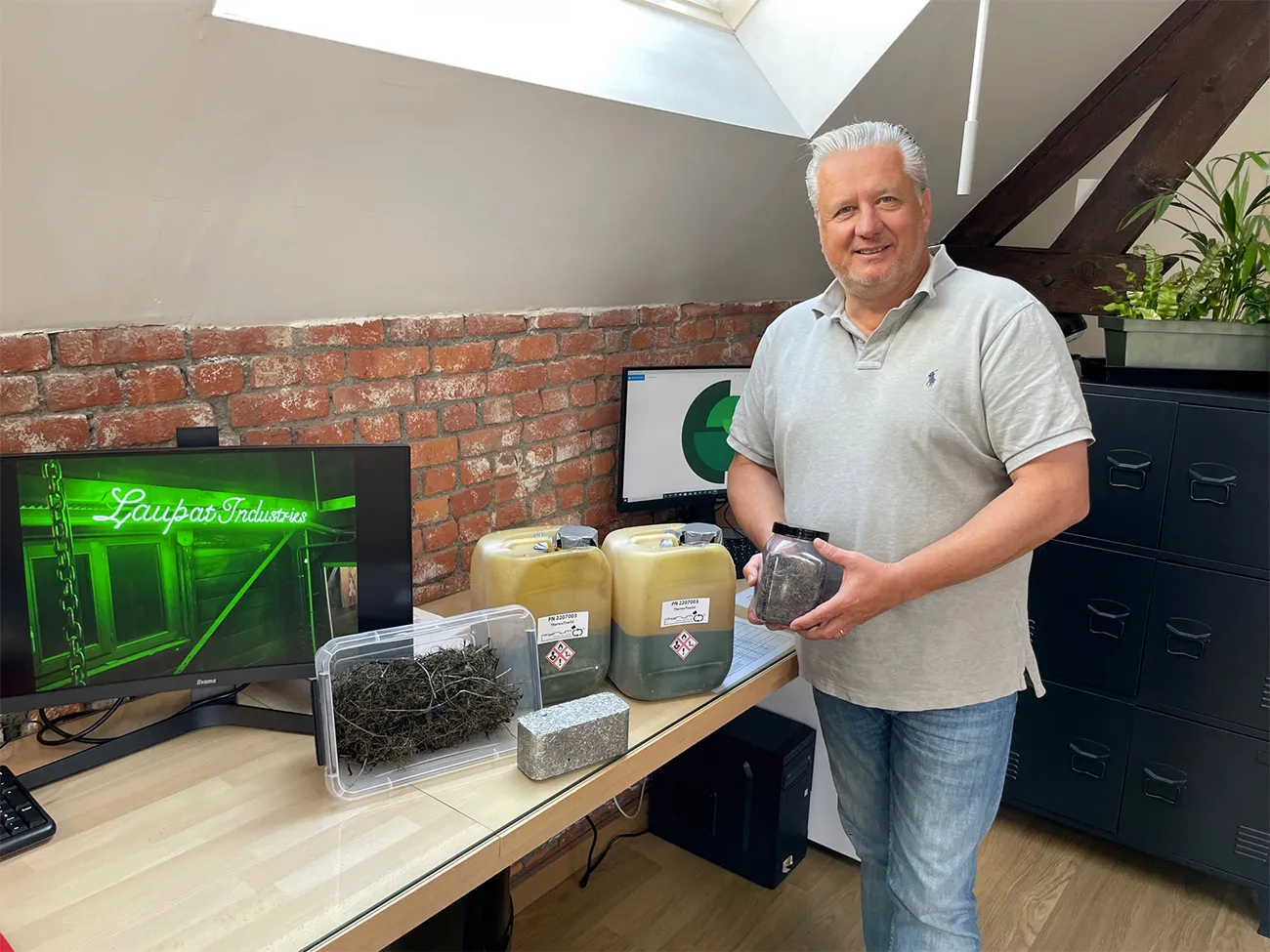
Through Vlaanderen Recyclagehub, the Flemish government aims to support projects that go beyond the current state of recycling technology. One of them is the thermochemical conversion plant planned by Laupat Industries in the Port of Antwerp. Car tyres that would otherwise be shipped out for export and incineration will be given a high-value material recovery route there. The project has been awarded €3 million in subsidies to help make it happen.
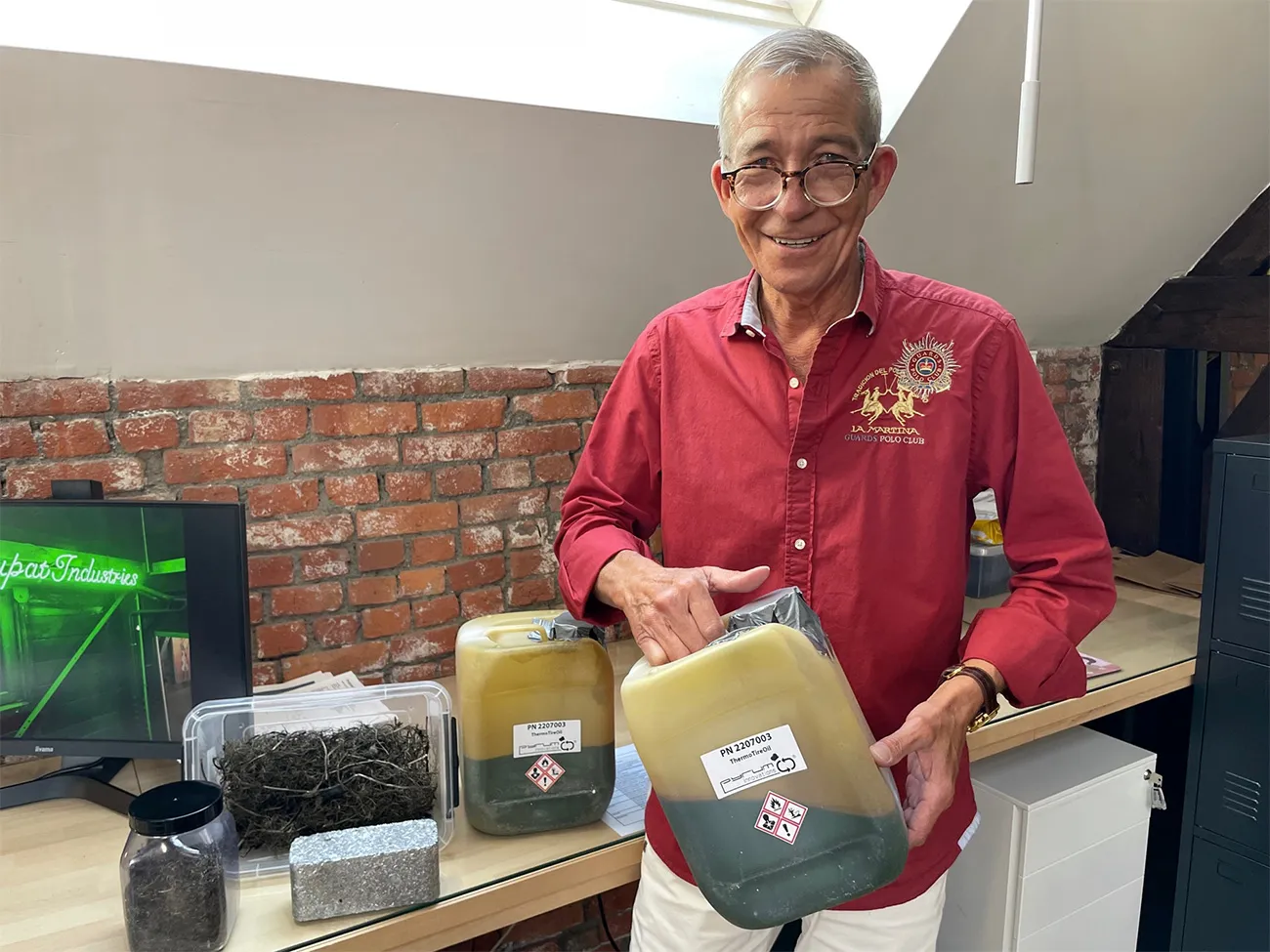
What can you actually do with ‘thermochemical conversion’ when mechanical recycling is reaching its limits? That was the question Frank Lauwers, managing director of Laupat Industries, began exploring seven years ago. “I quickly ruled out plastics. There are too many players competing for enough feedstock. Tyres, on the other hand, struck me as having a great deal of potential, especially in Belgium, where most tyres leave the country through the port for export.” Valuable materials that could be given a second life. However, the plants around the world already trying to do this have one drawback. “They use horizontally arranged reactors, which require more physical handling, cannot operate continuously 24/7 and inevitably bring additional safety risks. We knew we needed a different approach,” adds fellow managing director Walter Patijn.
First joint project in Antwerp
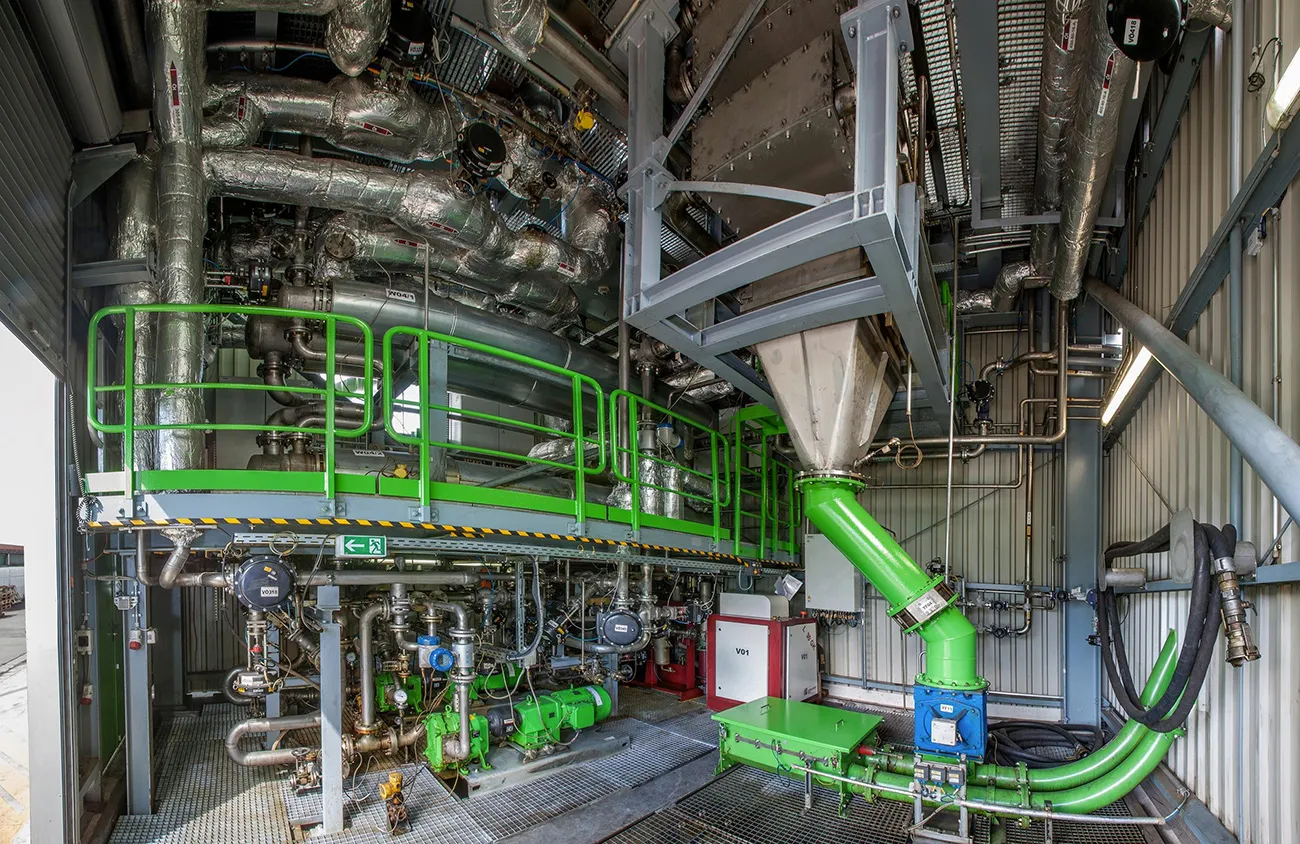
Laupat Industries’ technology partner is already demonstrating in industrial practice that a different approach is possible, with vertically arranged reactors. Patijn: “Gravity does all the work, with no moving mechanical parts inside the reactors. The first working model was developed back in 2008, and by mid-2019 the technology had reached TRL 9. In other words, it was ready for international roll-out. Our technology partner will continue to innovate the technology, while Laupat Industries will commercialise it.” Their first flagship project combining their expertise will be based in the Port of Antwerp. “The good rail and waterway connections appealed to us, as they offer a sustainable logistics solution too. Belgium also provides easy access to end-of-life tyres, thanks to strict legislation and the existence of an organisation such as Recytyre,” Lauwers explains.
First phase: 20,000 tonnes of tyres
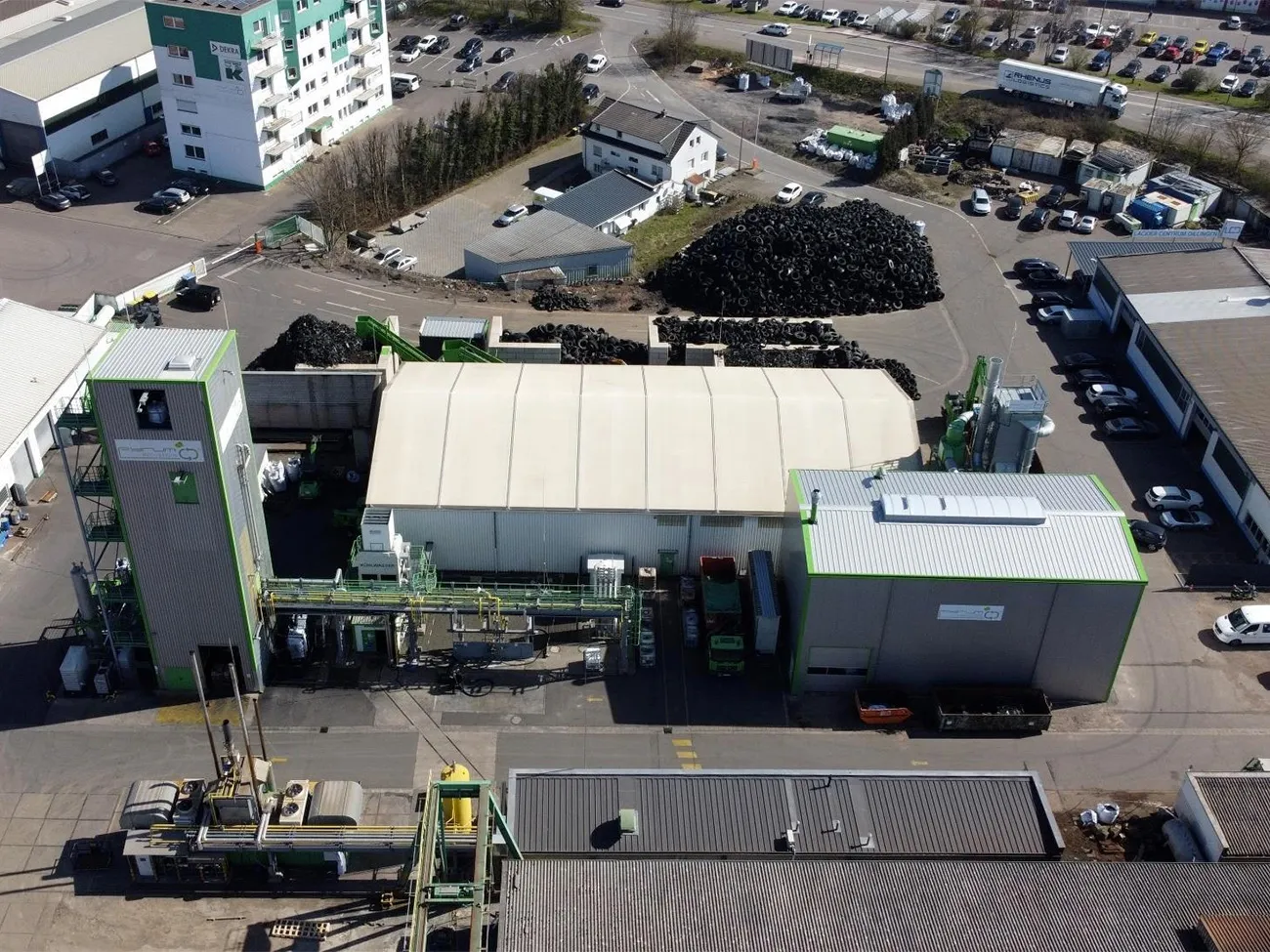
The plant is due to be fully operational in the second half of 2024. Three reactors will give a second life to a total of 20,000 tonnes of tyres, equivalent to around 2 million car tyres. Lauwers: “We want to have the next phase up and running by 2026, doubling capacity. Even then, we will only be processing half the number of tyres collected by Recytrye.” In addition to the reactors, the site will also feature an impressive pre-treatment plant. “The tyres will be shredded in several stages to remove the steel wire, textiles and Kevlar, and to produce granules of the right size to feed into the reactors. Each of these material streams can also be recovered to a high value.” Before the rubber finally enters the reactor, its sulphur content is an important parameter. “The thermochemical process enables us to recover carbon black from end-of-life tyres and supply it as a black pigment. The lower the sulphur content of the input, the better the quality of the output,” says Patijn.
Sustainability built into every detail
In the reactor, the material is continuously exposed to high temperatures. “For the quality we achieve, the ideal temperature is between 600 and 650 °C. The entire process is computer-controlled, so every mm³ in the reactor is maintained at the same temperature and oxygen is kept out at all times.” The plant’s flue gases are further cooled to produce green thermolysis oil, which manufacturers can use to produce new plastics. “It is the only thermolysis oil in the world to have achieved REACH certification. We already have an offtake contract for this material stream with one of the world’s largest chemical companies. They appreciate the consistent quality we can deliver,” says Lauwers. Ultimately, around 38% of the material fed into the plant can be recovered as carbon black, 12% as gas and 50% as oil. With a target of 95% material recovery, Laupat Industries aims to be at the front of the pack. The company also leads by example. “The high-calorific gases are used to power the CHP or turbine installation that keeps the reactors at temperature. The aim is to establish a fully CO2-free, energy-neutral process here in Antwerp.”
A glimpse of the future
But the potential is not limited to Antwerp. Patijn: “When you consider that around 31 billion tyres reach the end of their life worldwide every year, there is enough feedstock to build several plants. There is already clear, concrete interest in our technology elsewhere in the world too. We are also looking ahead, exploring possible next steps for processing other feedstocks for which no recycling solutions are currently available.”
Question about this story? Ask your question
Keep following this
Get an email when a new story is published. No account needed.
- SubjectNews







