












Dutch end-of-life vehicles recycled to 98.7%
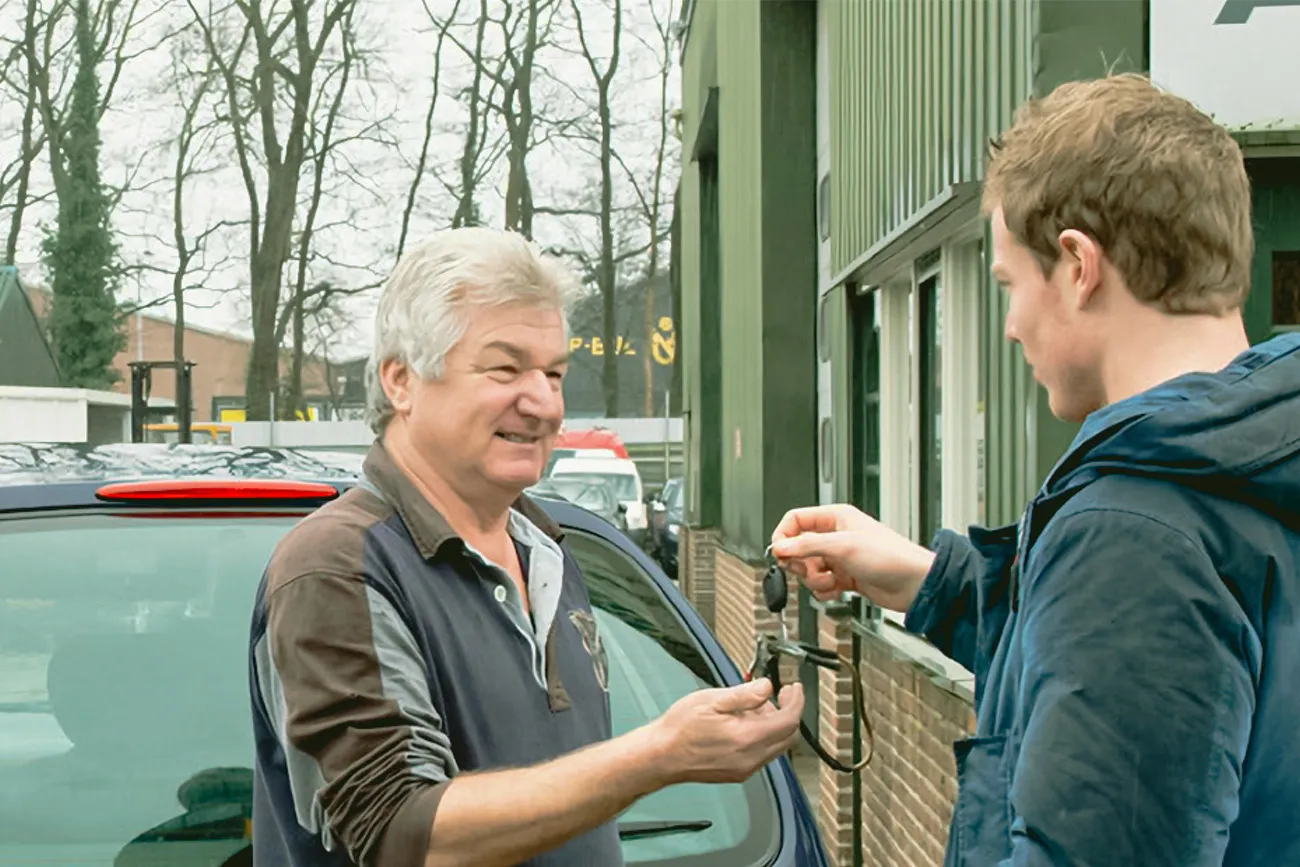
The number of end-of-life vehicles dismantled by automotive dismantling companies was historically low in 2022. A total of 176,887 vehicles were deregistered for dismantling last year. This is a 20% decrease compared with the 220,926 vehicles in 2021. According to Paul Dietz, Managing Director of Auto Recycling Nederland (ARN), there are several reasons for this. The two main reasons are low new-car sales and an increase in exports of older cars in 2022. “Last year was an unusual year in which supply problems led to fewer new cars being sold. In addition, car exports increased in 2022, particularly in the 16-25-year-old vehicle group. As a result, fewer end-of-life vehicles ended up at dismantling companies in the Netherlands.”
Another factor is that there was a dip in car sales 19 years ago, and cars are lasting longer. “Historically, there is a relationship between the number of new cars sold and the number of vehicles reaching the end of their life. We saw a decline in new-car sales 19 years ago, so a lower number of end-of-life vehicles was to be expected. We are also seeing people keep their cars for longer. The average age at which a car is scrapped increases by one year every three years. This partly explains why fewer cars were scrapped last year,” says Paul Dietz. Cars in the Netherlands now last an average of 19.5 years.
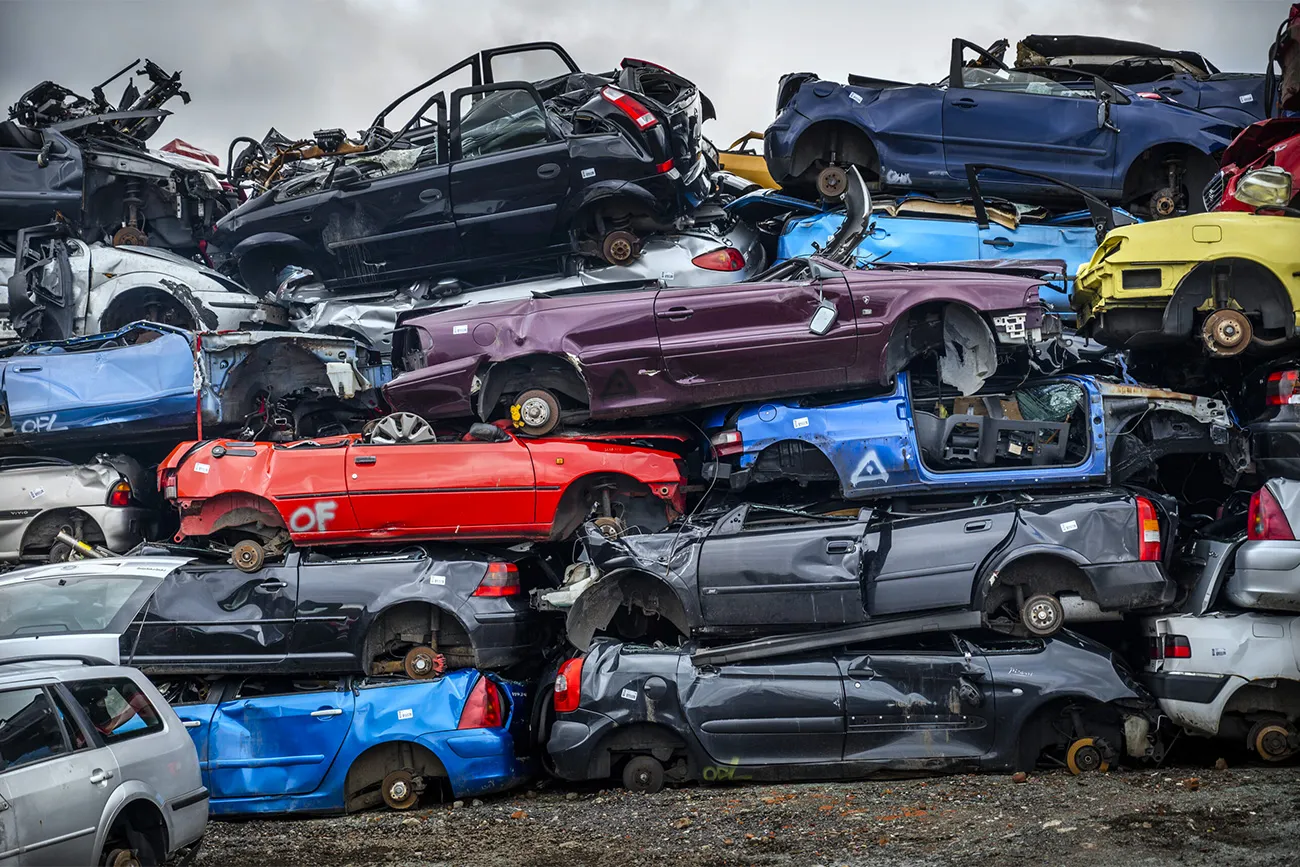
Recycling rate of 98.7%
The recycling rate achieved for end-of-life vehicles in 2022 was 98.7%, the same level as a year earlier. This means that only 1.3% of a car, equivalent to the contents of a shopping bag, cannot be put to useful use. This means the Netherlands comfortably meets the European requirement for a minimum 95% car recycling rate.
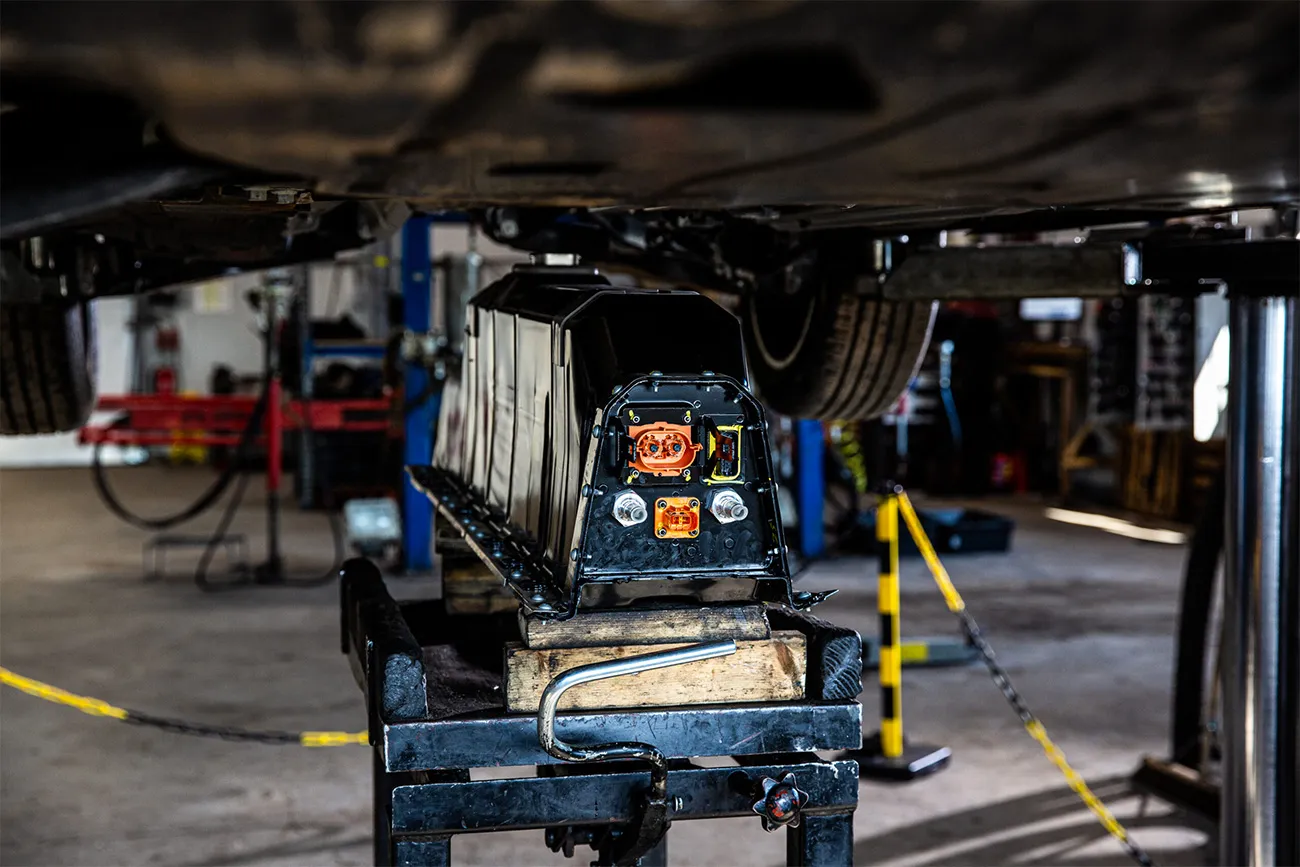
New technology for recycling car batteries
Cars are increasingly equipped with a lithium-ion traction battery. Last year, a total of 113,282 kilograms of car batteries and battery modules were recycled through ARN (76%) or put to second-use applications (24%). In the latter case, the battery is given a new application outside the car, for example to supply power at an event. “The number of end-of-life car batteries is still relatively small, but we can already see that more than 80% of car batteries are recycled,” says Paul Dietz. “New recycling technologies make it possible to recycle around 95% of car batteries. This is important to ensure that sufficient raw materials for traction batteries remain available in the longer term. Effective recycling also helps build support for the transition to emission-free driving.”
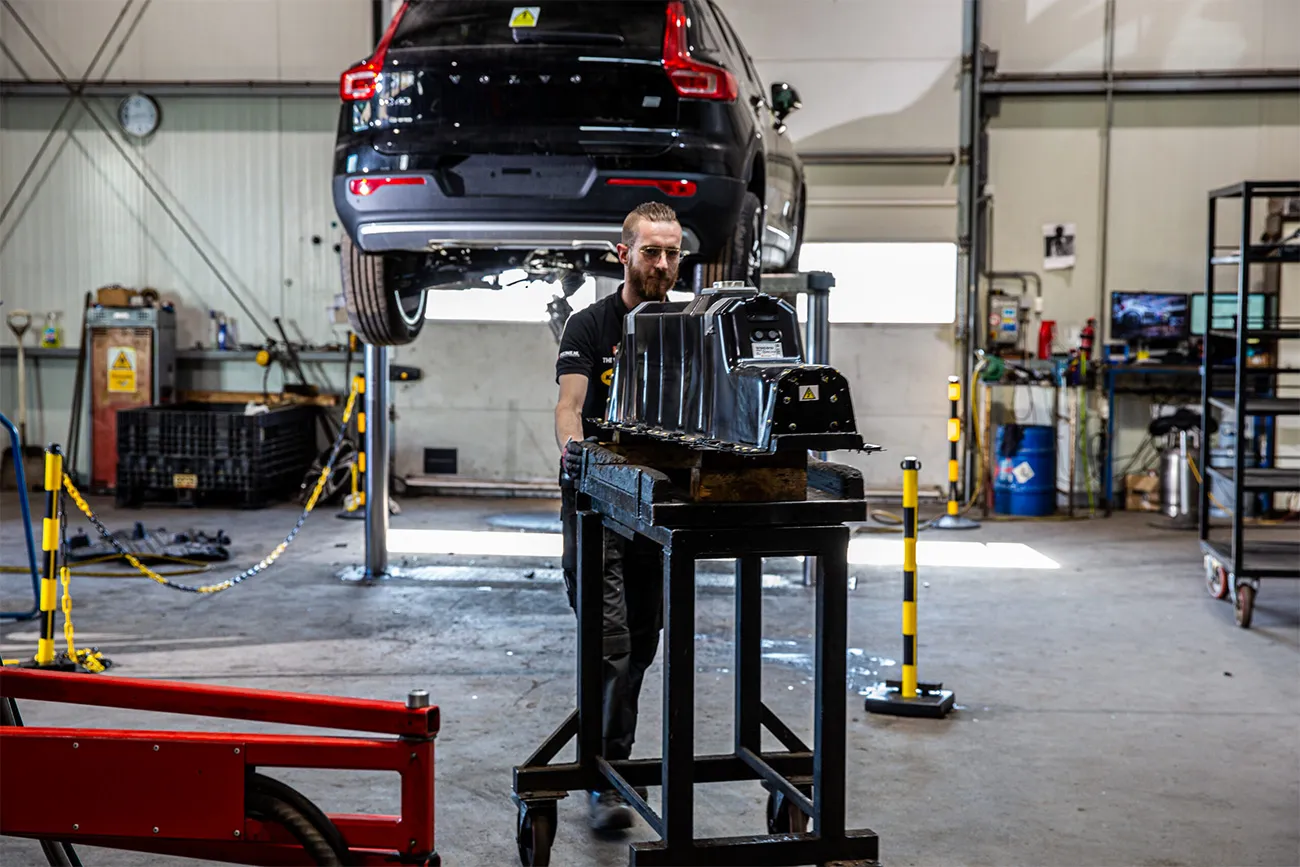
Future European legislation
The reuse of materials will increase in the coming years. Future European legislation will require recycled material to be used in new car batteries. This will drive the development of new recycling technologies.
Read the ARN 2022 sustainability report arn.nl/duurzaamheidsverslag here.
Question about this story? Ask your question
Keep following this
Get an email when a new story is published. No account needed.
- ThemeCircular construction and demolition
- SubjectNews







