












Dutch company in lubrication and fire suppression systems growing rapidly. Fire under control in seconds
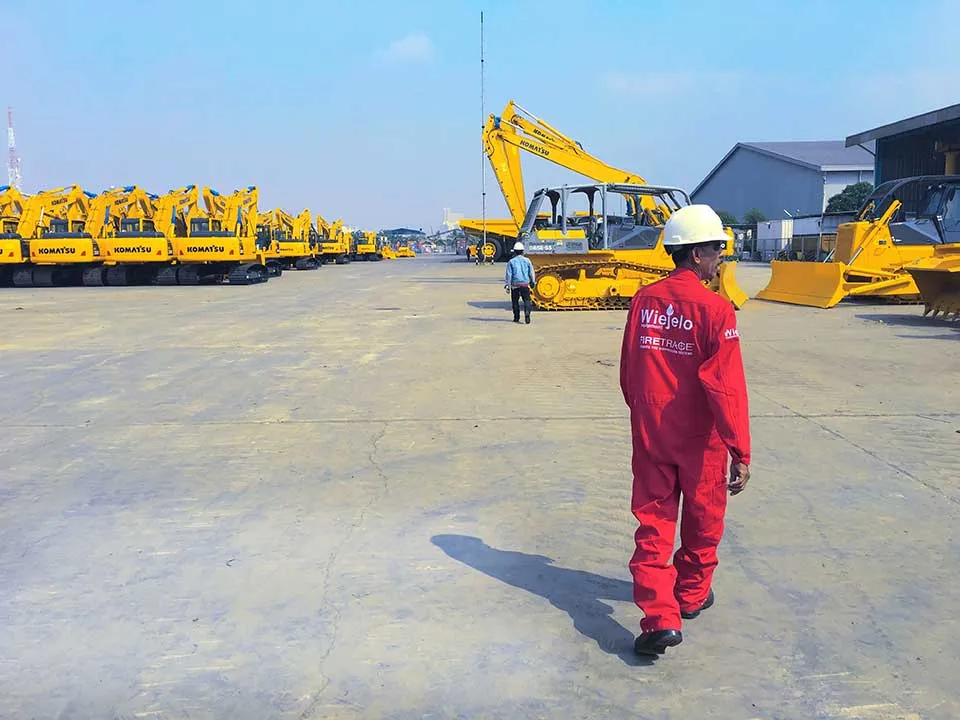
Partly due to strict emissions and noise standards, the risk of fires in machinery has risen sharply in recent years.
It is no coincidence that Dutch company Wiejelo has been growing rapidly for the past 10 years. Managing director Berry Boertien explains how he expects the company to become the market leader in automatic lubrication and fire suppression systems within this decade.
Wiejelo was founded 10 years ago by Berry Boertien and a business partner. Boertien had already been working in the automatic lubrication systems sector for some time when a customer introduced him to a company in Indonesia that wanted automatic fire suppression systems for mining machinery. Over the following 10 years, Wiejelo grew into a major supplier of lubrication and fire suppression systems for agriculture, earthmoving, recycling, materials handling companies, ports and industry. Boertien now employs more than 20 people.
Boertien worked as a mechanic for many years and knows that good service often leads to sales. It is no coincidence that service is one of the cornerstones of his business. Automatic lubrication systems still account for 70 per cent of Wiejelo’s turnover. The rest comes from automatic fire suppression systems, although that share is growing. Boertien remains the sole shareholder of Wiejelo Equipment, and the Dutch and Belgian home markets have now taken priority over international work.
A target on the horizon
Boertien: “We only started seriously thinking about what we wanted to do with Wiejelo in the Netherlands in 2016. Our target is for Wiejelo to become the market leader in automatic lubrication systems in the Netherlands by 2023. We are already the market leader in the agricultural sector for factory-fitted lubrication systems on machinery. I think 80 per cent of all machines are running with our systems. And our share of the earthmoving market has also risen enormously over the past few years.”
According to Boertien, the reason for this rapid growth is not “advertising as much as possible, but taking a direct approach. I have a large network and know exactly what my customers want, thanks to my experience. What has certainly helped, too, is our small-scale, personal approach, which I think works very well in the sectors we serve. We are not part of a large international corporation where a lubrication system accounts for only a tiny fraction of a conglomerate’s turnover. We can also act very flexibly and quickly. That is how we have gained a foothold with many major players in the market.”
Atomisation
Boertien expects significant growth in automatic fire suppression systems, too. “Mining, ports and recycling are often 24/7 sectors. Machinery is put under much heavier strain, and there is less time for preventive maintenance. One major cause of fires is an ageing or damaged diesel or hydraulic line. All it takes is a small crack for hydraulic oil to atomise. This creates an extremely flammable mixture, and things can escalate very quickly.”
Another cause of the rising number of machinery fires is the emissions standards imposed on engines. Boertien: “To run more cleanly, combustion temperatures in engines are getting higher and higher. A Euro 6 engine can reach 600 degrees. And strict noise requirements mean engines are increasingly well insulated, leaving less natural cooling. And that insulation material can catch fire.”
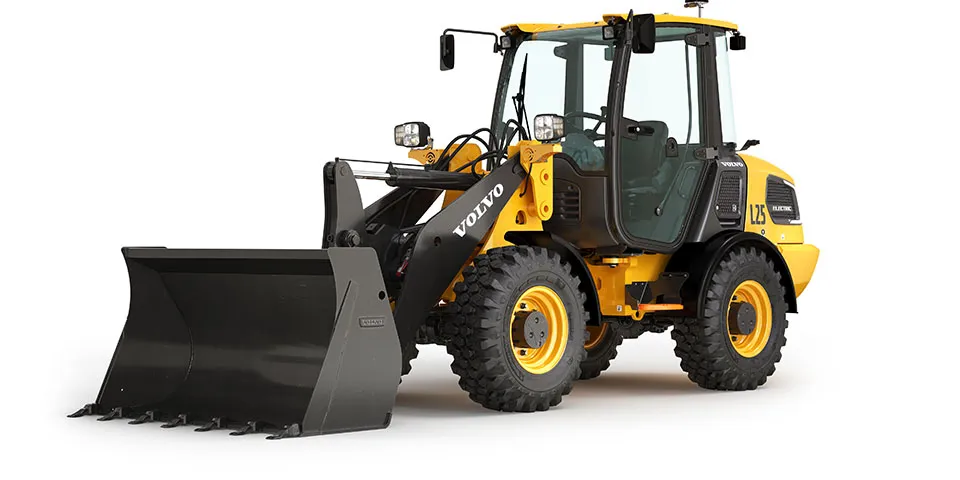
Wiejelo’s automatic fire suppression systems, which are increasingly being factory-fitted to machinery such as mining equipment, wheel loaders, handling cranes, screening plants, shredders and mobile cranes, can detect and extinguish a fire in its early stages within seconds. It is no coincidence that more and more insurers now require automatic fire suppression systems as a condition of providing fire insurance at all. “Handling cranes are often mounted on raised platforms,” Boertien explains. “If a fire breaks out there, the operator has virtually no chance. So you need to be able to act quickly.”
Wiejelo’s systems are activated automatically between 20 and 30 times a year. However, customers need not worry that this spells the end of their machine. Boertien: “We do not use harmful substances in our fire suppression systems. Our system has never caused an engine to fail.”
Question about this story? Ask your question
Keep following this
Get an email when a new story is published. No account needed.
- SubjectNews







