












Discounters are setting a good example
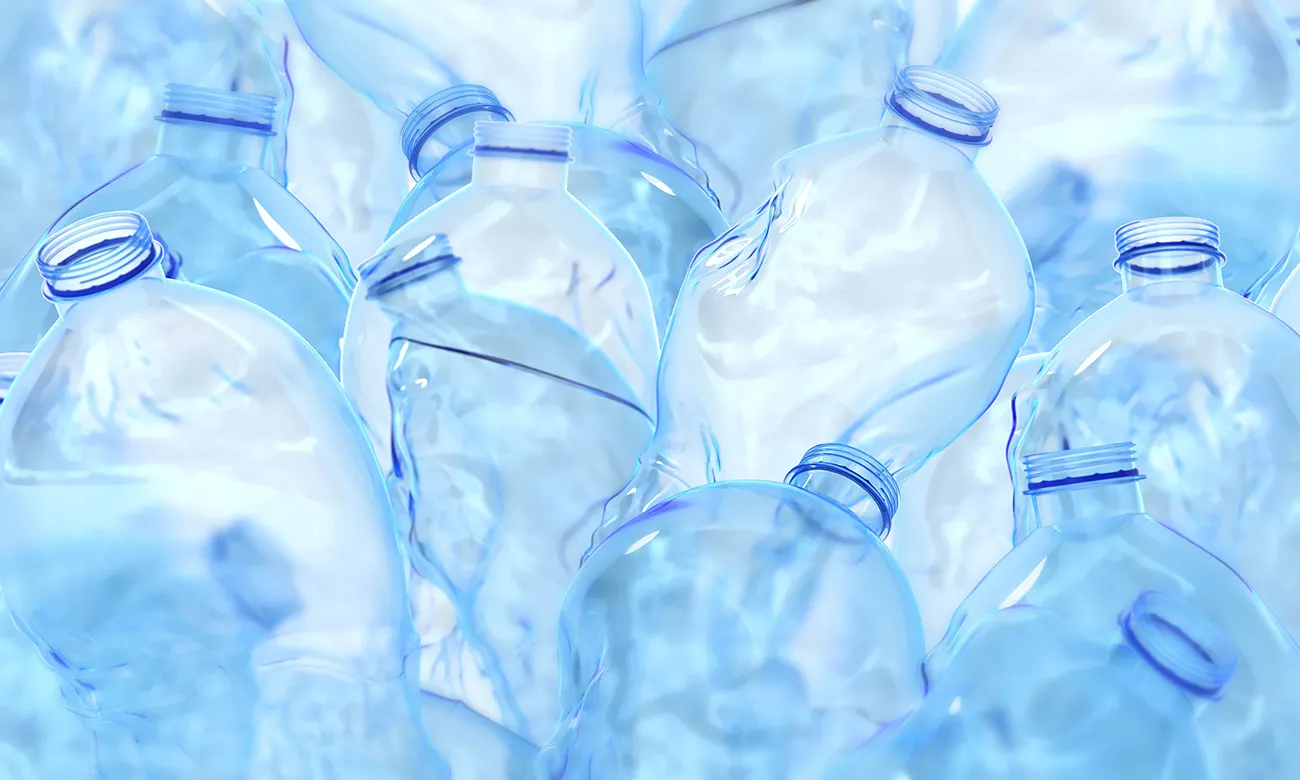
Sustainability is practically in discounters’ DNA. To keep costs down, these supermarket chains have focused on reducing packaging ever since they were founded. Today, they are stepping up their efforts to make sustainable packaging a cornerstone of their business philosophy. Aldi and Lidl, for example, aim to increase the recycled content in their own-brand packaging to 30% by 2030 and 20% by 2025, respectively. These are ambitious targets, given that the average figure currently stands at around 6%.
Retailers today do far more than sell products. Take the family-owned Schwarz Group, which owns the Lidl chain. In 2021, its subsidiary Prezero collected more than 10 million tonnes of waste, making it one of Europe’s top five waste collectors. And that is not all. Prezero has also taken over Ferrovial’s waste treatment operations in Spain and Portugal, and more recently acquired a stake in the former SUEZ. But what strategy lies behind these acquisitions? The family-owned company behind Lidl wants to be able to close the loop on its packaging itself. Rather than wait for politicians to impose recycling quotas, it is taking the initiative. All own-brand PET bottles are already made from 100% recycled plastic. The company can only achieve this because it has a constant supply of the highest-quality PET.
Closing the materials loop
Aldi has also embarked on this path. In a strategic partnership, Aldi Süd and Nord have joined forces with waste management company Interseroh + to close the materials loop and actively participate in the circular economy. By 2025, it aims to ensure that all plastic packaging for its own brands, not just PET bottles, contains at least 30% recycled material. In recent years, the company has already made huge efforts to reduce its packaging further. That is where sustainability starts for the retail chain. Since 2020, it has reduced the total weight of its packaging by 239 tonnes. Over the same period, it also used 631 tonnes less plastic. Even so, Aldi is certainly not throwing the baby out with the bathwater when it comes to plastic. Keeping its products fresh remains the priority, as food waste almost always has a much greater environmental impact than packaging. The company is also focusing on recyclability. Today, 98% of its own-brand packaging is recyclable.
The whole supply chain in motion
These initiatives are also putting pressure on manufacturers to use recycled material on a larger scale in their packaging. Pepsico has already announced that it is ahead of schedule, with 100% recycled content in 100% of the plastic bottles it puts on the German market. It achieved this 100 days ahead of plan. Coca-Cola is now at 70%, also exceeding its own targets. This was not due to be achieved until 2023.
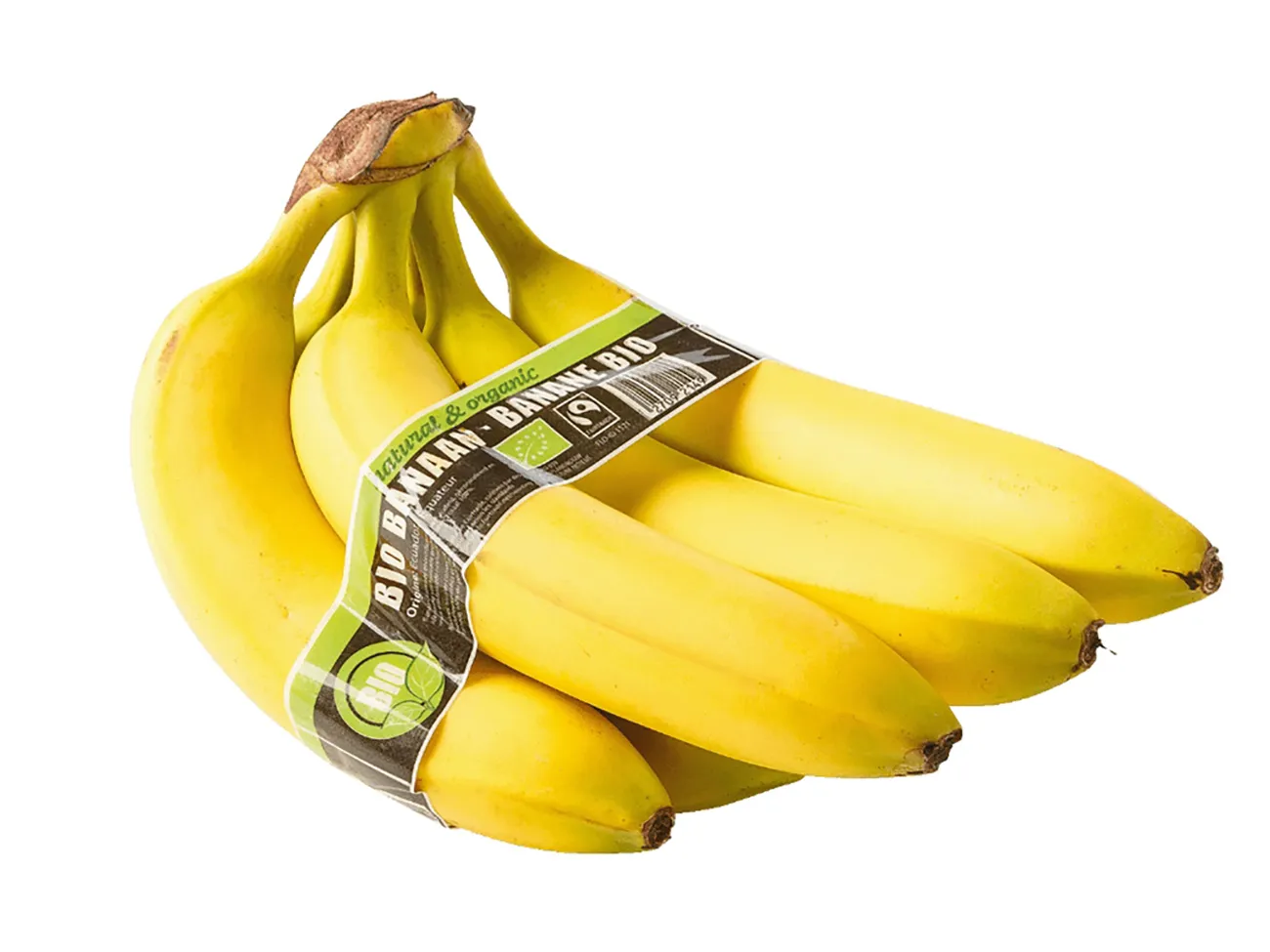
Sustainably packaged Fairtrade bananas, crisps and chicken fillets
What have all these efforts achieved in practice? By completely redesigning the packaging for its Fairtrade organic bananas, replacing the plastic bag with a band, Aldi saves no less than 11.4 tonnes of plastic a year. The paprika-flavoured crisps also come in new, recyclable packaging. This saves 27,359 kg of cardboard, 821 kg of aluminium and 997 kg of plastic a year. And have you seen the new plastic tray for fresh poultry? These are now made from 100% recycled plastic (rPET). As a result, Aldi avoids using an additional 63 tonnes of ‘virgin’ plastic.
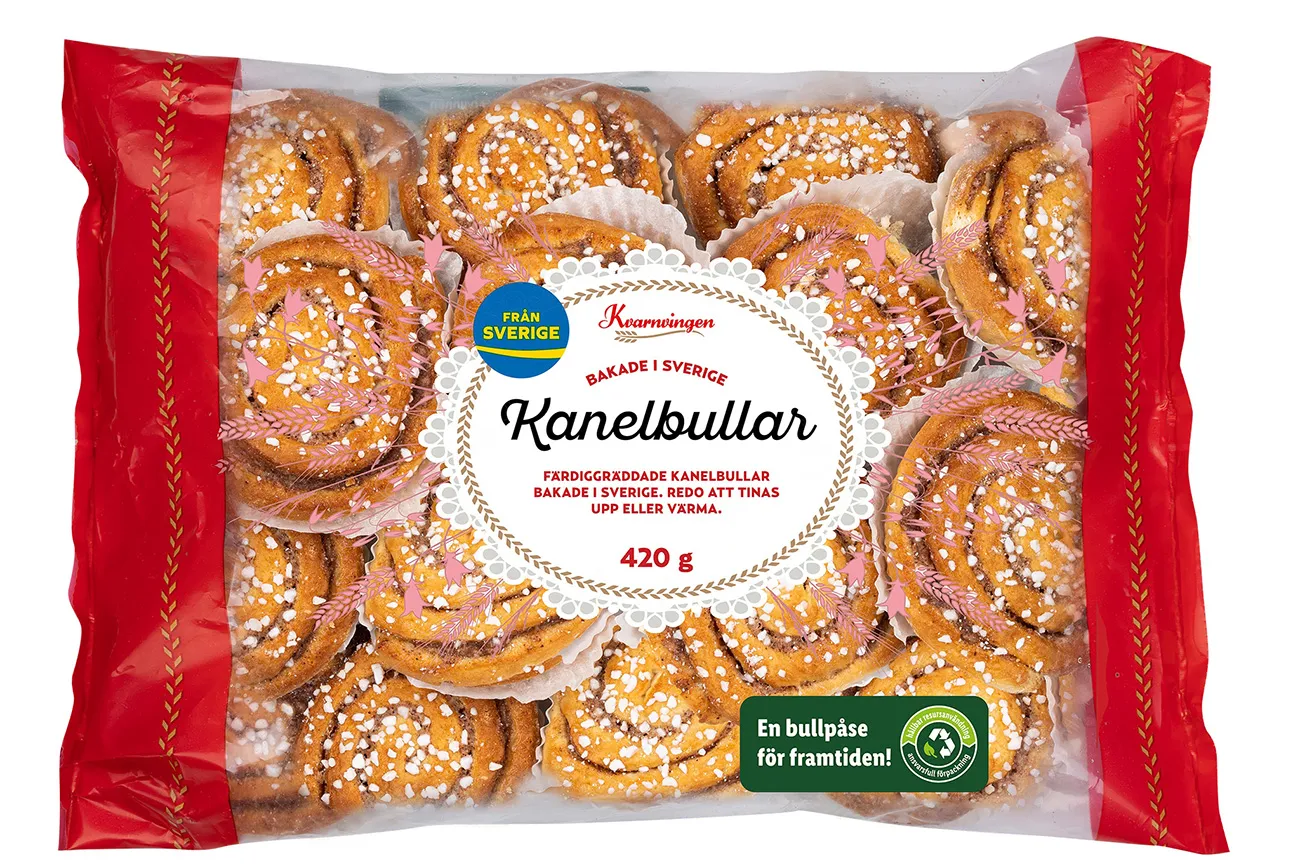
Recycled PCR film
Earlier this year, Lidl Sweden made headlines with a first, switching to recycled PCR film for its frozen cinnamon rolls. The solution was developed by Trioworld and features an innovative five-layer design. The packaging is made from 30% post-consumer recycled PCR, is approved for food contact and is itself 100% recyclable.
Question about this story? Ask your question
Keep following this
Get an email when a new story is published. No account needed.
- ThemeMaking plastics and packaging circular
- SubjectNews







