












Deposit on cans: a matter of getting used to it
Text Roel van GilsImage Statiegeld Nederland
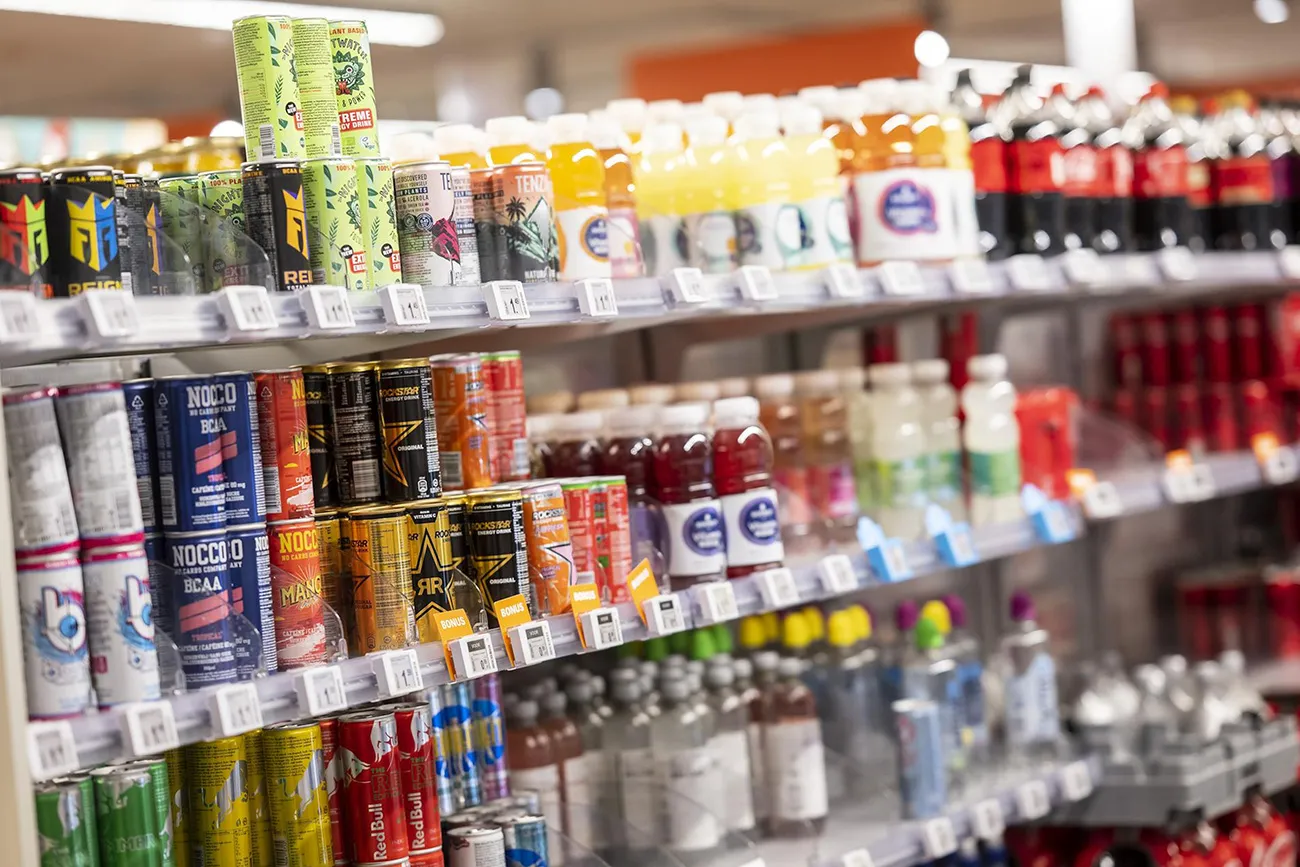
Deposit return bottles are now part of everyday life, and since 1 April 2023, deposit-bearing cans have also been introduced in the Netherlands. This means that throwing cans in the bin or onto the street now costs money. As with small plastic bottles, a 15-cent deposit is charged on all metal drinks packaging with a capacity of 3 litres or less. It is expected that the introduction of a deposit on cans will ultimately prevent 120 million (!) cans from ending up in the environment each year.
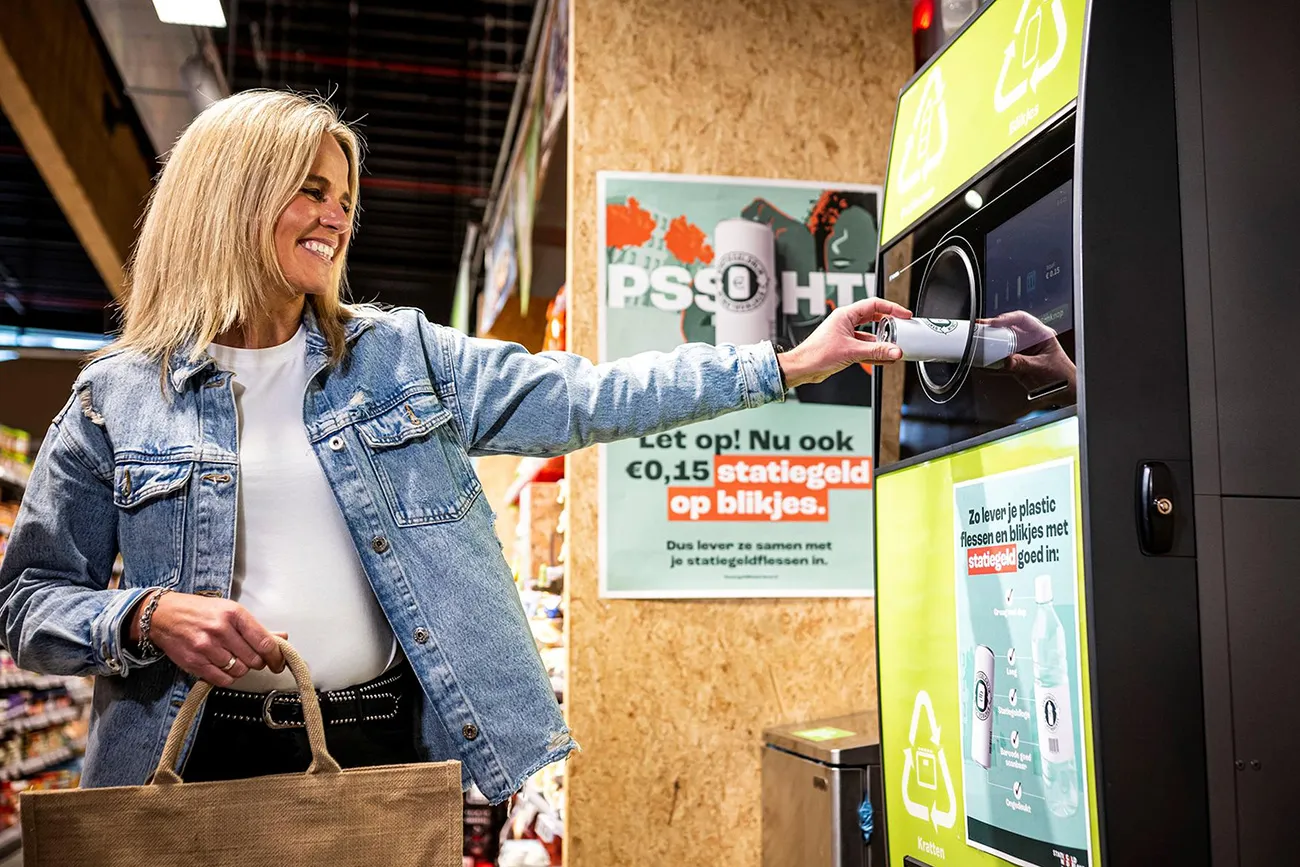
More than 600 million large plastic bottles, 900 million small plastic bottles and over 2.5 billion cans are placed on the market in the Netherlands each year. Statiegeld Nederland is responsible for the deposit return system for plastic bottles and cans, and aims to increase the use of recycled materials and reduce litter in the environment. Its goal is to collect 90% of products subject to a deposit, thereby helping to make the Netherlands cleaner.
Tackling litter
Around 2.5 billion cans are placed on the market in the Netherlands each year. By far the majority are made of aluminium. According to Milieu Centraal, around 150 million cans end up as litter each year: empty drinks cans, for example beer and soft drinks cans, left by the roadside, in ditches or in parks. This litter causes a nuisance, attracts vermin, damages the natural environment and incurs high clean-up costs. It is also a waste, because cans can be recycled effectively. This saves virgin materials and is better for the climate. A steel can takes between one and a half and 500 years to decompose in the natural environment. An aluminium can takes more than 50 years, according to Milieu Centraal. As metal packaging sometimes has a coating, such as a layer of plastic and ink on the outside, these materials also end up in the environment. Aluminium can also get caught in a mowing machine, producing very sharp fragments that can injure animals.
Do not crush
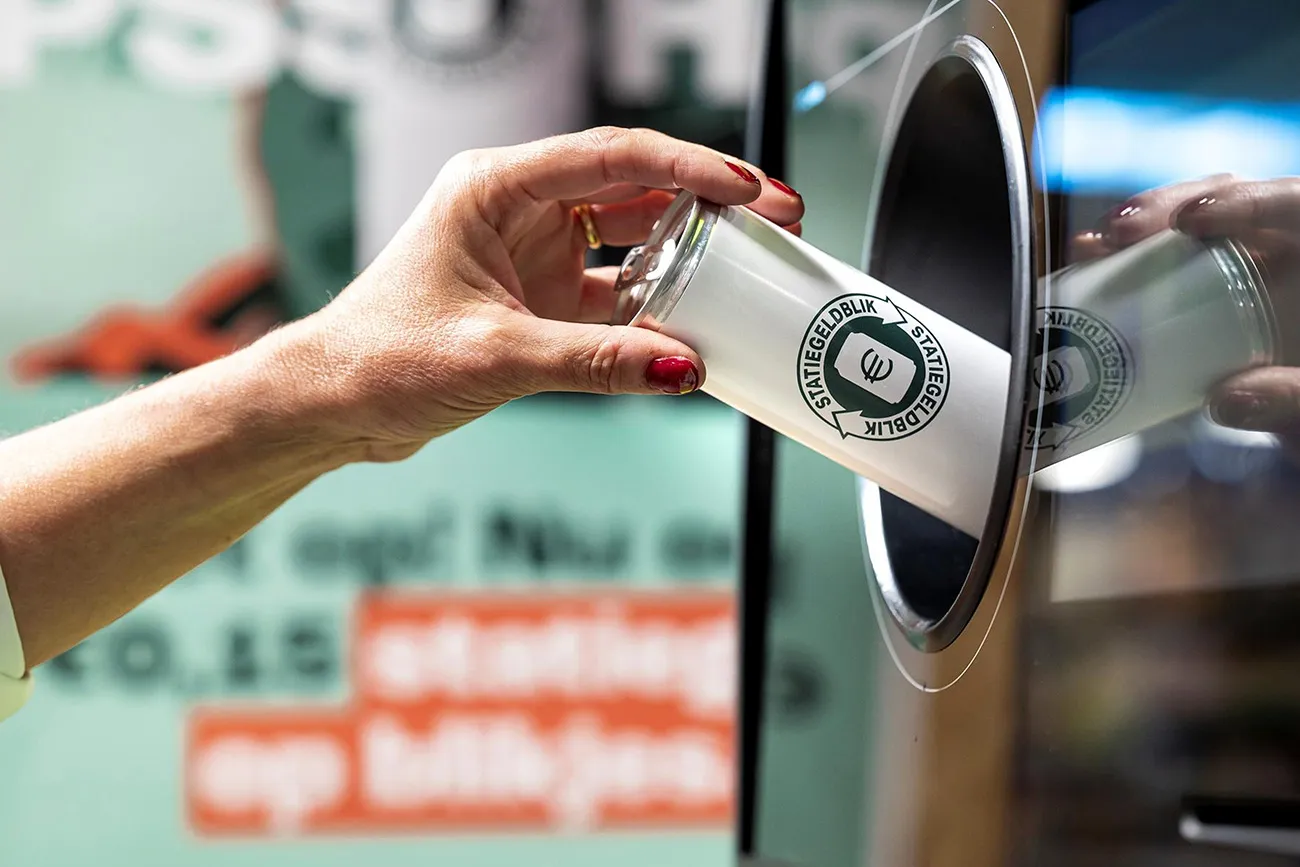
Drinks cans are collected in the same way as deposit-bearing plastic bottles. Consumers can return their empty cans, just like bottles, at around 5,000 supermarkets. They can use the same machines as for returning bottles. There are also around 22,000 other collection points, including staffed petrol stations, NS stations, cinemas and sports clubs. Supermarkets larger than 200 m2 and staffed motorway service stations pay out the deposit. Other locations can choose whether to refund the deposit or donate it to a recognised charity. There are, however, a few requirements for returns. The barcode must be clearly legible, and machines will not accept a dented can.
The Netherlands is not the first country to introduce a deposit on cans. Germany has had a deposit system for cans for years. Statistics show that it is highly effective in tackling litter. Denmark and other Scandinavian countries have also had deposit systems for cans for years. Experts expect between 80 and 95% of cans to be returned under the deposit system. The amount of can litter will fall by 70 to 90%, equivalent to around 120 million cans a year.
Question about this story? Ask your question
Keep following this
Get an email when a new story is published. No account needed.
- ThemeMaking plastics and packaging circular
- SubjectNews







