












Cutting CO2 emissions to make the planet liveable
Text Els GoethalsImage Veolia
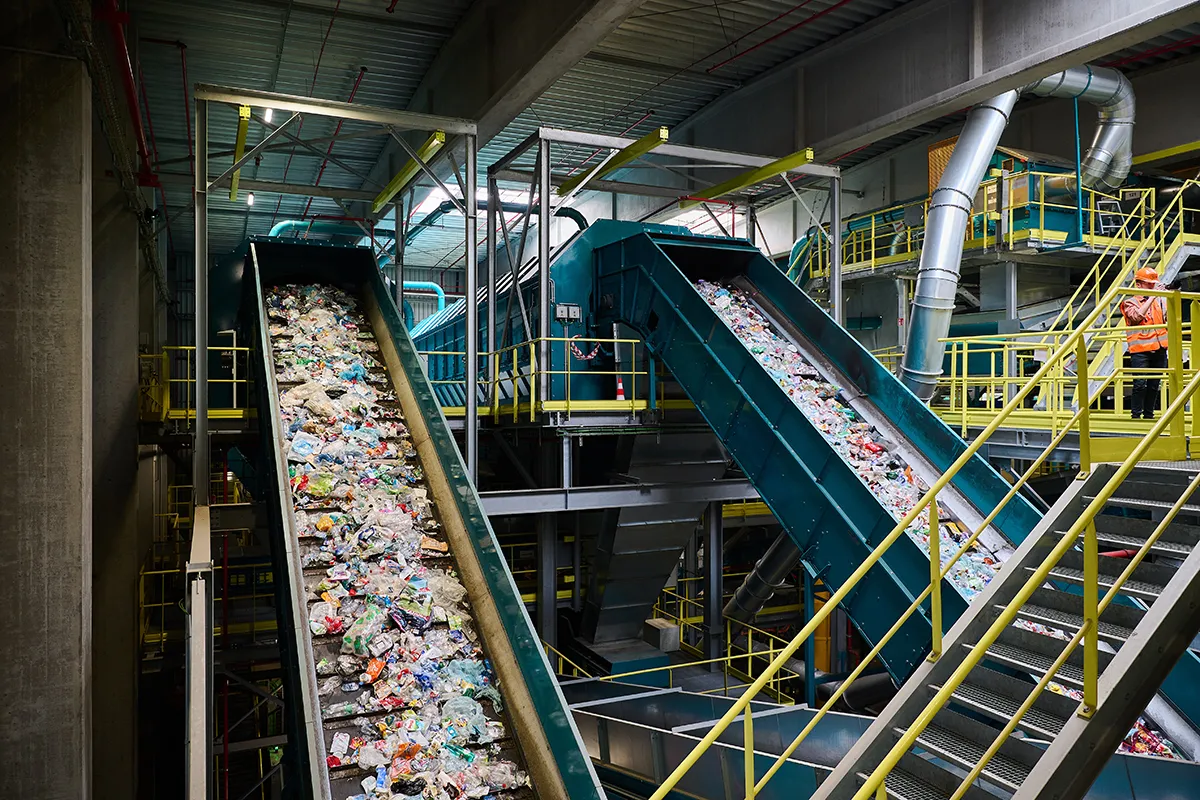
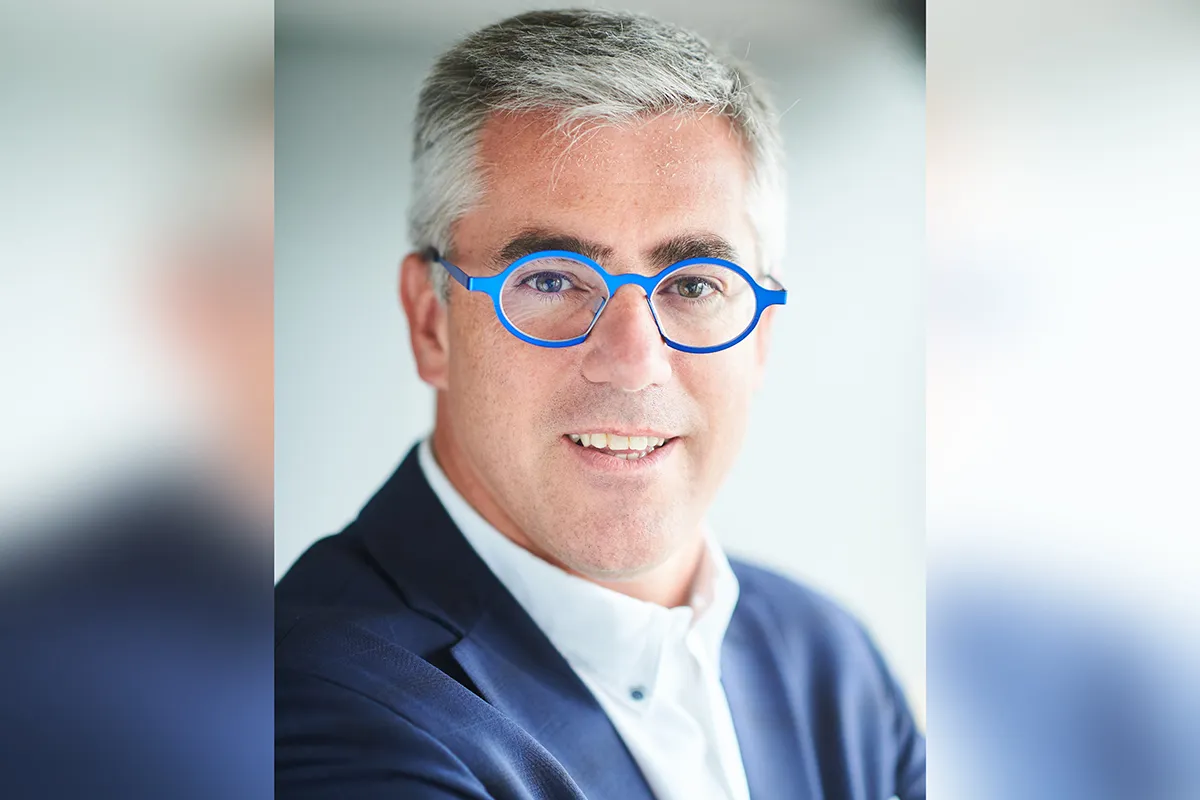
Veolia BeLux offers its public- and private-sector customers a comprehensive range of environmental solutions in water, waste and energy. As part of its ‘GreenUp’ strategy, this subsidiary of the Veolia group is focusing on innovation, process optimisation and state-of-the-art technologies to further improve waste sorting and recycling. For this anniversary edition, Philippe Tychon, COO of Veolia BeLux, outlines their transition within the transition.
Tychon has been active in Belgium’s waste and recycling sector for more than 25 years: “My arrival in the world of recycling was almost predestined. I have a strong affinity for fields that put the synergy between processes, human capital and technology first. Recycling is an excellent example of this.”
Working towards a sustainable environment, every day!
“Resource scarcity and increasing pollution are making the transition to a more circular economy ever more urgent. To turn the ecological transformation into reality and accelerate it, Veolia recently launched a new strategic plan: GreenUp.” GreenUp focuses on three core missions:
- Everything starts with preventing and reducing waste, with particular attention to the treatment of hazardous residues or by-products;
- Veolia’s ongoing commitment to preserving and regenerating natural resources through recycling and the production of secondary raw materials;
- Decarbonising both its own recycling and production processes and those of its customers by providing the necessary support.
How has the sector evolved over the past ten years?
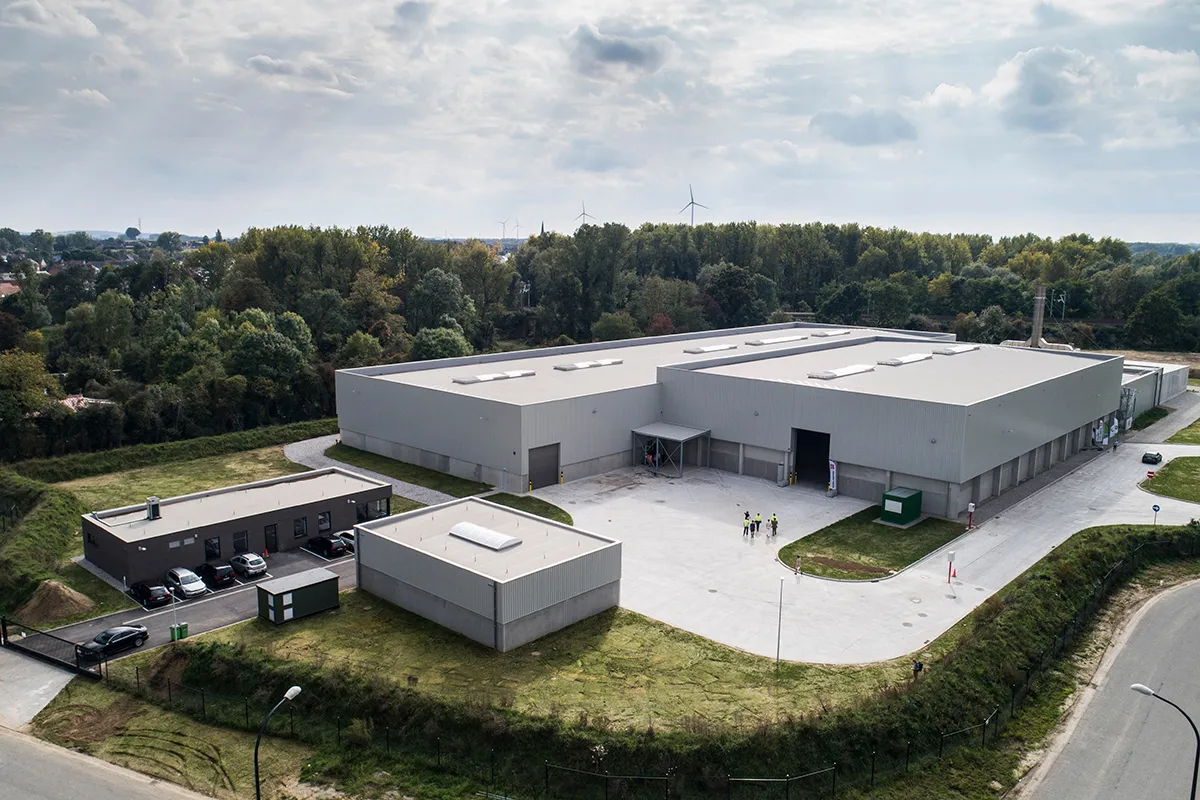
“I have certainly seen a major transition. First, there was a growing focus on source separation, which led to an increase in the number of separately collected waste streams in all three regions: Flanders, Wallonia and the Brussels-Capital Region. New laws and regulations set this process in motion, albeit at different speeds and with regional variations, even though they all started from the same European framework… A second step was quickly followed by a third. Initially, the shift was from landfill to energy recovery plants, with the focus mainly on large volumes of residual waste. Today, as an organisation, we are increasingly specialising in innovative treatment technologies for different streams, including plastics, paper and cardboard, glass and organic waste. For example, our Val’Up PMD sorting facility in Mons produces no fewer than fifteen different fractions. And let’s not forget: we employ 4,200 people, and the impact on them is enormous too, from the different skills required to the additional safety risks.”
How has Veolia adapted to this?
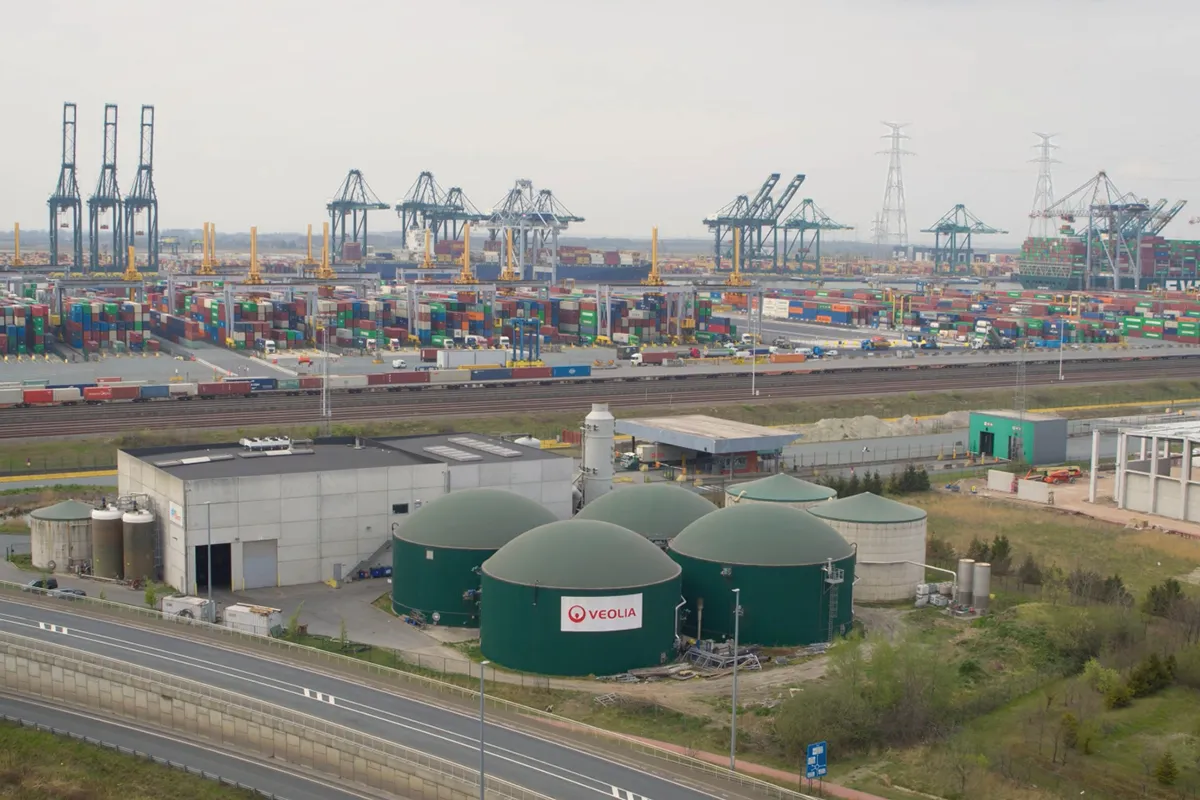
“Veolia is a key catalyst in the whole process. The growing number of waste streams has a direct impact on our logistics and transfer operations, as well as on our sorting and treatment facilities. Digitalisation, automation and process improvement were needed to manage this. The growing complexity also calls for more quality controls and training.” Veolia is moving ahead with a broad range of services and activities:
- Intelligent waste management: from audits and consultancy to the analysis of waste streams and sorting methods;
- Collection of waste and materials, taking account of the needs and constraints of each sector;
- Sorting and transfer: optimising waste streams to recover ever more materials;
- Recycling and recovery of waste, with non-recyclable waste converted into energy, which is then recovered;
- Reuse and recovery of valuable metals such as copper and gold from bottom ash. This reduces the need to extract primary raw materials and helps cut CO2 emissions;
- Using data and AI to accelerate the transition and improve efficiency.
What does the future hold?
“One of Veolia’s ambitious objectives under GreenUp is to avoid 18 million tonnes of CO2 emissions worldwide between 2024 and 2027. This target underlines our commitment to sustainability and the role we want to play in the fight against climate change,” Tychon concludes.
Question about this story? Ask your question
Keep following this
Get an email when a new story is published. No account needed.
- SubjectNews







