












Custom seals extend service life
Text Valérie CouplezImage Rubix en SKF
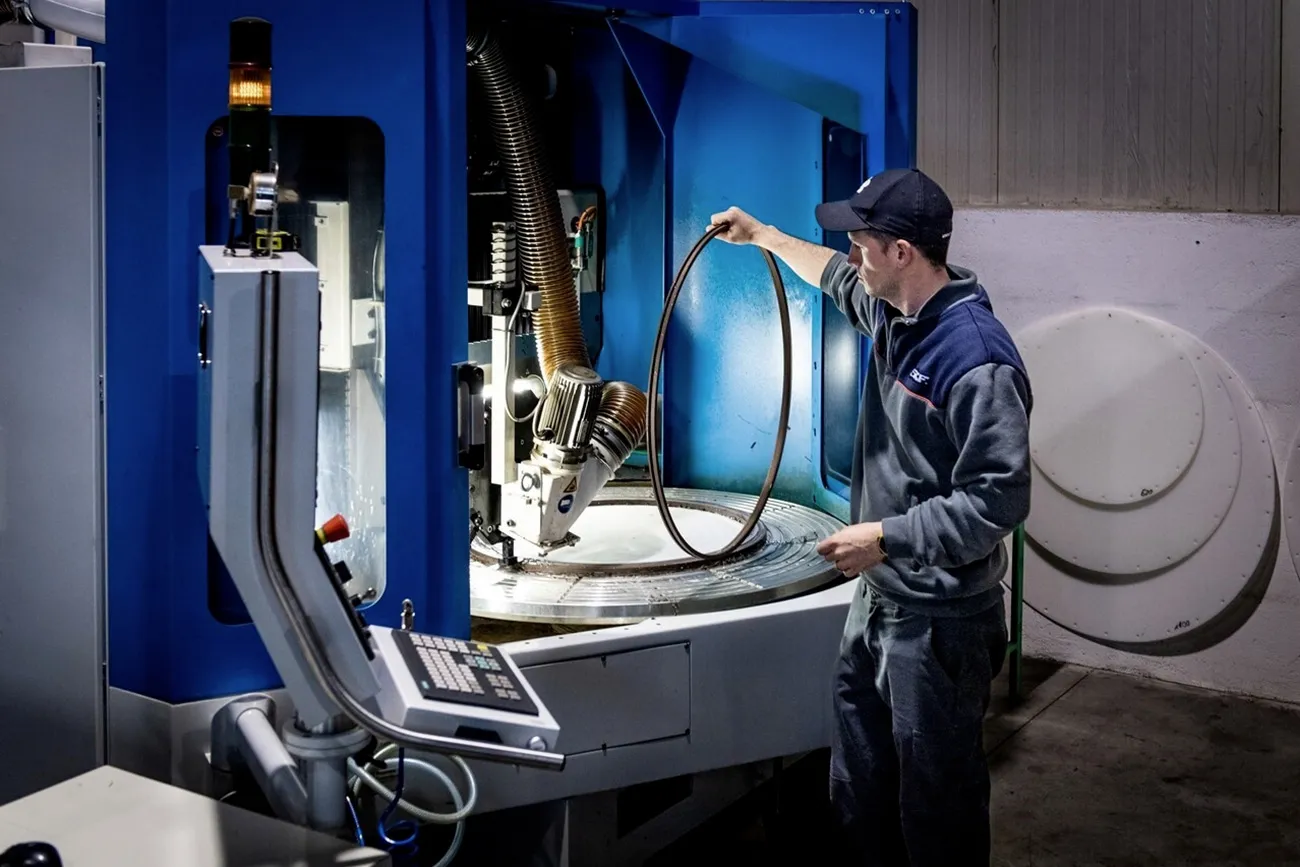
Dust, moisture, dirt and rotating parts … to put it mildly, they do not make a good combination. In the demanding applications typical of the recycling industry, the solutions provided by the machine manufacturer will not always be enough. Rubix and SKF are therefore combining their expertise to find ways to extend the service life of an application. One good example is so-called ‘machined seals’. These are made from polyurethane to fit your machine, component or shaft, allowing it to run for longer without interruption.
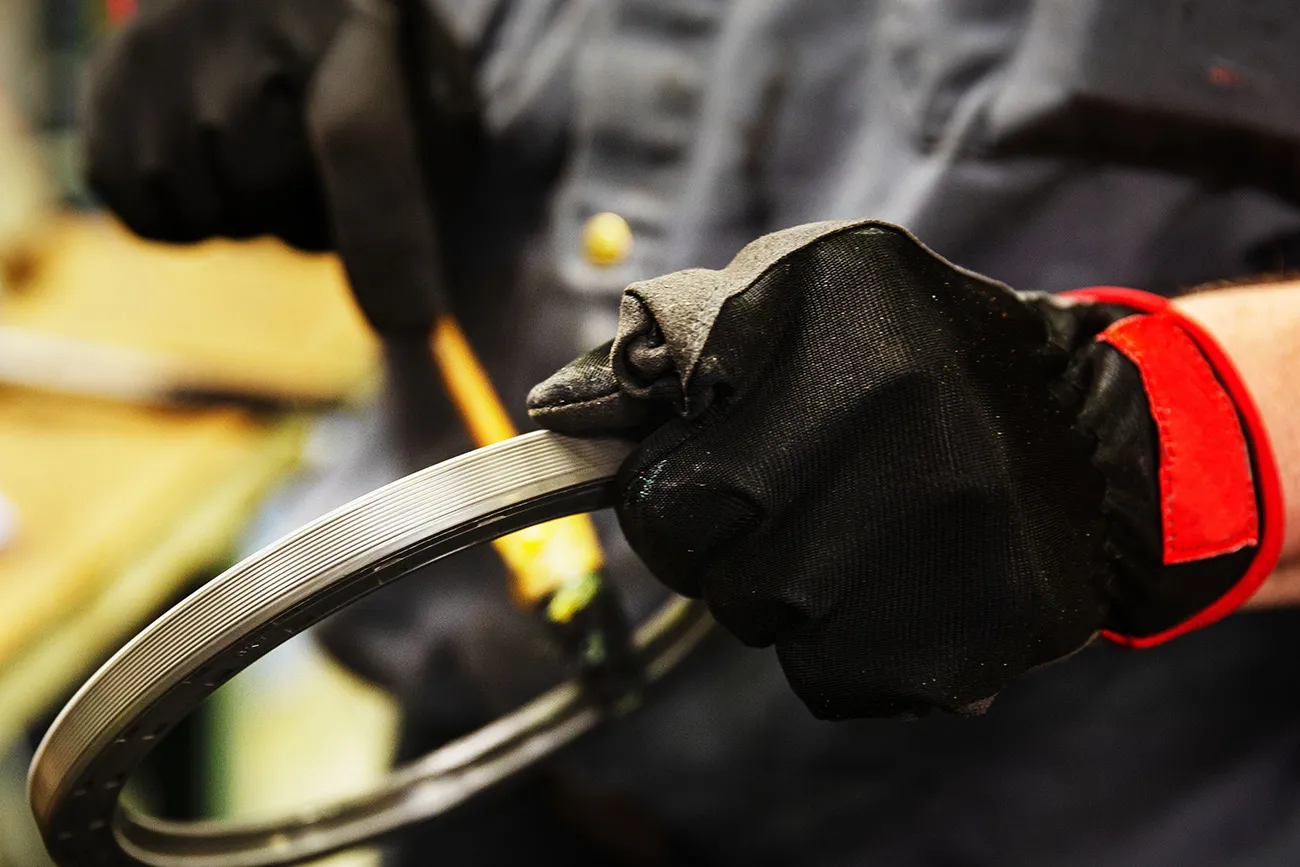
Do you know the feeling? The warranty period has just expired when your shaft seizes up completely. A common cause is dust, moisture or dirt entering the shaft as a result of wear to the sealing ring. You can replace it with the same seal, but the same failure will happen again. “Unexpected downtime is like toothache: it never comes at a convenient time. We try to support our customers by finding a solution as quickly as possible so they can get back up and running, while also investigating the root cause of the problem. That allows us to choose a more durable solution at the next maintenance shutdown,” explains Dick Van Elsen, commercial director at Rubix Competence Center Bearings & Power Transmission.
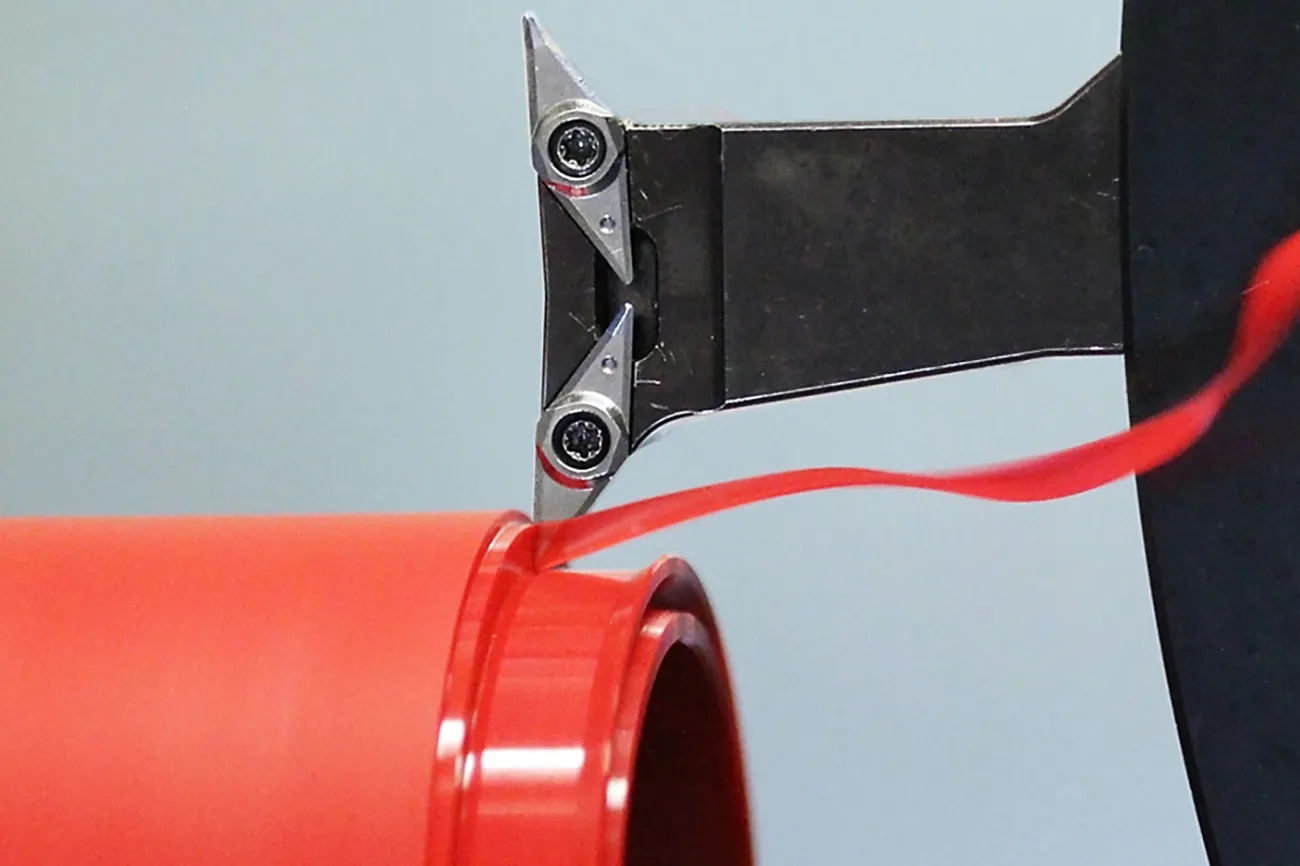
Machined seals to extend service life
The driving force behind these improvement programmes is often the aim of extending the service life of rotating parts. This does not always require major modifications. “We often see seals acting as a weak point. A small component, but one that can have a major impact,” says Dick. Geoffrey De Ram, SKF Business manager Seals Benelux, adds: “Machine and component manufacturers develop solutions that work very well for most applications. But they can sometimes fall short, particularly in the demanding environment of the recycling sector. Technological advances may also have made better alternatives possible. The main advantage of ‘machined seals’ is that they are always made to measure and do not have to be purchased in large quantities. After the necessary research and engineering work, during which all the application parameters are mapped out, the material is machined to suit the application. If the engineering work has already been completed, the seal can be with the customer in as little as four weeks.”
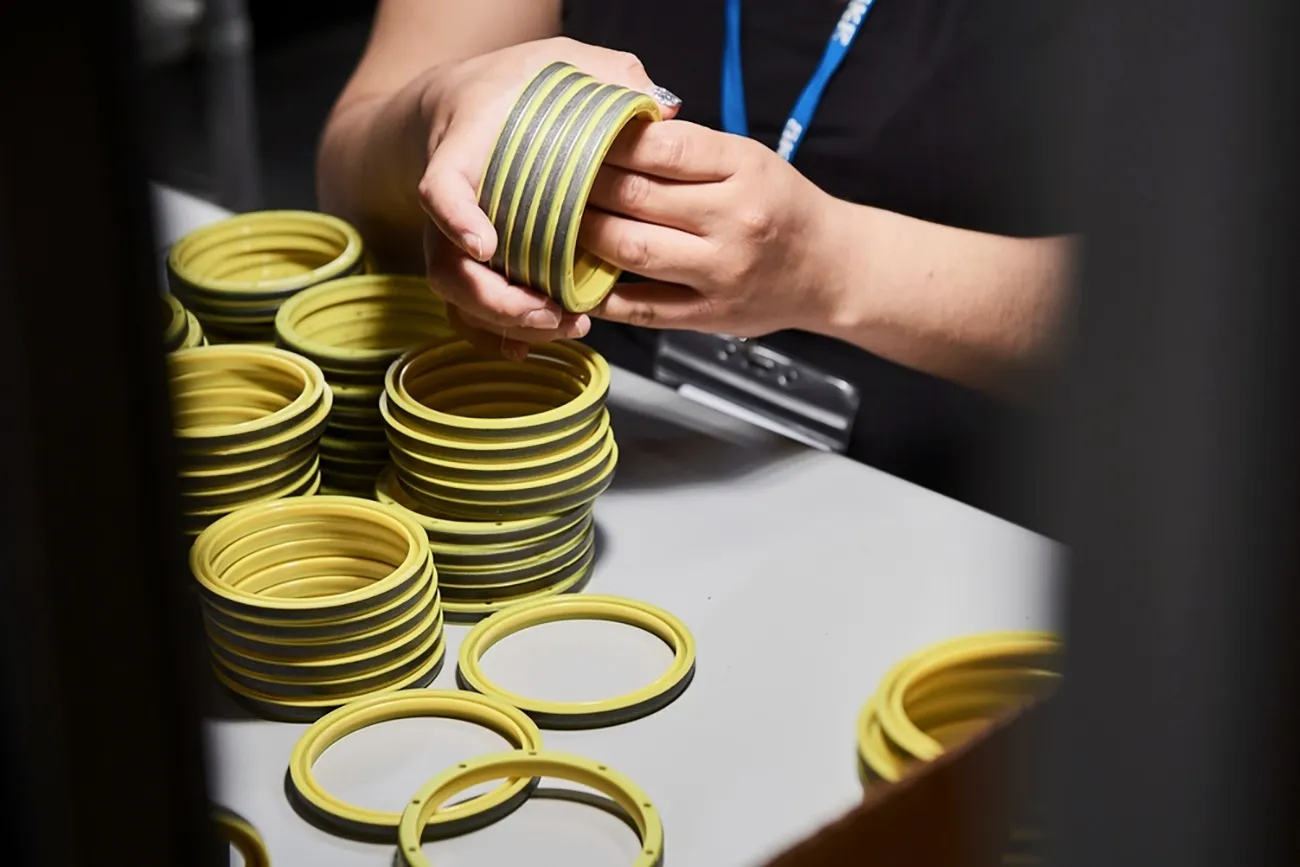
Greater wear resistance with polyurethane
The choice of material and profile design are key to this process. SKF’s team of specialists working on this service primarily recommends polyurethane. There is a good reason for this. “DIN tests have shown that its wear resistance is five times higher than that of conventional rubber. This means the material can last up to three times longer. What’s more, the polyurethane family includes many different variants, allowing the right mix of physical and chemical properties to be selected for each application,” says Geoffrey. Another key advantage of the material is that split seals can be made. “If the seal cannot be fitted around the shaft in one piece because a particular machine component cannot be dismantled, or is difficult to dismantle, we can split the sealing material and then join it back together without compromising its performance.”
Clear communication
The results that these machined seals can achieve are impressive. “We cannot predict how much longer the seal will last than the conventional solution. But we can guarantee customers that its service life will be extended. If required, we can also run calculations, for example to see how the material will behave under pressure. That is why we focus on open communication. After a thorough analysis, we clearly explain what we can do,” Geoffrey concludes.
Example from practice
A Belgian company specialising in plastics recycling launched an improvement programme using machined seals for one of its water baths. Sharp plastic flakes were causing the stuffing-box packing to wear quickly, resulting in frequent leaks. This critical component in the process needed replacing on average every three to six months. Geoffrey’s team set out to investigate a better solution. The answer was a teardrop-shaped profile, designed to keep as much dirt as possible out from the outside, preventing build-up and wear. The material chosen was S-ECOPUR, a hydrolysis-resistant polyurethane with self-lubricating properties. And the result? “We will have to wait and see. We have already delivered on our promise: more than six months have passed and the seal has not failed yet.”
Question about this story? Ask your question
Keep following this
Get an email when a new story is published. No account needed.
- SubjectNews







