












Coronavirus gives waste paper and board a boost

As Bredero said, things can change. A few years ago, after China closed its doors to imports, the waste paper and board sector was on the ropes. Prices had fallen so far because of an oversupply on the European market that several companies even went bankrupt. But since the coronavirus pandemic, the sector has bounced back.
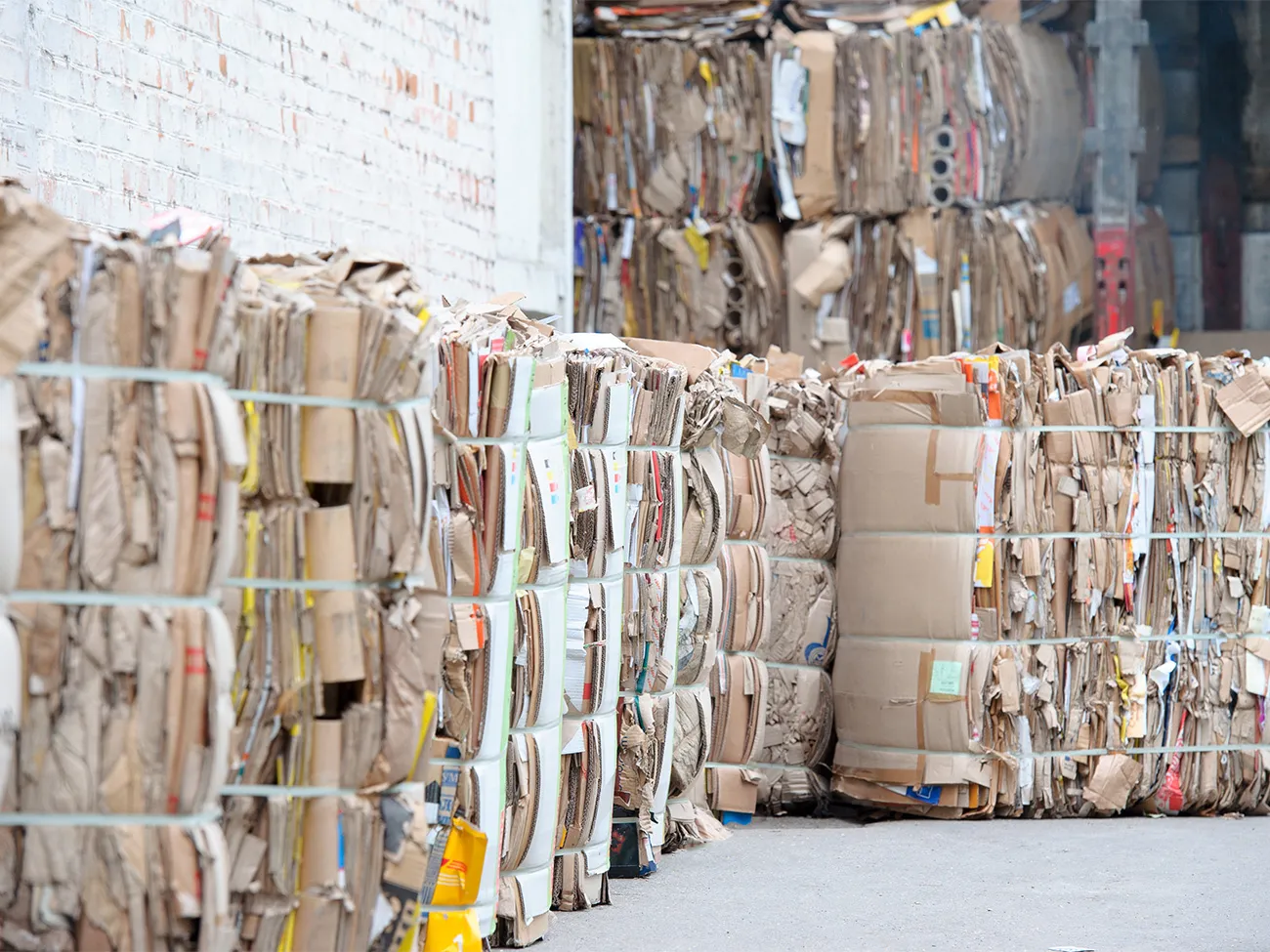
Paper prices have been at historically low levels in recent years. This was entirely due to the main raw material, waste paper and board, suddenly being available in large quantities. According to the figures, around 8 to 9 million tonnes of waste paper were collected beyond what the European paper and board industry could use. Since the pandemic, however, this trend has completely reversed. At the start of this year, board already cost 15% more. The increase has since climbed to more than 30%, taking the price above 150 euros per tonne. This is a level rarely seen before, although not everyone in the sector is feeling the impact yet, as competition is starting to intensify again. Much depends on the contracts in place and how long they run. But what has brought about this turnaround?

Fewer raw materials and lower production
One of the reasons is a reduction in supply. Lockdown prompted several European regions to suspend paper collection to protect the health of workers. This was the case in France and the United Kingdom, among other places. This allowed collectors to focus on residual waste. Not only did the supply of waste paper and board fall, its composition also changed. The share of newspapers and brochures continues to decline, while the amount of packaging material and board in the mix is increasing. These contain lower-quality fibres, which affect the production process. Less collected paper means fewer raw materials for making new paper and board. Collectors were not the only ones with less work to do: paper mills also ran at reduced capacity during the pandemic.
Rising demand and prices
At the same time, demand for paper and board surged. This, too, can be traced back to lockdown, when consumers discovered e-commerce en masse. Most orders are shipped to customers in cardboard boxes. There was also a rush on products such as tissues and toilet paper. Fewer raw materials and higher demand led to a shortage on the market. Egg producers, for example, temporarily switched to plastic packaging for their products. The reason? No board was available. The shortage also pushed prices for waste paper and board higher. This was good news for the sector, which returned to the levels seen in 2016 and 2017, before China restricted imports of waste paper and board.
When will the market rebalance?
When will this bidding war and the price rises come to an end? The expectation is that they may continue for a while yet, as long as supply and demand remain out of balance. This is not limited to paper. Raw materials such as wood and aluminium, as well as chips, are also currently affected by shortages and price rises. But supply will continue to recover in the coming months. The market should stabilise again at some point in 2022.
Question about this story? Ask your question
Keep following this
Get an email when a new story is published. No account needed.
- ThemeMaking use of textiles and other waste streams
- SubjectNews







