












Construction begins on large-scale sludge treatment plant in Port of Ghent
Text and images Indaver
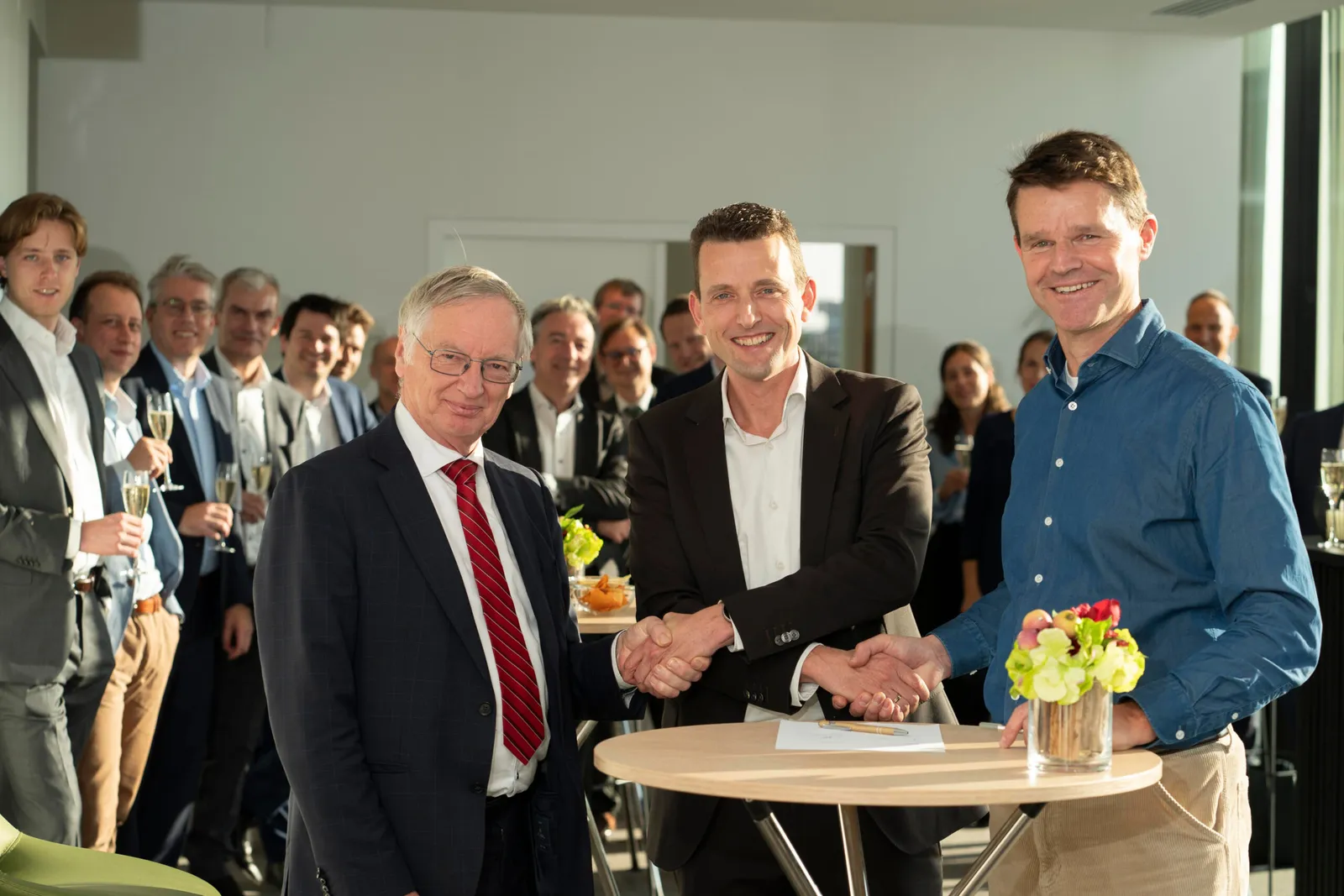
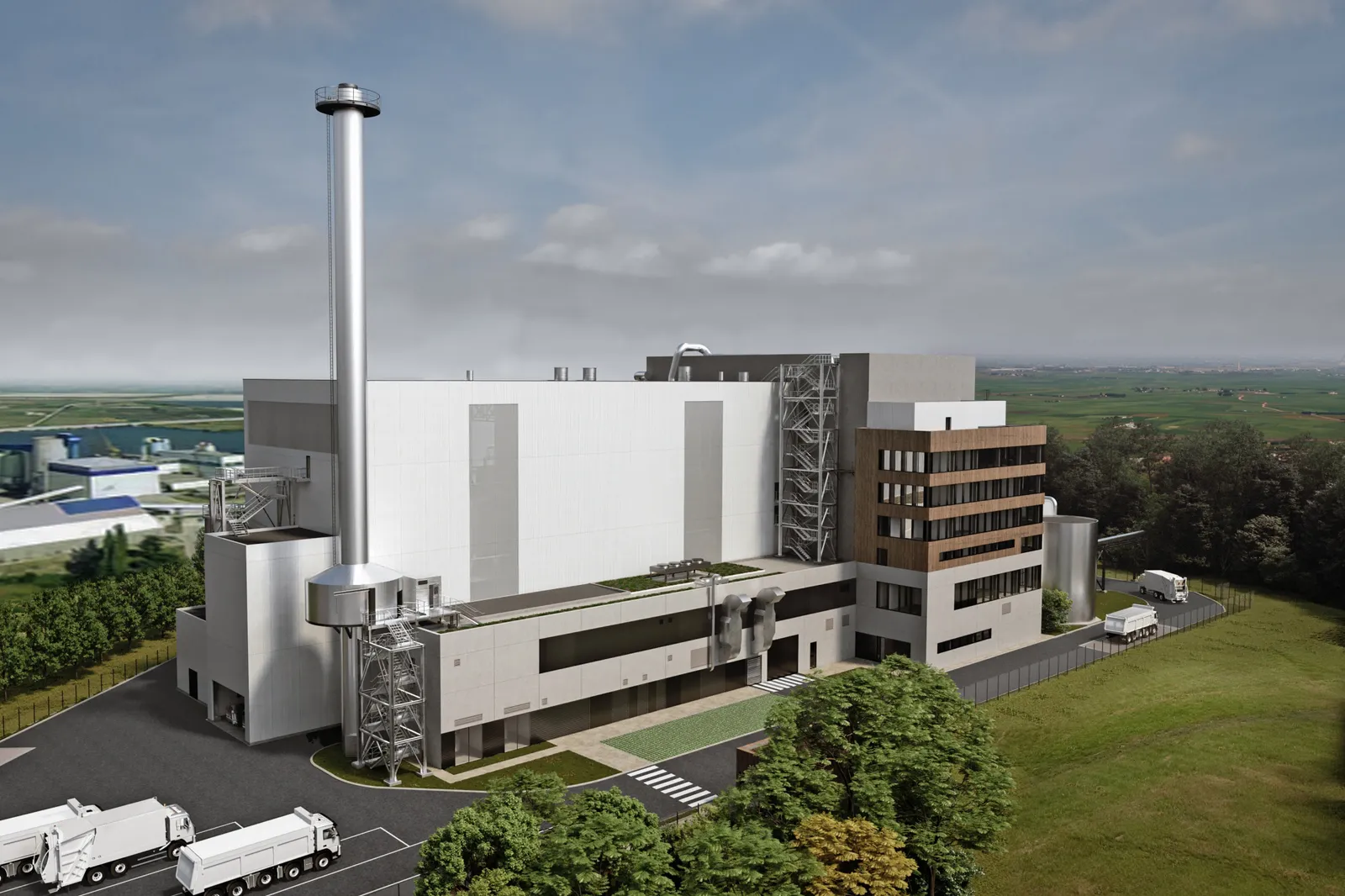
From 2027, a new, state-of-the-art installation by water treatment company Aquafin at the ArcelorMittal Belgium site in the Port of Ghent will recover energy from the wastewater of 4 million people for reuse on site. Aquafin entrusted the design, construction, financing, operation and maintenance of the installation to the BESIX-Indaver consortium. FOSTER, the Special Purpose Vehicle (SPV) set up by Indaver and BESIX for this project, has now completed financing in full and construction has begun. The work is expected to take just over two years.
Aquafin treats the domestic wastewater of 86% of the population in Flanders at 328 wastewater treatment plants. Micro-organisms carry out the treatment process, growing continuously as they do so. The resulting biomass, which must be processed, contains significant potential for energy and raw materials. Aquafin has been producing green energy and biomethane for some time from biogas generated by the digestion of biomass. Through its ‘road to zero carbon’ plan, the company aims to move towards climate neutrality in its own operations. The sludge mono-incineration plant will make a significant contribution to this goal, with a negative global warming impact of 28,000 tonnes of CO2-eq. In addition, sludge is not processed together with other materials in a mono-incineration plant, allowing energy and raw materials to be recovered to the greatest possible extent.
From design through to operation
This DBFMO (design-build-finance-maintenance-operation) contract was awarded to FOSTER, which will be responsible for operation until 2046. With the environmental permit granted and financing completed for this project, which has an investment cost of approximately 200 million euros, construction could begin. Paul De Bruycker, CEO of Indaver: “This sludge treatment plant offers a unique opportunity to strengthen our commitment to the circular economy. We have extensive experience in building and operating thermal treatment plants and establishing steam and heat networks. We will put this expertise to work at the FOSTER plant in Ghent. By processing the sludge of 4 million people together with our partners Aquafin and BESIX, we can not only recover energy, but also enable the recovery of valuable raw materials such as phosphorus in the longer term. This fits perfectly with our mission to create maximum value from waste and close loops to a high standard.”
Location selected to minimise CO2 impact
Aquafin selected the site of steel producer ArcelorMittal Belgium in the Port of Ghent for its new sludge mono-incineration plant. “We based our decision on a model that showed the CO2 impact of transporting all sludge in Flanders to each potential location. Naturally, we want to minimise the distance our sludge has to travel to its final destination,” explains Jan Goossens, CEO of Aquafin. “The potential to put the energy produced to good use was also important, with a view to optimising the system for Flanders. The Port of Ghent’s ambition to become CO2-neutral by 2050 was another compelling factor.” ArcelorMittal Belgium is granting Aquafin a building right on the site and will take all the steam produced by sludge treatment as additional feed for its internal steam network. In this way, the installation will also contribute to the steel producer’s sustainability strategy.
Phosphorus recovery also planned
From 2027, the sludge mono-incineration plant will provide the final treatment stage for two thirds of the sludge generated by the treatment of domestic wastewater in Flanders. In a subsequent phase, Aquafin plans to use the installation to start recovering phosphorus at full scale from the fly ash produced by sludge treatment. Phosphorus is an essential building block for all life. In modern agriculture, it is used in the form of phosphate in fertilisers. It enters wastewater through human urine and from there passes into treatment sludge. By choosing mono-incineration for the sludge, phosphorus can be recovered more effectively. This will make Flanders less dependent on mining abroad.
Question about this story? Ask your question
Keep following this
Get an email when a new story is published. No account needed.
- SubjectNews







