












Concrete gets a genuine second life more often
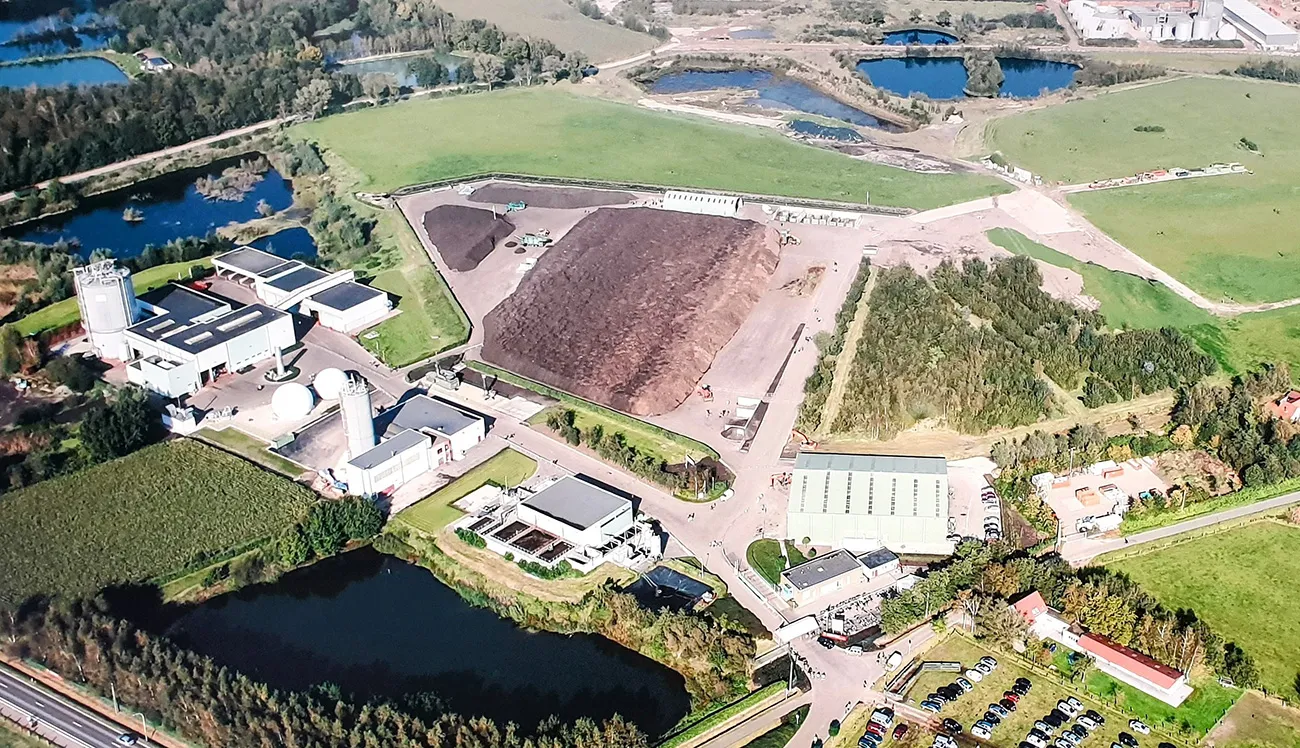
Around a quarter of Europe’s waste streams consist of concrete. Although concrete rubble is increasingly being recycled, it is worth asking whether using aggregate beneath roads is really sustainable and circular. It is no coincidence that, as of this year, tenders must specify the use of sustainable concrete. But what exactly is sustainable concrete? And how can it be reused sustainably?
Increasingly effective methods for turning concrete rubble into circular raw materials
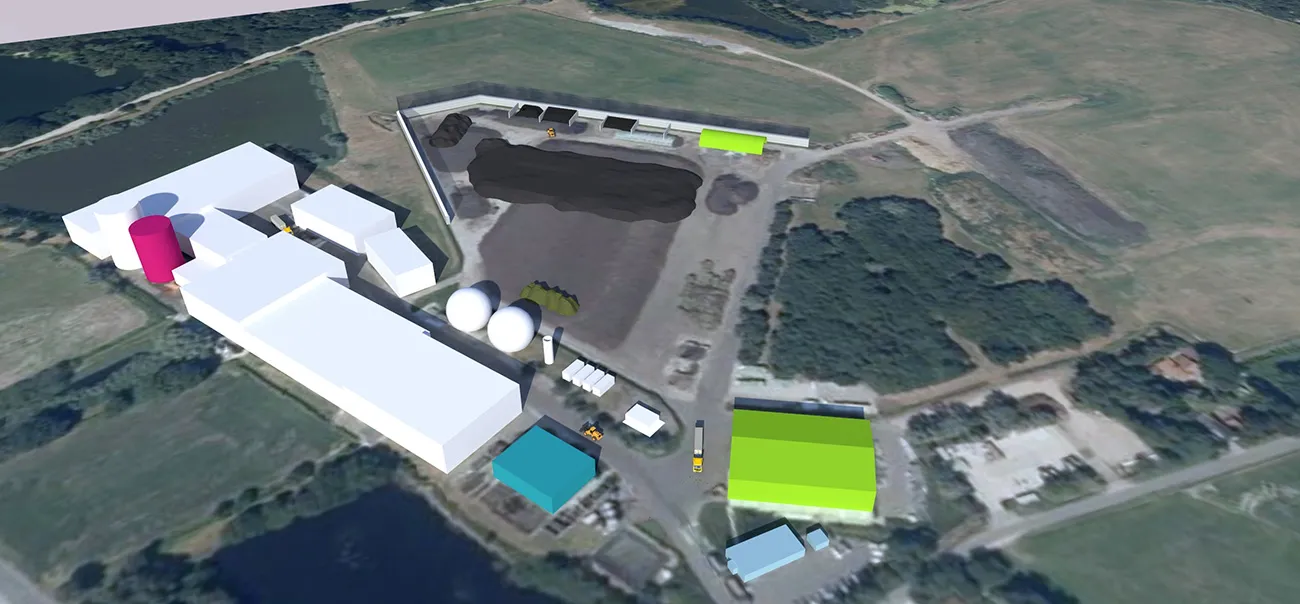
In recent years, there has been growing interest in finding ways to reuse concrete rubble in sustainable applications. One way to reuse this material is to recycle it for new construction projects. Recycled concrete can be an economically viable option for many construction projects, as it costs less than new material while, when used correctly, retaining its strength and durability. It also helps reduce the amount of waste sent to landfill and the need to extract new materials.
Another possible use for recycled concrete is in green infrastructure, such as permeable pavements, rainwater retention basins, erosion-control structures and other facilities that improve environmental health and reduce the risk of flooding during heavy rainfall. These kinds of projects are becoming increasingly popular as cities look for ways to become more resilient to extreme weather events, such as flooding and drought caused by climate change.
New concrete
But how can concrete waste be turned back into high-quality raw materials that can be used immediately to make new concrete? In collaboration with Strukton and GBN Groep, TU Delft developed C2CA (Concrete to Cement and Aggregates). After a building is demolished, the concrete waste is fed into an innovative machine, the Advanced Dry Recovery (ADR). The rumbling ADR separates the waste into two streams. One is a clean gravel stream that can be used directly in new concrete. The other is processed further using the Heating-air classification system (HAS), which separates the sand and cement. These three materials, gravel, sand and cement, can be fed straight into the concrete mixer to begin a new life and close the raw-material cycle.
ADR and HAS have made new recycling methods possible. The next step was to see how these processes could also be carried out on site. This led to the development of the mobile recycling station Circuton, which, following a number of improvements since its launch in 2018, is now being tested in practice. C2CA Technology’s technology can recycle existing concrete portals and foundations into 100% circular concrete.
Smart Liberator
There are other initiatives, too. De Rutte Groep developed the Smart Liberator in collaboration with New Horizon Urban Mining. This innovative concrete crusher, unlike conventional large-scale concrete crushers, gently rubs and turns the cement stone away from concrete rubble. In a sense, it “liberates” it as reusable cement. This, in turn, is a major step towards a circular demolition and construction industry. Recycling concrete from buildings that is essentially still usable and turning it into nothing more than road sub-base will ultimately become a thing of the past.
Alongside the reuse and recycling of concrete rubble, entire concrete structures are also being reused more frequently. One good example is the SBIR consortium ‘Combinatie Liggers 2.0’. The consortium comprises Royal HaskoningDHV, Vlasman, Dura Vermeer and Haitsma Beton. Project manager Gert-Jan van Eck says: “Our consortium is committed to reuse, specifically of beams. Precast beams are designed to last 100 years. The quality of the concrete is excellent because it is precast in a factory, and its strength only increases over time. In that light, it is actually surprising that we have not reused beams before.”
Question about this story? Ask your question
Keep following this
Get an email when a new story is published. No account needed.
- SubjectNews







