












Coating additives: the key to success in packaging
Text Ferdi den BakkerImage Van Meeuwen Additives
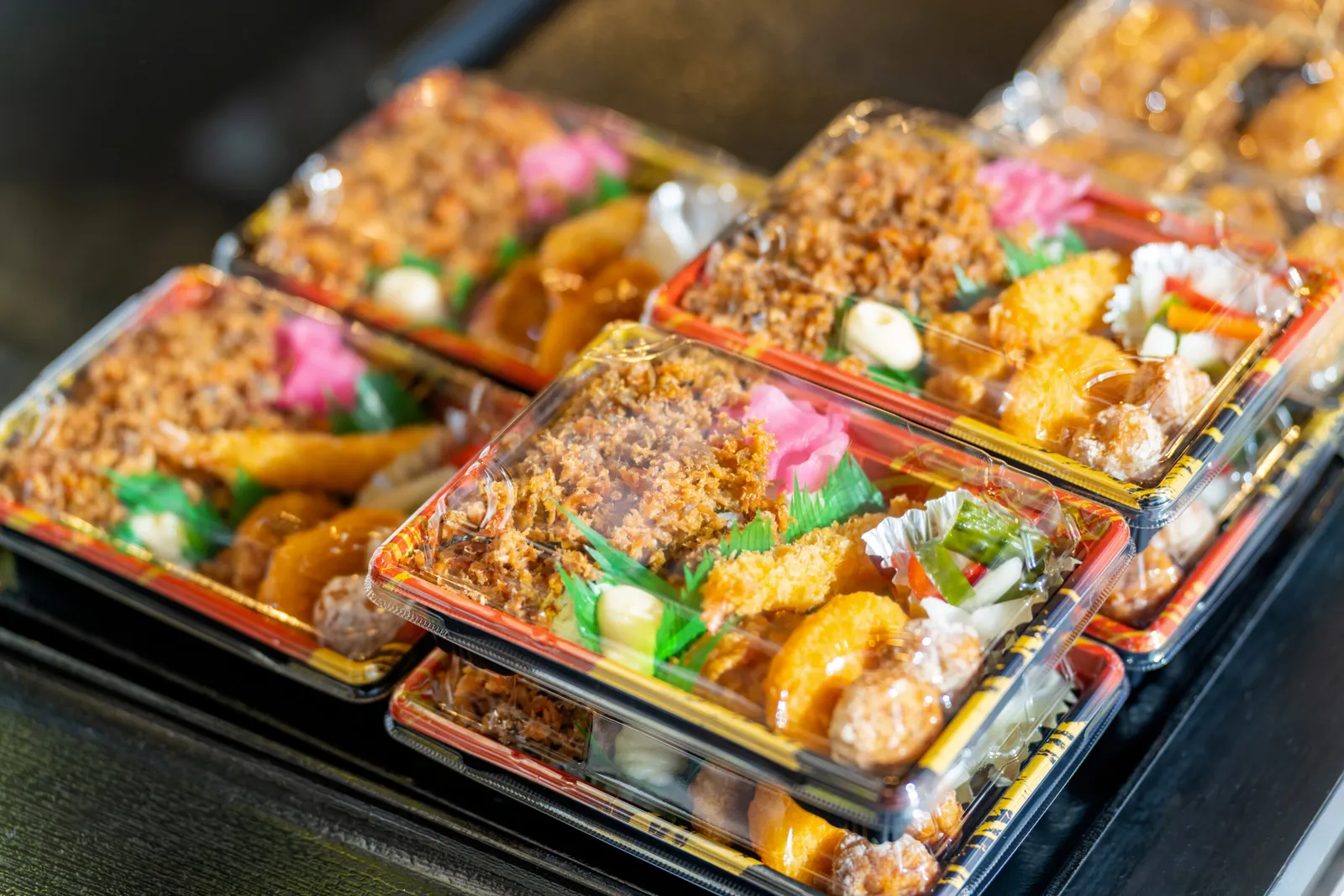
Coating additives can make a world of difference in the packaging industry. “Broadly speaking, we supply three solutions: additives that provide anti-block, anti-condensation and anti-static properties,” says Robert Huizenga, Technical Director at Van Meeuwen Additives. “A small amount of additive can quickly make a big difference in production or retail.”
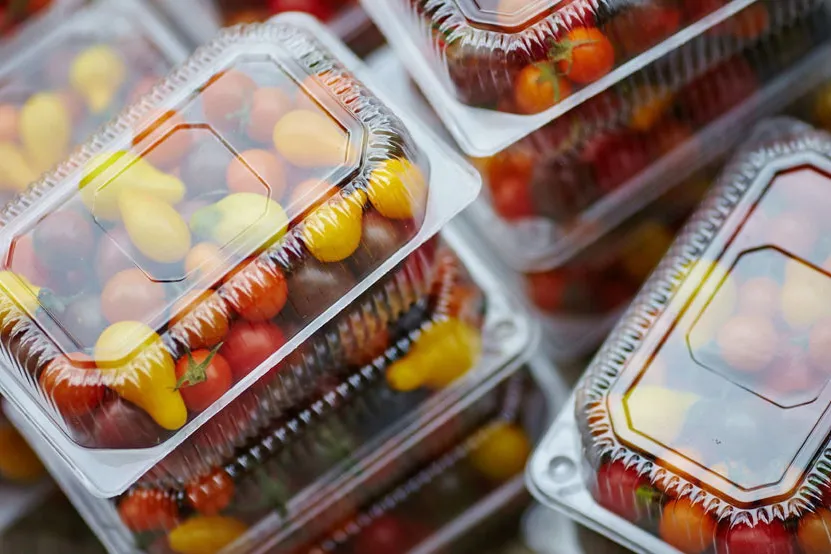
The food sector is a major consumer of packaging additives, but many other sectors also benefit from them. This includes industries that use packaging and where recyclability is playing an increasingly important role. Even so, the food sector stands out, particularly the supermarket industry. Huizenga says: “Anti-condensation and anti-block additives are widely used in this sector. Anti-condensation additives prevent premium packaging from misting up, such as packaging for sushi and salads. Packaged products remain clearly visible. Anti-block additives make it easy to separate trays during production.”
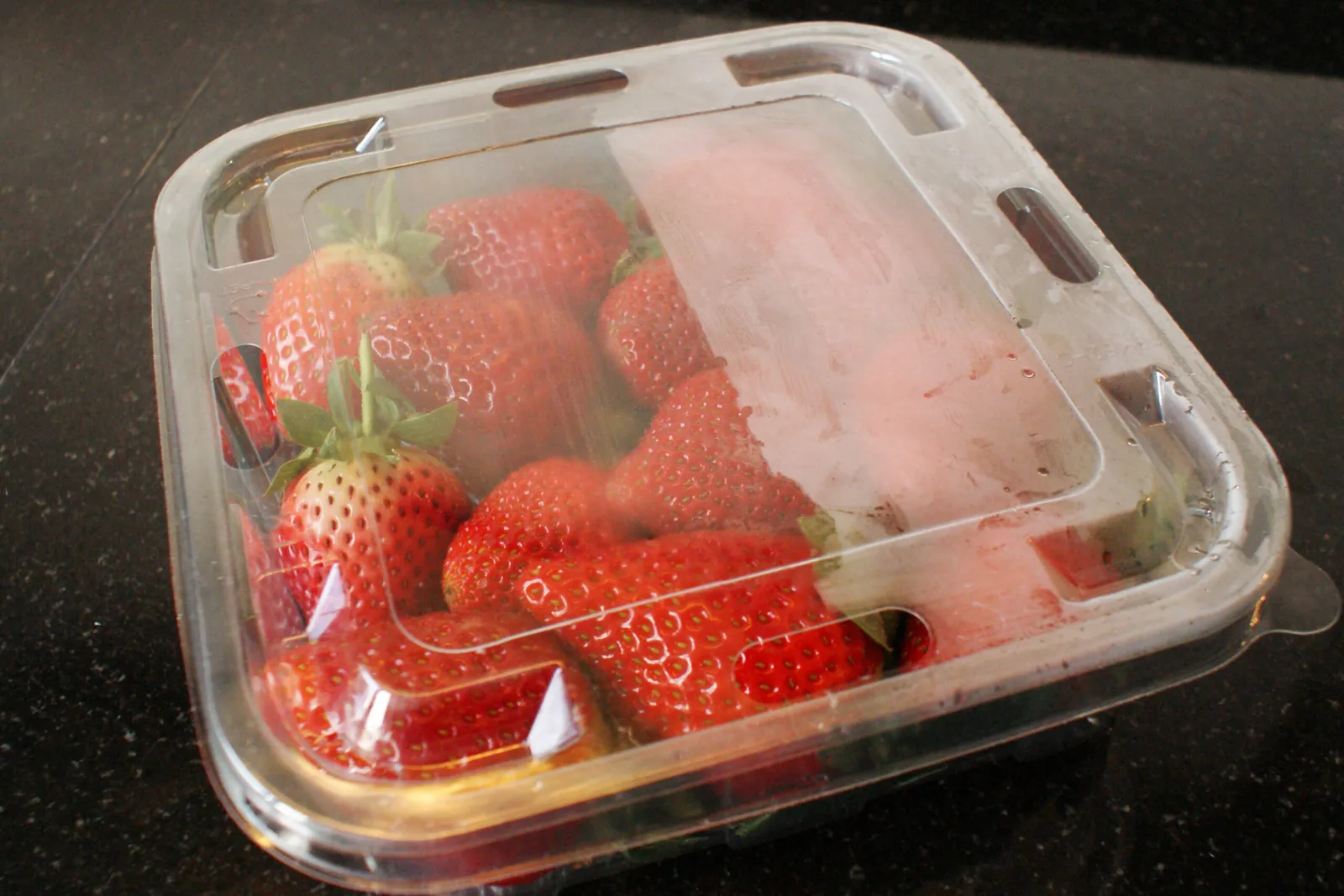
Anti-block, anti-slip and anti-static
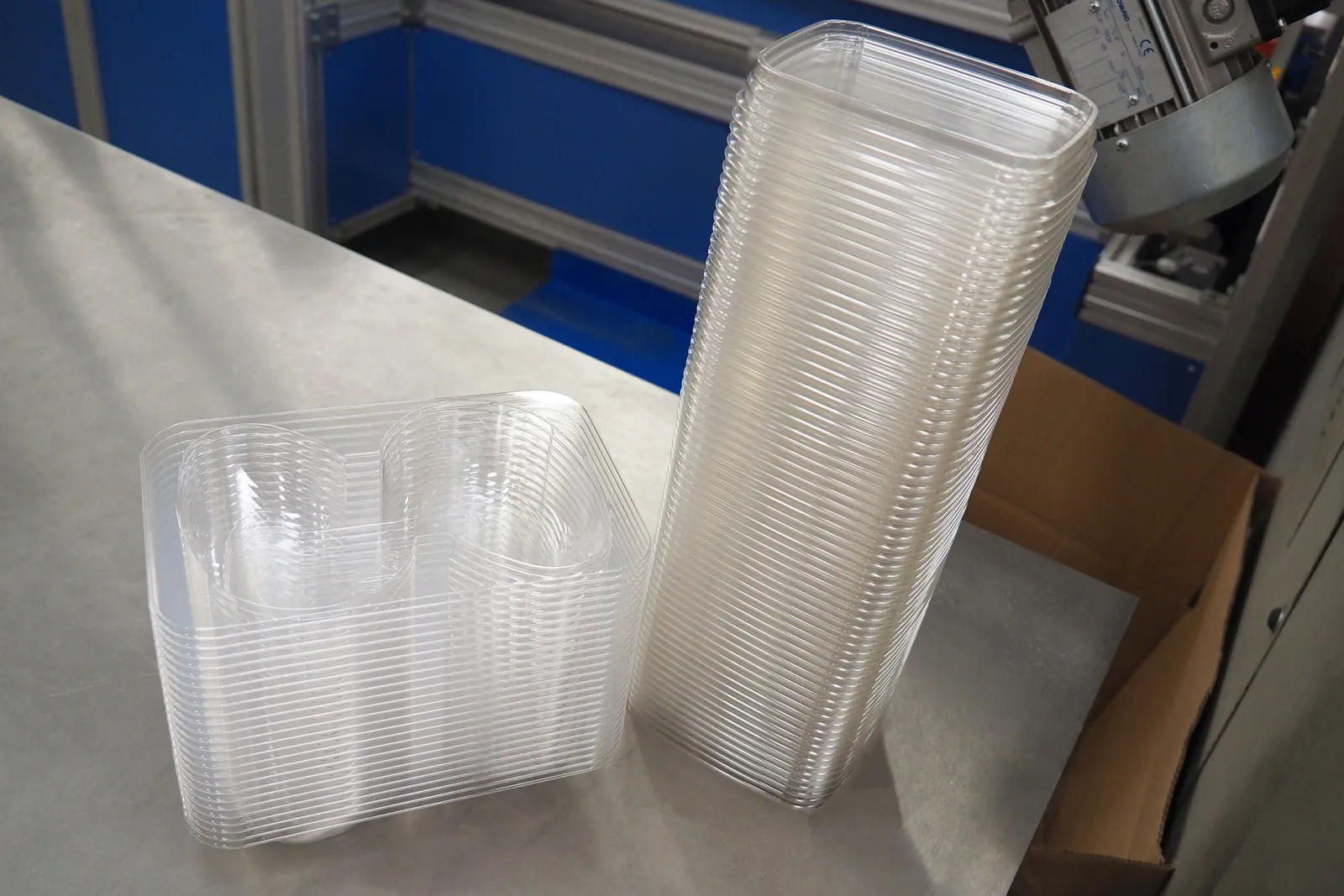
Manufacturers are increasingly focused on additives that provide anti-block, anti-slip or denesting properties. “By applying additives to packaging, manufacturers ensure that packages formed on the filling line can be separated quickly. These processes are largely automated, and if the slip is not right, blocking can occur. In applications using PET, anti-block is even a requirement: PET has above-average friction and resistance.” Anti-static additives are used, among other applications, when manufacturers package electronic chips in anti-blister packaging. “This is a critical sector, because the additives need to provide a specific surface resistance.”
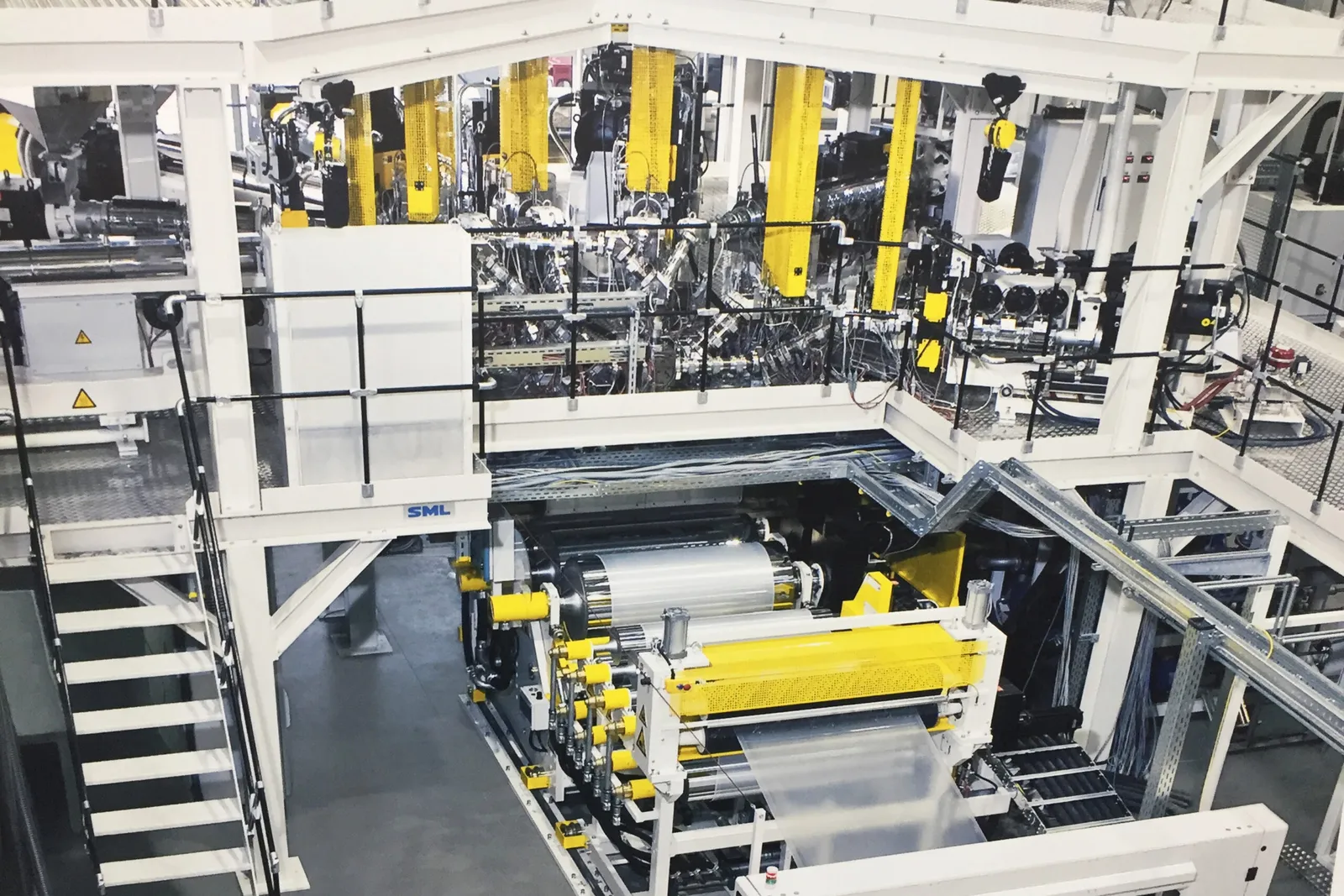
Lids made from BOPET film
Legislation is driving major changes in packaging additives, forcing manufacturers to make important choices. “The use of lids on packaging is declining sharply. Think of salads or trays of olives and sausages, three of which you can buy for five euros.” Top seal is replacing lids, for example in the form of BOPET film. “That is also polyester, but it reduces the amount of plastic by 30%. The trend is towards using as much of the same material as possible.”
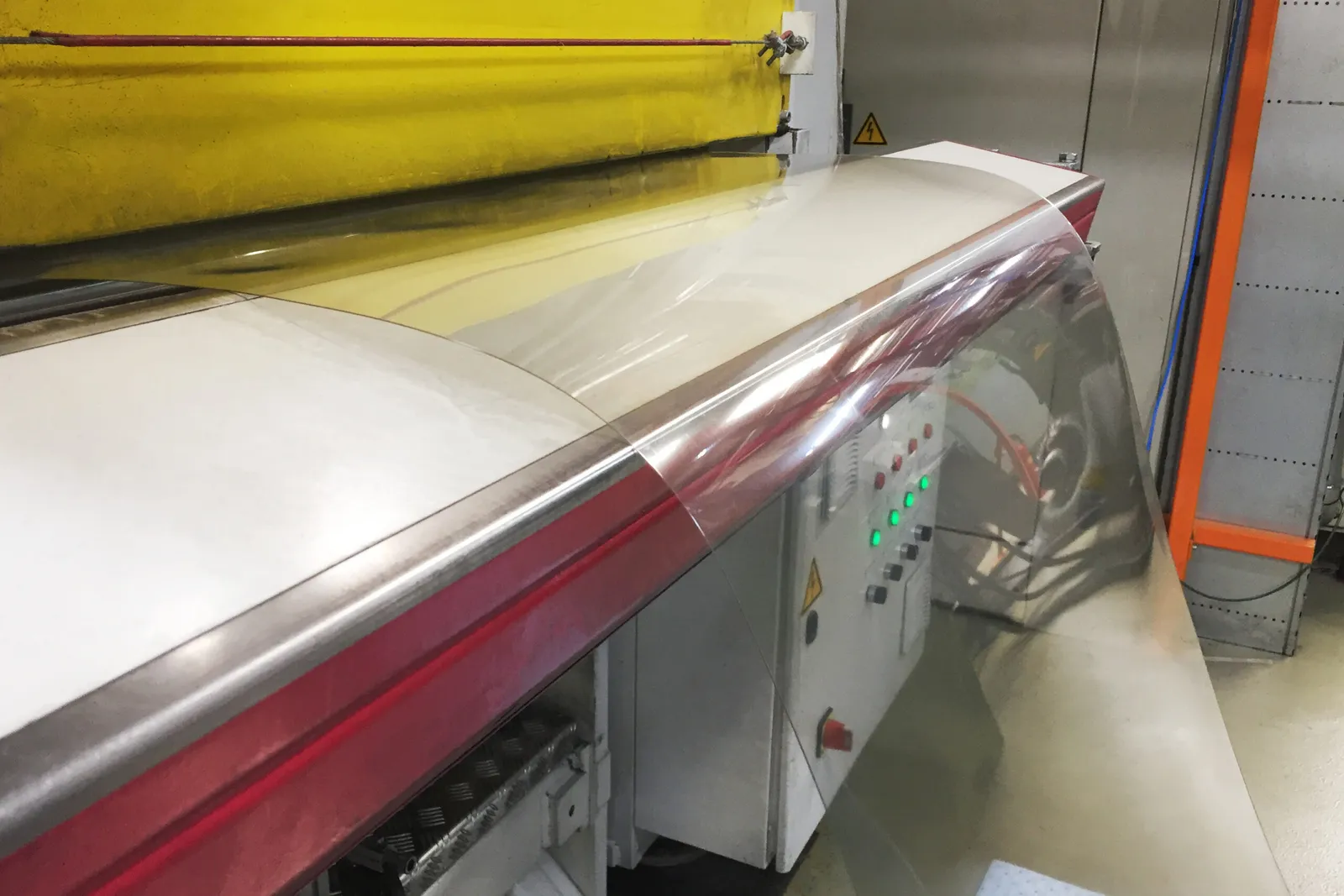
Coffee cups and cardboard boxes
Van Meeuwen’s additives also play an important role in paper packaging. “Think of paper packs. By 2030, 50% of paper must be recycled. Recycled material is used in products such as coffee cups and cardboard boxes. Our additives protect these products against oil, water and grease.”
Additives are easy to wash off
Van Meeuwen’s additives may not be visible on the packaging, but they are extremely important for smooth production processes and help products look good in store. The additives provide anti-slip, anti-block and anti-static properties, while also being easy to wash off. “Our additives add less than a micron to the product and are also easy to wash off. They really do not show up in the recycling stream.” Competitors that also provide anti-slip, anti-block and anti-static properties mainly incorporate additives into the polymer matrix, making the product impossible to wash off. “Our technology is clearly cheaper, with users paying a fraction of the cost of the alternative.”
Close collaboration with manufacturers
Manufacturers that process plastic or paper regularly face new requirements or requests from retailers, for example, in response to legislation and regulations. “That is exactly where we play an important role. Using too much or too little additive is not ideal. That is why manufacturers get the best results when we work closely together. This leads to lower costs and a smoother production process.”
Een zakelijke vraag aan Van Meeuwen Lubrication? Get in touch
Companies in this story
Keep following this
Get an email when a new story is published. No account needed.
- ThemeMaking plastics and packaging circular
- SubjectNews
- CompanyVan Meeuwen Lubrication







