












CMR Green turns Indian scrap into premium-quality material
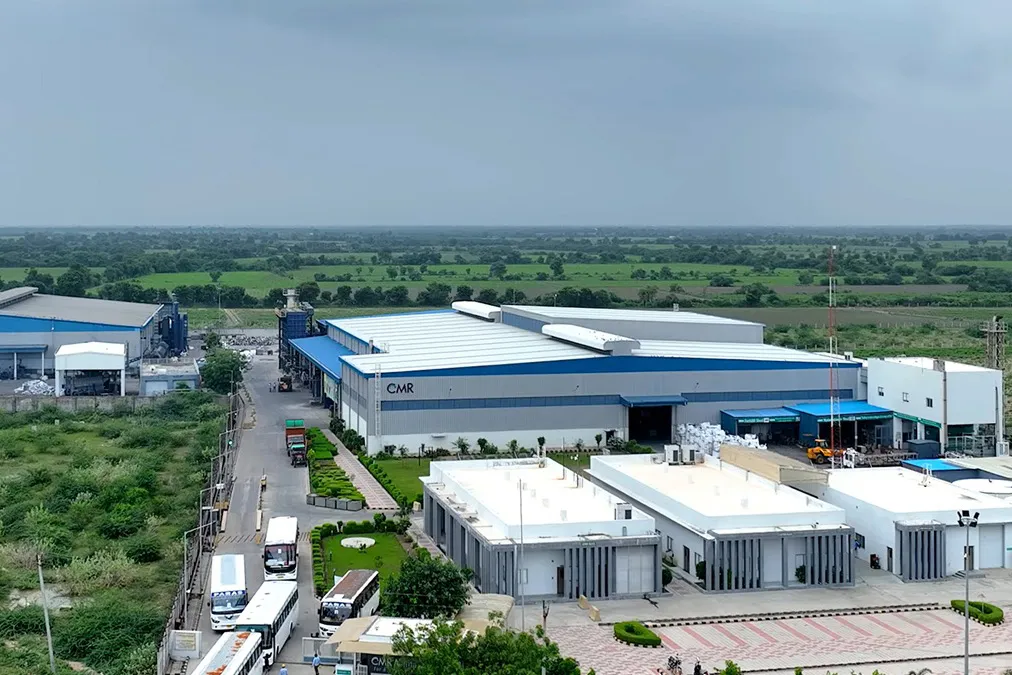
India’s largest non-ferrous scrap recycler processes 600,000 tonnes of scrap annually and boosts value, purity and sustainability with STEINERT technology.
CMR Green, India’s largest non-ferrous scrap recycler, strengthens its position as a global premium supplier by combining large-scale recycling with advanced sorting technology and a clear sustainability mission. The company’s ambition is driven by three central goals: maximising metal recovery, reducing emissions and guaranteeing consistent quality for customers worldwide.
For non-ferrous recyclers, CMR Green is a strong example of how reliable sorting performance can be achieved even under demanding Indian conditions, including high temperatures, dust, heterogeneous material streams and fluctuating quality.
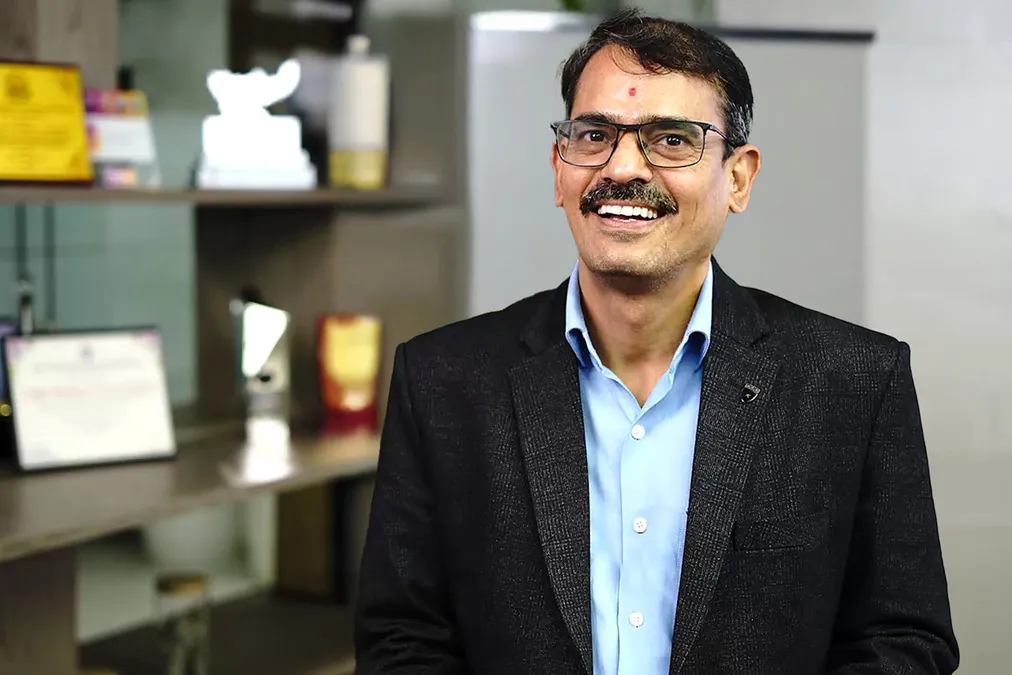
The company’s latest success is built on advanced sensor-based sorting systems from STEINERT, which deliver precise material separation and high recovery rates. Vice President Projects Ved Prakash Gupta puts it succinctly: “Innovation is the core of CMR Green Technology.”
Overseeing new facilities and technology rollouts across India, Gupta ensures the company remains a pioneer in efficient, high-quality recycling. Today, CMR Green operates twelve plants in six Indian states, processing around 600,000 tonnes of scrap annually to produce mainly aluminium and zinc alloys, key materials for India’s automotive, construction and consumer goods sectors, which are driving the nation’s circular economy.
Technology partnership with STEINERT
In a competitive market where sorting quality determines profitability, CMR Green’s collaboration with STEINERT has been crucial. “With STEINERT’s induction sorters, X-ray sorters and eddy current separators, we can produce products of consistent quality in Indian conditions, and that has added real value to our revenues,” Gupta explains. The partnership has not only improved product purity but also enhanced the company’s operational stability and sustainability metrics.
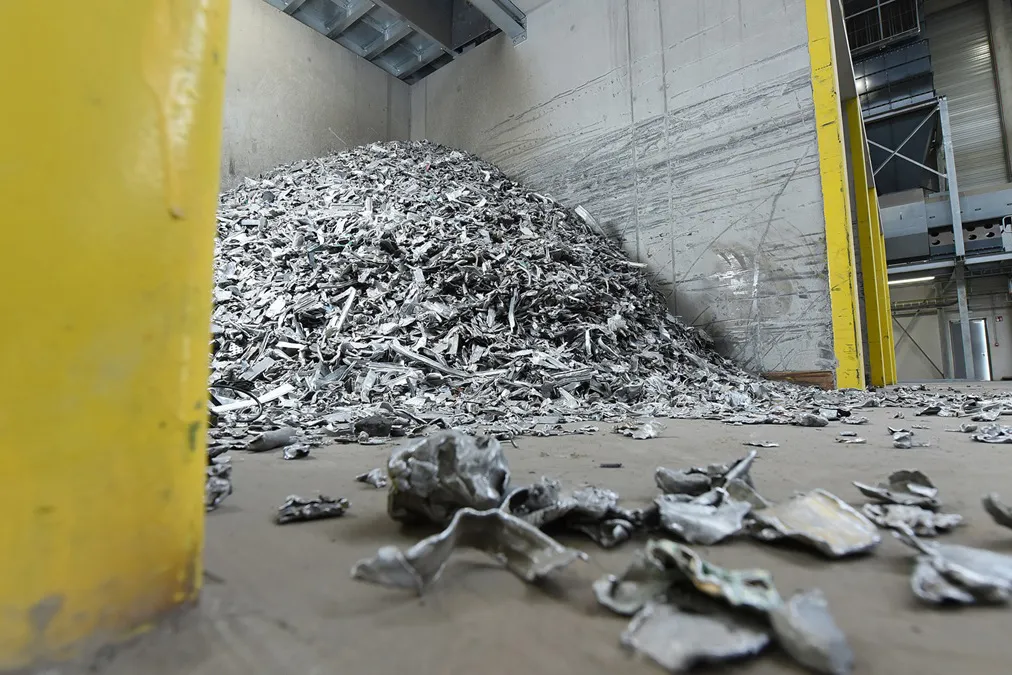
To give an example of the process flow, eddy current separators first recover non-ferrous metals efficiently. X-ray transmission (XRT) technology then separates aluminium by density, while the induction sorting system upgrades stainless steel or copper cables. This combination ensures high purity and recovery rates while reducing manual labour and energy use.
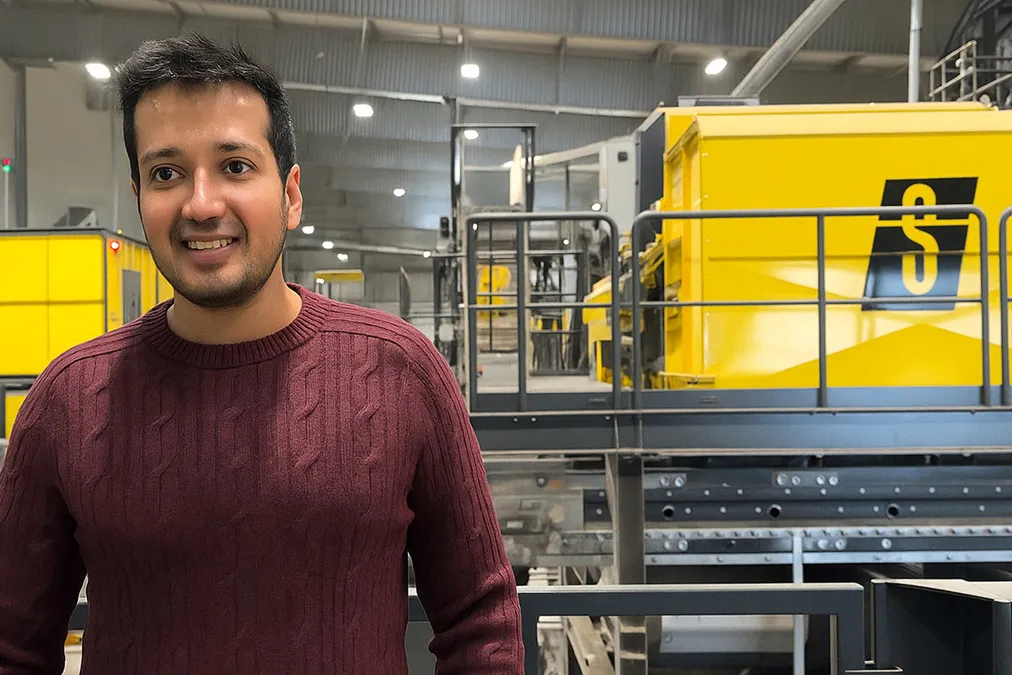
Project Manager Pradeep Kumar, responsible for equipment and optimisation, highlights similar benefits from an operational perspective: “The value created by STEINERT lies in providing advanced technologies that reduce manual sorting, minimise human error and increase productivity.” He emphasises that automation and precision also improve workplace safety and stability, an important factor in large-scale Indian recycling operations.
A partnership proven at the test centre Before investing in the latest sorting technologies, CMR Green’s project leaders visited the STEINERT Test Center in Germany to run material trials and assess system performance under real conditions. “Our team visited the STEINERT Test Center, and they were impressed by the facility,” Kumar recalls. “After the trials, we decided to buy the XRT machines.” The decision was backed by Director Raghav Agarwal, who took part in the tests in person: “The scale and efficiency of STEINERT’s test center are really impressive,” he says. “Their engineers went beyond expectations to help us understand the technology and its possibilities.”
Sustainability at the heart of a fast-growing market
India’s recycling market is expanding rapidly. CMR Green continually upgrades its technologies to meet demand. “We see end-of-life vehicles (ELV), construction waste and consumer electronics as key drivers for India’s recycling industry,” Gupta notes.
He also highlights another highly important topic: sustainability. More than just a target, it is built into CMR Green’s business model. By recycling aluminium and stainless steel into high-quality secondary alloys, the company saves up to 95% CO₂ compared with primary production.
As Gupta explains, “The better we sort, the more sustainable our business becomes. By recycling secondary metals, we’re not only supporting India’s industrial growth but also reducing its environmental footprint.”
Innovation with purpose
Through this ongoing partnership, CMR Green and STEINERT demonstrate how technological excellence and environmental responsibility can go hand in hand. The collaboration shows that investing in advanced sorting systems is not merely a matter of efficiency, but an investment in the future of sustainable manufacturing.
As Director Raghav Agarwal summarises: “STEINERT’s technology gives us confidence in the path forward for India’s circular economy. Precision, stability and efficiency: these are the qualities that help us grow sustainably.”
Visit STEINERT at IMRC 2026 in Jaipur
We warmly invite you to meet us in person at IMRC 2026, taking place from 20-22 January 2026 at the Novotel Jaipur Convention Center, Booth 1204.
If you are looking to enhance sorting performance, improve metal recovery or explore new opportunities for sustainable growth, our team will be delighted to answer your questions and learn about your challenges.
Question about this story? Ask your question
Keep following this
Get an email when a new story is published. No account needed.
- ThemeRecovering metals and creating value
- SubjectNews







