












Closing the loop on polyurethane
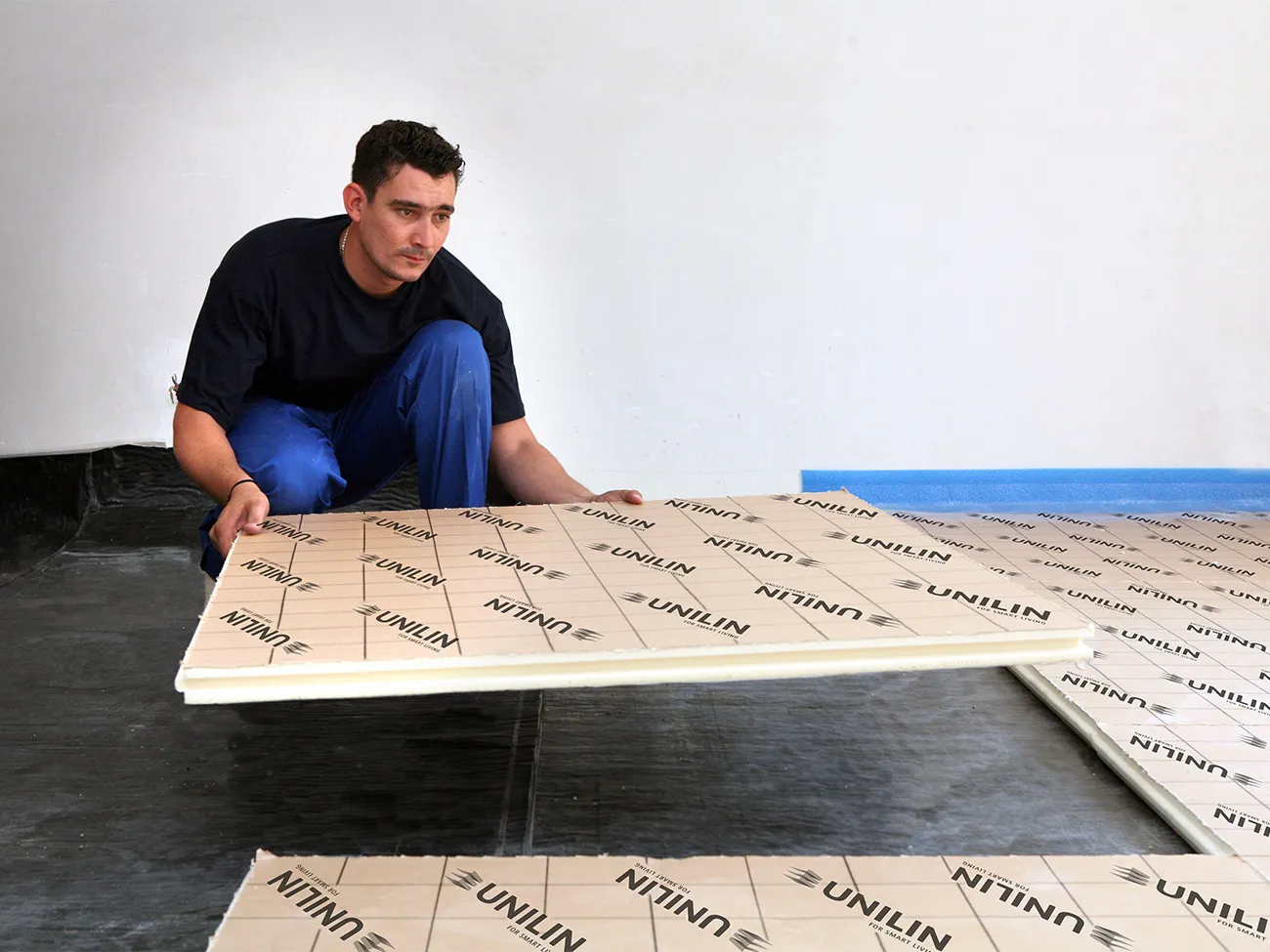
Good news! Demand for recycled plastics is rising. But this also brings its own challenges. Where can manufacturers find sufficient high-quality recyclate? And how can recyclers secure enough plastic waste to give it a second life? There is still significant potential to close the loop more effectively, particularly in the construction sector, which accounts for 29% of plastic waste. One initiative seeking to address this is PUrability, which is investigating what can be done with polyurethane on construction sites.
In Belgium, more than 7,000 kilotonnes of plastic were produced in 2018. Only a fraction of this was recycled, less than 200 kilotonnes. There is therefore more than enough potential to make the plastics ecosystem here more circular. This will, however, require collection schemes for new waste streams, more investment in collection and sorting, and complementary recycling technologies. Through the Plastic Matters initiative, Denuo and essenscia aim to make plastics more circular across the entire value chain by exchanging information and ideas. The previous edition focused on how the construction sector can contribute. One of the projects highlighted was PUrability. A new edition of Plastic Matters is also planned for the autumn.
Setting up a voluntary take-back scheme
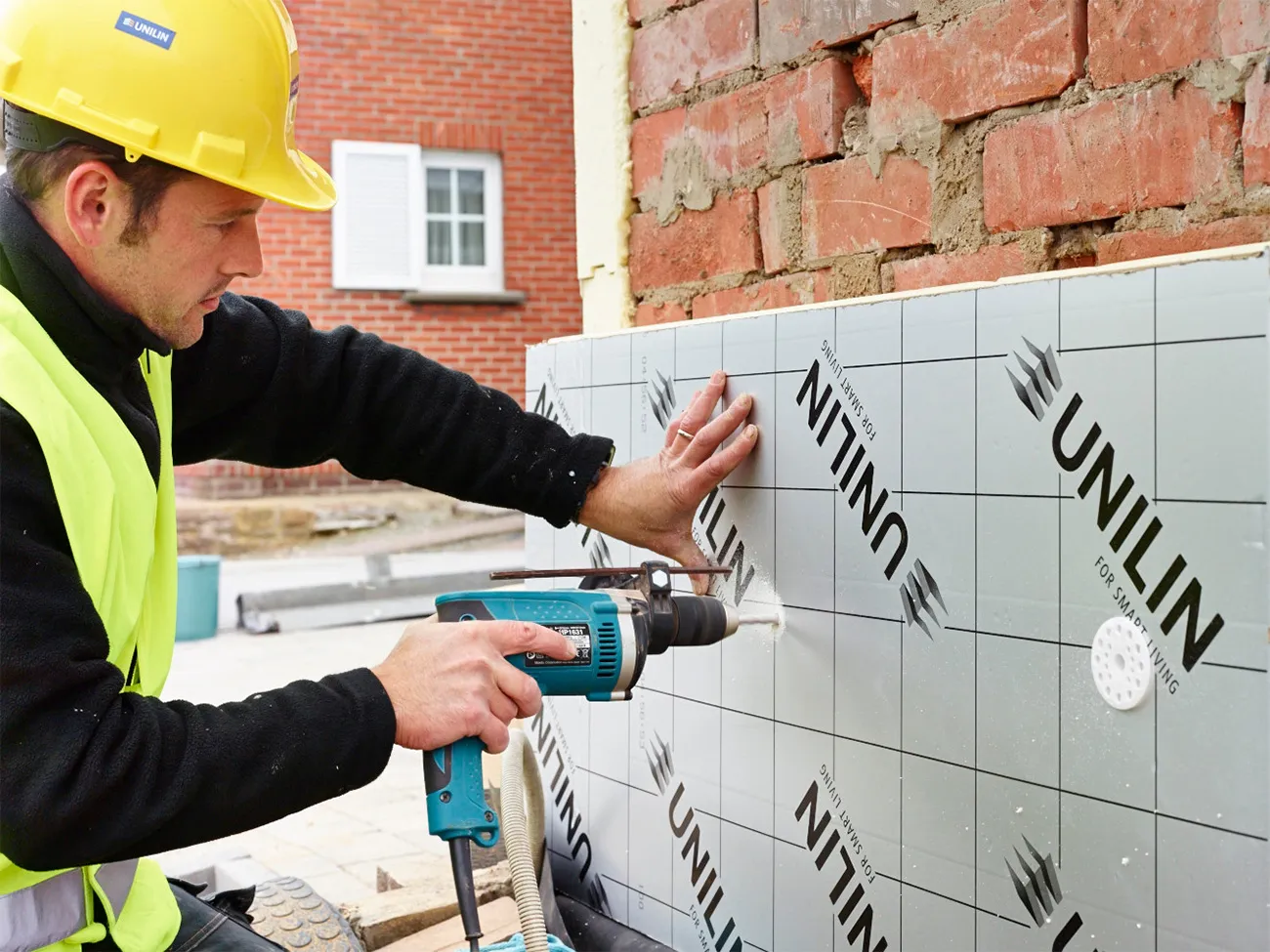
With PUrability, the initiators Unilin, Recticel, Kingspan and IKO aim to set up a voluntary take-back scheme for construction waste from rigid PU insulation foams. These insulation materials become available as waste after an average of 50 years at the latest for flat roofs, and 60 years for other applications. A mountain of insulation materials is set to come our way in the years ahead. By 2050, total PU construction-site waste could reach just under 50,000 tonnes a year. Some of this consists of offcuts from the installation of new PU foams. On average, around 7.5% of what manufacturers deliver directly to construction sites ends up in mixed-waste containers. Most, however, will come from demolition waste, which contains two different PU streams: pentane-based and (H)CFC-based.
Why PU?
Rigid PU foams are very bulky, however, and take up valuable space in expensive mixed-waste containers. Selective collection of PU can therefore benefit both contractors and the environment, provided a recycling model exists. One important tool for building an integrated value chain that connects everyone is a platform with data on this waste stream. Rather than ending up in an incinerator after being put in a mixed-waste container on site, PU can be collected separately and sent to hubs, where shredders and presses can reduce its size. From there, it can be sent to its final destination: recycling or incineration with energy recovery. The process is transparent to everyone. A system of this kind is already in place in Germany, bringing together different waste streams from construction sites. Contractors can order a container for each waste stream, with proper treatment also guaranteed.
Chemical recycling as the final piece of the puzzle
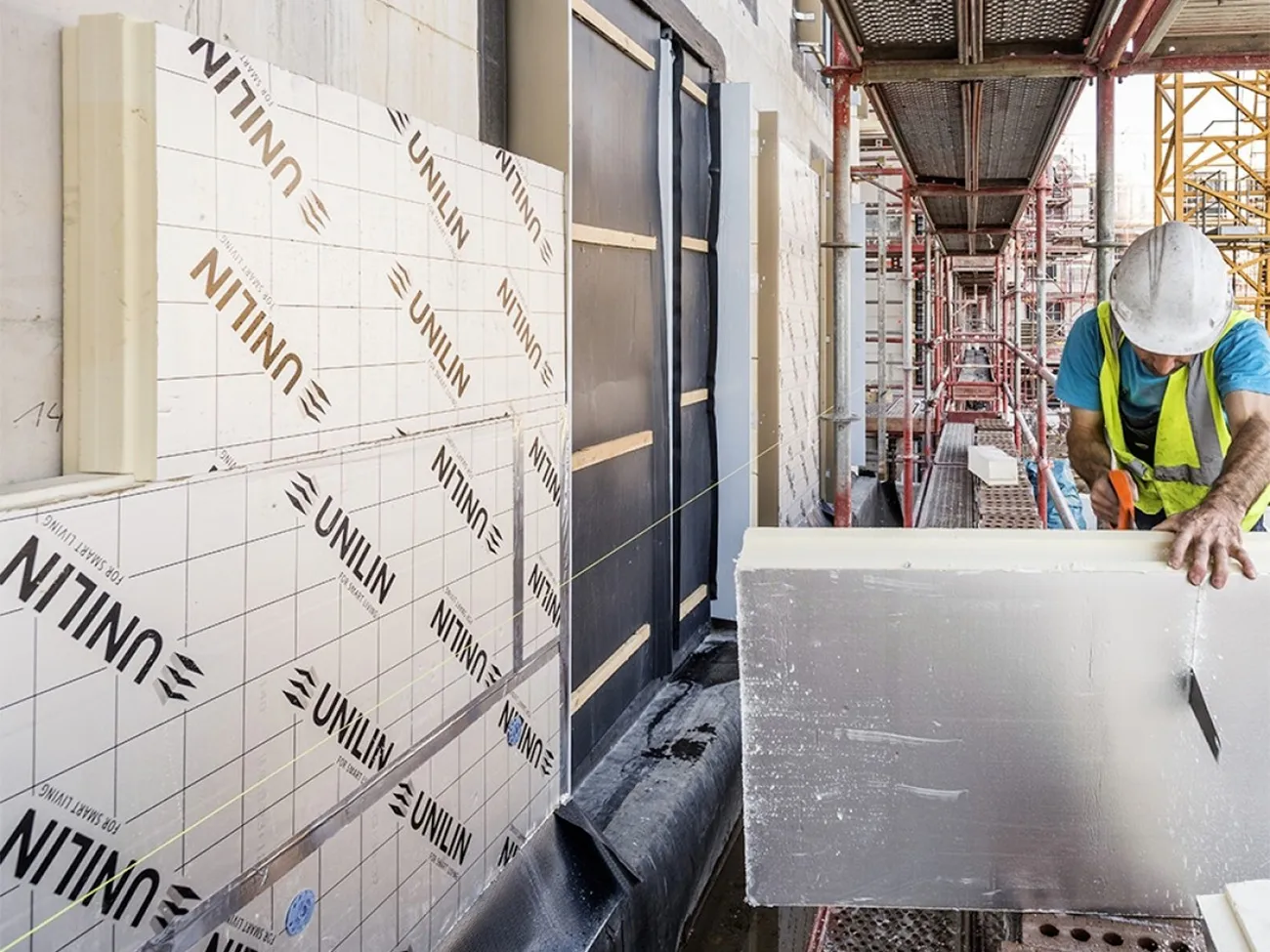
Estimates suggest that around 5,000 tonnes of rigid PU foam become available on construction sites each year. Half of the PU is currently delivered in 1 m³ big bags, while more than 70% of PU waste, or 3,450 tonnes a year, leaves construction sites in an open 40 m³ container. Organising selective collection will depend above all on who pays the bill. If the sector covers the costs of collection and sorting, for example by offering a take-back certificate, this will provide a huge incentive for contractors, as it will cost them nothing. If they have to cover the costs of collection and sorting themselves, it will depend on how much they stand to gain from a separate PU container instead of putting everything in a mixed-waste container. Closing the loop on rigid PU foam will then require looking at chemical recycling. The EU Green Deal project Circular Foam is investigating how to turn 1 million tonnes of PU waste a year back into raw materials for the chemical industry by 2040, thereby saving 2.9 million tonnes of CO2 emissions and 150 million euros in incineration costs.
Question about this story? Ask your question
Keep following this
Get an email when a new story is published. No account needed.
- ThemeMaking plastics and packaging circular
- SubjectNews







