












Clear terminology for better recyclability
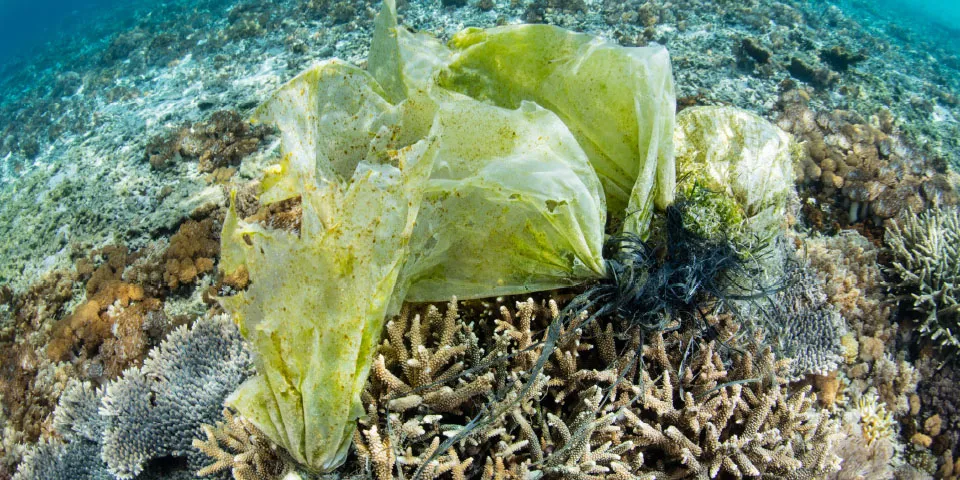
Biodegradable, bio-based, compostable … who can make sense of the plastics landscape? FEAD, the European Federation representing the European waste management industry, wants to bring clarity by proposing a precise definition for each of these terms. This will also make it possible to compare which is the most sustainable option. In this respect, biodegradable and compostable plastics clearly perform less well.
Bioplastics is a very broad umbrella term covering several types of plastics. It is important, however, to distinguish clearly between bio-based, biodegradable and compostable plastics. The properties of each of these materials affect the availability of standards, their compatibility with other plastics and, ultimately, their recyclability. A clear definition is essential to distinguish between them.
Bio-based versus biodegradable versus compostable
FEAD defines bio-based plastics as plastics made wholly or partly from organic materials. Some are identical to their fossil-based plastic counterparts, such as bio-polyethylene or bio-propylene. Others are polymers designed to be composted. Biodegradable is not a regulated term, which makes it more ambiguous. It refers to plastics that can be degraded through the action of naturally occurring microorganisms such as bacteria, fungi and algae. However, this gives the impression that they cannot harm the environment. Nothing could be further from the truth, as long as degradation is incomplete, and it will depend on the environment, including humidity, light and temperature … These plastics can also be petrochemical in origin. Compostable plastics degrade through an aerobic process. A distinction must be made between industrial composting, which is only partly covered by EN 13432, and home composting (NF T 51800).
Hold off on biodegradable and compostable plastics
The major challenge today is that there are no suitable standards for bio-based and biodegradable plastics that guarantee they perform as intended. There are also recyclability issues, particularly with biodegradable and compostable plastics. They therefore cannot simply be recycled together with conventional plastics. Instead of getting a second life, they may end up being incinerated for energy recovery. If they do enter the conventional plastics stream, they can compromise the integrity of the recyclate, affecting its quality and purity. FEAD therefore encourages producers to make recyclable bio-based plastics. The federation also recommends developing standards that clearly demonstrate environmental benefits, and holding off on biodegradable and compostable plastics for now.
Question about this story? Ask your question
Keep following this
Get an email when a new story is published. No account needed.
- ThemeMaking plastics and packaging circular
- SubjectNews







