












Circular demolition is the future: get on board or get left behind
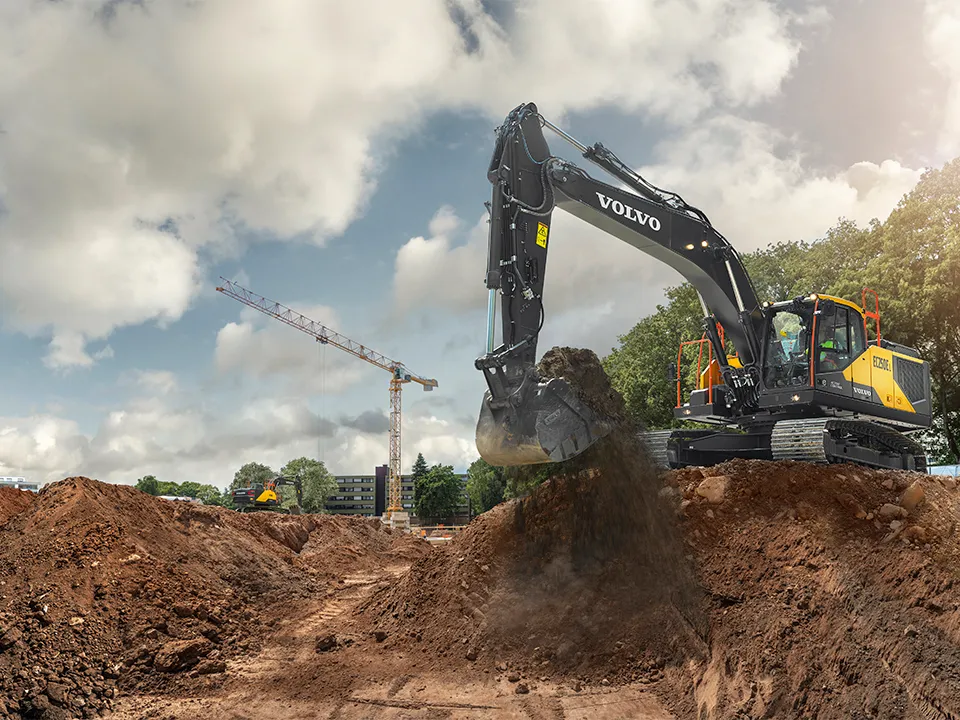
Scheffer Groep in Wezep would prefer to hang the traditional wrecking ball up for good. In fact, for much of its work, it no longer needs this traditional demolition tool. The use and reuse of materials and raw materials is becoming increasingly important. Society simply expects it, and public authorities are increasingly making it a requirement in tendering processes.
Scheffer is at the forefront of the shift from traditional mechanical demolition to circular demolition. The company has embraced this way of working because it recognises that it is necessary, both for Scheffer itself and for society as a whole. We speak to Marinus Nijhof, Commercial & Circular Manager at Scheffer: ‘We simply can’t ignore this development any longer. That is why our company is keen to invest in more sustainable, circular demolition, and we are calling on others in the industry to do the same. Now is the time for architects, construction companies, demolition contractors and product manufacturers to work more closely together. If you don’t get on board, you’ll miss the boat. It’s a case of getting on board or getting left behind.’
Circular demolition requires a completely different approach, with a focus on 100% reuse. One good example of a project in which Scheffer Groep is closely involved is the demolition of a former hospital. All the façade bricks are carefully removed and stacked on pallets, ready to be reused as bricks in a new-build project. This saves almost 100% of CO2 emissions. By comparison, crushing the rubble and reusing it, for example as a base material in road construction, saves 65% of CO2 emissions. Scheffer is already making a real contribution to the circular society of the future.
Question about this story? Ask your question
Keep following this
Get an email when a new story is published. No account needed.
- ThemeCircular construction and demolition
- SubjectNews







