












Carbon Border Adjustment Mechanism
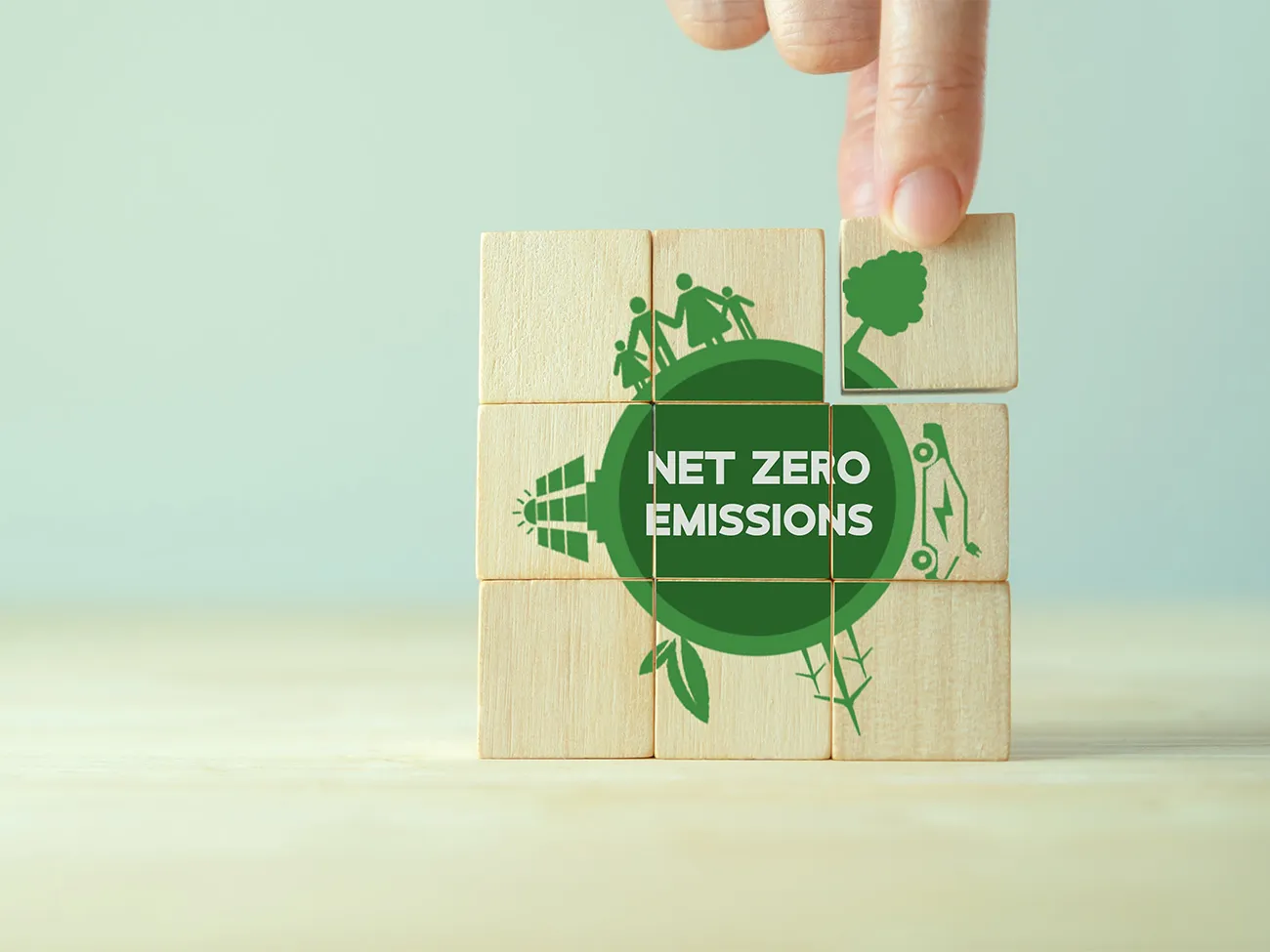
Europe aims to cut its carbon emissions by 55% by 2030 compared with 1990. An ambitious target. As part of these efforts, it is now proposing a Carbon Border Adjustment Mechanism. This climate measure is intended to prevent the risk of carbon leakage and support the EU’s more ambitious efforts to tackle global warming.
Carbon leakage refers to the relocation of carbon-intensive production to countries with less stringent environmental and climate policies. This could seriously undermine Europe’s climate efforts and put pressure on the competitiveness of European businesses. The Carbon Border Adjustment Mechanism is intended to help address this. It will level the carbon price between EU products and imported products according to a set of rules overseen by the WTO. It works as follows: EU importers buy carbon certificates corresponding to the carbon price that would have been paid if the goods had been produced under EU rules. If a producer can show that it has already paid a price for the carbon in a third country, that amount can be deducted.
Phased introduction
Europe is not breaking new ground. Similar systems are already in place elsewhere in the world. California, for example, applies an adjustment to certain electricity imports. Canada and Japan, among others, have plans along the same lines. This is a positive development, as a report by the IMF and OECD shows that closer international cooperation is needed to reduce greenhouse gas emissions. Measures such as carbon pricing also require greater cooperation. The scheme will therefore be introduced gradually. Initially, the carbon border adjustment will apply to selected goods at high risk of carbon leakage: iron and steel, cement, fertilisers, aluminium and electricity generation. From 2023, a reporting system will be applied to these products to facilitate smooth imports and dialogue with other countries. Importers will pay a financial adjustment from 2026.
Complementing the ETS
The Emissions Trading System (ETS) is already in place, setting a cap on greenhouse gas emissions from industrial installations in certain sectors. Emission allowances must be purchased on the ETS market, although a certain number of free allowances are allocated to prevent carbon leakage. The system has proved effective in addressing the risk of carbon leakage, but it also dampens the incentive to invest in greener production at home and abroad. The Carbon Border Adjustment Mechanism will gradually provide an alternative. However, the Commission’s proposal to revise the ETS states that the number of free allowances for all sectors must decrease over time. In addition, free allowances for sectors covered by the Carbon Border Adjustment Mechanism will be phased out from 2026.
Price based on weekly auction price
The mechanism will mirror the ETS in that it is based on importers purchasing certificates. Certificate prices will be calculated using the weekly average auction price of EU ETS emission allowances, expressed in euros per tonne of CO2 emitted. Importers must register individually or through a representative with the national authorities, where they can also buy certificates. The national authorities will approve declarants’ registration in the system and assess and check their declarations. They will also be responsible for selling certificates to importers. To import goods covered by the mechanism into the EU, importers must declare, by 31 May each year at the latest, the quantity of goods and embedded emissions imported into the EU during the previous year. At the same time, they must surrender the certificates purchased in advance from the authorities.
For all non-EU countries
In principle, imports of goods from all non-EU countries will be covered by the mechanism. However, certain third countries that participate in the ETS or have an emissions trading system linked to that of the Union will be exempt. These include the members of the European Economic Area and Switzerland. The mechanism will apply to electricity generated in and imported from countries seeking to integrate their electricity markets with those of the EU, until those markets are fully integrated.
Question about this story? Ask your question
Keep following this
Get an email when a new story is published. No account needed.
- SubjectNews







