












Car batteries yield a wealth of raw materials
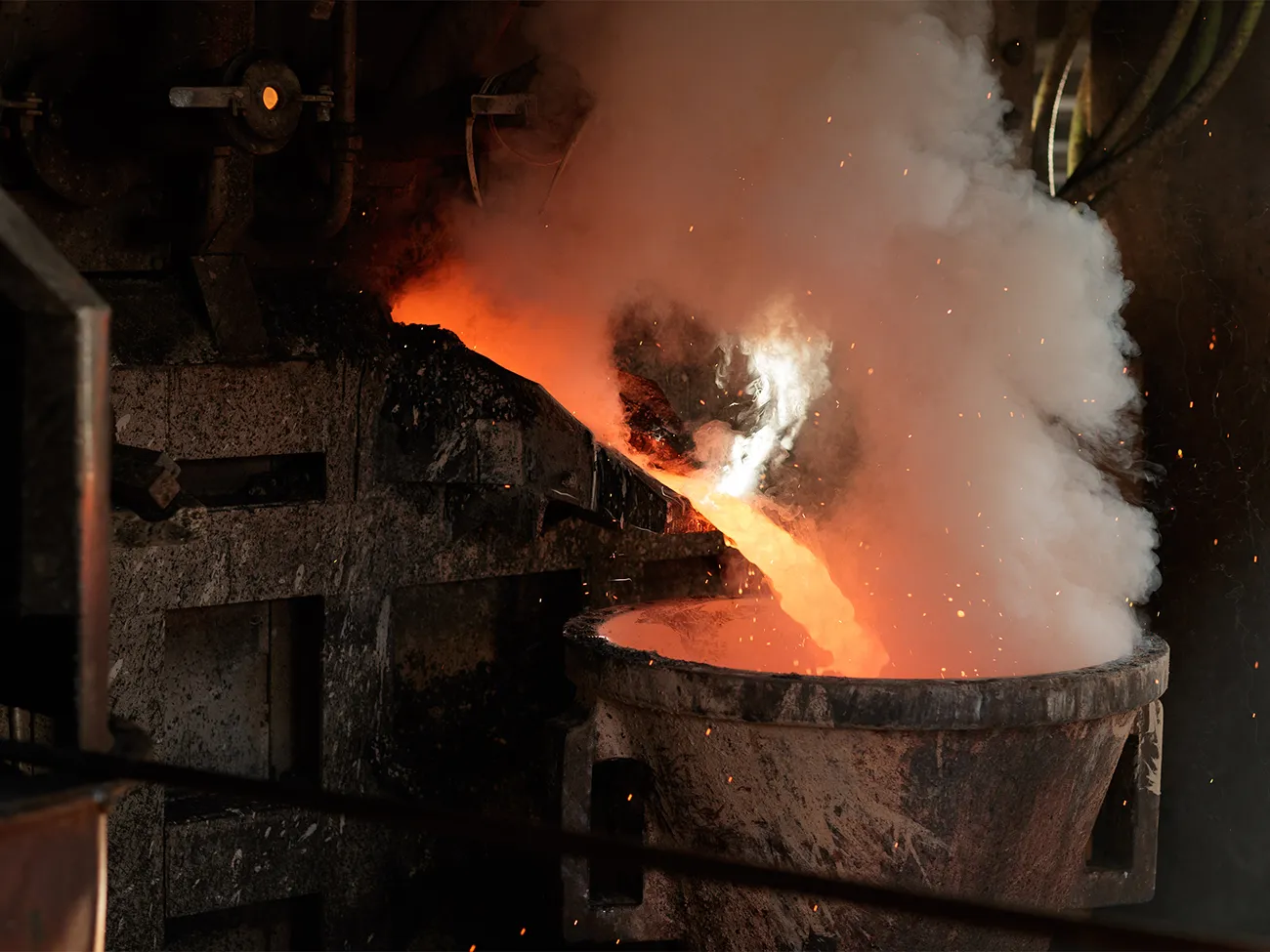
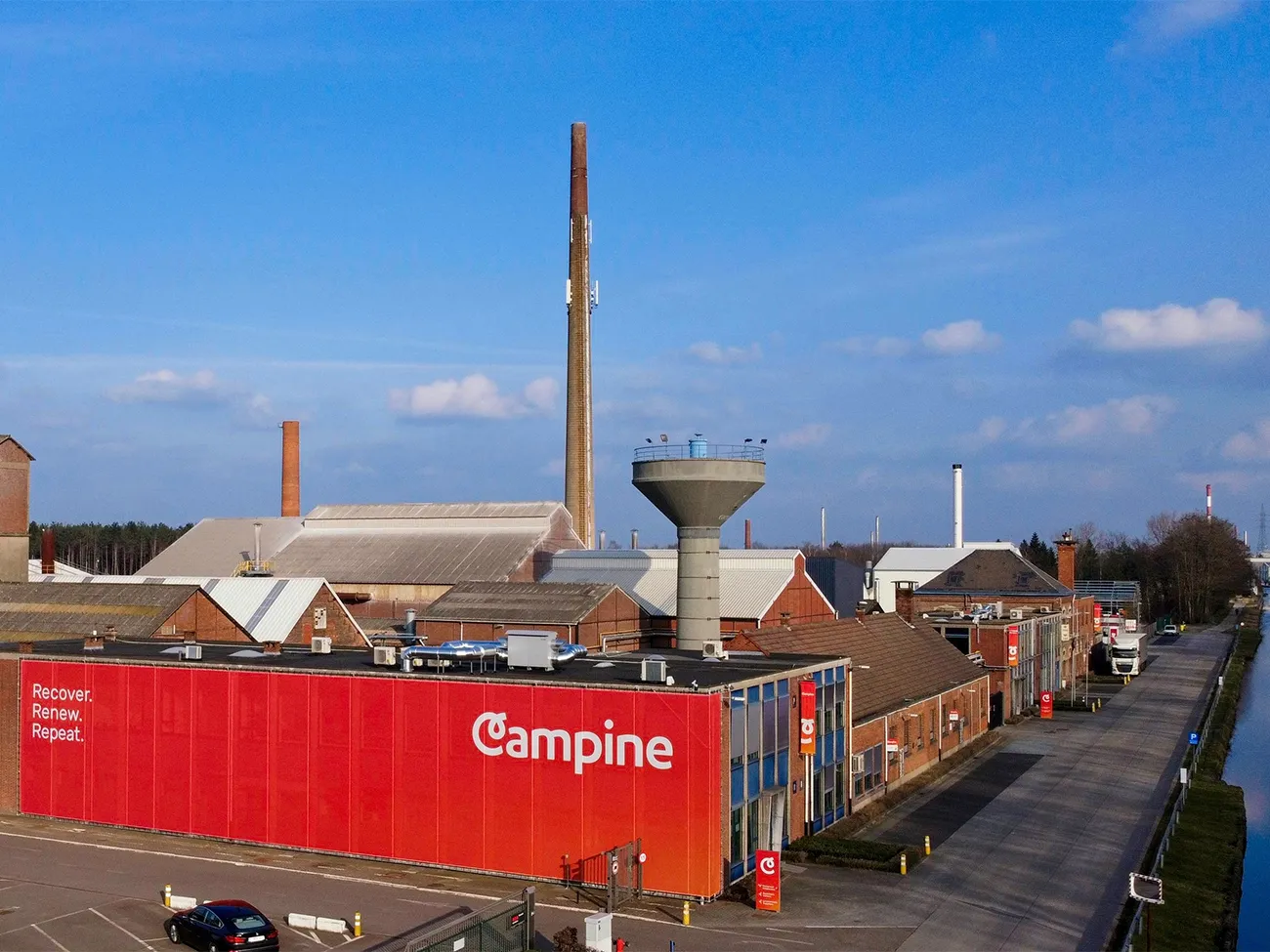
Talk about having it in your blood. Metal extraction and recycling have been carried out along the Dessel-Schoten canal since 1899. And Campine’s ambitions are still far from fulfilled.
With a new investment of €4.9 million, Campine aims to produce antimony trioxide directly from antimony-containing industrial waste. This additive makes textiles and plastics flame-retardant. Under the motto ‘Recover. Renew. Repeat’, its mission for the future is clear: to help create a society with no waste.
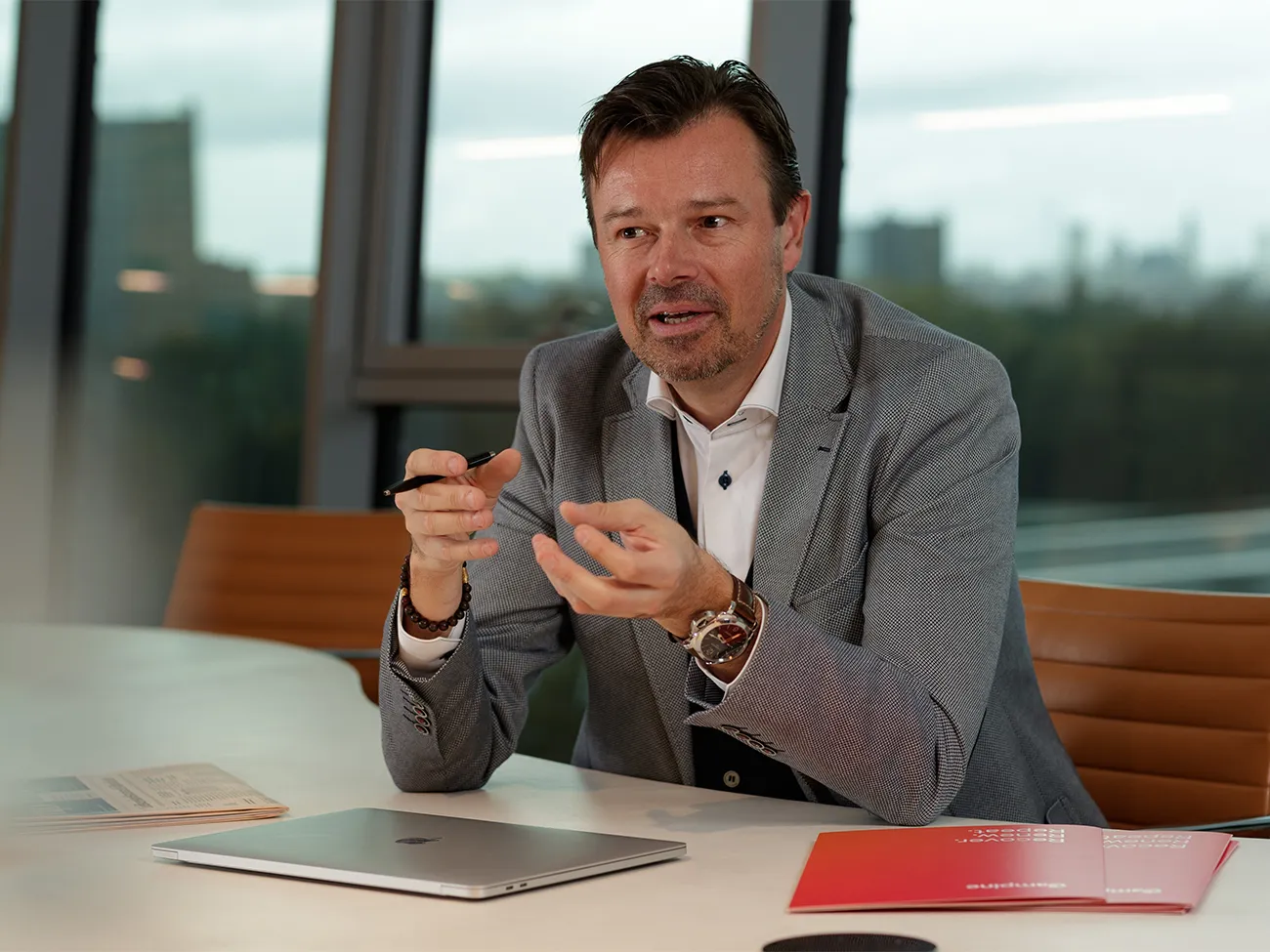
The name says it all: Campine is firmly rooted in the fertile Campine region. It has been here since 1899, to be precise. “Metal extraction and recycling have always been part of everyday life here. The company’s history has been built around two metals in particular: lead and antimony,” says CEO Wim De Vos. “Initially, we worked with ores, but over the years our focus has shifted towards using waste as our primary raw material.” Campine is divided into two divisions, both of which continue to grow. One specialises in metal recycling, mainly of lead, antimony, tin and precious metals. “Today, we mainly recover our products from car batteries and lead waste, producing 60,000 tonnes of recycled lead a year. We are the only company in the Benelux that still recycles car batteries.” The other division focuses on specialty chemicals. “Antimony trioxide is the key product here. We produce 12,000 tonnes of it a year. It is used as a flame-retardant additive, as a catalyst in the production of PET (the base material for plastic bottles) and as a raw material for pigments.”
It all starts with melting
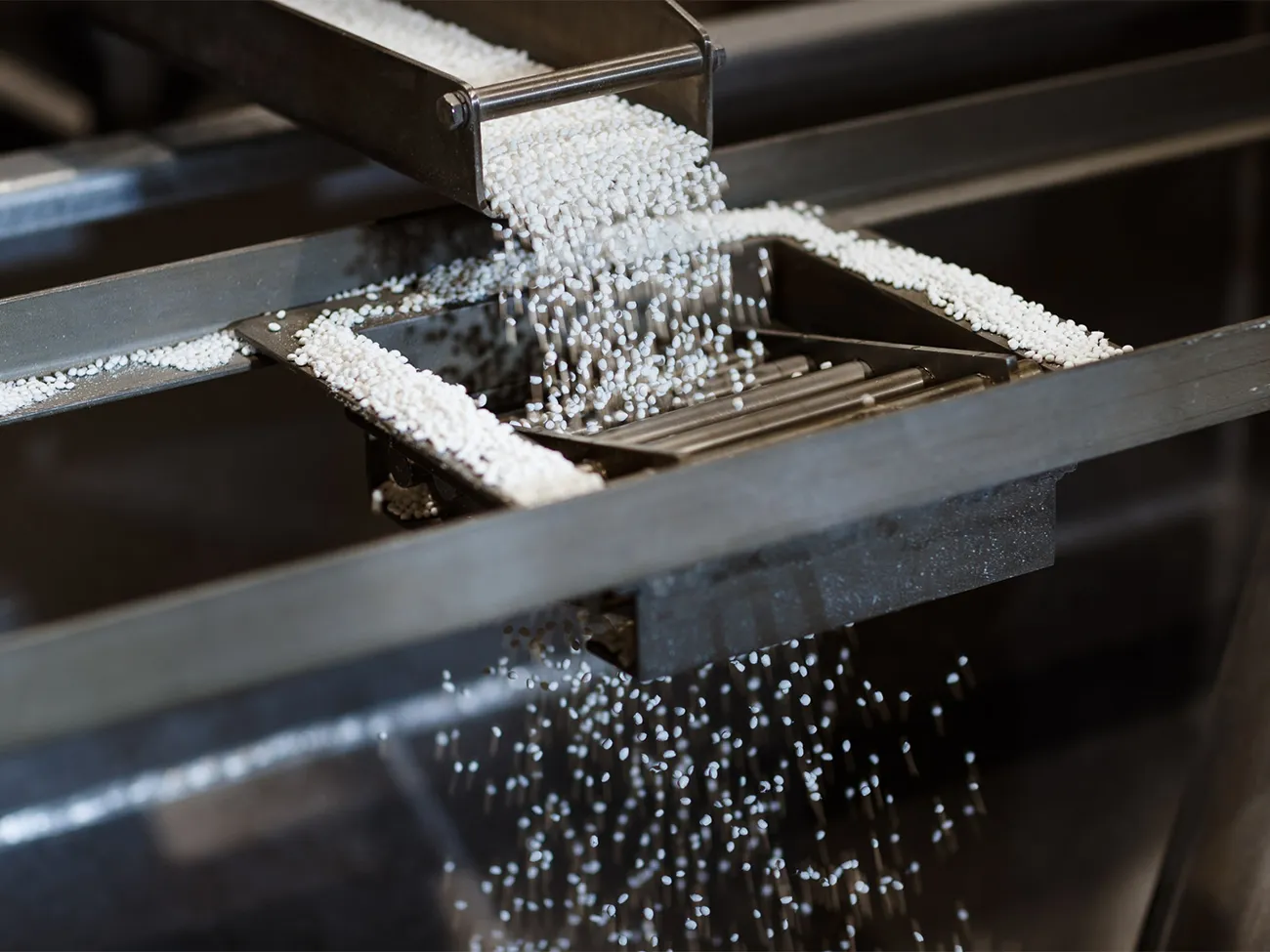
The heart of Campine’s operations, both past and present, is still the smelting furnace. The droplet in the company logo is a fitting nod to it. But that certainly does not mean that nothing is changing technologically. Quite the opposite. “Until recently, we only removed the acid from car batteries, while the rest went into the furnace. The plastics still present served as fuel, and pure lead metal came out at the bottom, 85% of which could be used as a raw material for new car batteries. Two-thirds of the lead used worldwide today has already been recycled. Lead is rightly regarded as one of the most circular metals.” To make the process more sustainable, Campine is now investing in a separation plant to process the polypropylene casings separately. “This material can then be used to make the same battery casings again. The stringent requirements the automotive industry imposes on components work in our favour here. Every casing must have the same certified composition, giving us a very pure stream. We aim to recover 4,000 to 6,000 tonnes of polypropylene a year.”
A future in e-mobility
Even as electric cars take over the roads, Campine sees enough future potential to justify such an investment. “A car battery only reaches the scrap heap after an average of ten years. Over the next fifteen years, we expect 80 million a year in Europe alone. So our supply is assured for some time yet. But did you know that, alongside the lithium-ion battery that provides the necessary range, hybrid and electric vehicles also have a secondary, conventional lead-acid battery? It is used to activate essential safety functions if the main battery runs flat.” But the legislative framework must also be supportive. Campine is therefore in close consultation with the European authorities. “Lead has a negative image. There are calls for it to be banned. A blanket ban, regardless of the material stream concerned, would affect the entire supply chain, including recycling, which offers a sustainable alternative and prevents us from being left with a mountain of waste overnight.”
From antimony to antimony trioxide
The specialty chemicals division is also working hard towards a waste-free future. An innovative process has been developed in-house to produce antimony trioxide directly from antimony-containing industrial waste. “New batteries require less and less antimony because of the cost of the material. Where they once contained 5% antimony, 1 to 2% is now enough. This left us with a surplus of antimony.” This prompted the R&D team to consider how best to valorise it. The result is a new process that makes Campine the only company in the world able to convert antimony directly into antimony trioxide. The recycling process is currently being scaled up from 1,000 to 2,000 tonnes. It earned the company a strategic ecological subsidy of €1 million from the Flemish government. “In the short term, we want to meet 20% of our antimony requirements from regional waste streams. In future, we also want to investigate how we can recover these additives from plastics and textiles,” says De Vos. “We are actively seeking collaboration with other companies across different sectors. You can’t recycle on your own, not even within a single industry. What is an impurity for one company may be an interesting raw material for another. We will also need to look beyond our own walls if we are to realise our zero-waste vision.”
Question about this story? Ask your question
Keep following this
Get an email when a new story is published. No account needed.
- ThemeRecovering metals and creating value
- SubjectNews







