












Breakthrough in promising plastics pilots
Text and images Unilever
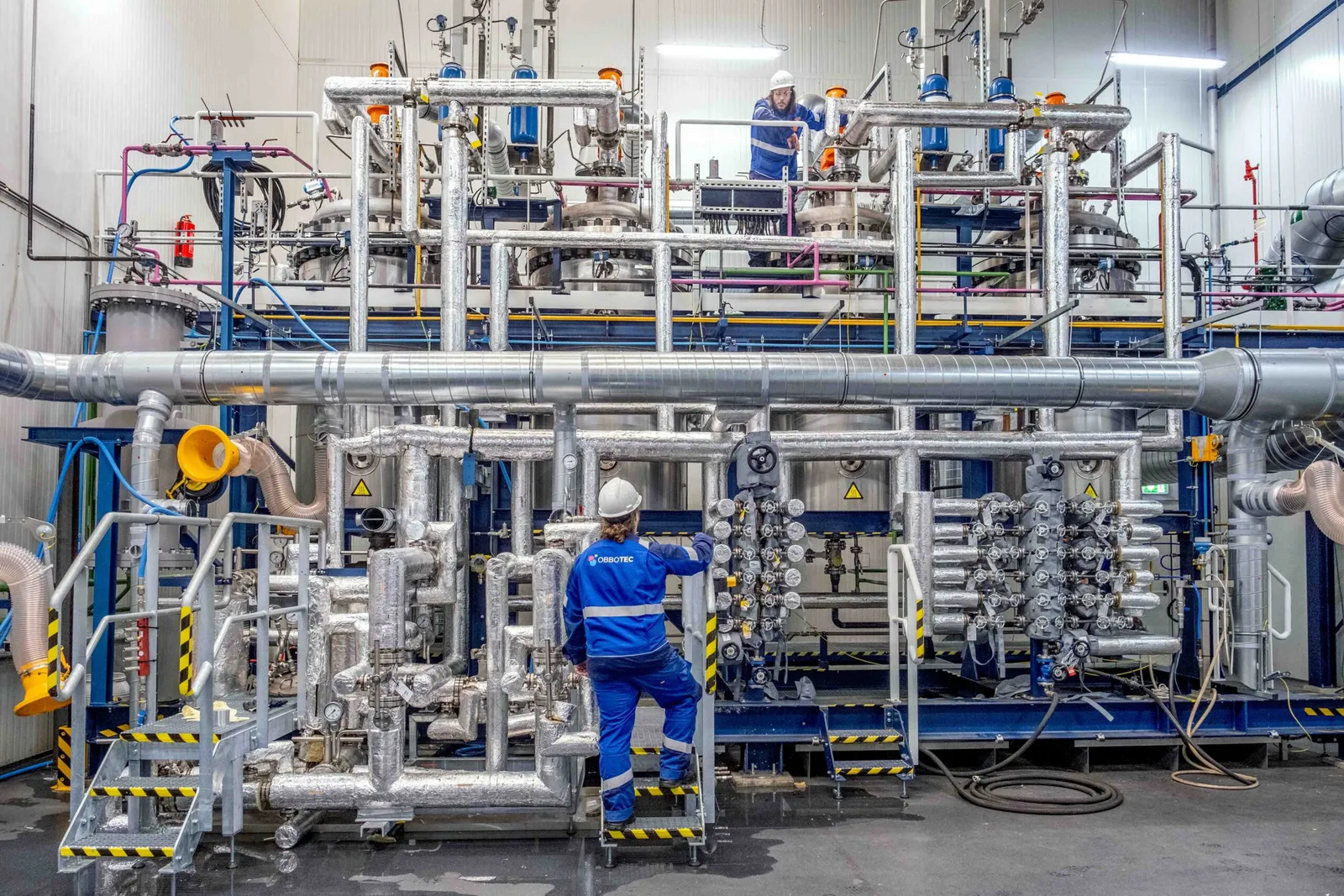
In a circular economy, there is no waste and raw materials are reused again and again. One of the biggest challenges in the transition to a circular economy is plastic packaging. Plastic packaging is still regularly made from fossil-based raw materials and too often ends up in an incinerator after use. Flexible packaging such as soup and crisps bags, which consist of several different materials, is difficult to recycle. Innovative solutions are therefore urgently needed. OBBOTEC and Unilever are working together on new technology to tackle hard-to-recycle plastic materials.
Unilever is working with Rotterdam-based scale-up OBBOTEC on promising plastics pilots to tackle hard-to-recycle plastic materials. In 2022, OBBOTEC announced a new recycling facility in Rotterdam to test its innovative recycling technology, Selective Plastic EXtraction (SPEX). SPEX is based on ‘dissolution’: dissolving and purifying plastics using a special solvent. This technology makes it possible to turn plastics into high-quality new materials. SPEX technology is promising thanks to a number of unique features:
- A yield of almost 100%: the plastic molecules are not broken down during the process, but are dissolved under pressure and at temperature. This keeps the cycle short and the yield exceptionally high;
- Top quality: the technology produces recyclate of the same quality as virgin plastic, because the polymers are cleaned at the molecular level;
- Low environmental impact: the entire recycling process is relatively gentle. For example, plastics are heated less intensely than in
Major breakthrough
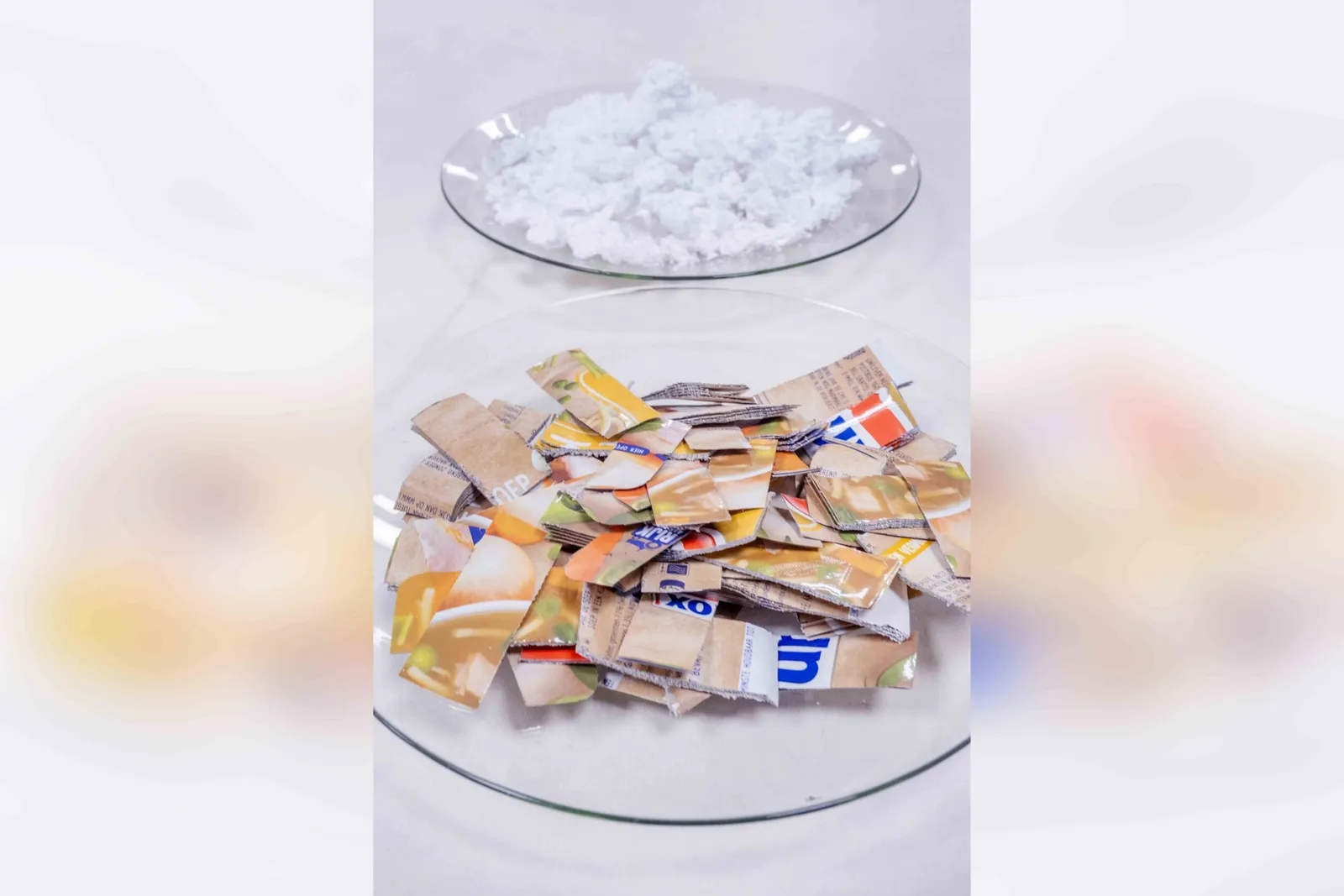
A range of studies and tests have been successfully completed in recent years. These included tests on rigid plastic packaging in different colours, such as Andrélon shampoo bottles, Dove shower gel and Zwitsal baby lotion. Flexible packaging made up of multiple layers and materials was also tested. Examples included packaging for Unox soup in a pouch, Conimex prawn crackers and SUN dishwasher tablets. The SPEX technology pilots have now led to a significant breakthrough: while the first tests used small quantities of plastic (around 150 g), successful tests have now been completed with 150 kg batches. This is an important step, as it means that scaling up to a much larger commercial scale is now within reach. And if the technology can indeed be deployed at a larger scale, international roll-out will also move closer. This promising development could help address the global challenges surrounding plastic recycling.
Validating recyclate
The collaboration between Unilever & OBBTEC parties is now entering its next phase and has been formalised further. In recent months, Unilever and OBBOTEC have worked together to test and improve the recyclability of packaging, in line with Unilever’s goal of making all plastic packaging fully recyclable. OBBOTEC has been able to test and improve SPEX technology, while Unilever provided packaging for the pilots, expertise on detailed quality and legal requirements, and introductions across its broad network spanning raw materials to packaging. Further packaging tests will be carried out in the coming period to validate the quality of the recyclate. This will ensure that the recyclate can eventually be put to practical use.
Could it also be used for food packaging?
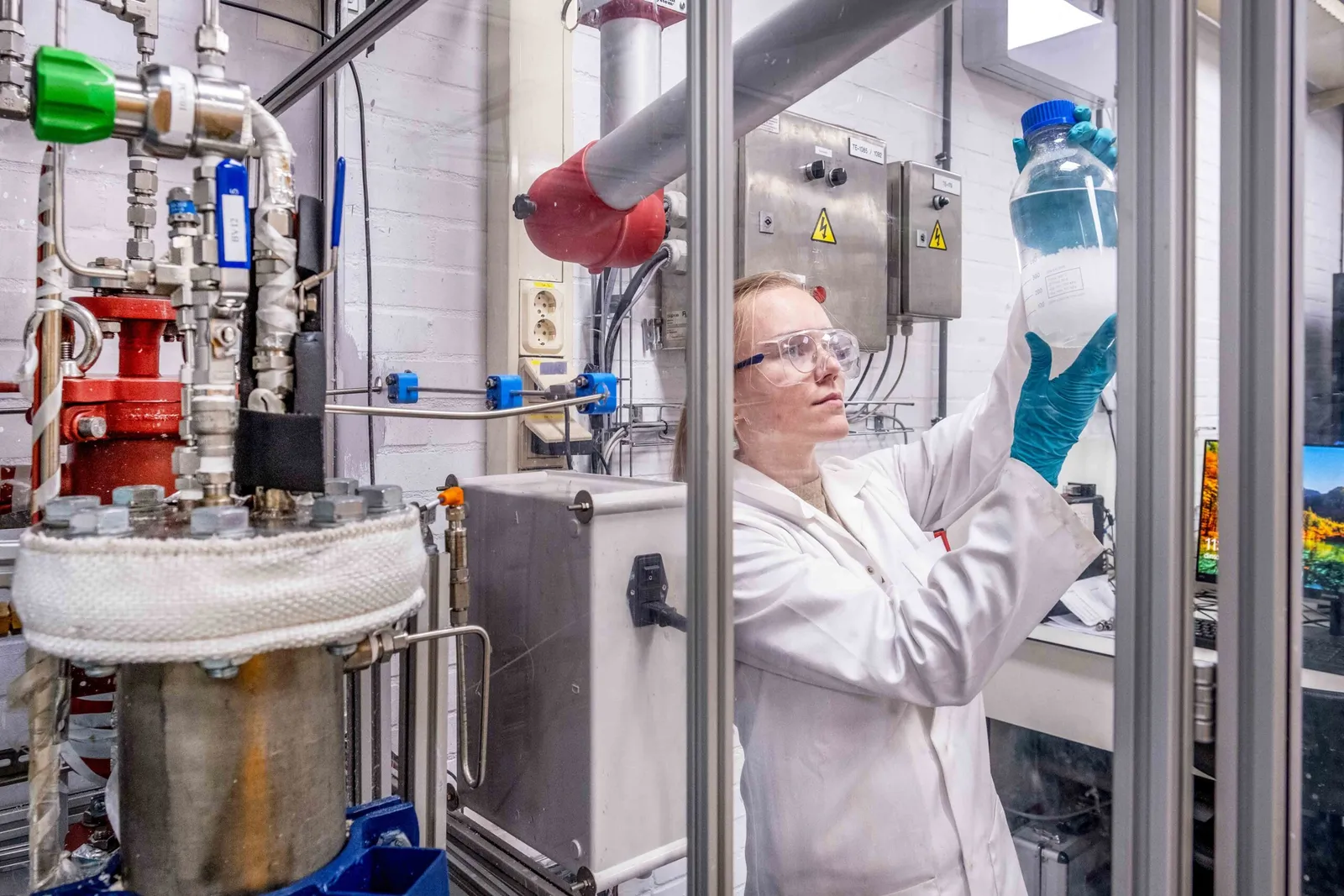
The recycled material produced using SPEX technology can currently be used in various types of packaging, for example for cleaning or personal care products. However, current laws and regulations mean that recyclate cannot yet be used in food packaging. A new research project with Wageningen University & Research brings together more than ten partners to test its safety, with the aim of securing European Commission approval for food packaging in the future. Food Safety Research, Verpact, Braskem, PreZeron Oerlemans Plastics, Delo, What’s Cooking, Vergeer Holland, Pepsico and Mars are also involved in the FlexForward project.
The future of the collaboration
The collaboration between Unilever and OBBOTEC focuses on further developing SPEX technology, while continuing to address both sides of the process: processing complex plastic packaging using the technology, and putting high-quality recycled material back to use in new packaging. This closes the loop.
Question about this story? Ask your question
Keep following this
Get an email when a new story is published. No account needed.
- ThemeMaking plastics and packaging circular
- SubjectNews







