












Bebat is ready to meet new European collection targets
All European countries face complex challenges
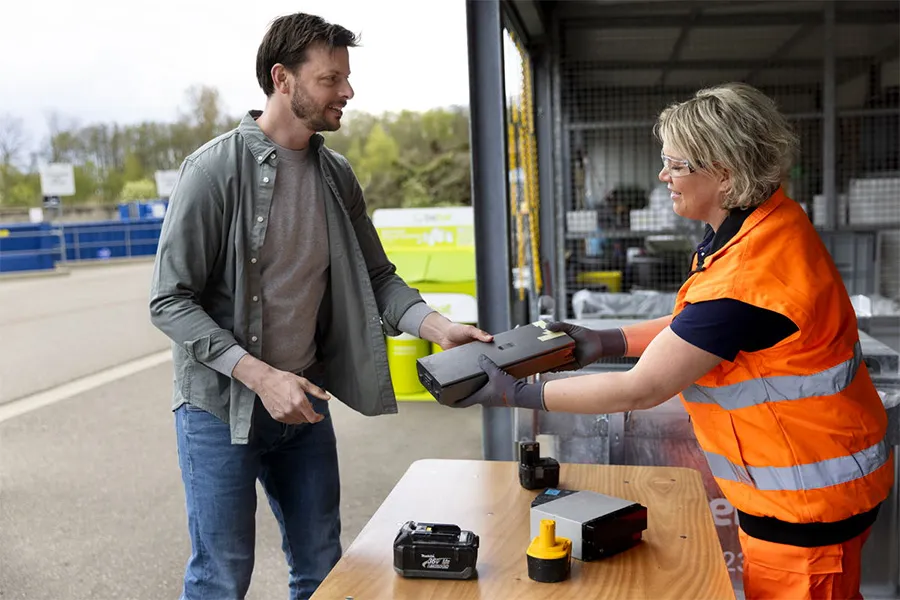
On 10 July, the European Council approved the new Battery Regulation. It forms part of the European Green Deal and the European circular economy plan. It is the first comprehensive legislation covering all types of battery products and their end-of-life treatment. The regulation sets ambitious collection targets for waste portable batteries and batteries from light means of transport, such as e-bikes, with a view to more sustainable recycling or possible reuse, potentially even in a different application.
Bebat is currently the European leader in the collection of waste portable batteries and intends to stay that way. Together with its participants and producers, it will work on new ways of operating over the coming years. The growing collection of rechargeable lithium-ion batteries (Li-ion) in particular is a complex challenge for all European countries.
New ambitious European targets
Batteries play a crucial role in the transition to a circular economy, greener mobility, sustainable energy and climate neutrality. But the battery industry and related sectors are constantly evolving and need to secure the raw materials, often precious metals, required to manufacture batteries. The European Union is therefore introducing a new legal framework covering the entire life cycle of all types of batteries, to promote their circularity.
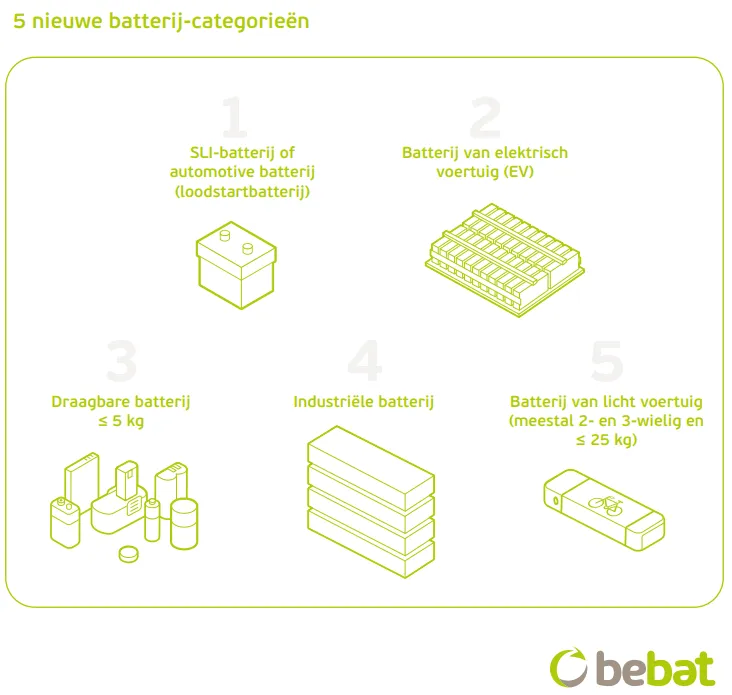
Europe now distinguishes five categories of batteries, whether or not they are built into devices or vehicles: portable batteries, rechargeable or otherwise; industrial batteries; batteries for electric vehicles; batteries for light means of transport (e-bikes, e-scooters, etc.); and starter batteries for vehicles, often conventional lead-acid batteries. Each category has its own product standards and end-of-life obligations.
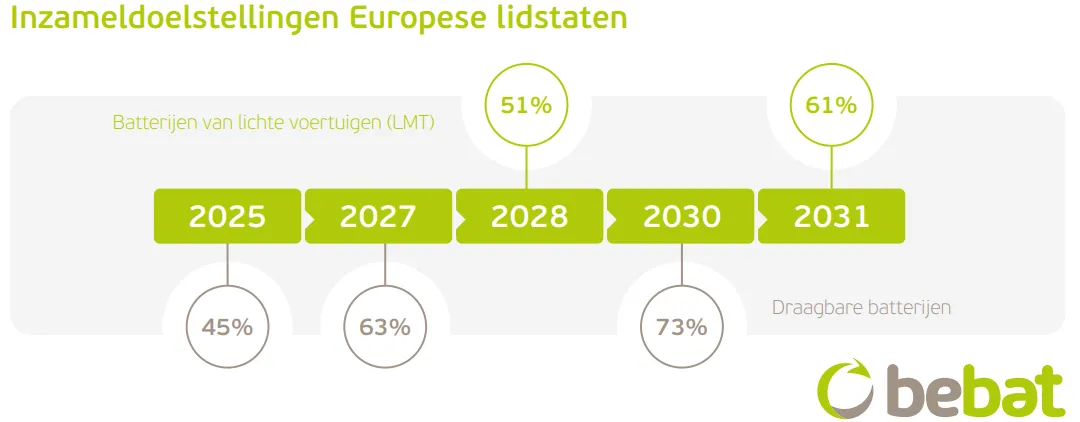
The EU is also assigning new responsibilities to the various actors in these sectors: manufacturers, importers, distributors, including online distributors, and end users. The European Union is also setting higher and more specific collection targets for waste batteries. For portable batteries (< 5 kg), Europe is increasing the required collection rate from the current 45% to 63% by the end of 2027 and 73% by the end of 2030. For batteries used in light means of transport, such as e-bikes, a collection target of 51% by the end of December 2028 and 61% by the end of December 2031 is being introduced.
“Today, Bebat collects 59% of the portable batteries placed on the market, thanks to its extensive network of more than 24,000 Bebat collection points. This puts us well ahead of the 45% rate required by Europe to date, making us the European leader. Bebat is therefore ready to tackle the challenges posed by the new collection targets,” says Martine Vanheers, Director of Finance, Customer Service, Legal & Public Affairs at Bebat.
The challenges posed by Li-ion batteries
In a constantly changing battery industry, Li-ion batteries in particular have brought about a major shift. In 2014, Li-ion batteries accounted for 25% of the weight of all new batteries placed on the market, while primary batteries accounted for 64%. By 2021, Li-ion batteries made up 55% of the total weight, of which 10% was for e-bikes. Meanwhile, the weight of primary batteries had fallen to 41%. In 2022, the weight of Li-ion batteries rose further, to 68% of all new batteries placed on the market.1
Collecting Li-ion batteries poses a number of challenges. They are usually built into devices, such as laptops or smartphones, and can only be removed by a professional. Li-ion batteries are also often exported to other countries for repair or refurbishment. This makes it considerably more difficult for consumers to take these batteries to a Bebat collection point.
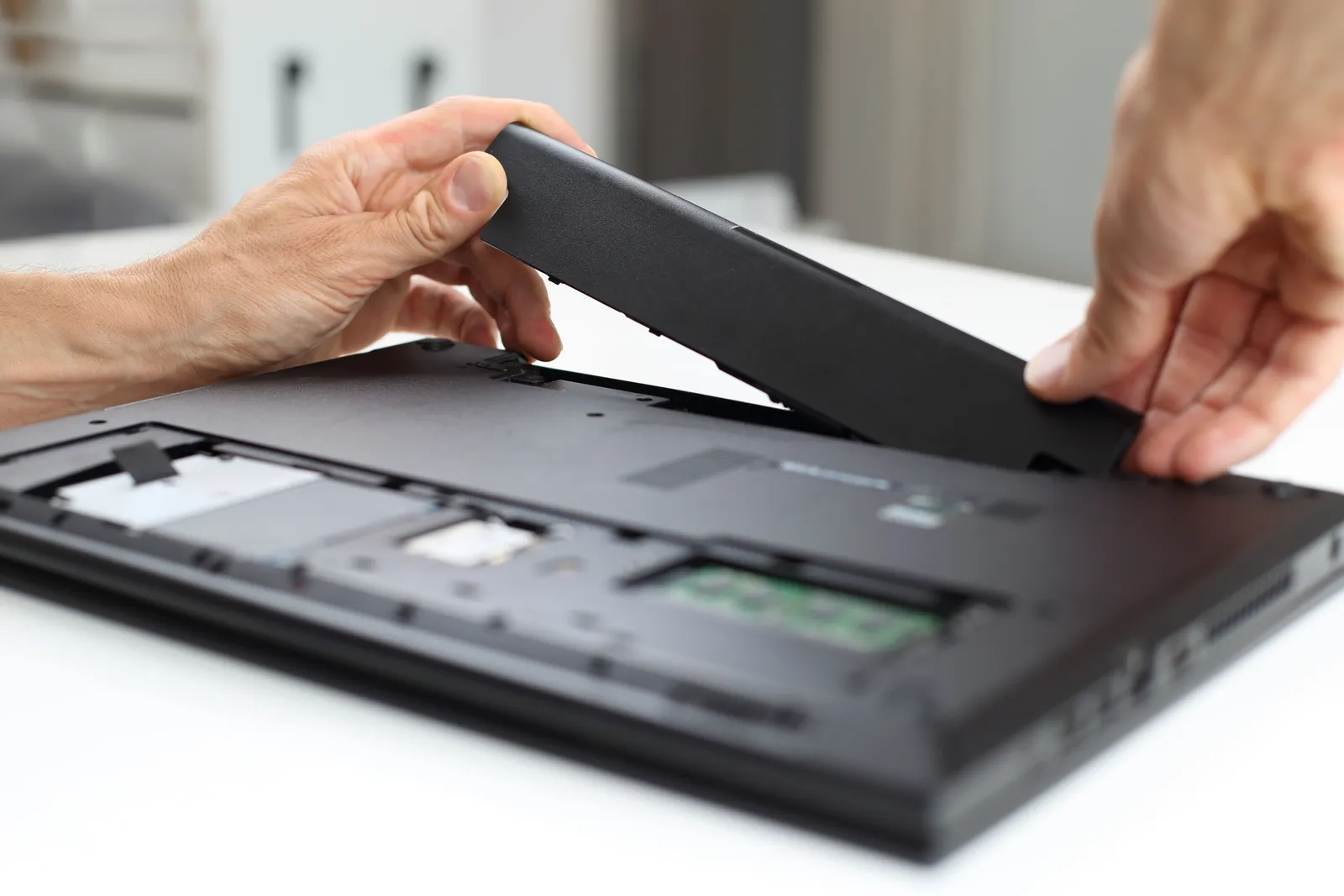
Moreover, Europe uses an average service life of 3 years when calculating the collection target, but Martine Vanheers of Bebat says this period is too short:
“Setting ambitious collection targets is crucial to moving towards a circular economy, but they must also be achievable. Li-ion batteries in cameras last an average of 8 years. In power tools, their service life ranges from 2 years for professionals who use them every day to 15 years for DIY users. The average service life of a Li-ion battery in a laptop is 7 years. The service life of the latest Li-ion batteries is getting longer, which is of course good for consumers. We are developing new ways to collect these batteries in the best possible way.”
Bebat is ready for the next steps
Bebat is determined to remain top of the European class and is ready to step up its efforts to do so.
“At Bebat, we are ready to adapt to the new reality and make further efforts to meet the new European targets. First of all, we will need to strengthen our in-house expertise on Li-ion batteries and ensure that our collection efforts also focus on this battery type. We will join forces with WEEE dismantlers (dismantlers of waste electrical and electronic equipment) and other market players to develop new opportunities. We will also continue to raise consumer awareness and provide additional information on the collection of new types of batteries,” says Martine Vanheers resolutely.
1 These figures exclude lead-acid batteries and batteries for electric vehicles.
Question about this story? Ask your question
Companies in this story

Keep following this
Get an email when a new story is published. No account needed.
- ThemeCircular processing of electronics and batteries
- SubjectNews
- CompanyBebat vzw







