












Baling technology specialist tackles both water and fire
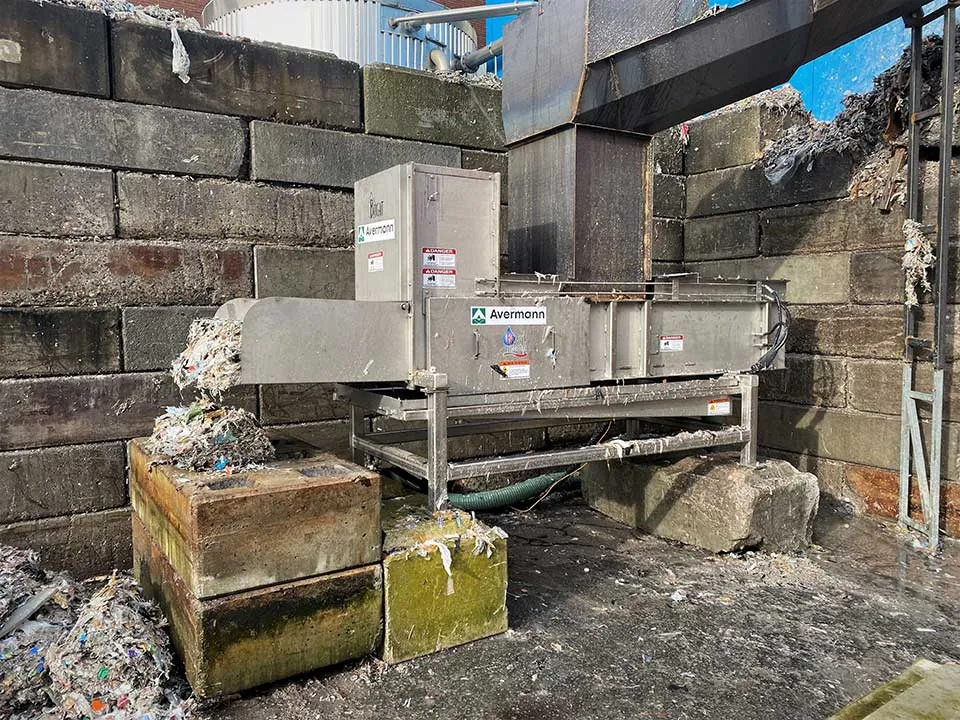
The Dutch subsidiary of Germany’s Avermann Group recently developed a special blender baler designed to prevent fires in waste piles.
At the same time, the machine builder is designing an increasing number of presses that enable recycling companies, biogas plants and paper mills to dewater their waste streams. The pandemic had a considerable impact on the company, but operations manager Wouter van der Pool managed to turn a difficult situation to his advantage.
Although only limited amounts of waste are landfilled in the Netherlands, there can sometimes be a long period between collection and recycling or incineration when waste has to be stored during maintenance shutdowns. Fires often start during this time, particularly when waste is left piled up for longer, increasing the risk of heat build-up. For this reason, the Dutch arm of the Avermann Group developed a solution for compacting waste in collaboration with several partners. The waste is pressed into bales and wrapped (see box). Despite this being a unique product developed specifically for a customer, Wouter van der Van der Pool, operations manager at Avermann’s Dutch subsidiary, sees potential for scaling it up. “It helps if you’ve done something once before.” Avermann may be a German company, but it has since established a strong presence in the Netherlands. Van der Pool partly attributes this to the country’s strategic location. “Because of our ports, of course, but also because of our import facilities. German and American companies compete quite fiercely, and the Netherlands sits neatly between them.”
Keeping a finger on the pulse
Alongside environmental technology machinery, Avermann also makes machines for precast concrete and laser cutting and bending. It keeps a constant eye on trends and developments in the recycling industry. “We are increasingly dealing with waste dewatering. It’s not just green and organic waste: rejects from the paper industry are wet too. You’d rather not transport water, as it makes the waste too heavy. So dewatering can also be seen as a form of waste separation. Organic waste might also be suitable for incineration, anaerobic digestion or gasification, but the water has to be removed first. The technology is not fundamentally different for us: dewatering is also pressing. But the machines have to be made from stainless steel, as they must not rust and have to withstand all kinds of acids.”
Avermann Nederland has since become a kind of European hub, with machines mainly assembled here. “The dewatering machines come partly from the US. We add the hydraulics and control cabinets, after which they are sold all over the world,” says Van der Pool. “We also have an international maintenance and service team.”
Refurbishment
While the pandemic has created considerably more work for the waste industry, the international nature of the Avermann Group means the company has been, and continues to be, significantly affected operationally and logistically by the global Covid-19 pandemic. “Planning is incredibly difficult at the moment,” says Van der Pool. “And we’re having a lot of trouble shipping containers or sending engineers wherever they need to go. Steel prices are also far from favourable for our business. So building machines is quite a challenge. Fortunately, we had good stock levels when this crisis began, so the impact has been limited.”
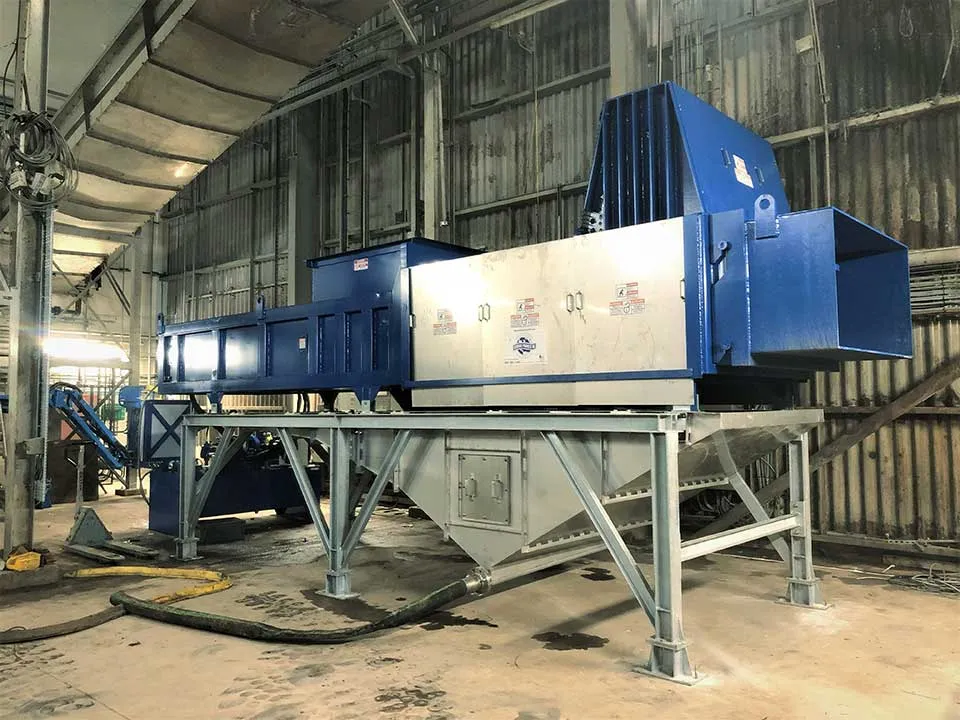
Over the past year, Avermann and Wortmann Milieutechniek have also decided to invest in machine refurbishment in Emmen, including for container presses and balers. Avermann has therefore moved from Dordrecht to Emmen, where it has taken on a substantially larger workshop. This, too, is a consequence of the pandemic, Van der Pool explains. “We had a number of engineers with nothing to do. To create work for them, we decided to start refurbishing used machines. We expect things to stay this way for a while, and this gives us the chance to clear a substantial backlog. We’ll soon have a large number of used machines available that are as good as new.”
Question about this story? Ask your question
Keep following this
Get an email when a new story is published. No account needed.
- ThemeSmarter use of machinery and plant
- SubjectNews







