












Automatic lubrication system ensures recycling machinery can operate trouble-free
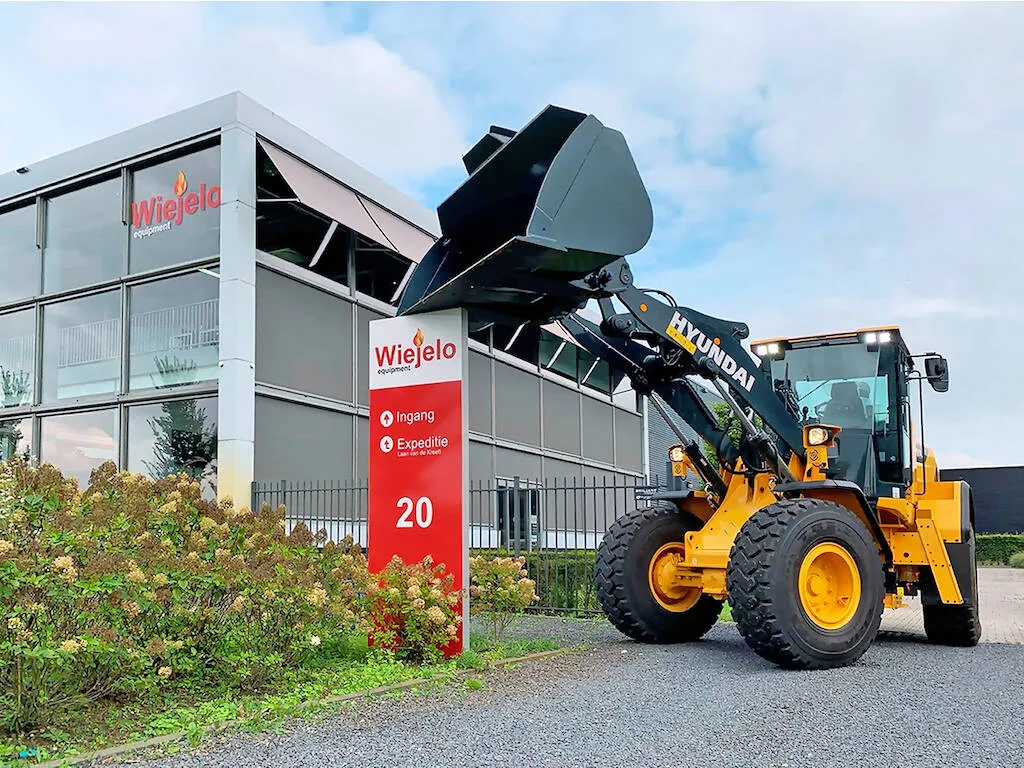
“Your equipment needs to perform at its best so that you can carry out your work properly. Our automatic lubrication systems bring you much closer to achieving that. This is important not only for recycling machines, but especially for the many grabs used in this sector.” For Berry Boertien of Wiejelo Equipment in Apeldoorn, this is no commercial spin. On the contrary, he wants to give his customers the best possible advice.
Wiejelo Equipment may seem like a relative newcomer to the Dutch market, but appearances can be deceptive: the specialist in automatic fire suppression and lubrication systems can draw on more than 30 years of international experience and a worldwide service network. Berry explains: “We supply thousands of lubrication systems every year around the world to manufacturers, distributors and end users in a range of market segments. Our team consists of experienced employees who have built up decades of experience with various manufacturers in this industry.” This practical experience has enabled Wiejelo to gain a substantial share of the Dutch market for automatic lubrication systems in a short time.
Reliability and a longer service life
Many users can now confirm that an automatic lubrication system reduces costly wear and unplanned downtime, and extends machine service life. Manual lubrication often goes wrong, which is bad for both the machine and the environment. With an automatic lubrication system, we can be sure that the bearings are lubricated and that the grease forms a sealing collar to prevent wear caused by the ingress of dust, dirt, sand and moisture. The new Greenline also makes it possible to use biodegradable, and therefore environmentally friendly, grease.
Wiejelo is now familiar to most suppliers in the recycling sector. “We equip many mobile crushers and screens with both automatic fire suppression and lubrication systems,” says Berry. “Our systems issue an alert in the event of a fault, such as a fire or a low-level warning when the grease pump is nearly empty. Where necessary, this can even lead to the machine shutting down automatically.”
The importance of grab lubrication
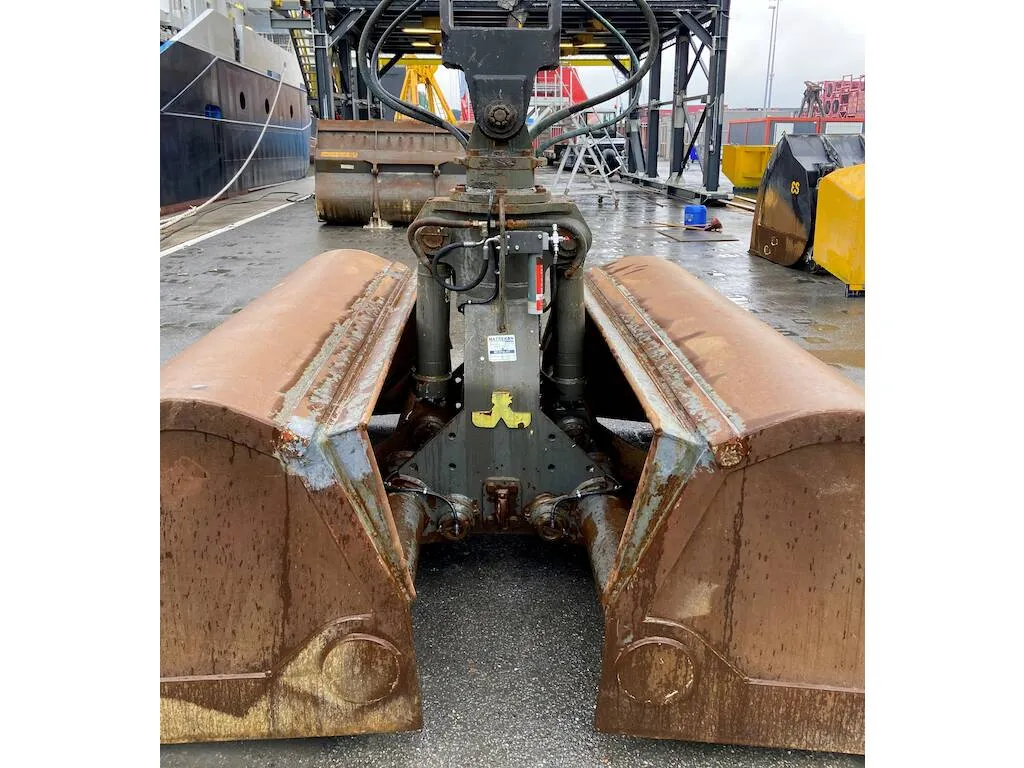
Premature wear is a major problem with grabs in the recycling sector. Wiejelo is therefore increasingly fitting them with their own lubrication system. The reason is clear: these grabs are repeatedly pushed into sand, gravel, water and other materials at several pivot points (synchronisation points and main pivot points). As a result, a lot of dirt can enter the bearing. Good, regular lubrication can prevent this, but in practice it too often goes wrong.
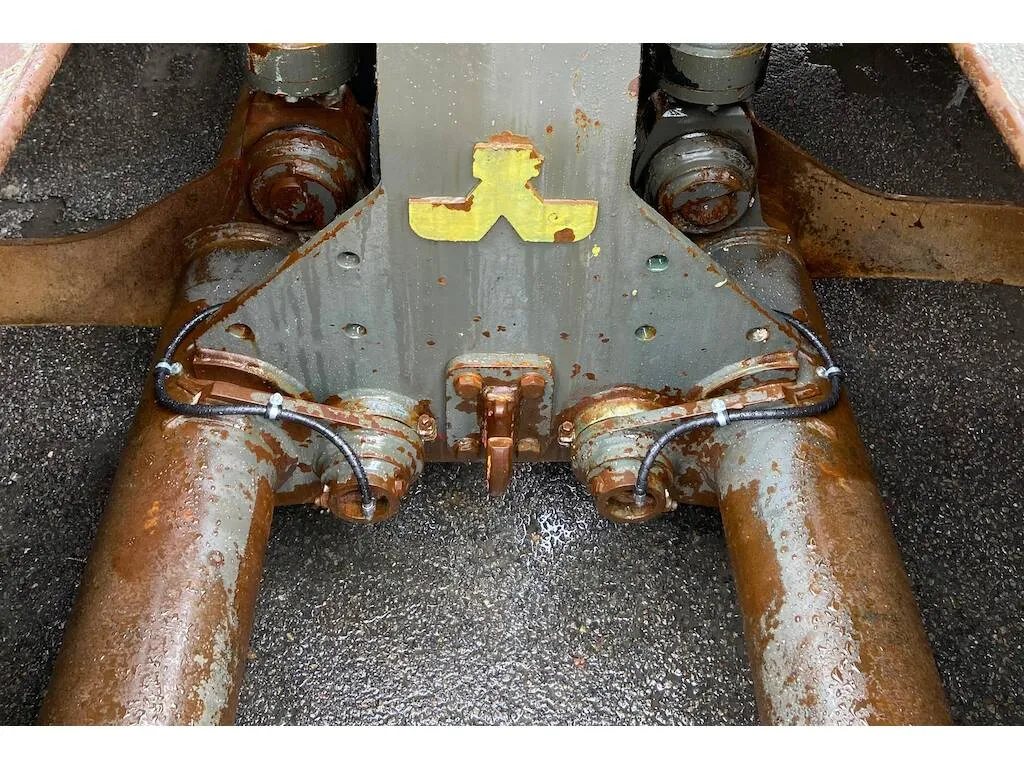
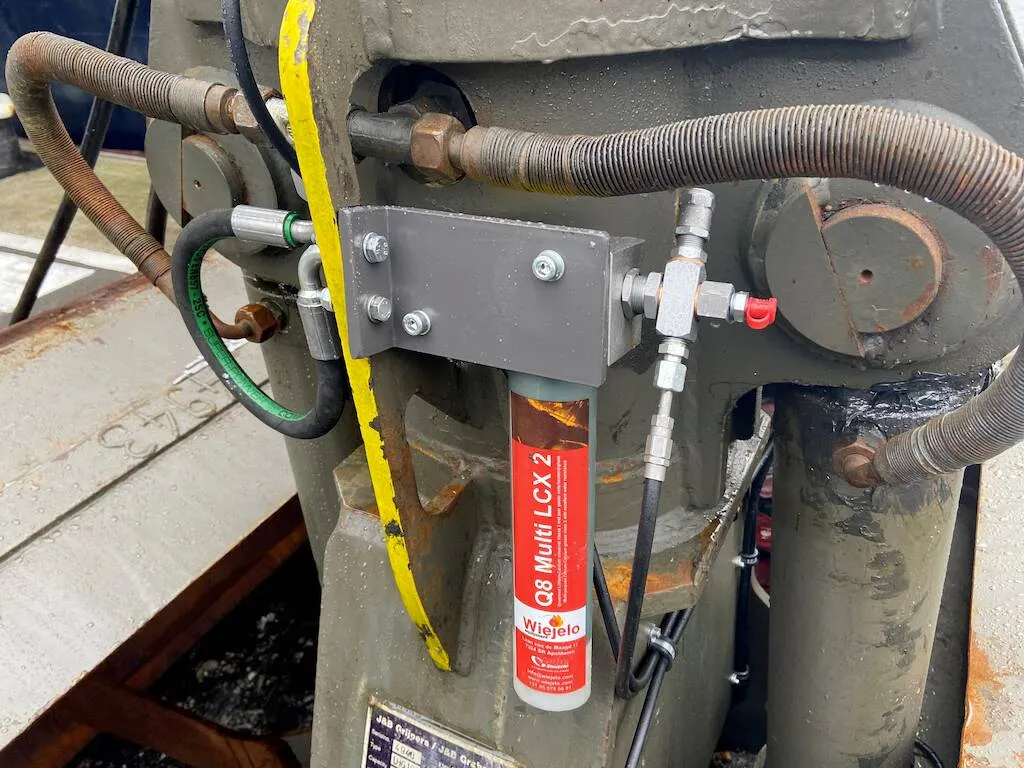
Berry explains the problem: “To lubricate a grab manually, it is opened fully and placed on the ground, while the weight of the grab and crane continues to exert pressure on the pins. As a result, manual greasing only delivers grease to the unloaded side of the bearings. Grease naturally takes the path of least resistance, so dirt (sand) always remains between the pins and bushes, leading to accelerated wear.” The solution is as simple as it is effective: “Automatic lubrication works while the grab is moving, giving access to all sides of the bearings. Every time the grab closes, the hydraulically driven Wiejelo pump delivers a shot of grease. The dose is adjustable, allowing optimal lubrication for any type of grab and application.” The Wiejelo grease pump operates independently, without an electrical connection.
Question about this story? Ask your question
Keep following this
Get an email when a new story is published. No account needed.
- ThemeSmarter use of machinery and plant
- SubjectNews







