












Artificial intelligence to optimise sorting of plastic household waste
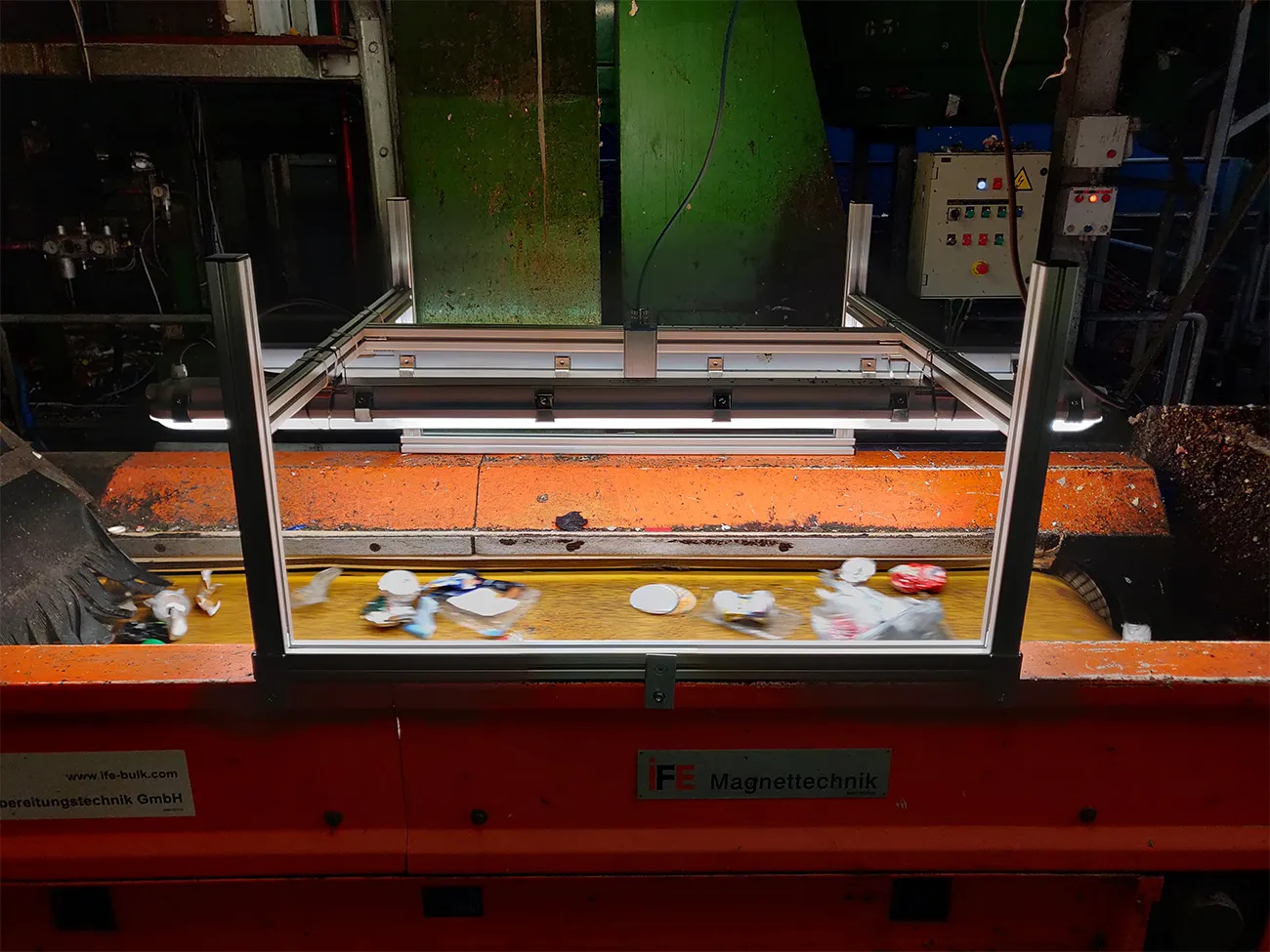
Cameras equipped with artificial intelligence above a sorting or recycling line detect the different types of waste passing by. “Real-time information about waste streams can optimise the processing operation,” says Nicolas Braem of start-up PolyPerception. The system is now being tested in Switzerland, among other places.
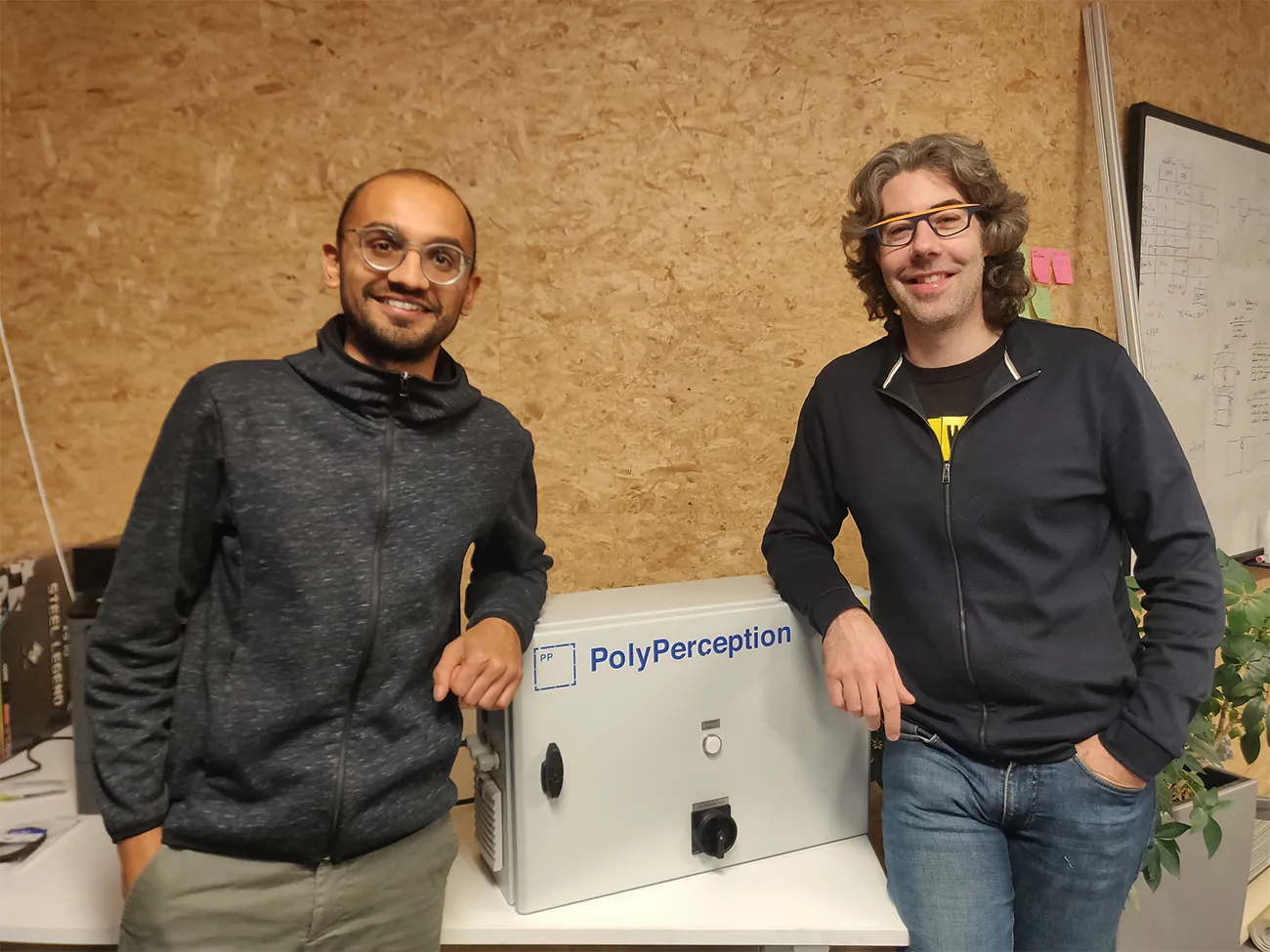
“Our product is already market-ready, but we are continuing to work on improvements.” So says Nicolas Braem, CEO and co-founder of start-up PolyPerception, which has developed an AI solution for sorting plastic household waste. Initially, he shared a coworking space in Antwerp with other companies. The start-up now has six employees and occupies the entire office. Braem’s background is in software development. “I worked for a company that developed automation solutions for the manufacturing industry. After a while, I was looking for a challenge where I could have a greater impact on society.” Through a subsidised project with the City of Antwerp, where he investigated the potential for automation in waste sorting, he came up with a software solution that detects individual objects in the waste stream. He continued working on the invention in his spare time and, not long afterwards, brought on board Parshva Mehta, who has expertise in the recycling industry. The pair successfully submitted an application to VLAIO. They also invested in their own start-up, while tech start-up accelerator imec.istart provided a financial injection.
Smart cameras
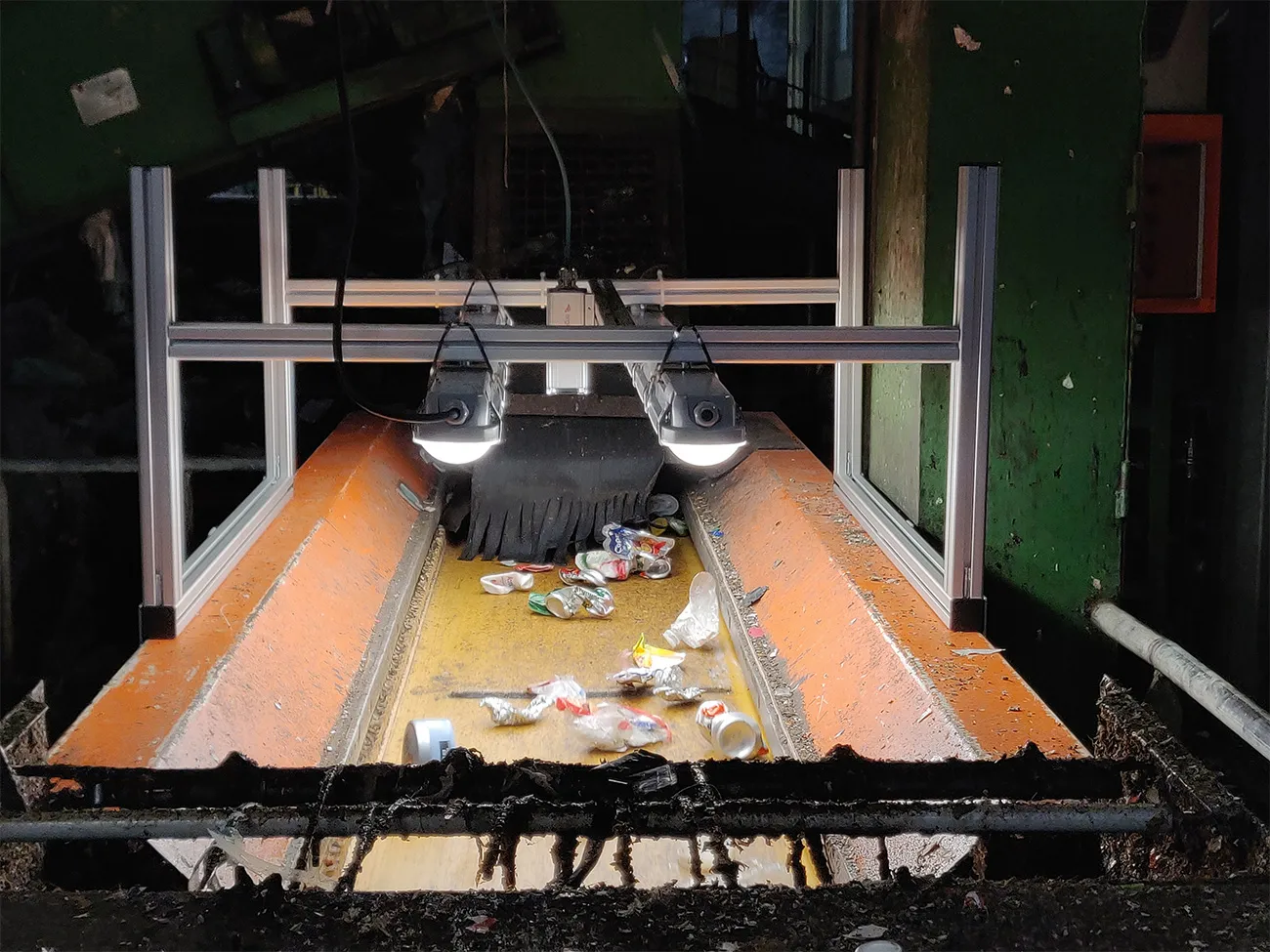
PolyPerception’s system can now classify waste into different types and also provide a reliable estimate of its weight. It uses cameras mounted above a sorting line to record passing waste, which is then analysed using artificial intelligence. The software distinguishes, among other things, between shapes (bottle, tray, film), materials, colours, and food and non-food items. Five AI engineers are currently fine-tuning the programme, which is now being trialled at Sitel in Liège. PolyPerception has also deployed systems at a Swiss waste processor and at PRS, the organisation responsible for collecting and sorting plastic waste there. Sorting and recycling companies, as well as authorising organisations, are potential users of the smart waste recognition system, which makes data available in real time.
Real-time information
Mehta, who is responsible for business operations, says real-time data can significantly improve the sorting and recycling process. “At the moment, the process relies on samples. Two or three tonnes pass through per hour, and a 100 kg sample is taken periodically. It is much harder to adjust the process in this way.” Access to real-time information allows household waste processors to respond more quickly. He gives an example: “If there are a lot of ketchup bottles in the waste stream, for instance, which contain more fats, you can immediately adjust the machines or use different purification additives.” The smart cameras can also be installed at different points in the recycling process, making it possible to measure the efficiency of various processes.
Transparency across the chain
The system can also improve transparency across the chain, as sorting companies can provide detailed information about the streams they send to recycling companies. The entrepreneurs say waste streams are becoming increasingly complex because legislation is requiring more recycling as less waste is being incinerated. Initially, the blue bags contained only plastic bottles, metal packaging and drink cartons (PMD). Other types of plastic are now also allowed in the bags. “This also makes the sorting process more complex, making real-time monitoring even more relevant.” Although Braem and his team initially focused on making household waste processing smarter, he also sees opportunities in other waste streams in the longer term. “Artificial intelligence can help optimise and automate processing in every sector.”
Question about this story? Ask your question
Keep following this
Get an email when a new story is published. No account needed.
- ThemeMaking plastics and packaging circular
- SubjectNews







