












Advanced digital solutions to improve the circularity of solar panels
Text Valérie CouplezImage iStock en Sophia
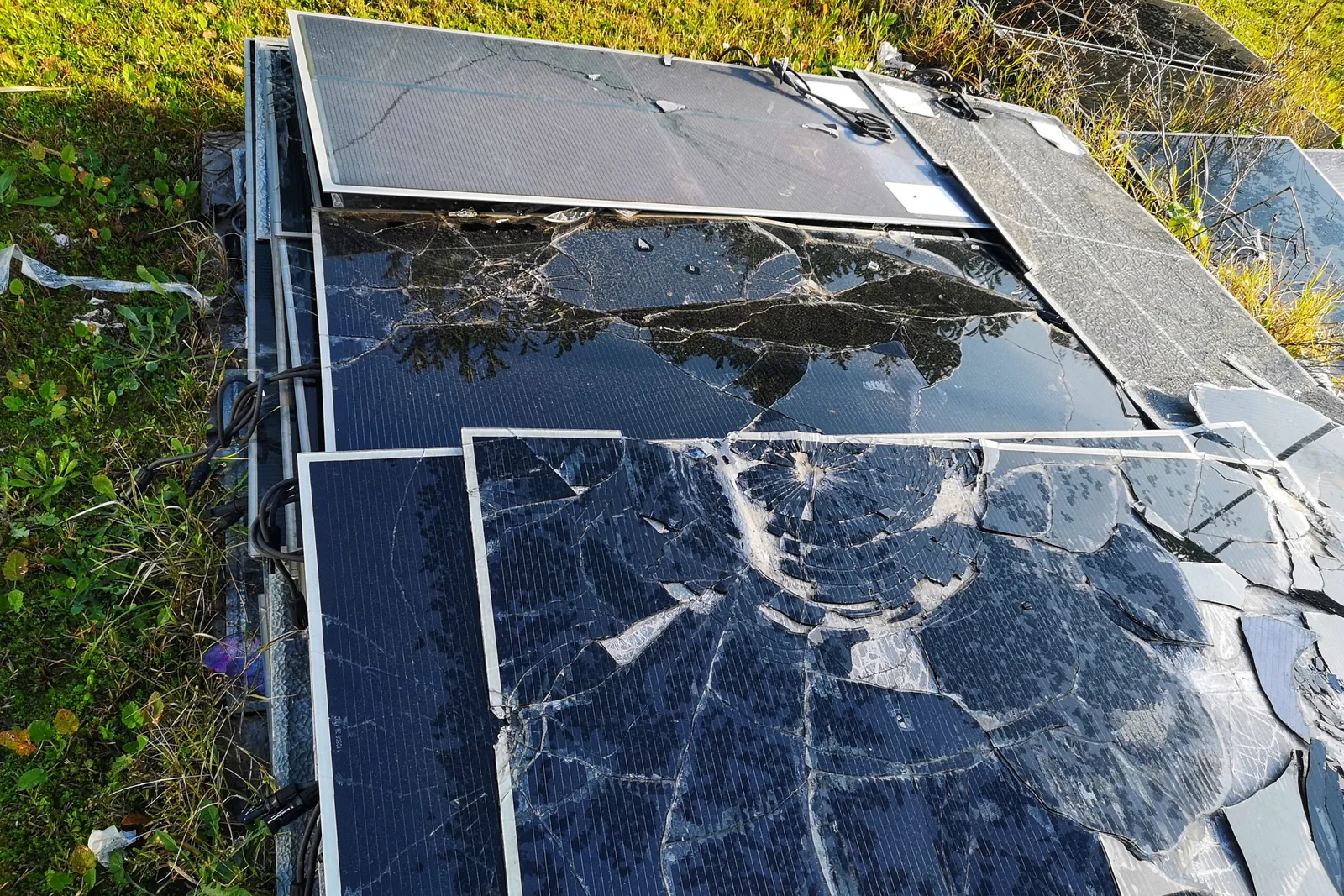
A year ago, a new European project was launched to improve the circularity of solar panels. Sophia is placing a strong emphasis on digitalisation across the entire value chain to improve reuse, enable repairs and increase recycling rates.
Solar energy is a key driver of the global transition to renewable energy. Solar panel installations in the EU are increasing rapidly, and so is the amount of waste they generate. By 2030, solar panel waste could amount to 1.7 to 1.8 million tonnes, rising to 60 to 78 million tonnes by 2050.
Assessing condition
Sophia is first developing a prototype that can quickly assess the condition, and therefore the efficiency, of solar panels. Panels with more than 80% of their performance remaining will be repaired using robot-assisted equipment and high-performance dielectric varnish. Panels that cannot be repaired will be recycled using innovative technologies to optimise the separation of their main components: glass, silicon, metals and plastics. An in-line system for quantifying antimony will be implemented for the glass fraction to maximise its recovery and valorisation. To achieve long-term circularity for the panels, a new eco-designed solar panel that is easy to dismantle will also be developed, using bespoke adhesives to make it easy to separate the different layers.
Digital platform for improved traceability
However, as noted, digitalisation also plays a crucial role in closing the loop for solar panels. A digital platform will be developed to introduce the Digital Product Passport (DPP) for new and repaired solar panels, as well as to collect information to trace existing panels without a DPP. The traceability and information available through the platform will make panels and components easier to identify, enabling them to be repaired or recycled. Their digital passports are intended to help produce purer fractions, improve the quality of secondary raw materials and reduce waste generation. Repaired and eco-designed panels, along with upcycled fractions from end-of-life PV panels, will be offered for sale on a dedicated marketplace, with each product supported by a DPP system.
Achievements
In May, Sophia provided an initial update on what had been achieved over the past year. One early outcome is the report ‘Best Practices for the Collection and Transport of End-of-Life PV Panels and an Overview of the Value Chain’, led by Recyclia in close collaboration with consortium partners and relevant stakeholders. The study maps all the actors involved in the end-of-life PV panel ecosystem and identifies the interactions, drivers and constraints that shape their behaviour. It highlights key bottlenecks and opportunities, and shows how Sophia’s strategies can be used to make the system more circular, including through a forward-looking scenario for a further optimised value chain. CIDETEC has developed a dielectric varnish with improved adhesion to glass, designed for application to cracked or damaged panels to ensure the electrical insulation of internal components, thereby extending the service life of installations that would otherwise be destined for recycling. The first batch has been sent to partner La Hormiga Verde (LHV) for laboratory testing on real photovoltaic panels, with the results set to confirm the varnish’s effectiveness under real-world conditions. This solution will be integrated into a repair system developed by SADAKO. Panels will first be assessed using AI-based condition assessment tools before undergoing semi-automated repairs, bringing together CIDETEC’s chemistry, LHV’s facility and SADAKO’s software in a single repair workflow.
Sophia consortium
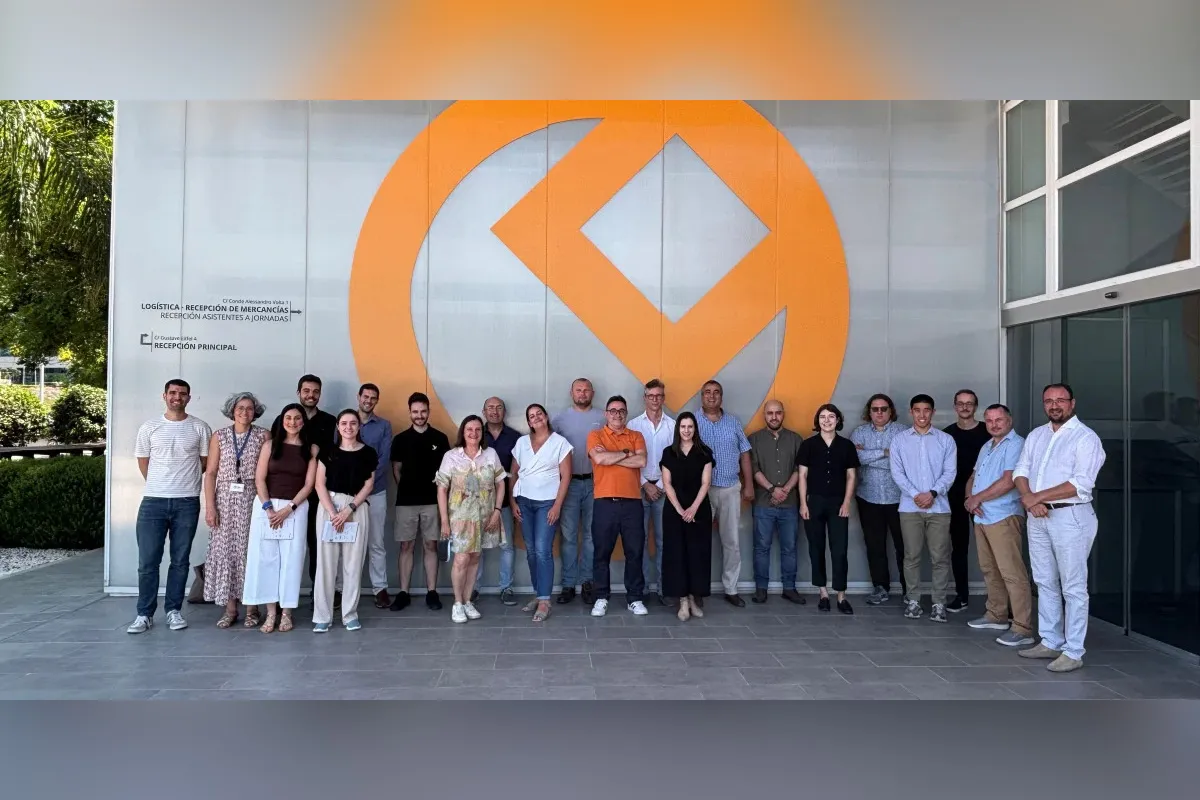
The Sophia project runs for 26 months and officially started on 1 June 2025. It is funded by the Horizon Europe research and innovation programme. It is coordinated by Spain’s AIMPLAS. The consortium comprises fourteen partners from across Europe: Akumpt, Biosolar, CEPS, Cidetec, ENCO, EuRIC, Ferrog, Fraunhofer, IS, LHV, Recyclia, Sadako, Sisecam, Wilock.
Question about this story? Ask your question
Keep following this
Get an email when a new story is published. No account needed.
- ThemeCircular processing of electronics and batteries
- SubjectNews







