












A visit to Eindhoven-based electronics recycler Mirec
Mirec has definitively stopped recycling appliances containing cathode-ray tubes, the Eindhovens Dagblad reported at the start of this year. Managing director Jan Visser says the decision was prompted by a combination of factors: lower volumes and stricter regulations. There was little time to dwell on it, as the Eindhoven-based electronics recycler is fully occupied with recycling the new generation of televisions (flat panels) and other household and IT equipment.
Visser still finds it remarkable that the Council of State / province of North Brabant withdrew the permit for mechanical dismantling. “We were only granted a permit for the manual dismantling of old televisions, with the cathode-ray tubes having to be stacked in crates after dismantling. This is anything but efficient and is also dangerous for our employees, as it increases the risk of cuts from the sharp glass. What’s more, our competitors are allowed to tip old cathode-ray tubes into a closed container via a conveyor belt, so there is no contact with the fluorescent powder, and even the German processor does not appreciate crates. But we have accepted the situation, bearing in mind that the volume of old cathode-ray tubes is falling quite sharply anyway.”
Usable raw materials
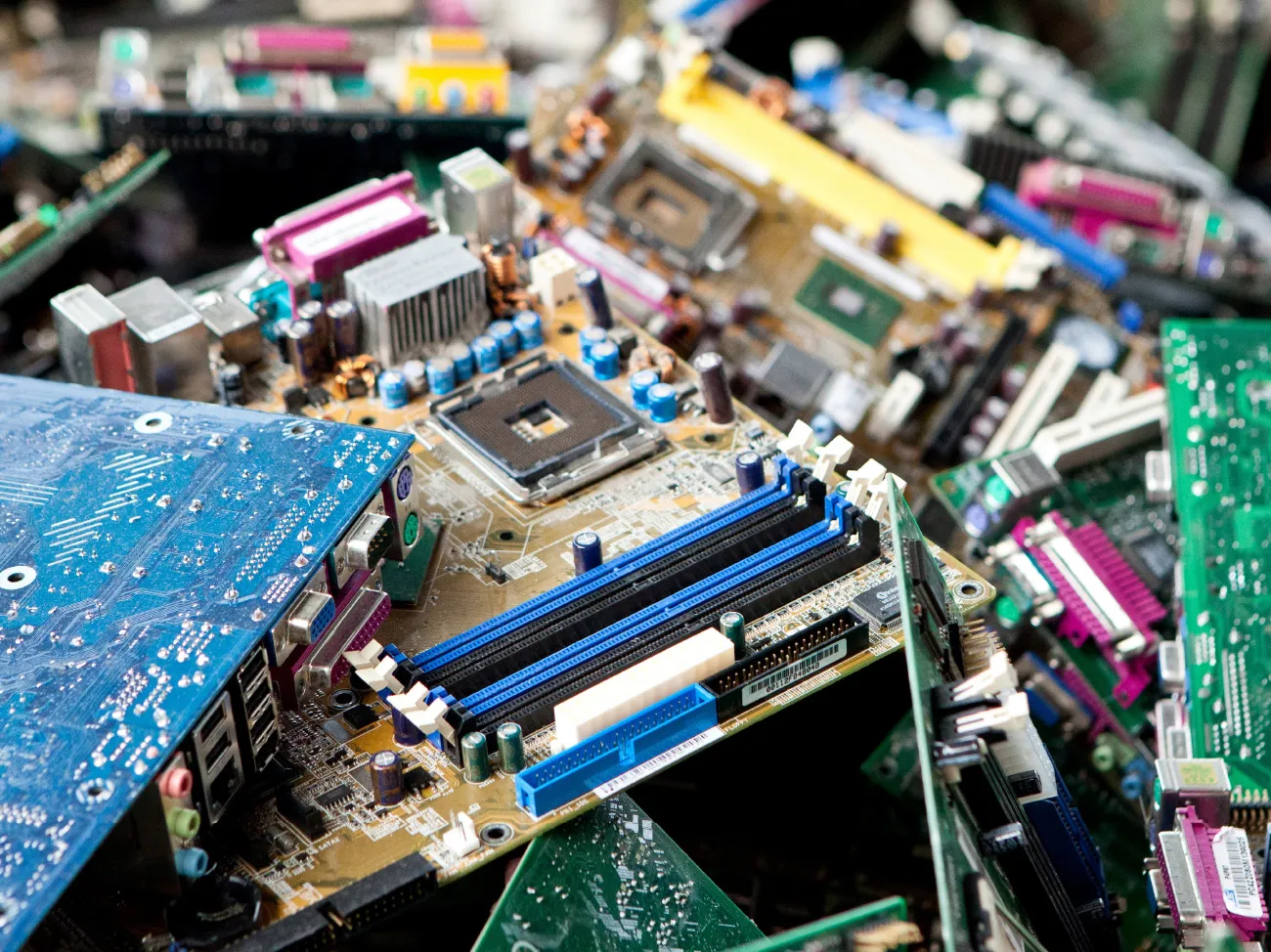
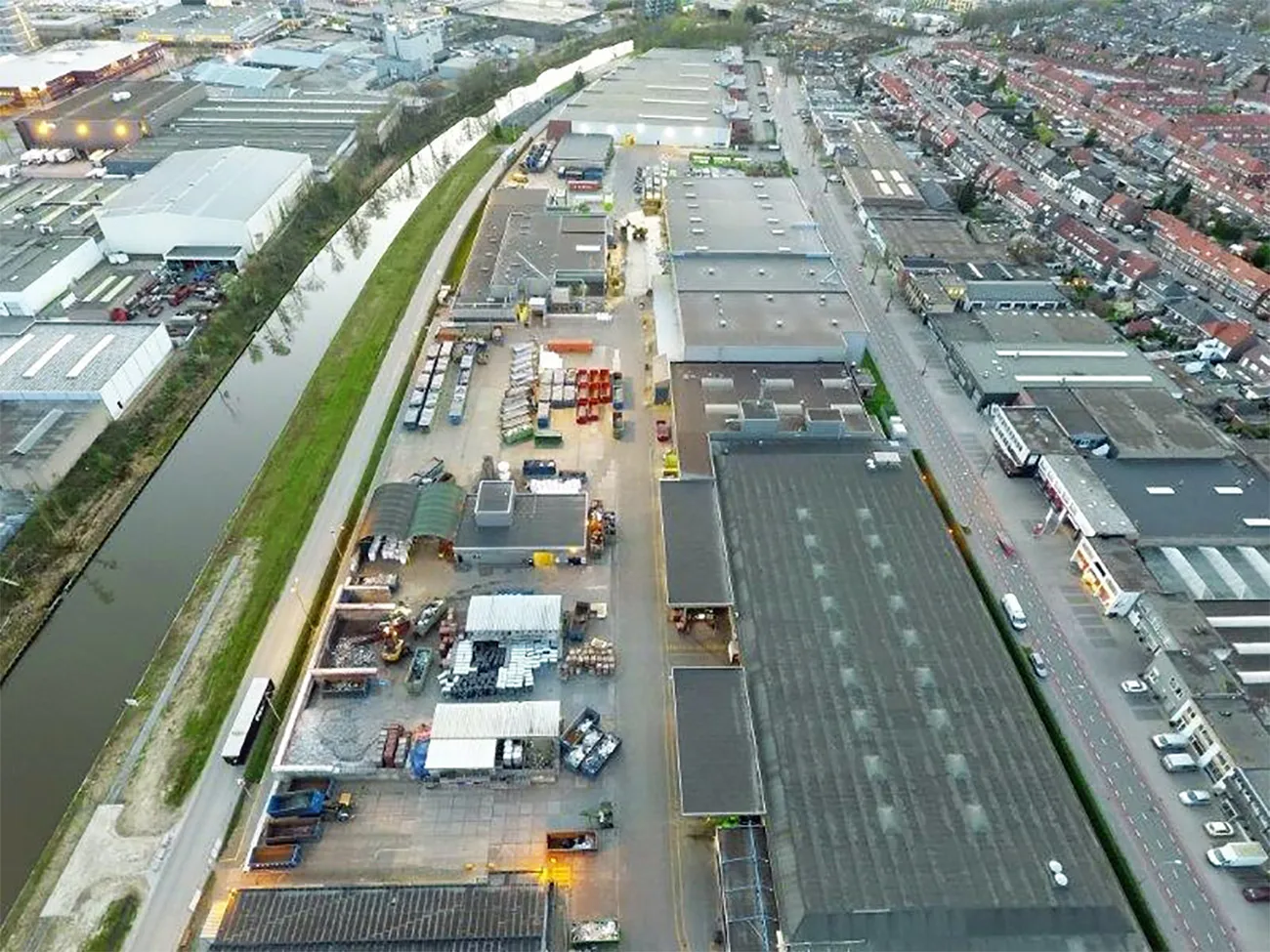
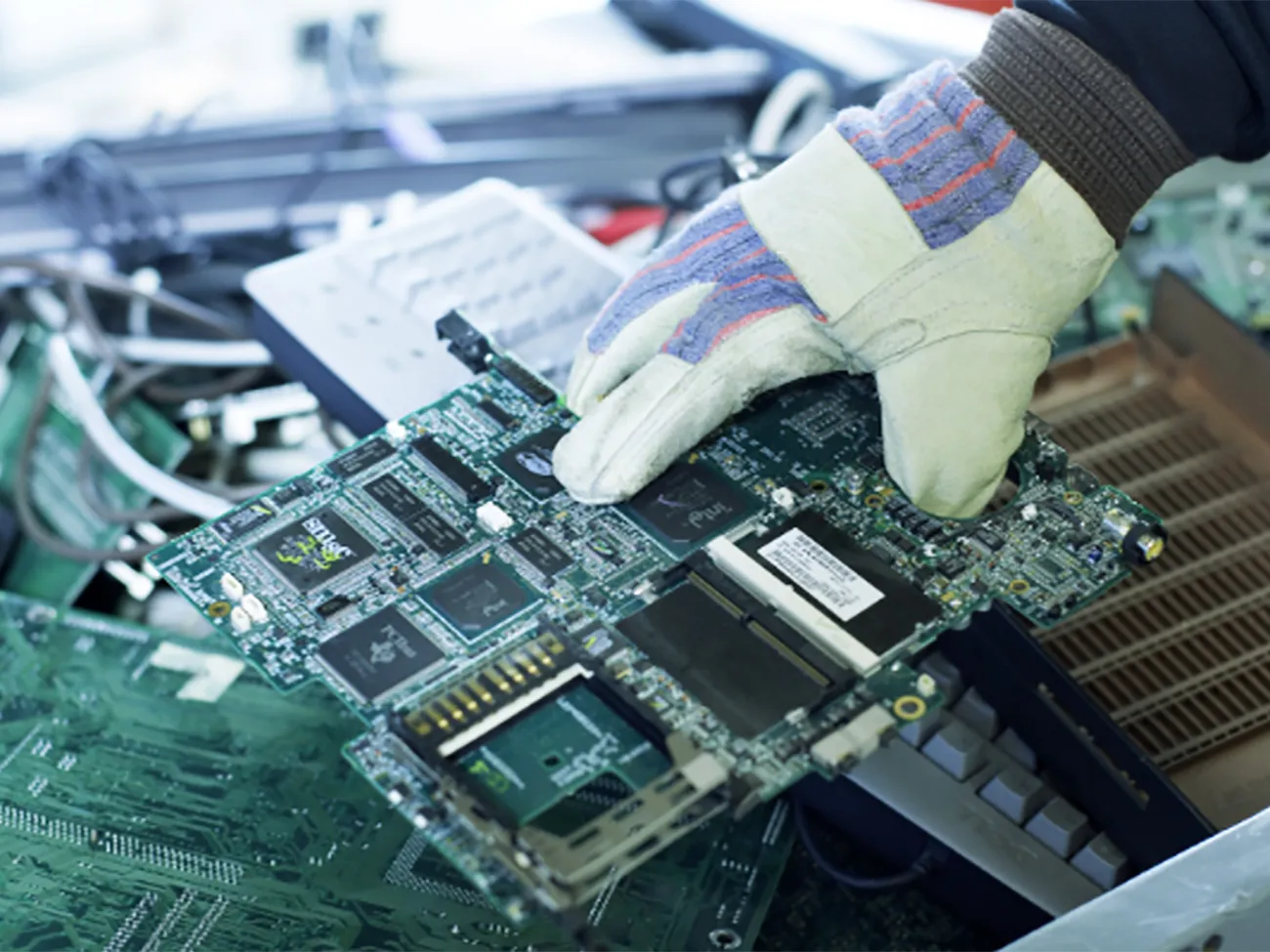
Mirec is part of the Remondis Group, a large German family-owned company, and focuses on recycling small household appliances, IT equipment and flat panels at its 55,000 m2 site in Eindhoven. “We can recycle more than 95% of this equipment into iron, aluminium, plastics, copper and a small proportion of precious metals, which are then returned to the market as raw materials,” says Visser. “We manage the entire process of turning discarded electronic products into usable raw materials, from A to Z, and carry it out entirely in-house.” His colleague Alfred Jager, commercial director at Mirec, adds: “The combination of activities and the availability of a range of processing lines make us truly unique. We also buy waste streams from third parties, such as printed circuit boards, chips and memory modules, and, after a specific processing step, make them available for reuse. Demand for these materials is high because of severe shortages on the market. We also process surplus stock from manufacturers or distributors that can no longer be sold. These products are often still in their consumer packaging and are processed appropriately under camera surveillance. This provides a degree of traceability and guarantees their destruction.”
Circularity
The proportion of plastics in electronics is enormous and will continue to grow, Visser expects. “Plastic is seen as the ‘metal of the future’. The material stream contains less and less precious metal, but far more plastics and batteries. This presents an additional challenge, particularly when it comes to the risks posed by residual energy in batteries. We have therefore invested heavily in various detection systems and in separating waste streams into compartments to prevent and manage fires. All our processes are geared towards achieving the highest possible recycling rate and returning used materials to the raw materials chain.” Everyone talks about circularity, but we are right at its heart, Jager notes. “We have been working on circularity for many years and are taking it further all the time. For example, we are involved in several ‘pilot projects’ in which we work with Stichting OPEN and electronics manufacturers, among others, to develop initiatives to make plastics containing flame retardants more suitable for reuse.”
According to Visser, Mirec’s ambitions for the near future are to further improve efficiency, fully mitigate battery risks and increase circularity. “We aim to make e-waste circular together with all our partners in the chain.” Dutch consumers will not be a barrier, as recent research by Stichting OPEN shows that they are entirely willing to dispose of old appliances sustainably.
Question about this story? Ask your question
Companies in this story
Keep following this
Get an email when a new story is published. No account needed.
- ThemeCircular processing of electronics and batteries
- SubjectNews
- CompanyMIREC BV







