












A sustainable solution for hazardous medical waste
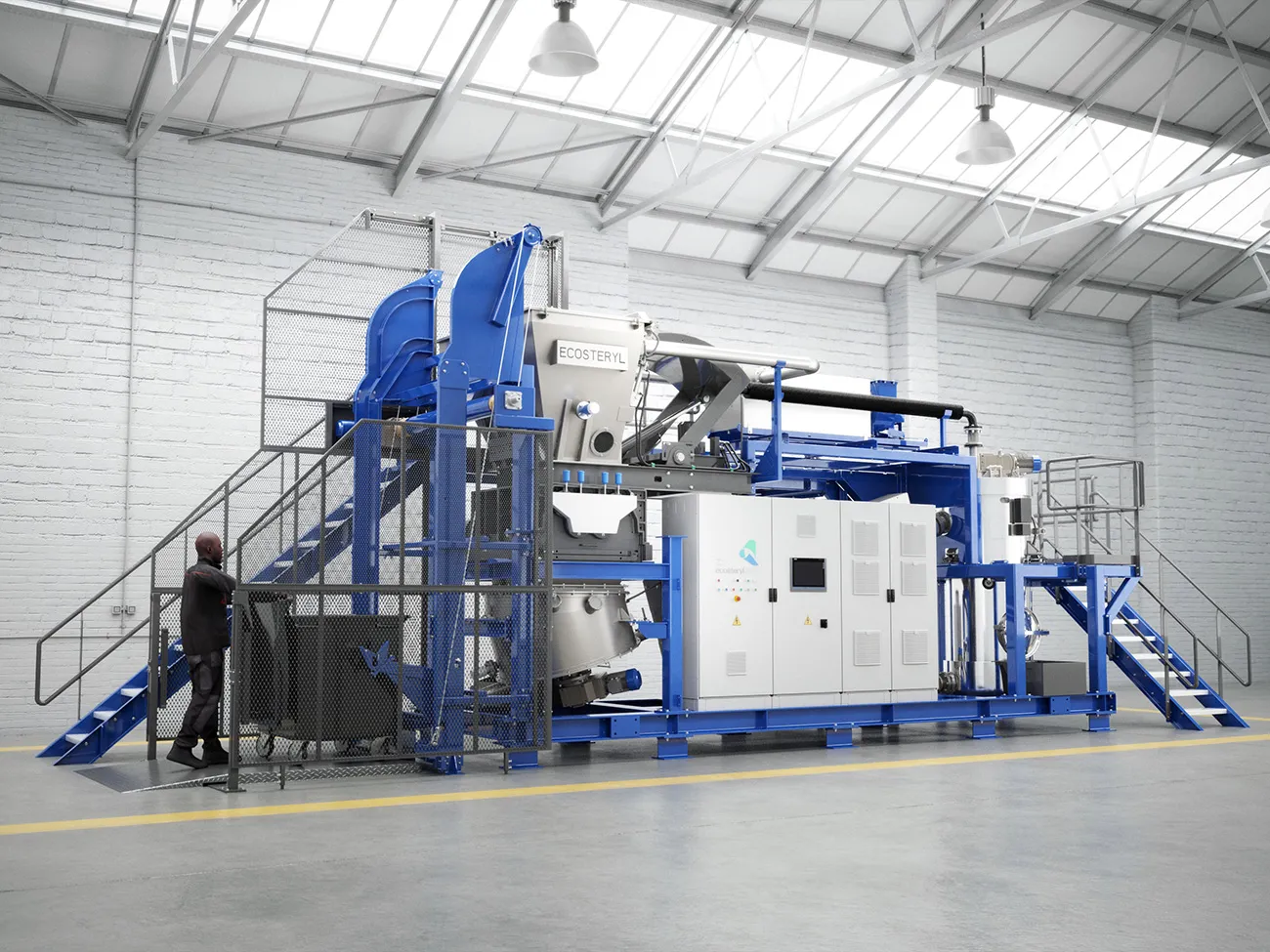
Hospitals are sitting on a mountain of waste. Because of the medical risks, most of it is currently simply sent to a specialist incinerator. That is a waste when you consider the cost to society in valuable raw materials and the cost to the environment in CO2 emissions. Du-Con Trade and InnoMax are working hard to develop an alternative that offers much greater added value. By first decontaminating hazardous medical waste, it can once again be reused and recycled.
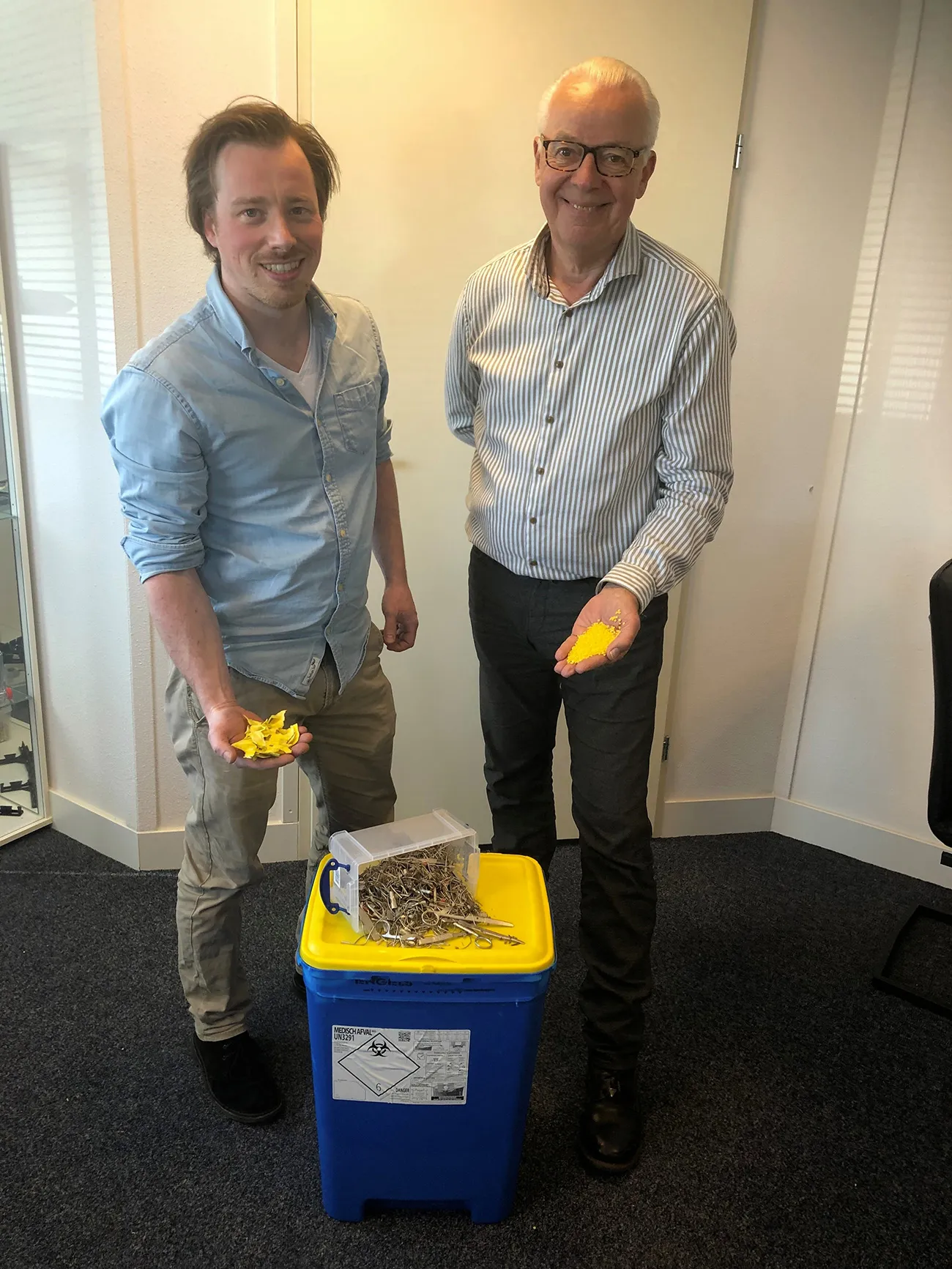
InnoMax has been active in recycling technology for more than 35 years. Together with Du-Con Trade, the company helps customers specify and select the right technologies to recover raw materials from waste as efficiently as possible. Managing director Cees Duijn says: “Today, recycling should above all be about reuse. Through our sister companies Du-Con Trade and InnoMax, we are putting our specialist expertise to work on projects that help upgrade, recover and recycle waste and residual materials. Du-Con Trade focuses on finding the right technology, procurement, delivery, transport and on-site installation for customers. InnoMax acts as a consultancy, drawing on its expertise to support recycling companies. We also run Uquip, an online platform for buying and selling, which matches used recycling machinery and plants with new owners. That, too, contributes to our mission to treat the environment as sustainably as possible.”
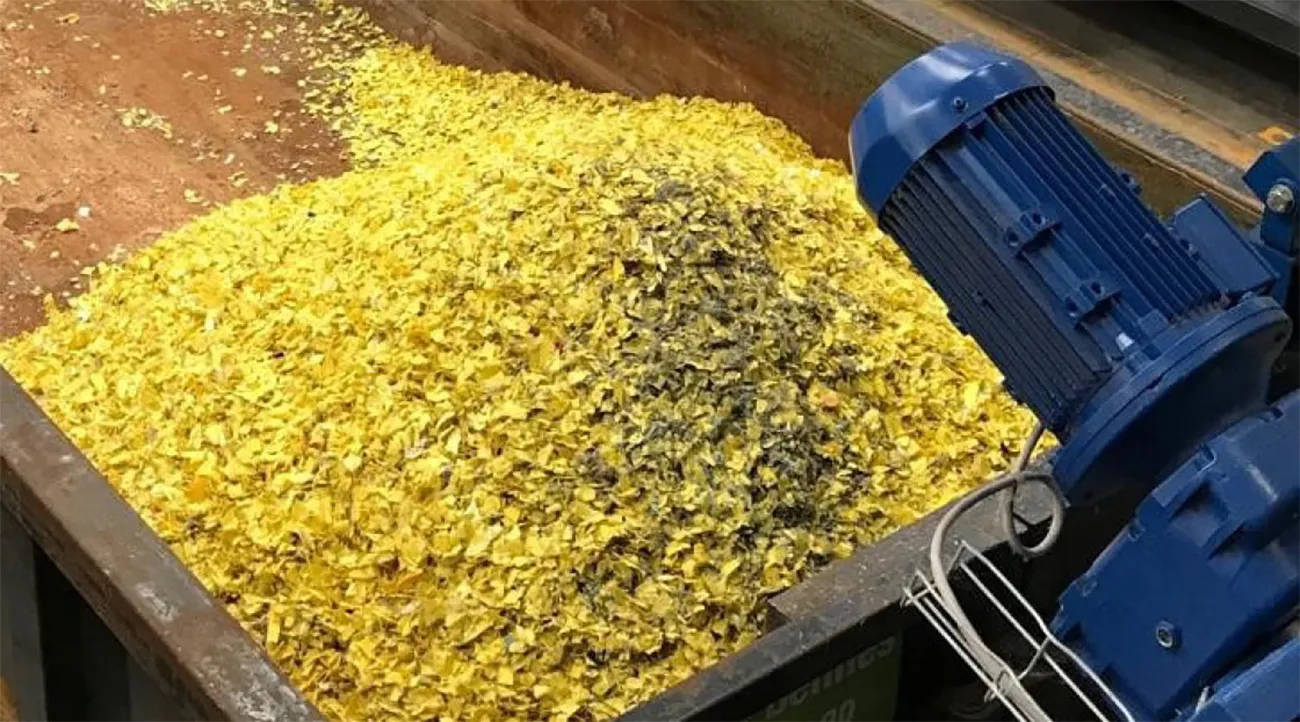
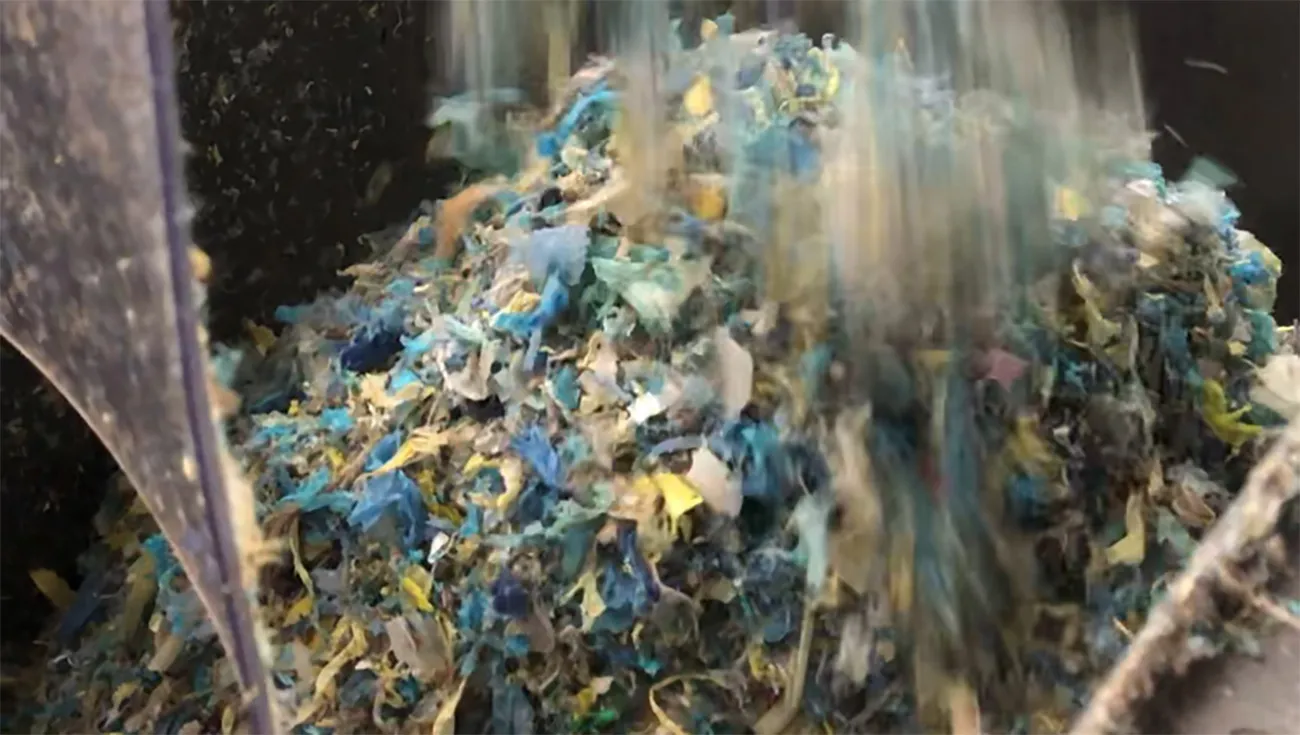
The pilot set-up by Du-Con Trade and InnoMax had already demonstrated the very high quality of the plastics and metals. These are materials that the recycling sector is crying out for.
Decontamination, separation and recycling
One area where Du-Con Trade and InnoMax see considerable scope for improvement is hospital waste. “Around 40,000 tonnes of hospital waste are generated in the Netherlands each year. This waste is collected in plastic drums and then taken to ZAVIN (Ziekenhuis Afval Verbrandingsinstallatie Nederland) in Dordrecht, where it is incinerated in the drums. In Belgium, it goes to Indaver in Antwerp. Incineration places a considerable burden on the environment, as well as on hospital budgets. The facility has a monopoly and charges between 1,200 and 1,500 euros per tonne. Surely, in 2022, there must be a better way? We need to use our raw materials more sustainably, especially now that they are scarce and energy prices are soaring.” Duijn found the solution in Belgium, at Ecosteryl in Bergen. “I came across this technology during a volunteer project in the Philippines. I immediately saw its potential for treating hazardous medical waste in a different way, in other words, decontaminating it. All infectious substances are destroyed, while the raw materials are retained and can then be separated and recycled. We are now working hard to roll out this approach in the Dutch market.”
Validated internationally
Dutch hospitals were certainly interested in the plans of Du-Con Trade and InnoMax, which hold a licence to commercialise Ecosteryl’s technology. It would enable them to take the next steps towards achieving their sustainability ambitions. However, the process proved far from straightforward at first. “Getting a permit involves a great deal of work because we are dealing with hazardous medical waste. Fortunately, the strong partnership between Du-Con Trade and InnoMax brings together a wealth of expertise. We went through all the legislation to produce a position paper on how we can help the healthcare sector become more sustainable. These plans have since been assessed against LAP3 sector plan 18 and further validated by Royal HaskoningDHV. We want to be able to show customers in black and white that all environmental standards are being met and what the benefits are in terms of sustainability.” The next step is a pilot project in Beverwijk to demonstrate the technology on an industrial scale. “Our pilot set-up had already demonstrated the very high quality of the plastics and metals. These are materials that the recycling sector is crying out for. This means our solution can create enormous added value on the road to carbon neutrality. We then want to bring the solution to Flanders, in accordance with VLAREMA.”
Question about this story? Ask your question
Keep following this
Get an email when a new story is published. No account needed.
- ThemeMaking use of textiles and other waste streams
- SubjectNews







