












A new lease of life for steel drums
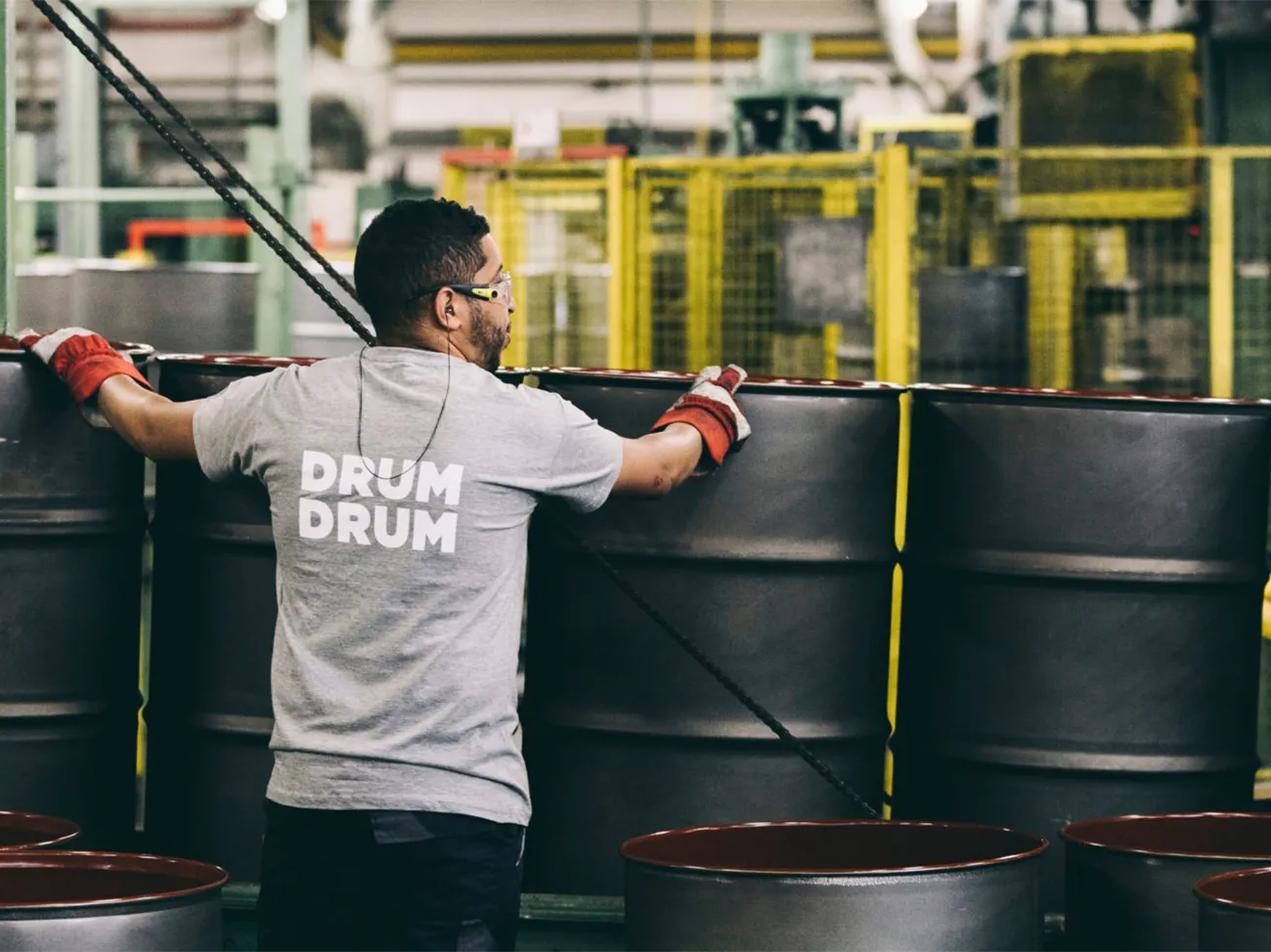
Reconditioning is the term used to describe restoring packaging to an almost new condition. It is a discipline that DRUMDRUM of Roeselare has mastered down to the last detail. As one of the few operators able to both wash and thermally treat steel drums at its site, it gives them a second life, often with the same companies. It does not get much more circular than that. We speak to CEO Philippe Verstraete.
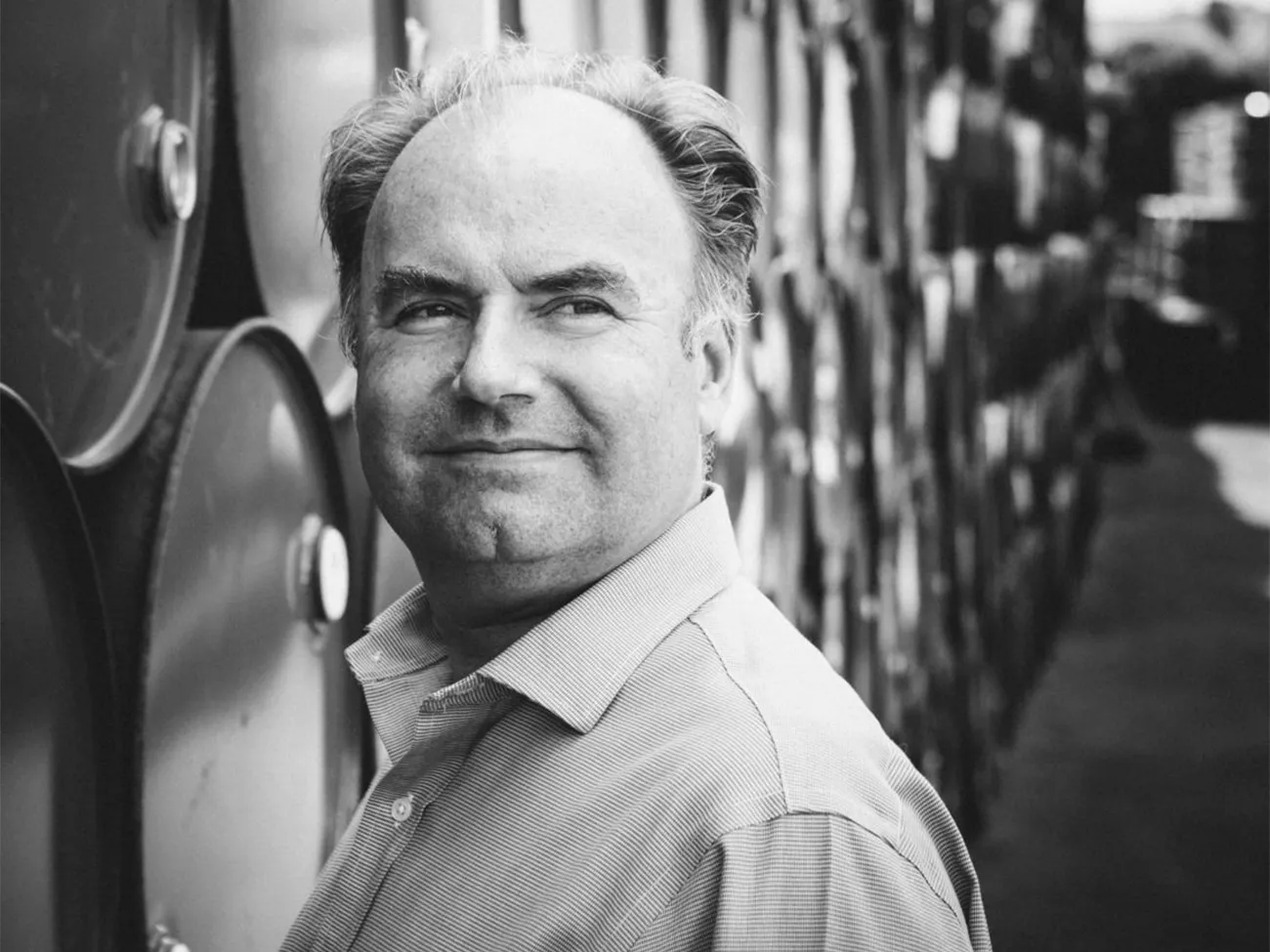
Every year, around 1.5 million drums arrive in Roeselare. 1.2 million leave the site in almost-new condition, thanks to the care they receive from DRUMDRUM. “Our family has been giving drums a second life for generations.” The family patriarch, Joseph Verstraete, started a cooperage in 1925 to repair wooden barrels and bathing tubs. “When steel drums became popular in Europe after the Second World War, in the wake of the Americans, we naturally moved with the times.” The family business grew, attracted the attention of international groups and went through changes in ownership. Then, in 2016, grandson Philippe Verstraete regained the majority shareholding. The name DRUMDRUM was born. “Because a used drum becomes a usable drum again here,” Verstraete explains. It was the start of a new growth story.
Washing or thermal treatment
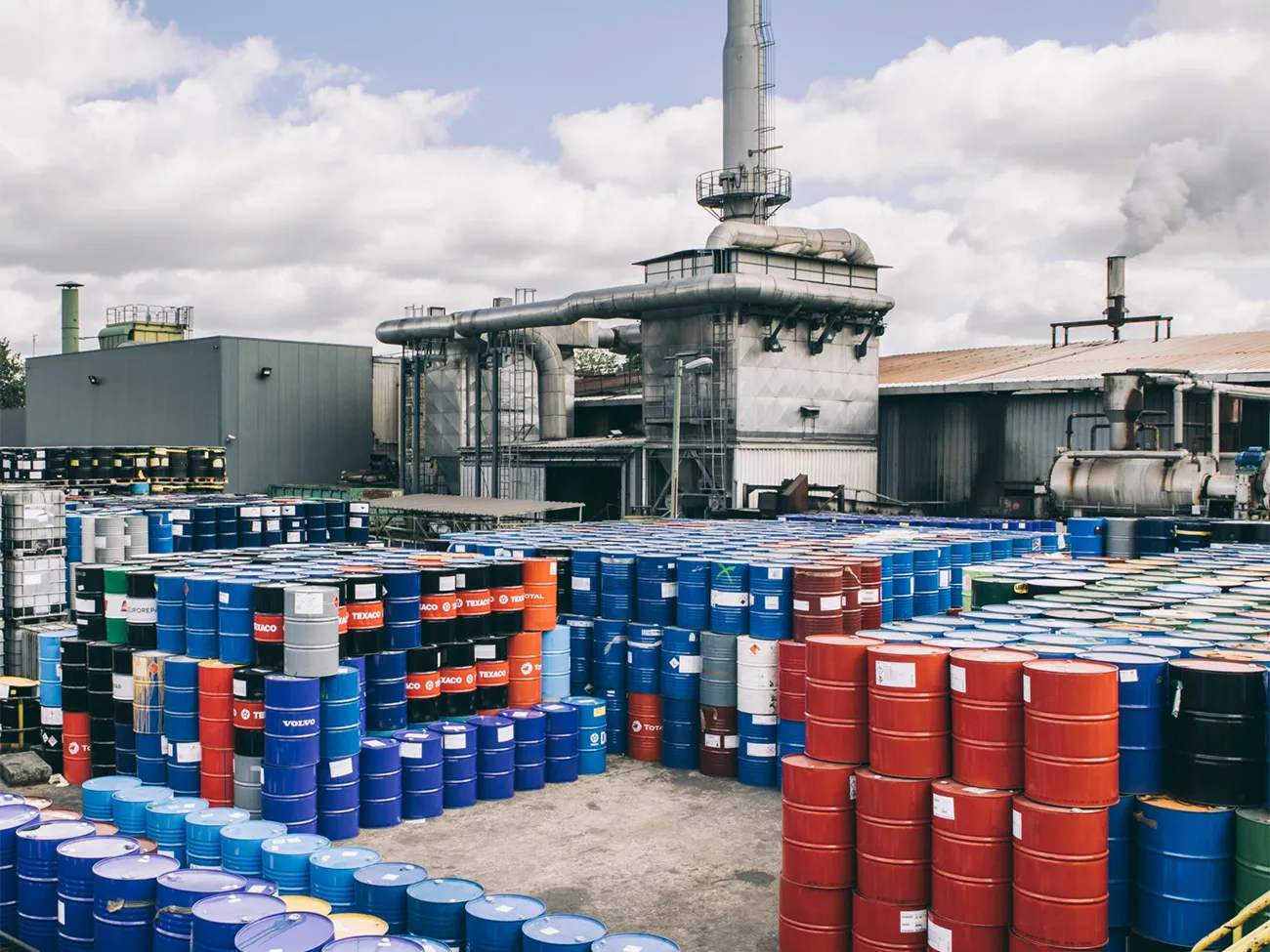
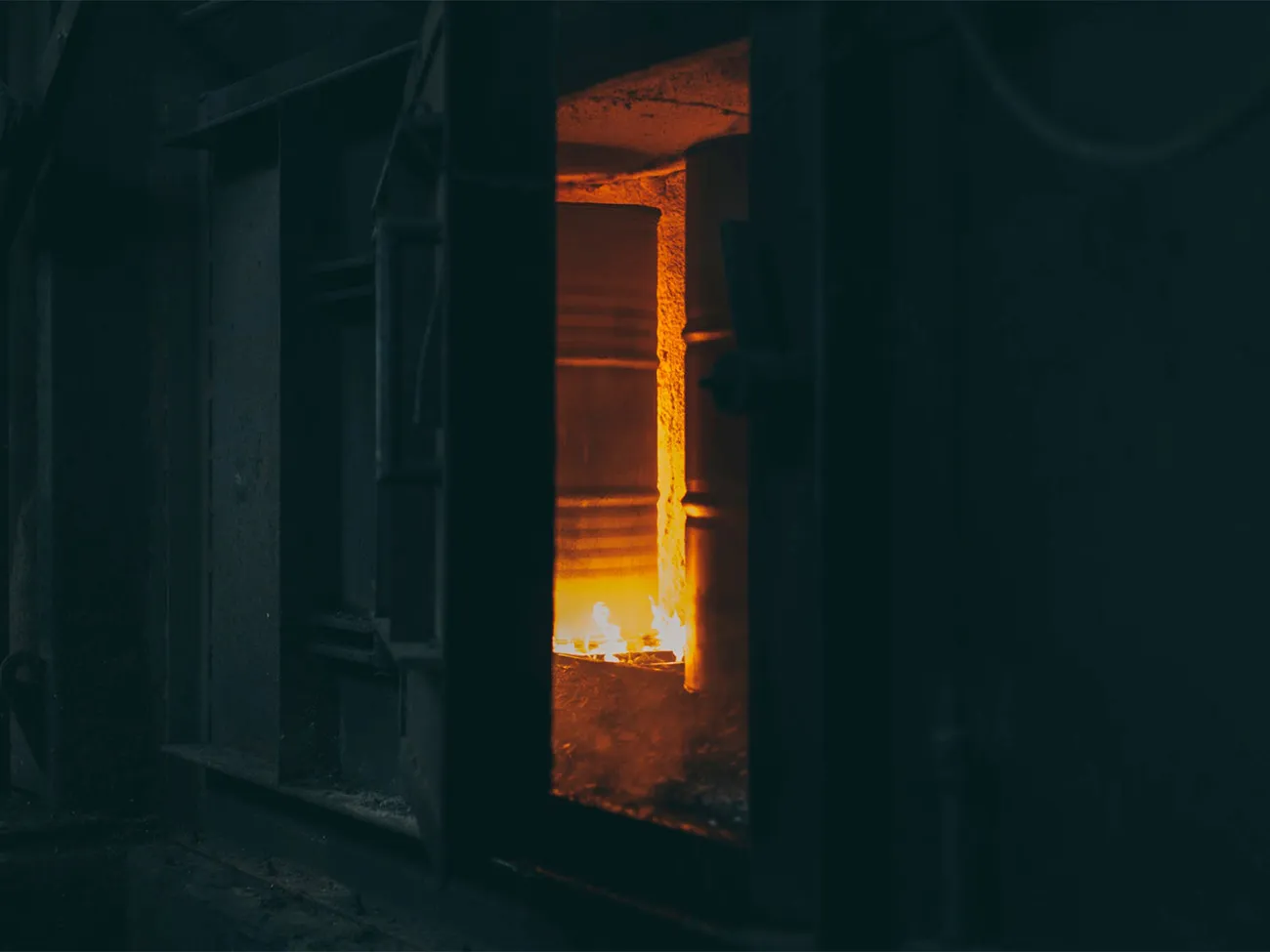
As you approach the 85,000 m² site, it is impossible to miss the company’s activities. Thousands of tonnes of drums are ready for treatment or dispatch. DRUMDRUM also keeps a firm grip on logistics. “Customer focus is at the heart of everything we do. We aim to deliver steel drums in full, exactly as the customer wants. That is why we have both treatment processes at our site, a unique offering in the European reconditioning sector.” Depending on the products they contained, steel drums can be washed or thermally treated. “The washing tunnel provides chemical cleaning. As the drums pass from one station to the next, they get progressively cleaner, until they emerge at the end of the tunnel in almost-new condition. If the drums contain material that cannot be washed out, however, they are opened and sent to our furnace, where temperatures exceed 600°C. This separates and removes the residues. The drums are then blasted to remove any remaining paint and logos. To protect them again, we apply a new coat of paint inside and out, selected according to the product the customer will fill them with.”
Maximising value recovery
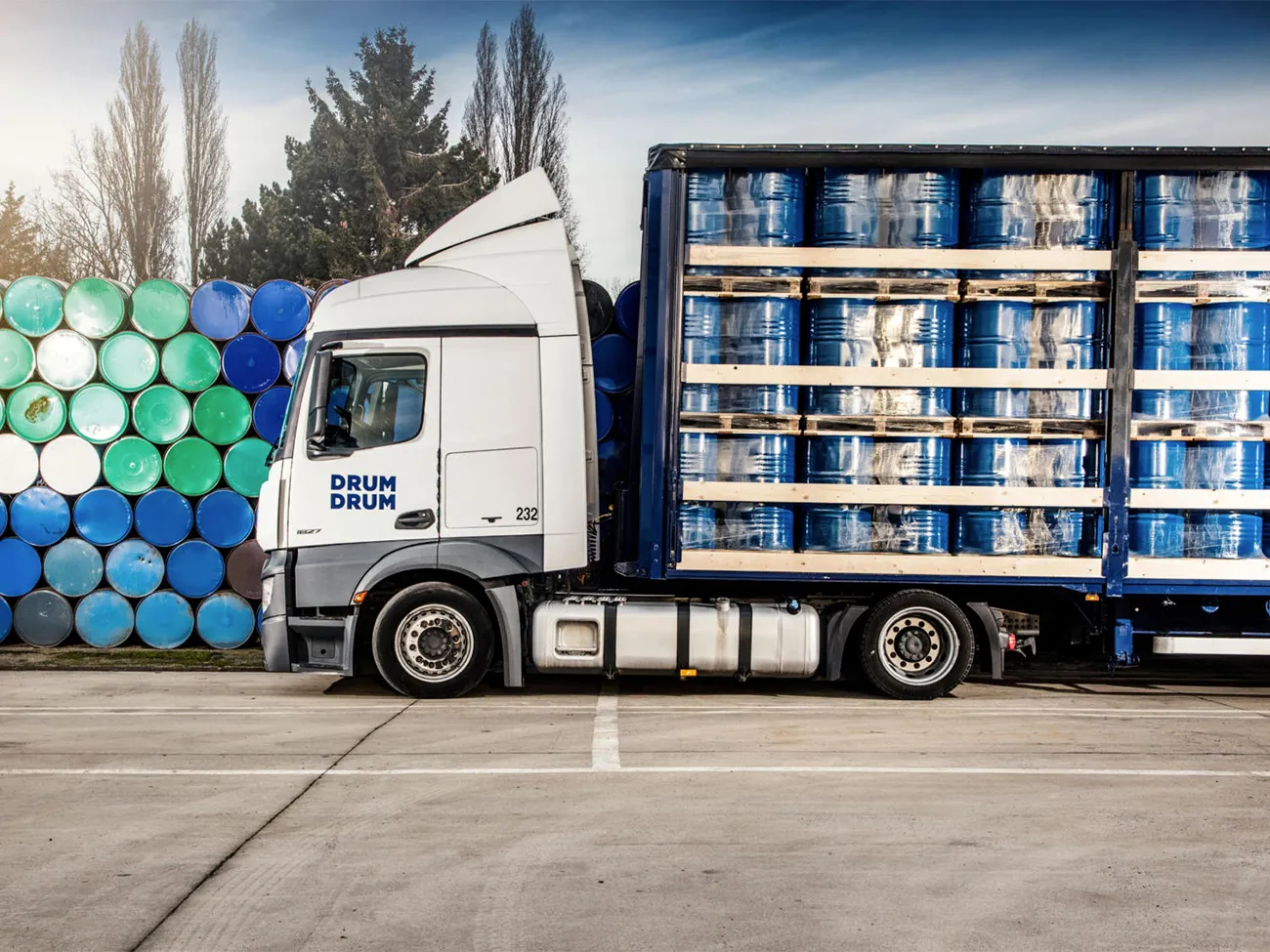
By offering both techniques, DRUMDRUM kills two birds with one stone. “We can take in every type of drum, so our customers are well served, and we can maximise the value of every drum according to its quality and treat it as efficiently as possible. That benefits the environment too. I see it as a major asset,” Verstraete sums up. Drum reconditioning brings environmental benefits in its own right. “Our processes use only a fraction of the energy that would be needed to extract new ores and make steel from them. Greenhouse gas emissions are up to 60 to 80% lower. That is an argument companies are listening to today. Interest in reconditioning has certainly increased as a result of the European Green Deal and the focus on circularity. Previously, it was more a question of price, and it was up to us to master our processes down to the last detail to stay below the price of a new drum. That is why we put customer requirements at the heart of everything we do. That is how we create added value.” A good example is the recent investment in a second palletising line. “There is a clear trend among customers towards having drums delivered already loaded onto pallets.”
Confidence in the future
With capacity still available for growth and expansion, the future looks bright for DRUMDRUM. “I’m pleased with the company we have here and with the efforts we have made to bring it back into the family,” Verstraete continues. “I believe in it. We have invested heavily in automating the reconditioning processes. But a great deal of know-how and experience is still needed to restore every drum to almost-new condition, and to monitor and optimise the parameters at each process stage. Our team of skilled, experienced employees really makes the difference. They ensure that we deliver the right quality to our customers and that we work as effectively as possible in terms of quality, cost, environmental impact and safety.”
Question about this story? Ask your question
Keep following this
Get an email when a new story is published. No account needed.
- SubjectNews







