












A look back at 30 years of redeveloping contaminated sites
Text Els GoethalsImage OVAM
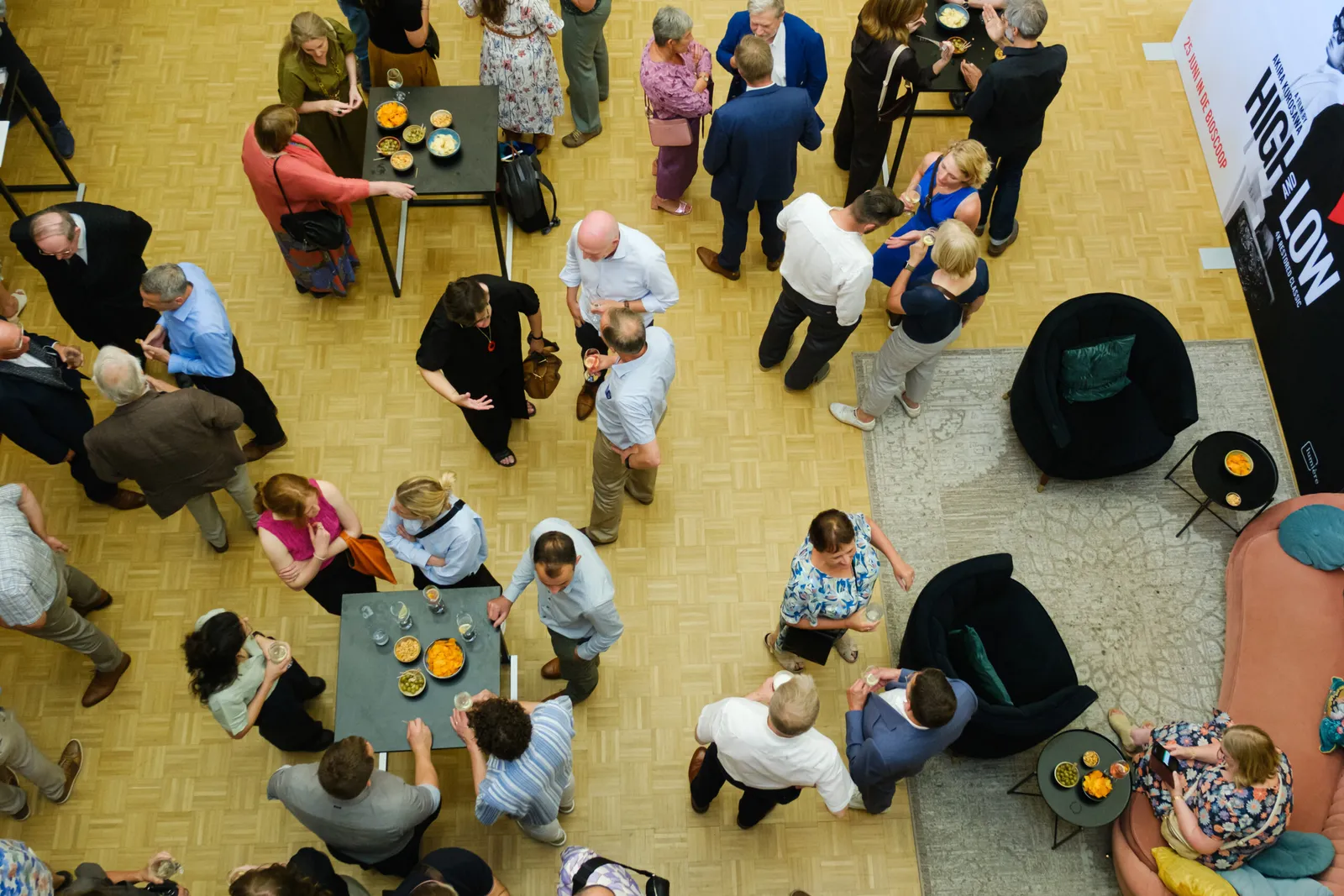
At the gala premiere on 12 June, OVAM showcased 30 years of the Flemish Soil Decree. The documentary ‘Old Ground, New Opportunities’ reveals the potential of sites that were once contaminated. However, the Public Waste Agency of Flanders is not looking back only at successful projects, but also, and above all, towards the future.
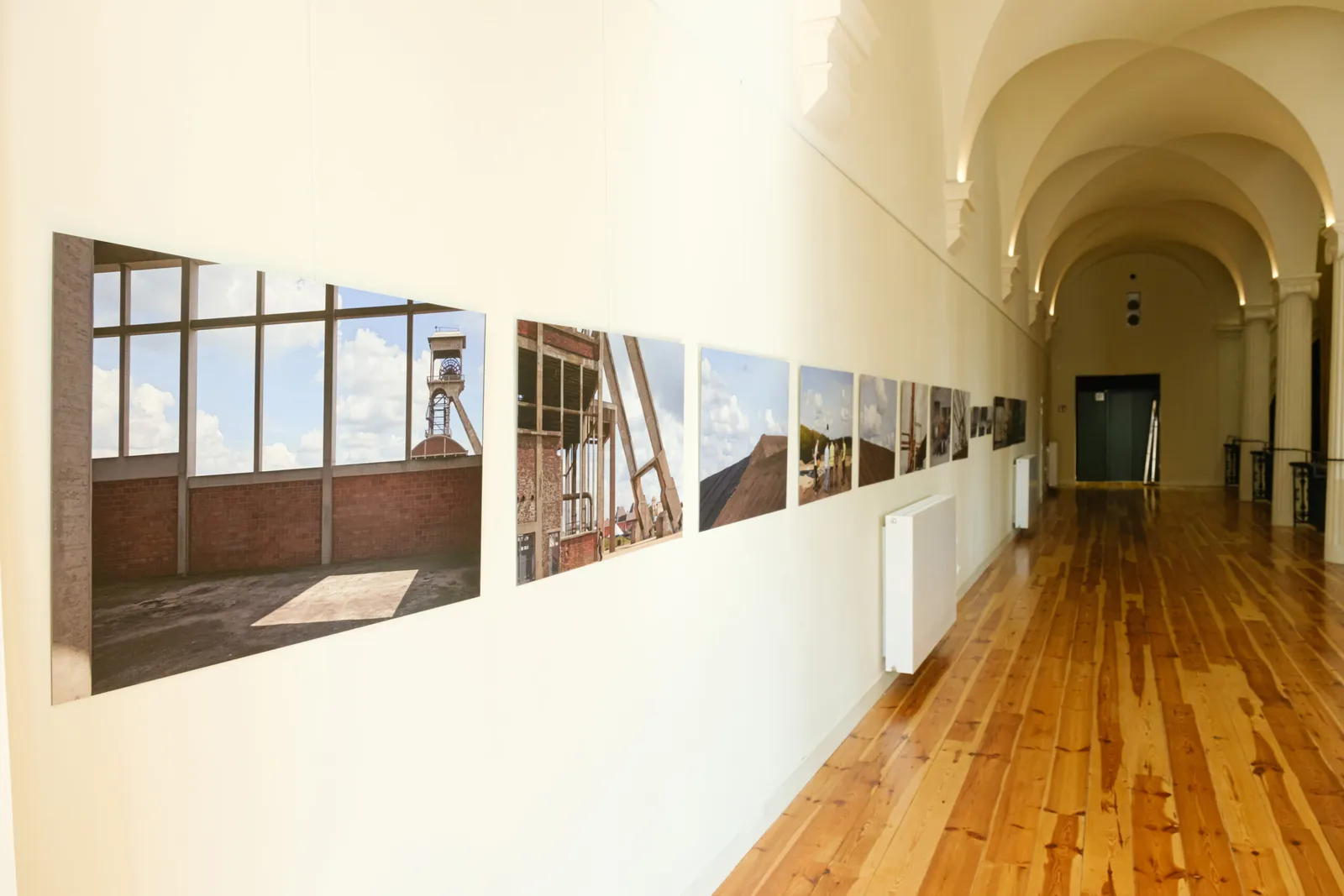
To put 30 years of the Flemish Soil Decree in the spotlight, OVAM opted for an engaging documentary rather than a conventional format. More than 100 dignitaries, professionals and stakeholders gathered at Cinema Lumière in Mechelen. The programme? A virtual journey through a range of pioneering projects: from closed coal mines, old arsenic and gasworks, disused petroleum ports and abandoned industrial sites, across all five Flemish provinces.
From soil remediation to soil care
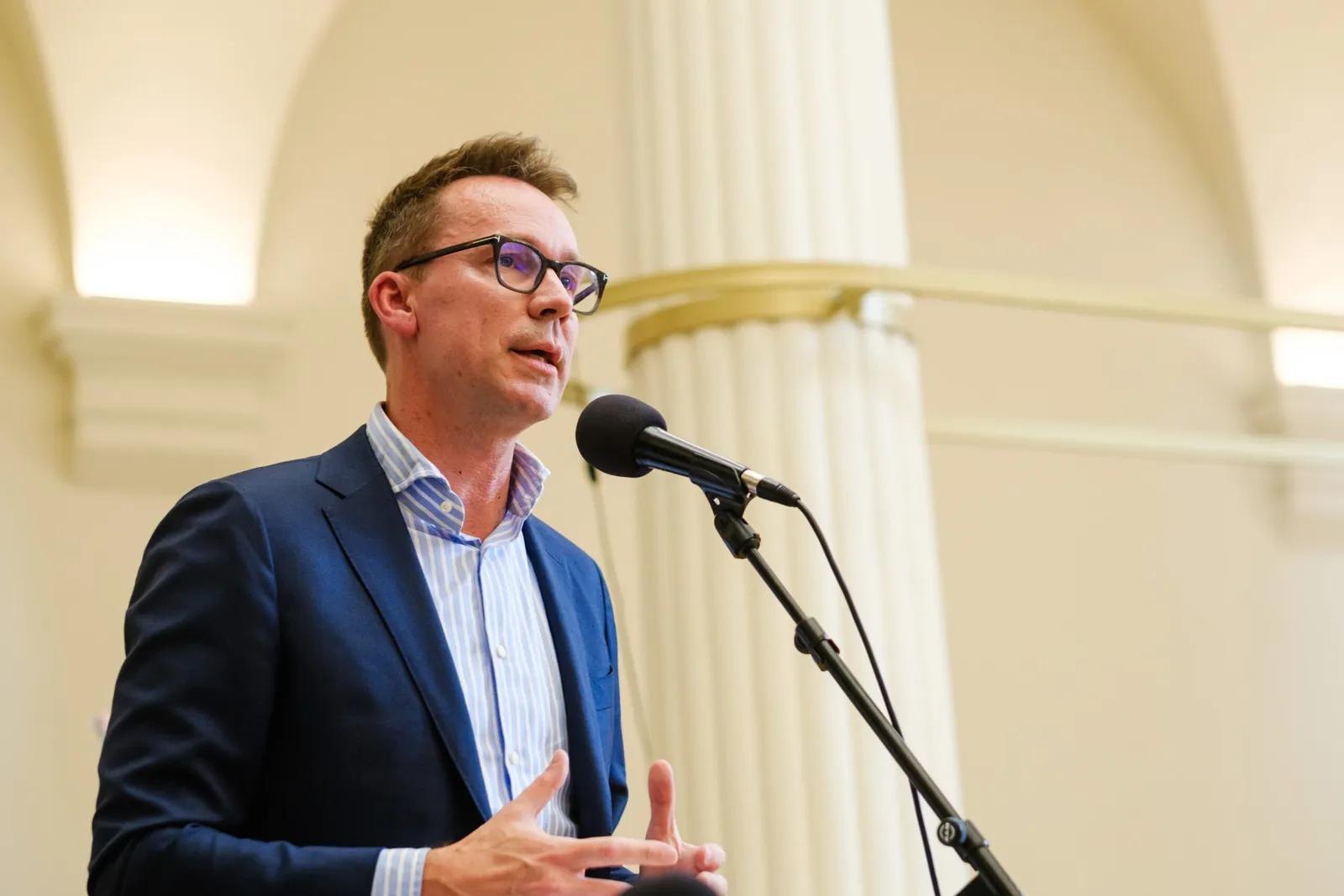
To kick off the evening, Flemish Minister for the Environment and Agriculture Jo Brouns addressed the audience: “In a densely populated area such as Flanders, where space is scarce, it is essential to use land wisely and carefully. OVAM focuses not only on soil investigations and remediation, but also on redevelopment. This is a complex but necessary approach to safeguard a healthy living environment for future generations. As long as 30 years ago, the Flemish Soil Remediation Decree provided for the necessary strategic approach, and was well ahead of its time. The figures bear this out: Flanders has 85,000 risk sites, of which 51,000 have been investigated. Our ambition for the future is also to redevelop contaminated land and former industrial sites in a circular and sustainable way.”
From landfill sites to the Soil Decree
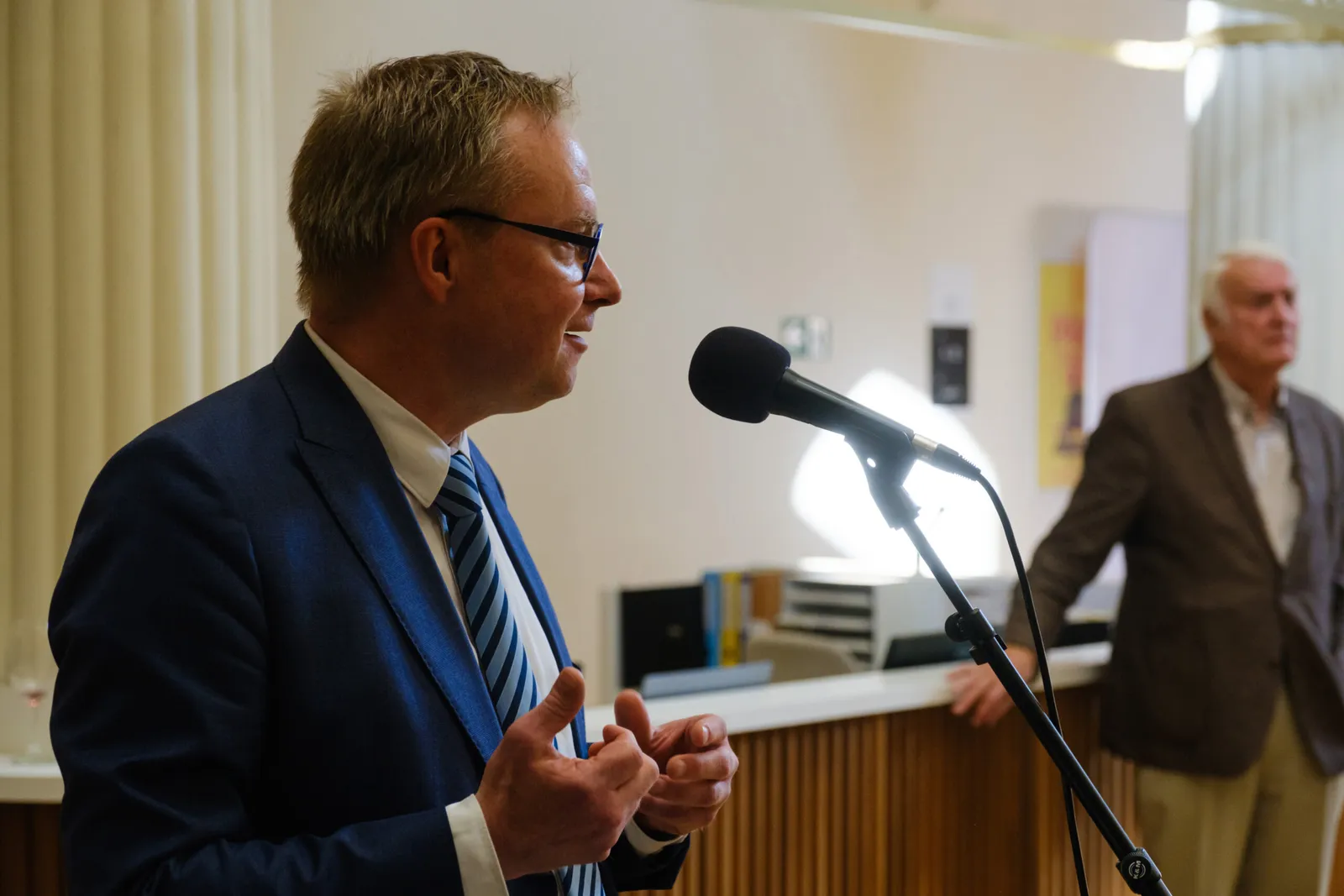
OVAM was established in 1981. The agency was responsible for waste policy in Flanders and had to oversee the Waste Decree, and later the Soil Decree as well. Today, too, Director-General Werner Annaert stresses the importance of good soil quality. “Healthy soil stores a lot of CO2, can act as a buffer against flooding or water scarcity, helps ensure food security and contributes to greater biodiversity.” He also thanked all the partners: “Strong partnerships were essential to the development and delivery of the brownfield projects.” Annaert’s final point refers to former industrial sites being given a second life.
The moment of truth …
The lights go down and the curtain rises on ‘Old Ground, New Opportunities’. We travel back in time to Flanders’ rich industrial past, which brought prosperity but also left contaminated sites behind. The former arsenic factory in Bocholt had already exposed the scale of the problem 35 years ago. The first case was opened before the Soil Decree even existed … To protect the surrounding area from arsenic contamination, the heavily contaminated soil was first capped, then remediated and stored in a ‘sarcophagus’.
Brownfields
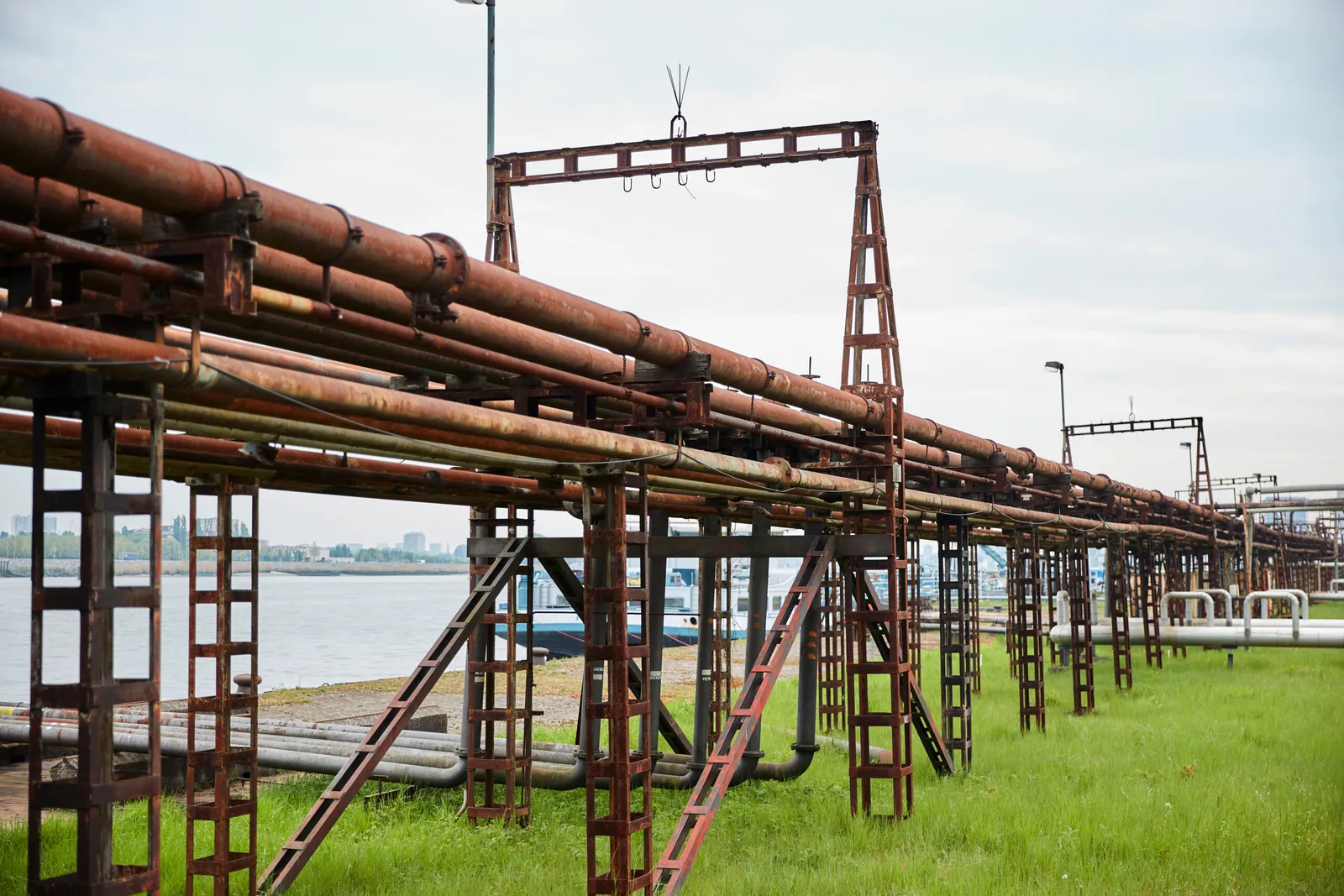
The road trip continues: soil remediation pioneers take us on a tour of brownfields. Striking images show how iconic sites such as the Limburg coal mines, the former Renault factory in Vilvoorde and Petroleum-Zuid in Antwerp are being given a new future. The tour stops at three redevelopment projects:
- Terhills is a fine example of successful regeneration: the site has been given a new, sustainable purpose as an ecological and tourist attraction.
- Work is currently under way in the Vilvoorde-Machelen canal zone to give the area a new purpose.
- Blue Gate, on the Scheldt in Hoboken, where an ecological industrial estate will be developed following remediation.
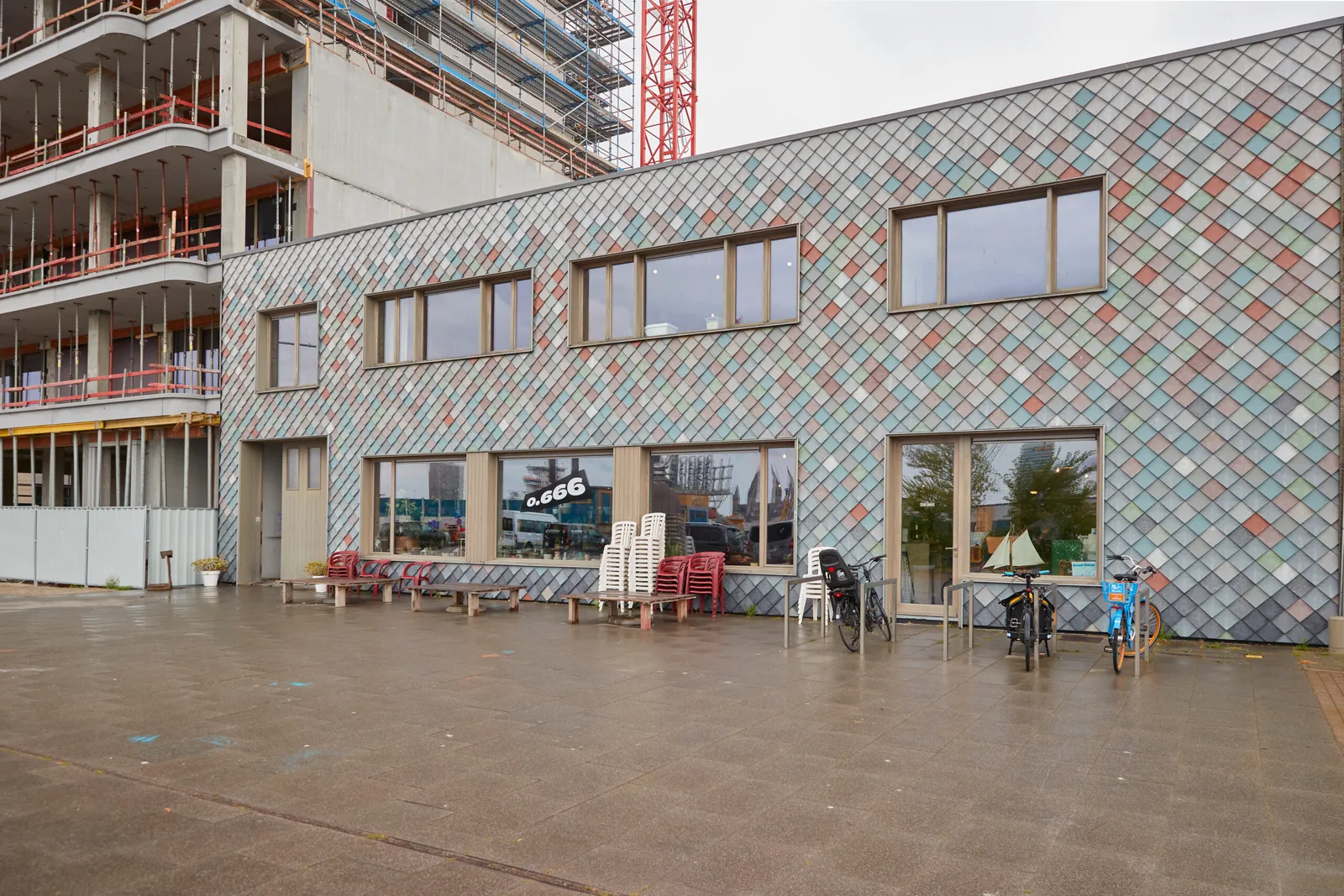
Many smaller former industrial sites have also been transformed. In Ghent, for example, we visit the site of the former De Tondelier gasworks, which is making way for a new neighbourhood with 500 energy-neutral homes. From the City of Artevelde to O.666 in Ostend, a temporary circular hub in a former fuel depot. Take a look for yourself at www.ovam.vlaanderen.be/oude-gronden-nieuwe-kansen to find out more about the brownfield projects.
Together, we can make tomorrow better
“We have made great strides over the past 30 years, from 4,850 completed remediation projects and 12,000 ongoing cases to the website www.bodemkwaliteit.be, where anyone can look up information about their land,” says Jan Verheyen, Head of Press & Communications at OVAM. “But the work is far from finished. The problem is deeply rooted, and there are still pollutants that require further investigation, such as PFAS. Together with our partners, we will continue working to ensure high-quality soil care.”
Een zakelijke vraag aan OVAM? Get in touch
Companies in this story

Keep following this
Get an email when a new story is published. No account needed.
- SubjectNews
- CompanyOVAM







