












A delicate balancing act in estimating annual waste volumes
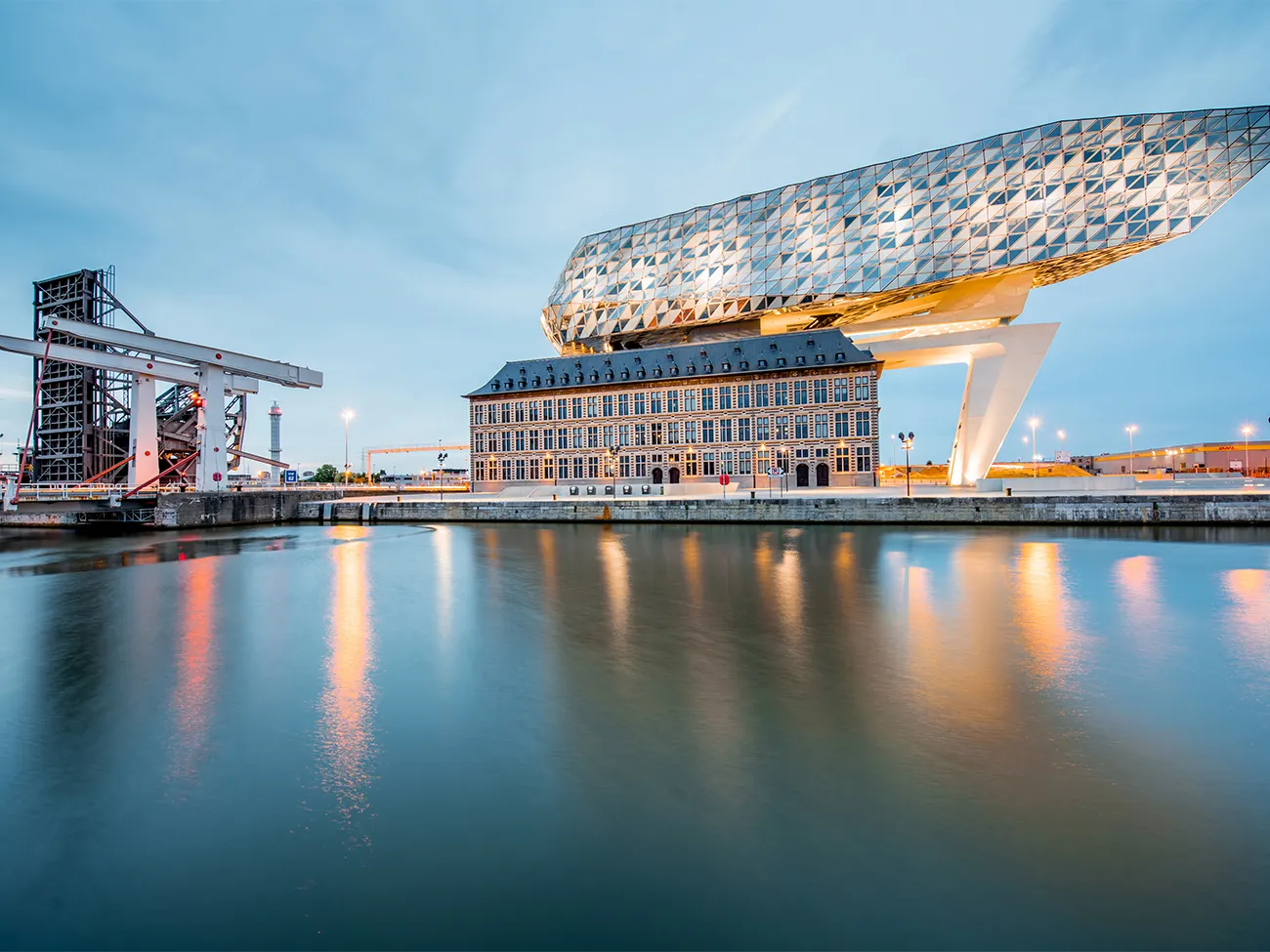
As Europe’s second-largest port and the world’s fourteenth-largest, Antwerp can rightly call itself Europe’s leading distribution hub.
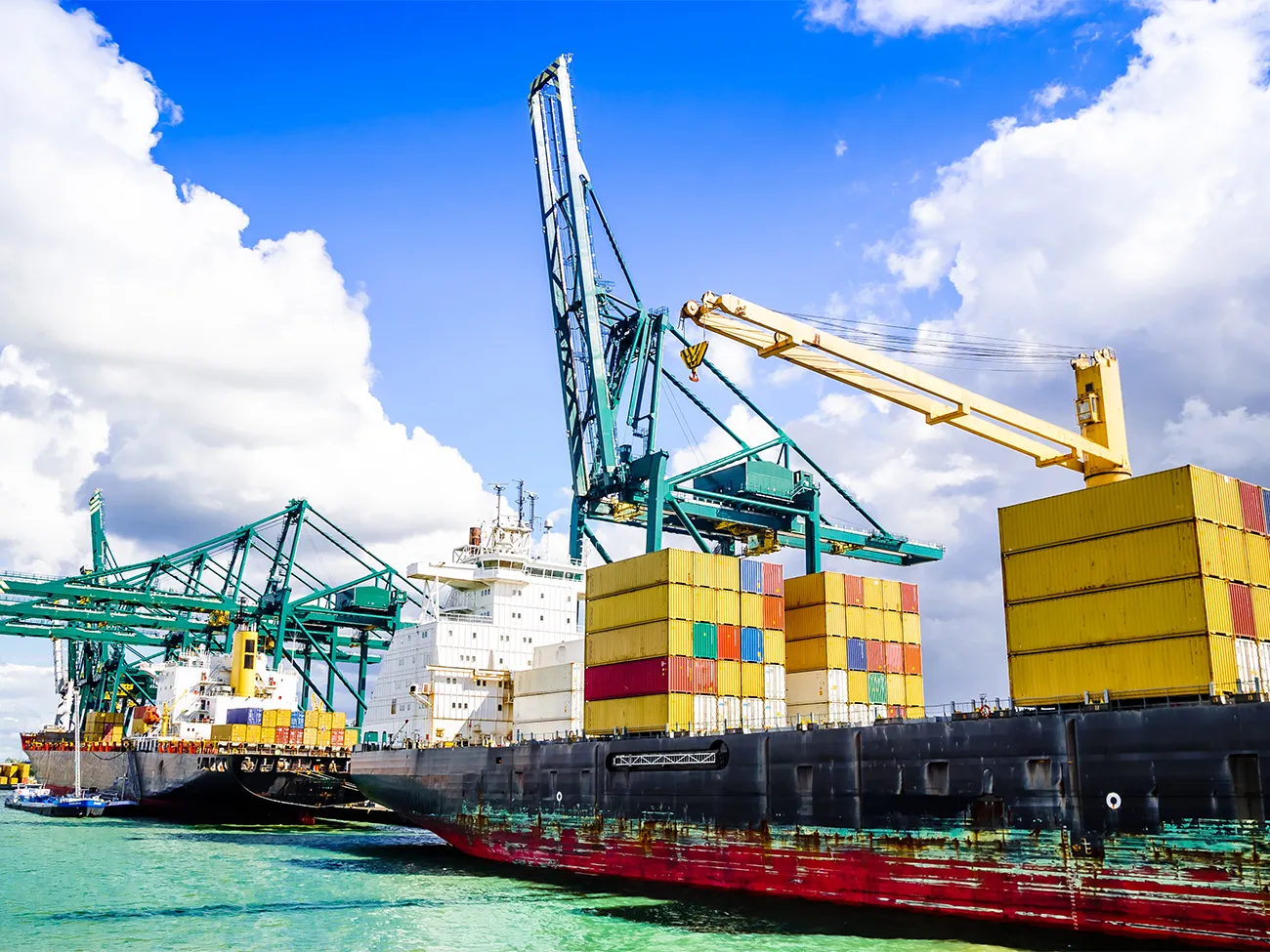
To handle all those ships efficiently, the port offers a wide range of services, perfectly coordinated to achieve the high productivity for which it is renowned. Waste management is an integral part of this. In 2020, 154,000 m³ of waste was collected from ships. Waste is collected not by Port of Antwerp itself, but by approved port reception facilities. Port of Antwerp is responsible for managing the incentive scheme, which is intended to encourage ships to dispose of their waste properly rather than simply dumping it at sea.
Located 80 km inland, the Port of Antwerp offers the fastest and most sustainable connection to the European hinterland. It is therefore no surprise that 13,655 seagoing ships called at the port in 2020, handling a total of 231 million tonnes of cargo. “That was a 3.1% drop compared with 2019, but a good result given the exceptional circumstances linked to coronavirus. Container traffic even increased, exceeding 12 million TEU for the first time,” says Nele Ide, Port Dues Senior Advisor at Port of Antwerp. Sustainability is a key priority for the port. “Society gives us the space to grow. That is why we want to operate as responsibly as possible. We want to be a world port that brings people, the climate and the economy together. We are working to embed this in everything we do through specific programmes such as the Clean Port Program,” adds Katrien Van Itterbeeck. She is Program Manager Sustainable Shipping.
Financial incentives for waste collection
The port itself has various initiatives to reduce litter. “For example, the litter collection vessel Condor collects 50 tonnes of floating litter every year. The bulk of it, around 80%, actually comes from land. It is mainly packaging material,” says Van Itterbeeck. Port of Antwerp also looks beyond its own waters. The EU requires the port to manage a financial incentive scheme to encourage ships to deliver their waste to port reception facilities when they call. “Every ship that calls at the port pays a waste fee. This is part of the port dues. One part is a fixed fee, while the other varies according to the size of the ship. To give you an idea, the total waste fee for a large seagoing tanker is 800 euros. The waste fees collected are then used to provide ships with financial compensation when they deliver waste. The compensation depends on the type and quantity of waste delivered. This information is provided to us by the port reception facilities.”
A delicate balancing act
The challenge for Port of Antwerp is to estimate accurately how much waste will be delivered in the coming year. The waste fund must contain enough money to cover the compensation payments. The waste fees are set and communicated to port users as early as October. Van Itterbeeck says: “It is not an easy exercise, as a great many factors come into play. You can also see that major shipping companies do take the fees into account and choose the port where they deliver their waste accordingly. Setting the waste fees is about to become a little more complicated. As too much solid waste, comparable to household waste, is still ending up in the sea, the European directive has been amended. The new European directive changes the incentive scheme, so that in future no direct charge may be made for waste covered by Annex V of the MARPOL Convention. In practical terms, this means that the delivery of Annex V waste will have to be covered entirely by the waste fees.” European Union member states are currently working to implement this new legislative framework. “It is hard to predict exactly how much additional waste this will generate. But we also do not know when each port will switch over. That too could have an impact,” says Ide.
Question about this story? Ask your question
Keep following this
Get an email when a new story is published. No account needed.
- SubjectNews







