












30 years of Auto Recycling Nederland
Text Roel van GilsImage Auto Recycling Nederland / Marco Hofsté / Corné Sparidaens / STORM Visual Solutions
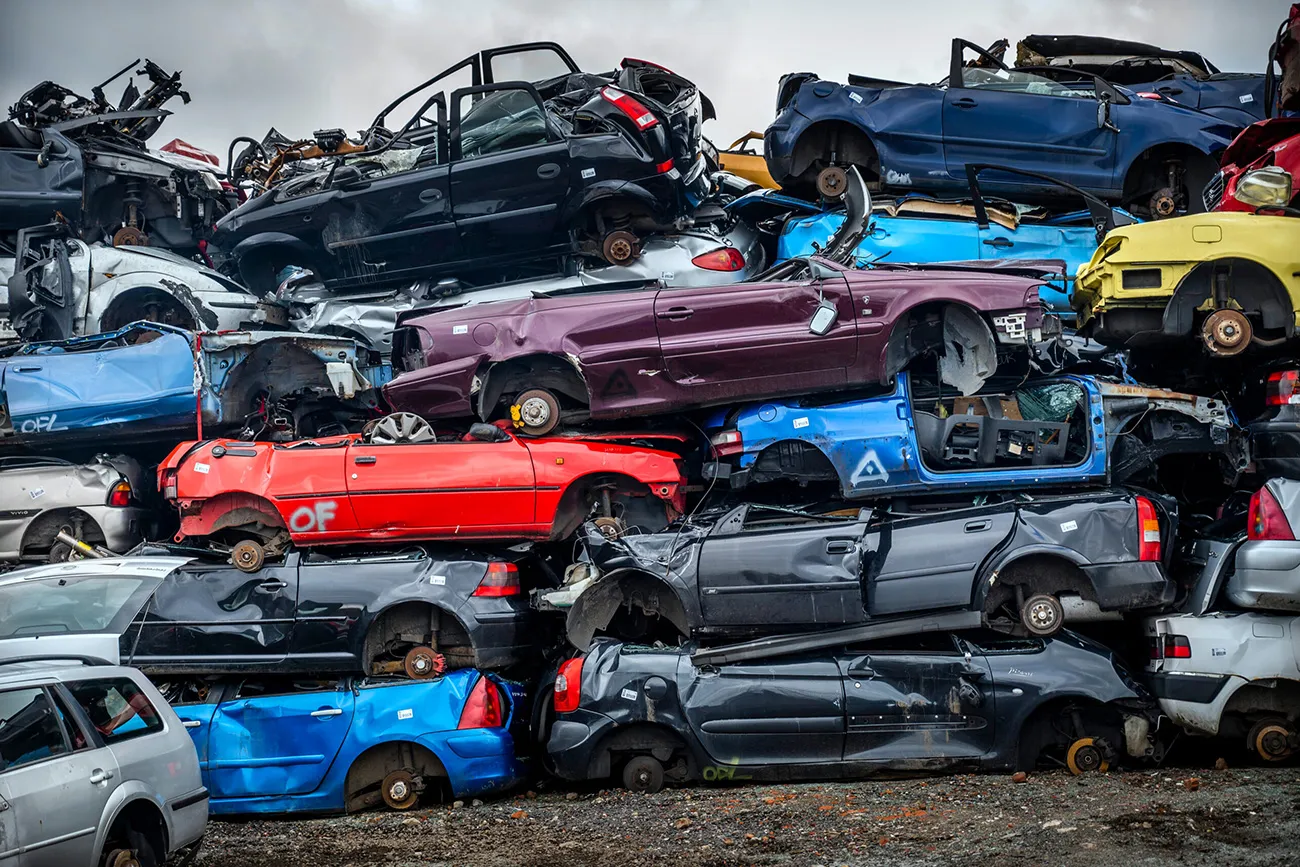
The Netherlands is at the forefront of vehicle recycling in Europe. Over the past thirty years, the sector has undergone a major process of professionalisation. Together, Auto Recycling Nederland (ARN) and its partners have succeeded in increasing the recovery and reuse rate to 98.7% of a car’s weight. Martijn Boelhouwer, Communications Manager, looks back on 30 years of ARN and also ahead, as the sector still faces a number of challenges.
Stichting Auto & Recycling was founded exactly thirty years ago. At the time, the foundation had four so-called founding partners from the automotive sector: RAI Vereniging, which represents car importers, BOVAG (dealers), Stiba (the trade association for vehicle dismantling companies) and FOCWA (vehicle repair). The latter has since been incorporated into BOVAG. “All these parties and their affiliated vehicle dismantling companies benefit from the proper recycling and reuse of car parts,” says Boelhouwer. Stichting Auto & Recycling was founded in 1993, although ARN, its operational organisation, did not get started until 1995. “The foundation commissions ARN to work with the entire vehicle recycling chain to ensure that cars are recycled properly. That objective has remained unchanged for thirty years.”
Lansink’s Ladder
Recycling cars properly means complying with all the legal requirements and regulations. “The European standard is that at least 95% of a car must be recycled. At 98.7%, we comfortably exceed that in the Netherlands,” Boelhouwer acknowledges. “We have consistently achieved a rate of over 98%. However, ARN has two other key priorities: first, to pursue the highest possible quality of recycling in line with Lansink’s Ladder, and second, to keep costs in balance. The recycling process must also be responsible. The cost of recycling the last few per cent of a car, in particular, rises disproportionately. We therefore aim for a healthy balance and also consider the CO2 component of the process. Recycling materials that can no longer serve any purpose defeats the object.”
Recycling fee
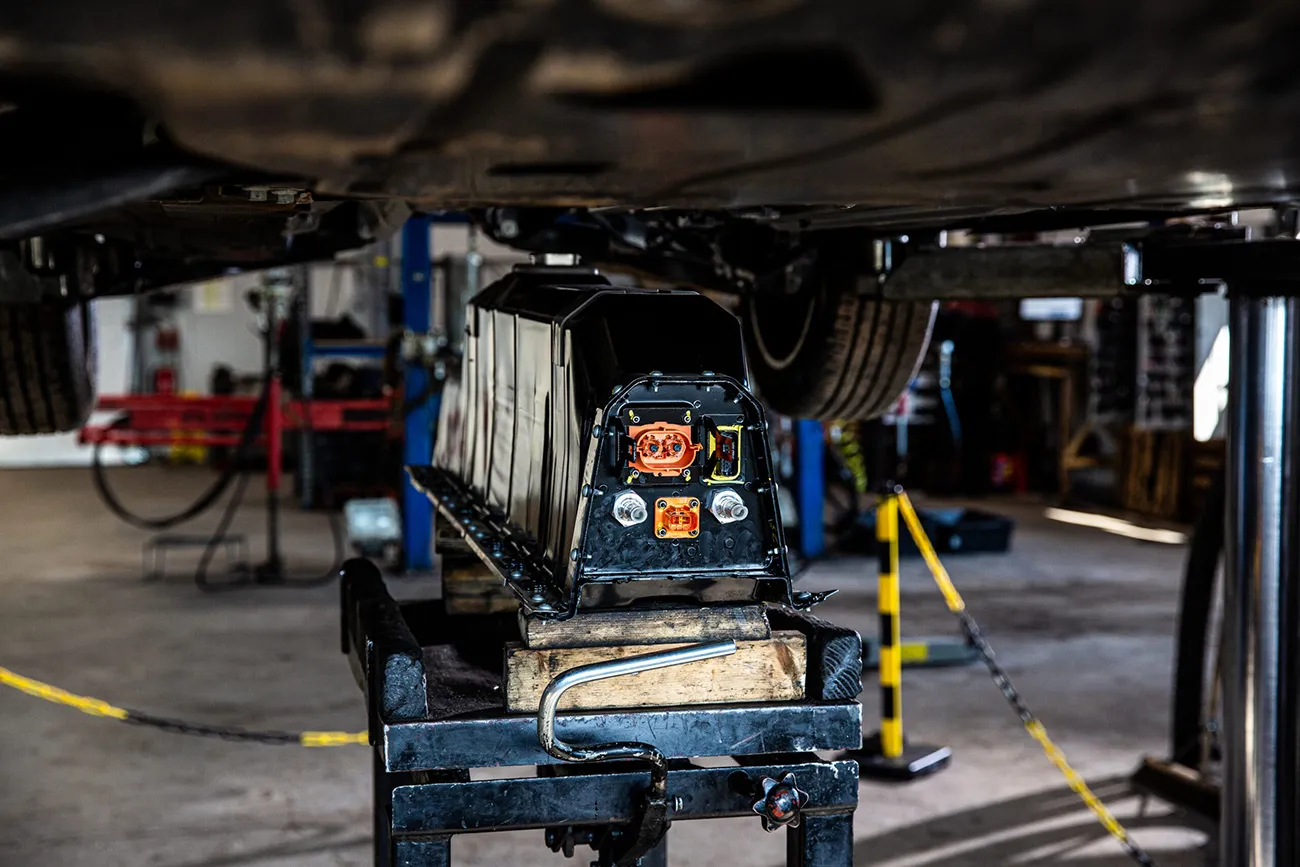
Looking back on ARN’s thirty years, it is clear that the sector has undergone a major process of professionalisation, Boelhouwer believes. “A chain of companies and organisations has been established, all contributing to dismantling a car down to almost the last fibre so that the materials can be reused. Around 300 companies work with ARN to ensure that we have consistently been able to recycle well over 98% of a car’s weight. In 1995, that chain barely existed. Car scrapyards, for example, did not have the equipment to depollute cars properly. Fluids were removed using buckets and basins. It was neither the most environmentally friendly nor the most efficient approach.” ARN’s arrival helped professionalise a number of areas. “First of all, the Minister for Housing, Spatial Planning and the Environment introduced a disposal fee for cars, which was 250 guilders at the time. It has since been reduced to a recycling fee of 22.50 euros. That financial contribution made it possible to take steps forward. For example, ARN paid a fee for dismantling parts such as wheel trims, bumpers and glass, and for removing fluids. This encouraged many companies to join ARN and make their working methods more sustainable. On 1 January 1995, 37 scrapyards were members; by the end of that year, the number had risen to 179. ARN now has 211 affiliated vehicle dismantling companies.”
Car batteries
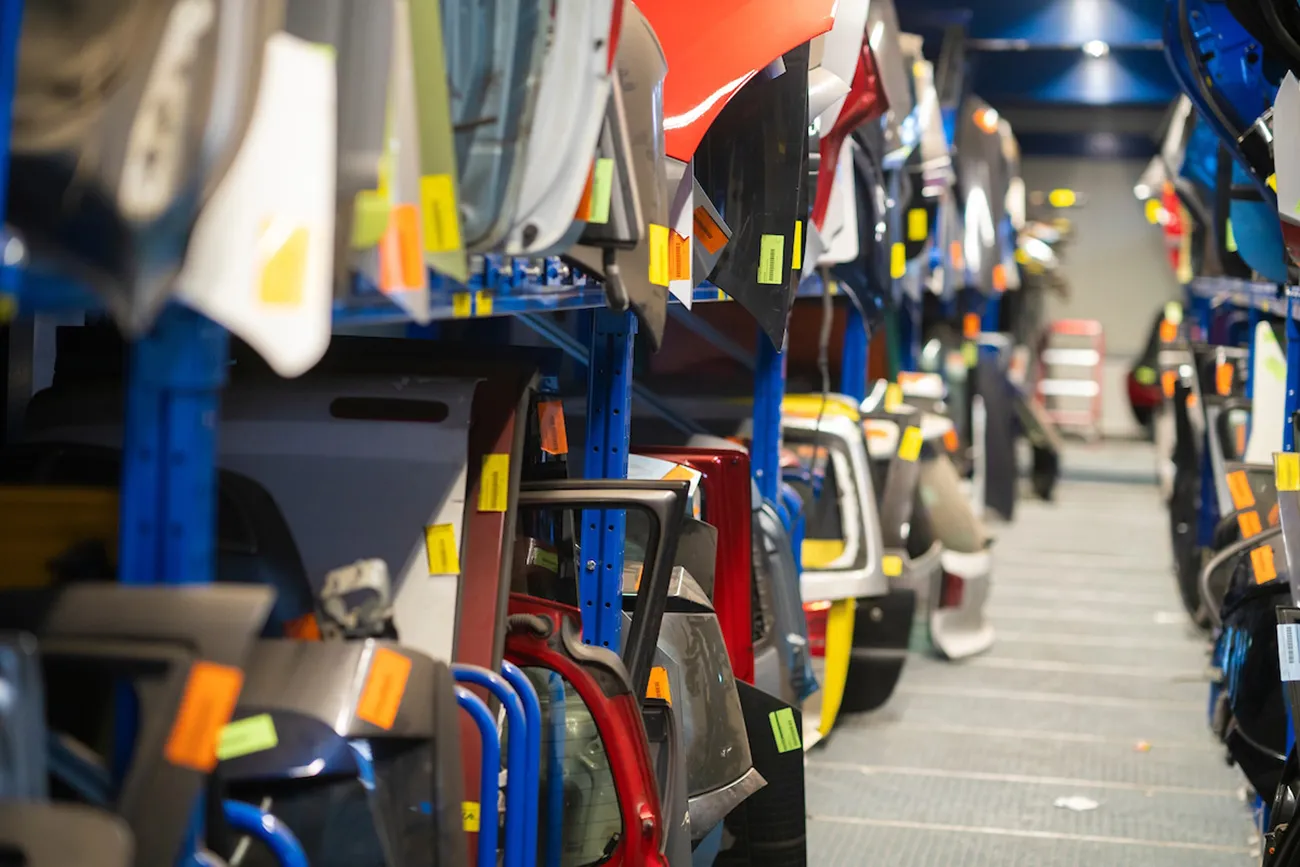
Over the years, ARN and the sector have made huge strides. But Boelhouwer does not want to focus only on the past. “We are on the brink of the new ELV (end-of-life vehicles) Directive, which will be introduced next year. Its broad outlines are gradually becoming clear. This year, we will also gain more insight into the new Battery Regulation governing the recycling of car batteries. ARN is making preparations for this in earnest, so that car batteries can continue to be collected and processed properly in the future. Car batteries have separate recycling targets, independent of the rest of the car. The current standard is that 50% of a battery must be recycled. Some car brands choose to arrange the collection and recycling of their car batteries themselves. In the Netherlands, 30% of car brands manage this themselves, while the other 70% rely on ARN. There are two routes for battery recycling: sending batteries to a specialist recycling plant or putting them to second use, for example in stationary energy storage. With a recycling rate of 80%, the Netherlands is currently well above the minimum requirement of 50%.”
Various scenarios
With the growing share of hybrid and electric cars, ARN developed a series of scenarios last year, looking ahead to 2030. “We researched how the market is likely to develop in relation to potential shortages of raw materials,” Boelhouwer explains. “What does that mean for electric vehicle recycling? The research produced three scenarios that the sector could face, and which we are preparing for. Cars will become more connected, the focus on sustainability will grow, whether or not this is driven by raw material shortages, and batteries will play an increasingly significant role. We need to design our services accordingly. Collecting a few batteries is not particularly challenging, but handling batteries from different brands, with different chemical compositions, arriving at different locations around the country, is another matter. That is why we launched the online battery portal earlier this year, where vehicle dismantling and garage businesses can register a battery. This makes the process much easier and far more efficient for us to manage properly. We will continue to develop our services so that, together with the recycling chain, we can work towards sustainable vehicle recycling. In short, there will be plenty of challenges in the years ahead.”
Question about this story? Ask your question
Keep following this
Get an email when a new story is published. No account needed.
- SubjectNews







