Recycling is insurable after all
For several years, many waste management and recycling companies have found it difficult to insure their operations. Group Casier, too, has encountered serious resistance from some insurers. Nevertheless, as an insurance broker, we have succeeded in bringing together renewed capacity from several insurers.
In this article, we first look at why insurance capacity has been lost. We then explore the solutions Group Casier offers you.
Losses
During the first waves of Covid-19, some reinsurers took the time to review their figures. What did they find? Since the attack on the WTC towers on 11 September 2001, premiums had only fallen in relative terms. The remedy of cheap money, introduced in response to the financial crisis, also made capital more readily available to reinsurers, further accelerating this trend. But ultimately, their financial results had remained in the red for the past four to six years. What had initially sounded like an urgent warning about certain liability insurance policies soon spread to property and business interruption insurance. Reinsurers raised their premiums, in some cases by 300%, or flatly refused to provide capacity to certain sectors. New and green energy was also hit hard. The result was predictable: local insurers saw their (re)insurance costs soar and/or their capacity shrink sharply.
Growth and change in the recycling sector
Another factor contributing to the shortage of capacity is the wide range of activities now grouped under the umbrella term ‘recycling’. Inert materials, the trade in used textiles, anaerobic digestion, pure extrusion of highly sorted plastics ... Many insurers rely solely on tables and rigid guidelines, ultimately treating all these activities alike. For them, recycling is taboo. This is usually unjustified: everything starts with a thorough presentation and accurate interpretation of the activity. We should also remember that the recycling sector has grown exponentially since the start of the 21st century, as has demand for insurance. This growth shows no sign of slowing, quite the opposite. Circularity is no longer a marginal phenomenon for insurers. Given current technological developments, government pressure and climate targets, we are in fact only at the very beginning of a new paradigm, with circularity well on its way to becoming a dominant part of our economy. Within this growth, various recycling activities are capital-intensive and rely on heavy equipment that is put under considerable strain. Even companies handling inert materials, such as construction rubble or carbon, can suffer extensive damage to machinery. A faulty hydraulic breaker, for example, can still cause a near-total loss.
Explosive batteries
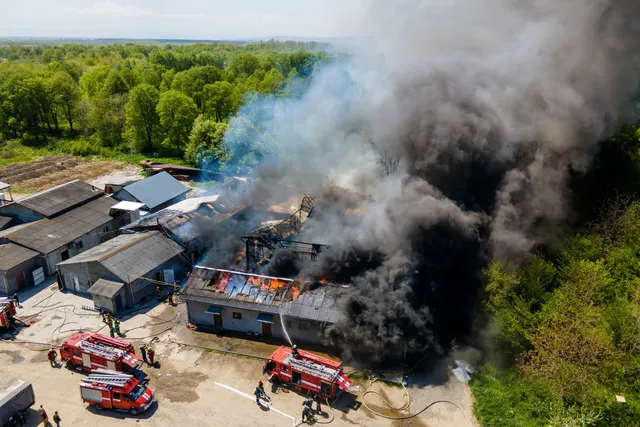
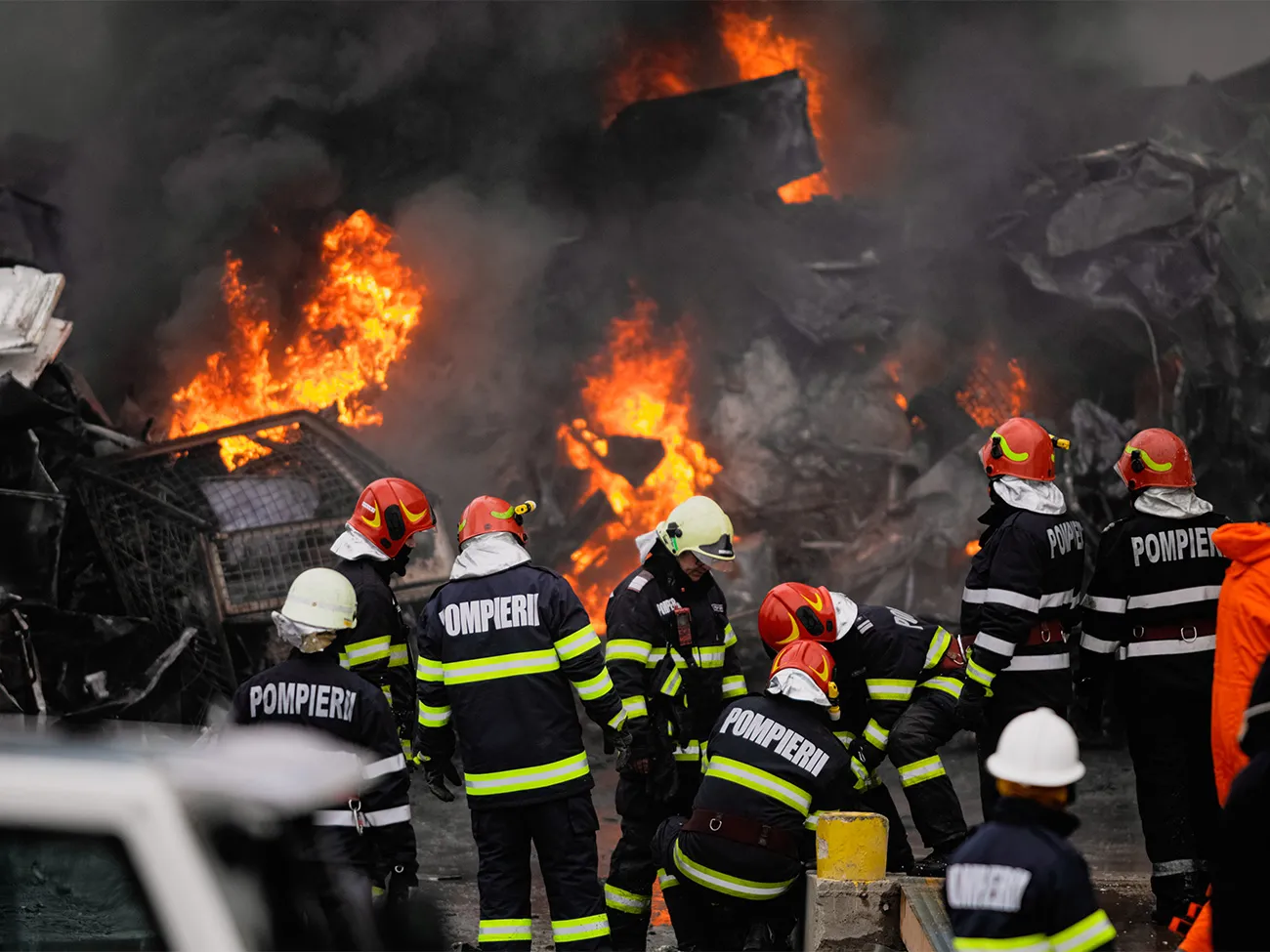
And then, of course, there are lithium-ion batteries. They flooded the world, but we were not prepared to process them as waste, despite their highly explosive and fire-spreading properties. Even Belgium, a leader in sorting, was slow to recognise the issue. As a result, batteries ended up in a wide range of product streams and directly caused a sharp rise in the number of industrial fires in the sector. In countries with less stringent building regulations, the battery problem was compounded by the severity and scale of the fires. The Netherlands, for example, was particularly hard hit by a large number of total-loss fires. One of Europe’s leading insurers withdrew from the market in haste, despite having established itself as a dominant market player in the years before. Belgian recycling companies also paid the price.
A powerful wake-up call
As is often the case, several causes and a combination of circumstances were at play, resulting in a ‘perfect storm’. For many insurers, that perfect storm was a powerful wake-up call. In the past, they tended to view recycling as an activity to take on with some scepticism and keep in their portfolios only to a limited extent. Today, insurers are faced with an activity on course to play a leading, possibly even dominant, economic role. This means they must take a far more technical approach to waste management and recycling companies, as they do with other major sectors.
Insurers reposition themselves
Together with our clients, we have seen insurers reposition themselves:
- Some withdrew from the sector, as happened rather abruptly in the Netherlands.
- Others continued to offer insurance but became highly critical of the risk profile and prevention policies of the companies concerned. This has been the case for decades in other sectors with a high fire load, such as timber, chemicals and food.
One thing is clear: in the wake of the storm, insurance has become scarcer and, above all, more selective. Nevertheless, quite a number of recycling companies are still properly and fully insured, although we should immediately add that almost no one has escaped premium increases and/or substantial, sometimes disproportionate, increases in excesses.
Prevention and management
Group Casier has succeeded in bringing together renewed capacity from several insurers. Insurance is therefore once again entirely possible, even with full cover and premiums that remain under control. The basic requirement, however, is structured prevention with clear direction. Anyone still hoping to receive compensation for preventable damage can forget about it. The path to full insurance involves sustained efforts in prevention and management, based on passive and active protection. These efforts must be proportionate to the scale of the risk, particularly the fire load. At Group Casier, we have the expertise and skills to guide you.
Do you have any questions about this topic, or would you like an exploratory discussion about Group Casier’s proposals for your property or other insurance? Please contact Sara Adam ([email protected]) or Elien De Both ([email protected]).
Question about this story? Ask your question
Keep following this
Get an email when a new story is published. No account needed.
- SubjectGroup Casier