Fire safety starts with the basics
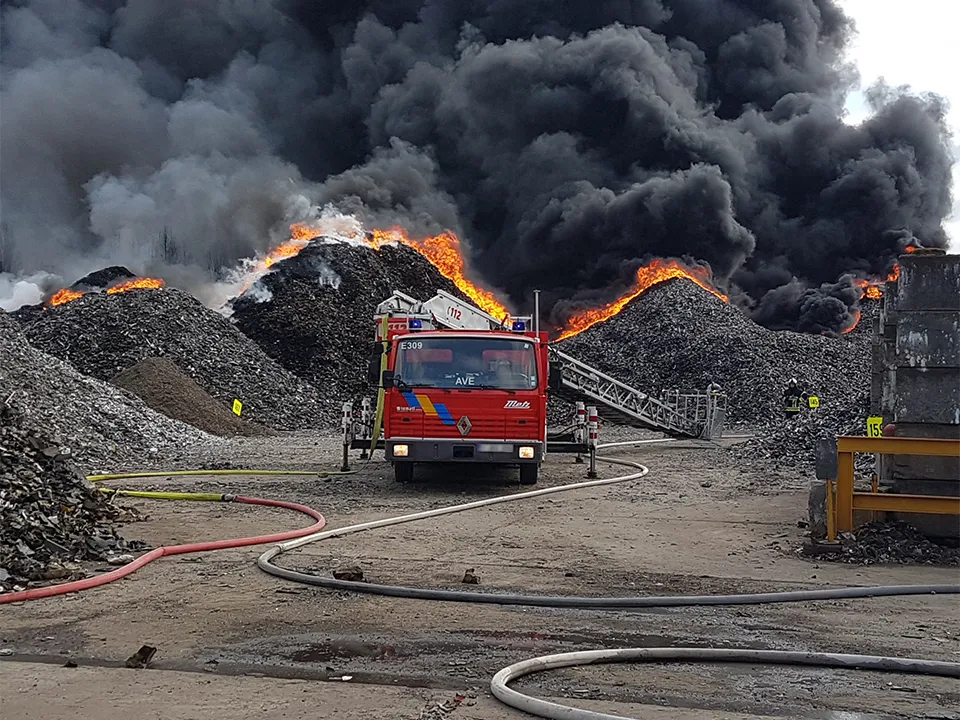
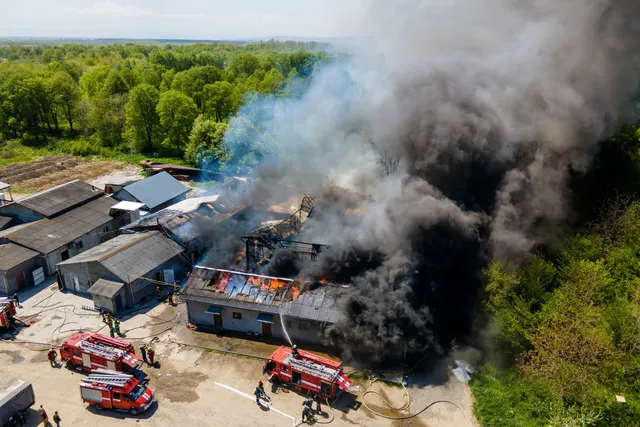
The growing presence of electronic devices in waste, particularly lithium-ion batteries, has led to more fires at waste processing facilities. This has made insurers even less willing to offer recycling companies affordable fire insurance.
As a specialist in risk management and insurance, Group Casier Risk & Insurance therefore bridges the gap between the two. It provides recycling companies with practical advice and support throughout the entire process, from proactively implementing preventive measures to managing the claims process if disaster does strike.
Damaged lithium-ion batteries are currently the leading cause of fires in the waste sector. They also turn up in waste streams where you would not expect to find them at first glance. “Take paper and cardboard, for example,” says Paul-Emmanuel Casier, managing director of Group Casier Risk & Insurance. “A musical greeting card contains a small lithium-ion battery. It is collected with waste paper, but the consequences during recycling can be catastrophic. The figures suggest that every lorry-load of paper and cardboard contains at least one such battery. It is very difficult for a processor to anticipate this. Lithium-ion batteries also vary considerably in quality, which determines how quickly they become unstable. Fire safety therefore starts with keeping lithium-ion batteries out of incoming waste streams. Processors must be prepared to open a dialogue with collectors. Everyone is responsible for the material they supply, including hidden defects.”
“One chance to get it right”
It is precisely this broad view of the entire waste processing chain that makes Group Casier Risk & Insurance such a valued partner for recycling companies. It is not easy for businesses in this sector to obtain adequate fire insurance at an affordable price. “Lithium-ion batteries may be getting all the attention now, but fires can have many causes: spontaneous combustion, electrical faults, malicious acts by disgruntled neighbours …”, says Casier. “Given the nature of the materials handled by recycling companies, the smallest spark can have enormous consequences. Information is therefore crucial to fire safety. The behaviour of lithium-ion batteries is currently the subject of extensive research. We work closely with, among others, industry federation Denuo to keep abreast of the insights this research may yield. That is the starting point for putting an effective prevention policy in place. Because of the higher risks, a company only gets one chance to get it right when approaching insurers. We help them prepare, so they can start those discussions with confidence.”
Assessing and mitigating risk
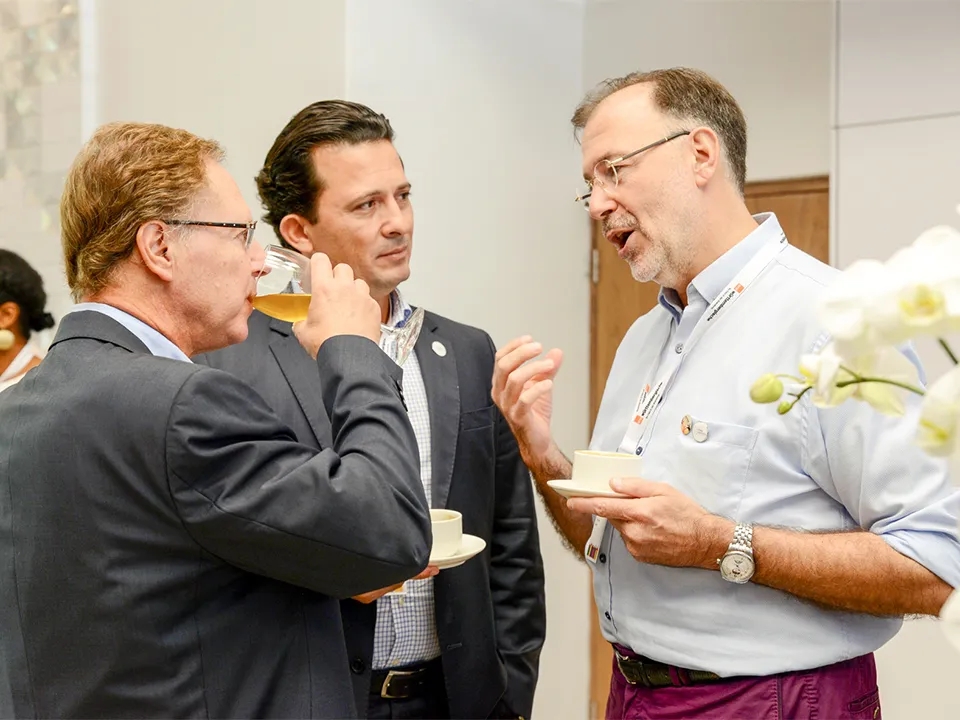
This is based, on the one hand, on the expertise and know-how of the 31 employees in Ghent and Menen, and, on the other, on years of experience in the recycling sector, helping to assess fire risks accurately. Sara Adam is a level 2 prevention adviser specialising in all aspects of fire safety. “It all starts with a site visit. We have drawn up a checklist based on the risks associated with each waste stream, which we work through with the company. This identifies the key preventive measures. We examine incoming and outgoing waste streams and identify critical processes that require additional detection or monitoring. Fire safety really starts with the basics: getting electrical systems in order, keeping inspections up to date, making staff aware of the importance of preventive measures, access control … without a sound fire safety foundation, you have no chance. Only once that is in place do we look at the technologies available to help mitigate the risks further.”
Supporting clients throughout the process
That is not where the story ends. Each year, Group Casier Risk & Insurance also reviews the measures with the company to check that they are still adequate. Adam says: “We do this ahead of the insurer’s mandatory inspection. Is everything still working as it should? Are there any new techniques that could add value? Whenever we are on site, we keep our eyes and ears open so we can support our clients even better.” If disaster does strike, Group Casier Risk & Insurance is there for its clients then too. “If possible, we go straight to the site as soon as the fire brigade has left. First and foremost, we reassure them that everything will be all right. We help assess the damage and make the case to the insurer, so that the policy terms are applied correctly. We also help investigate the cause, to help prevent similar incidents in the future,” Adam concludes.
Question about this story? Ask your question
Companies in this story
Keep following this
Get an email when a new story is published. No account needed.
- ThemeCircular processing of electronics and batteries
- SubjectGroup Casier
- CompanyCasier Risk & Insurance bv