Hybrid drive now looks set to break through
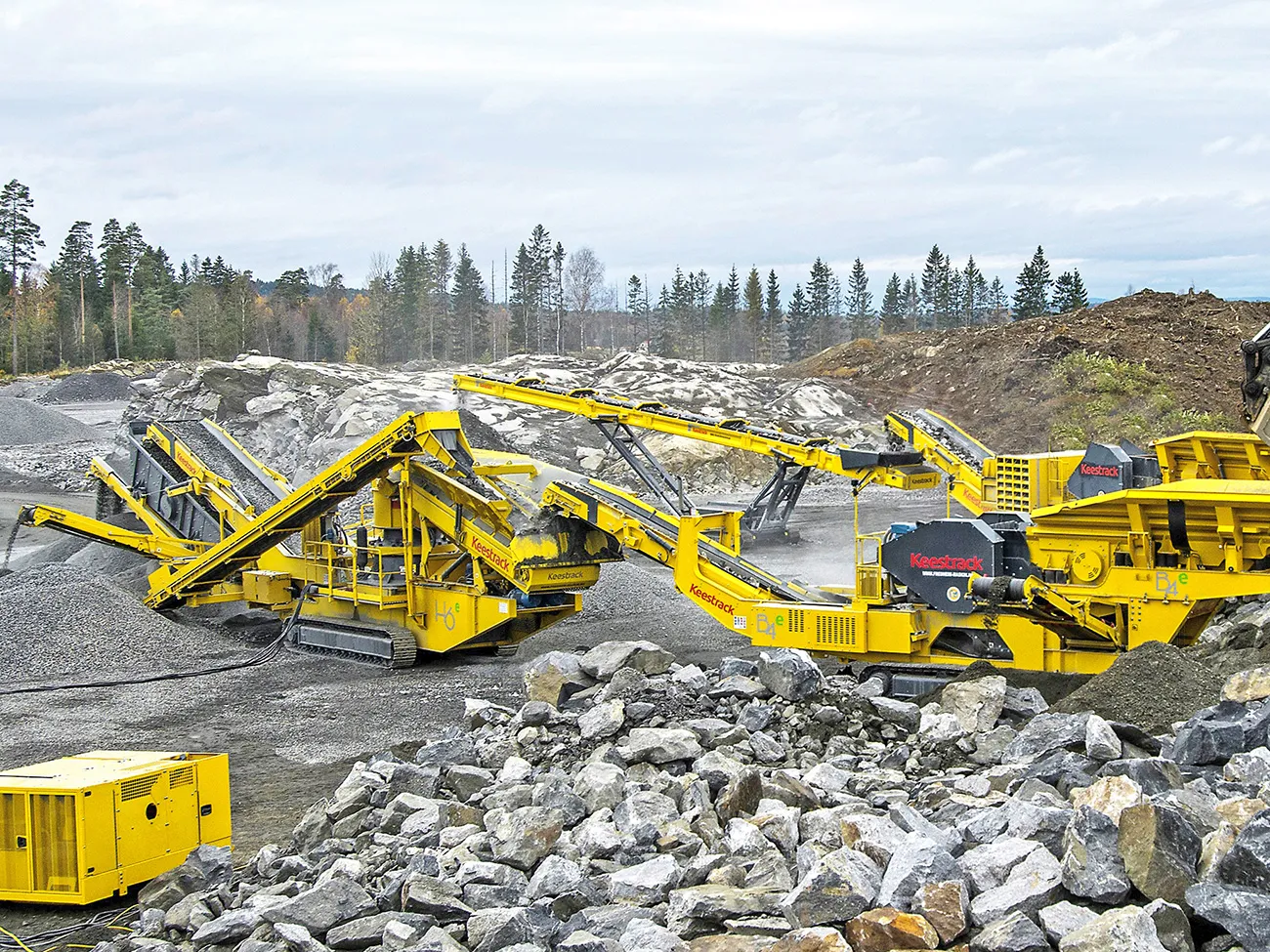
The much-discussed and repeatedly postponed Environment and Planning Act has been delayed once again. When it comes into force, some of the rules governing mobile crushing plants will also change. That will now have to wait a little longer. Most manufacturers have already responded to stricter legislation and regulations for crushing plants. Emissions are falling and machines are becoming quieter, not least thanks to the breakthrough of hybrid and even fully electric crushers.
Let’s start with the regulations. Although they have been delayed again, they will come into force eventually. For now, the rules are set out in the ‘Mobile Crushing of Construction and Demolition Waste Decree’. Under the Environment and Planning Act (due to come into force on 1 October 2022 or 1 January 2023), this will be replaced by the ‘Living Environment (Buildings) Decree’.
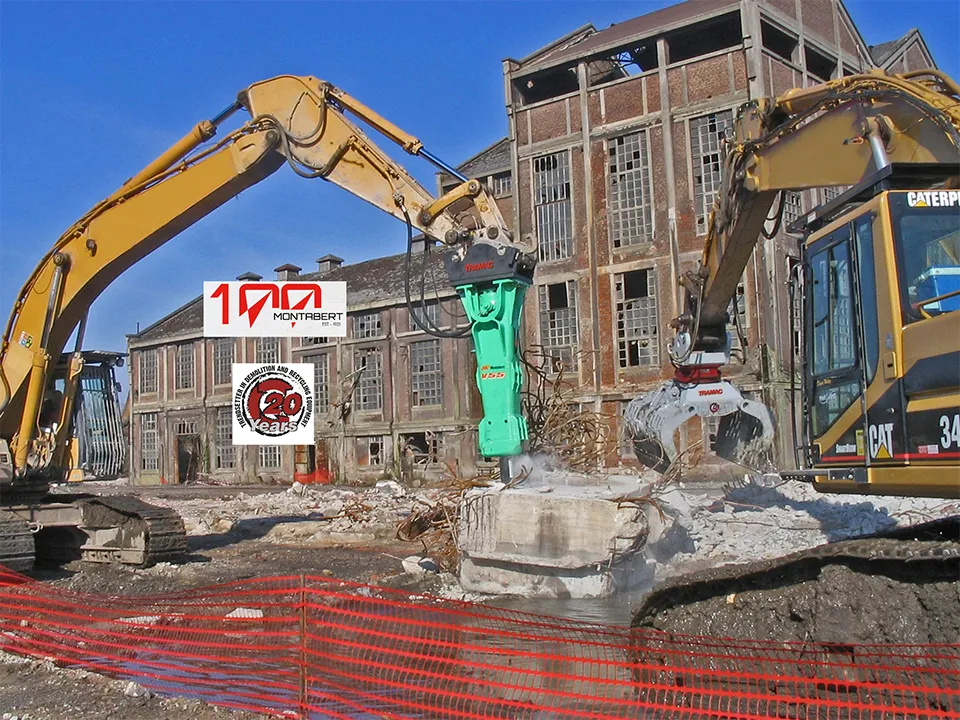
“The current Decree covers the crushing of construction and demolition waste using a mobile plant at the site where the material is generated,” explains Wilbert van Eijk. He is chair of the Waste & Recycling sector team at Van Iersel Luchtman Advocaten and specialises in planning law, environmental law, sanctions and fines. “Because they are mobile and operate for only a short time at any given site, these mobile crushers do not require an environmental permit, and the general environmental rules set out in the Environmental Management Activities Decree do not apply to them either. The requirements cover, among other things, noise and vibration, air quality, soil protection, the storage of hazardous substances and fuel dispensing.”
When the Environment and Planning Act comes into force, the Mobile Crushing Decree will be repealed. Van Eijk says: “The most obvious change is that the requirements for mobile crushing will no longer be set out in an annex, but in the body of the legislation itself. The legislator did not intend to make major changes to the rules for mobile crushing. Under the Environment and Planning Act, crushing will still be permitted for a maximum period of three months in the immediate vicinity of the project where the construction and demolition waste is generated. Bringing in construction and demolition waste from elsewhere will therefore remain prohibited.”
Notify the authorities in good time
Under the Environment and Planning Act, too, the company carrying out the crushing must notify the competent authority in good time. The ‘notification’ used today will be replaced by a ‘report’. The current notification period is at least fifteen working days before work starts. This will be extended to at least four weeks. As is currently the case, the competent authority must also be informed at least two working days before work starts. If the actual start date differs from the date originally reported, the competent authority must be informed again. This can be done in writing or digitally.
Some existing rules will not be carried over into the new legislation. These include rules on maintaining an inspection and maintenance system, preventing unauthorised access to equipment, storing hazardous substances and dispensing fuel. Instead, a specific duty of care will apply. This requires mobile crushers to take all measures needed to ensure safety and protect health, prevent accidents and avoid causing significant pollution.
Noise nuisance
As is currently the case, mobile crushers will only be allowed to operate on working days between 07.00 and 19.00. The louder a mobile crusher is, the fewer days it may operate. At the façade of, for example, a hospital or school, the daytime noise level is limited to a maximum of 60 dB(A). The limit of 65 days corresponds to the maximum period for which a mobile crusher may be in operation, namely three months.
In some cases, the competent authority can grant exemptions from the rules. Both stricter and more flexible site-specific requirements are possible.
Van Eijck also points to the crushing of delivered rubble. “In future, this will only be allowed indoors. At present, it can also be done outdoors. The question is whether this has been properly thought through. It has major implications for companies’ investment plans.”
Given the uncertainty, Van Eijck advises companies in the waste and recycling sector to review all their permits carefully in the coming period. “If you need new permits, arrange them before the Environment and Planning Act comes into force. That way, at least you’ll have clarity and certainty.”
Electric or hybrid
It may also be worth considering hybrid or fully electric crushing plants for new investments. They make a substantial difference to noise and emissions. More and more clients are also specifying zero-emission crushing in their tender documents. Manufacturers are already responding in force.
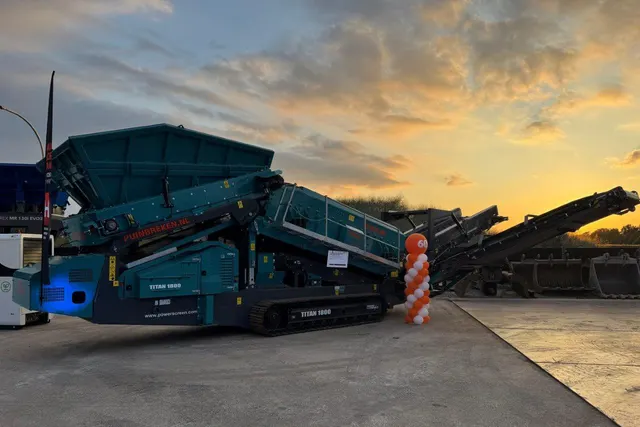
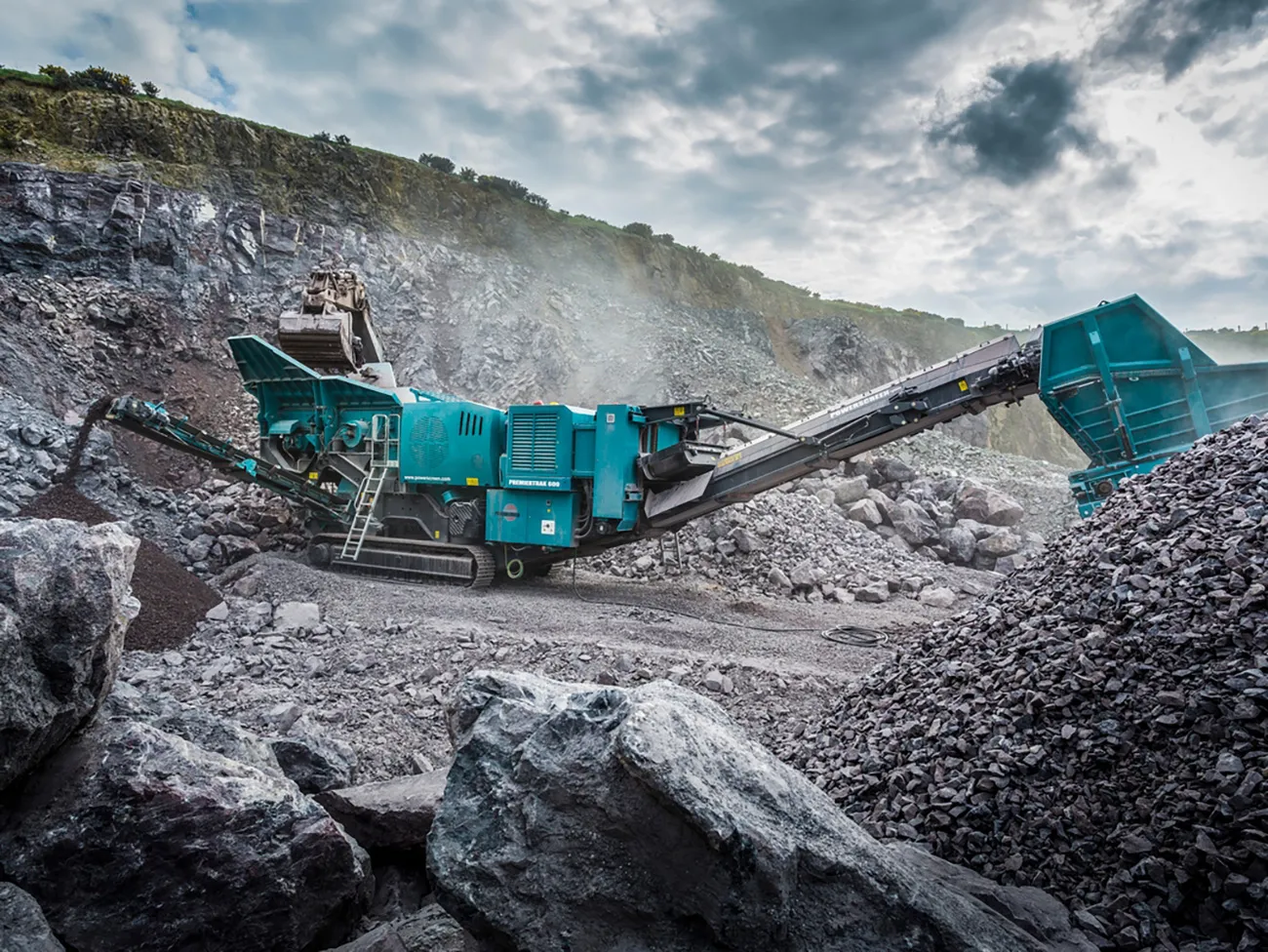
Powerscreen, for example, previously launched fully electric machines, but is now focusing on models with two drive options: electric or diesel. According to the manufacturer, this makes the machines suitable for a wider range of jobs. “The Powerscreen Hybrid range is designed to offer customers alternative power options for their crushing and screening equipment. The range of hybrid machines has expanded significantly, with more fully electric crushers and screens, as well as models powered by innovative combinations of diesel and electricity,” says Powerscreen. Caroline Frijling, speaking on behalf of Belgian distributor GM Recycling, says: “These options allow customers to choose which fuel to use, depending on cost, location and availability. Hybrid machines offer real benefits in areas where electricity is cheaper than diesel, where noise from diesel engines is unwelcome, or at sites where electricity is the preferred power source.”
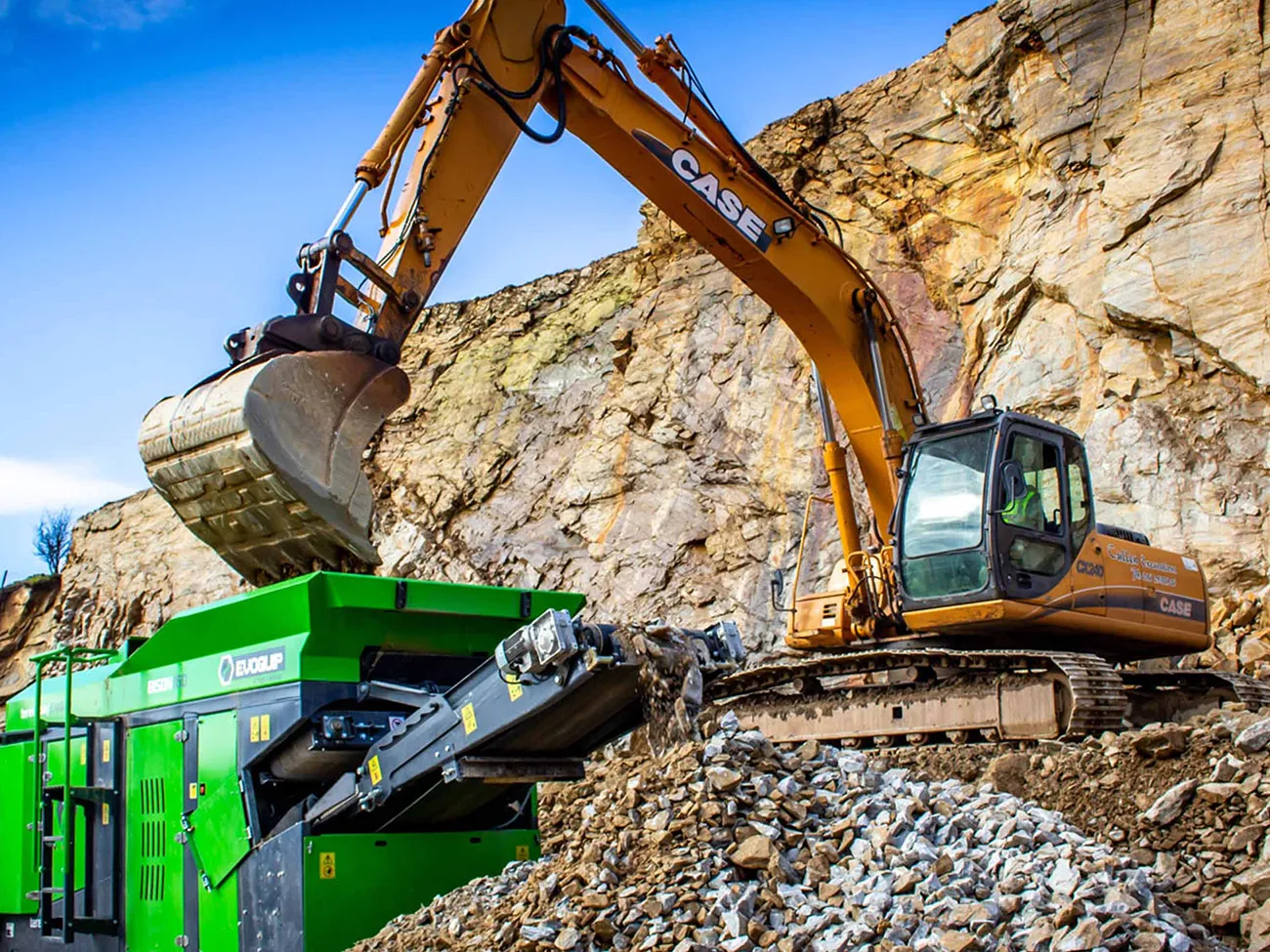
At GM Recycling, they have noticed that demand for hybrid and electric machinery has grown rapidly in recent years. “It is obviously a hot topic. Companies can receive subsidies when they switch to electric, and ultimately it leads to substantial savings on fuel costs.”
Savings
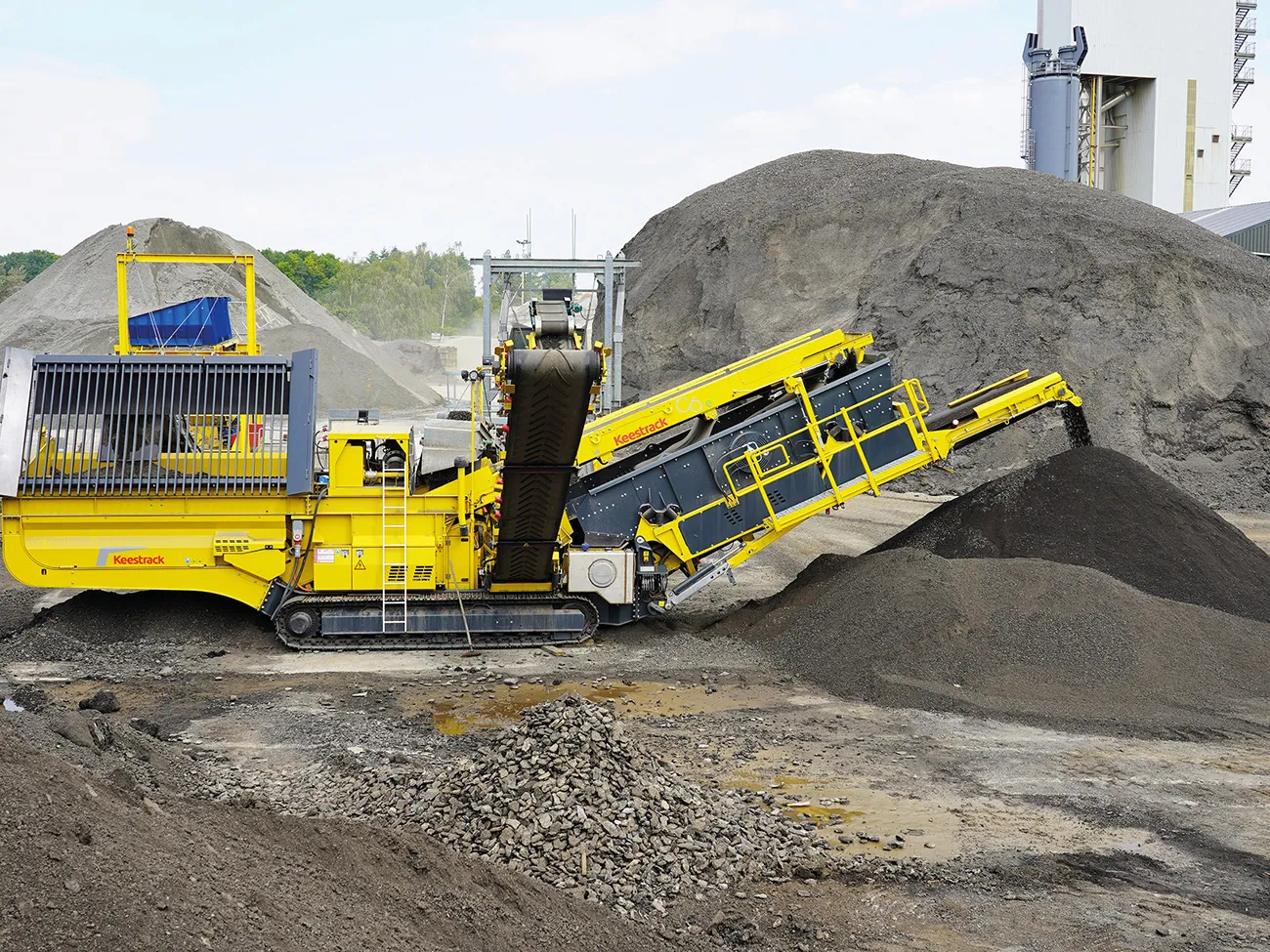
Customers of Keestrack, which began electrifying its screening and crushing machines back in 2012, are also increasingly opting for electrically driven machines. According to marketing manager Marcel Kerkhofs, running mobile crushing and screening plants entirely on electricity can cut fuel costs by as much as 70 per cent. “The initial investment in a diesel-electric machine is slightly higher,” says Kerkhofs. “But you recoup that quickly, because diesel-electric machines are more efficient than diesel-hydraulic ones.”
Keestrack’s diesel-electric models are not only plug-in, meaning you simply connect them to a power socket to run them, but also plug-out, allowing several machines to be connected in a line. For example, a large crusher with a post-screen can be connected to a stacker or another screen. This can be done using either a mains power supply or the diesel generator set.
EvoQuip’s compact crushers are also available in hybrid versions. EvoQuip is a brand that is only five years old, distributed by Van Laecke subsidiary Marcom Recycling and manufactured under the Terex umbrella. With these machines, you can easily comply with all the regulations, whether they are delayed or not.
Question about this story? Ask your question
Companies in this story
Keep following this
Get an email when a new story is published. No account needed.
- SubjectScreens & crushers
- CompanyGM Recycling
- CompanyVan Laecke Group