Circular demolition is becoming increasingly important
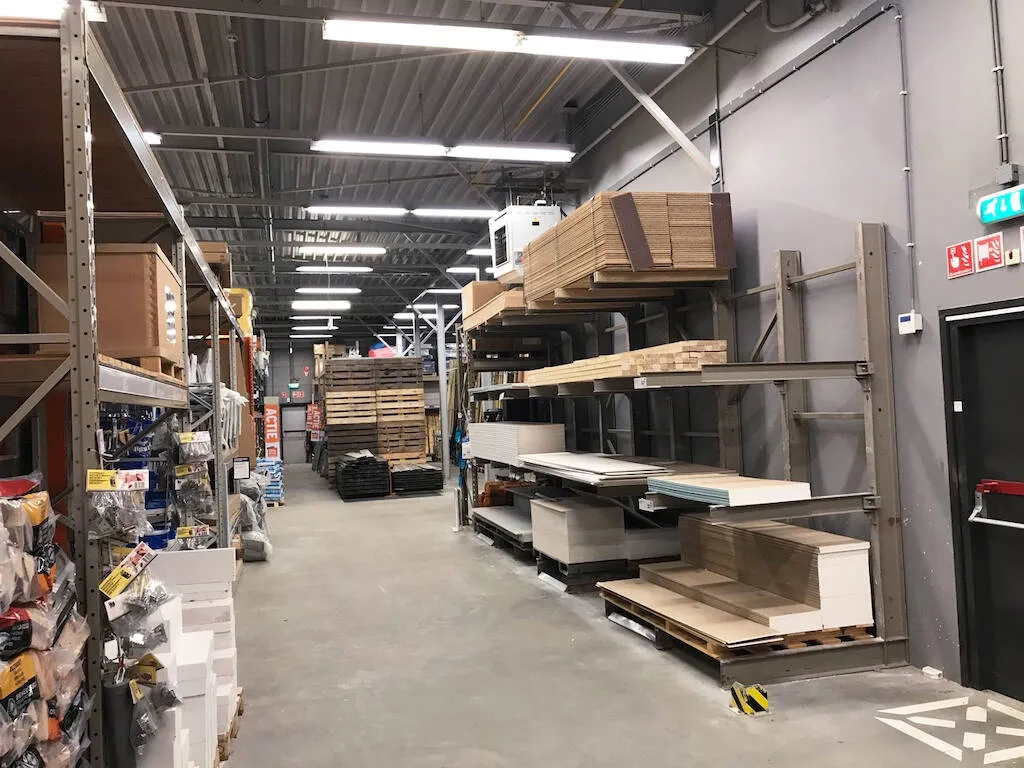
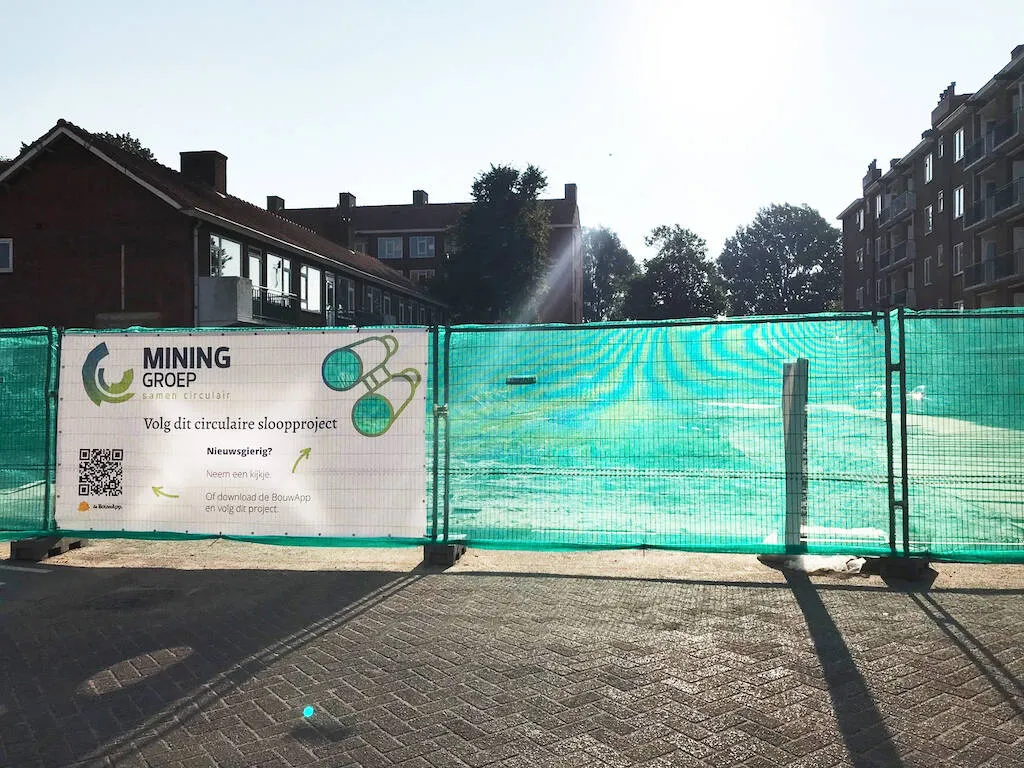
More and more requirements are being set for demolition projects, particularly by government bodies and government-related organisations and companies, including housing associations. Tender documents increasingly specify that certain components and materials must be 100% reused. Over the years, Mining Groep has built up extensive expertise in this area.
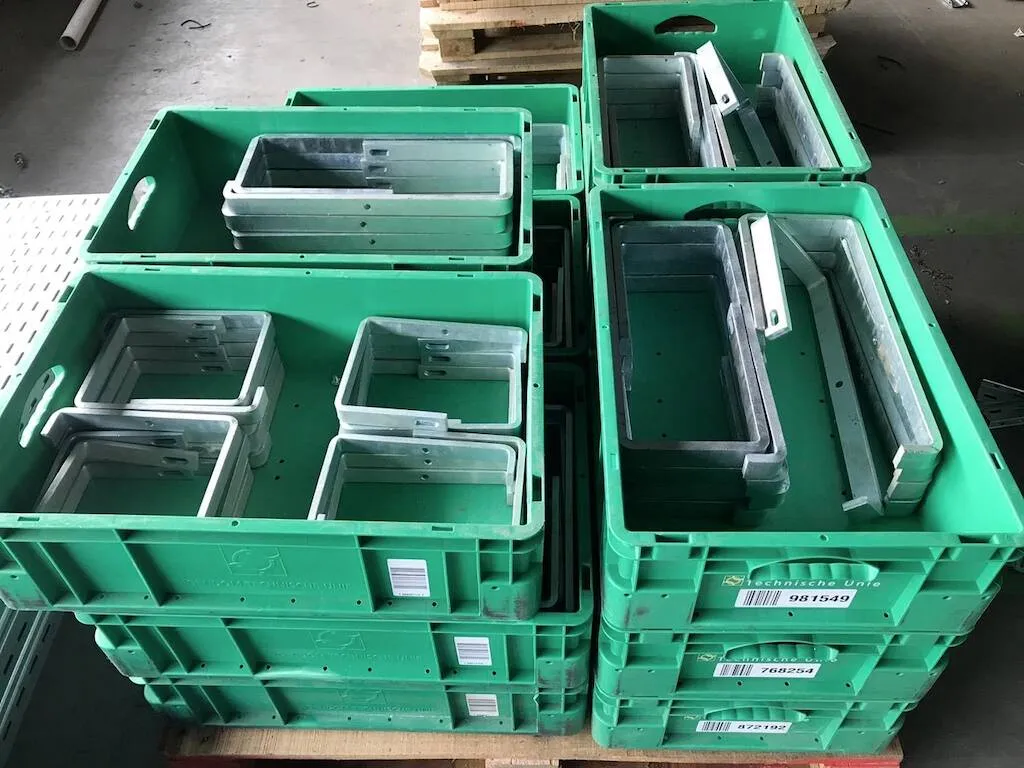
We arranged to speak to Richard van Kippersluis, managing director of Mining Groep, to explore the subject in more depth: “Circular demolition may be as old as humanity itself. In the past, demolition contractors already salvaged valuable items and reused certain materials. However, what is expected of us as a society in general and the demolition sector in particular, today and in the (near) future, is a focus on and commitment to a 100% circular economy. Mining Groep carries out circular demolition projects in which materials and resources are put to the highest possible value. By talking to recyclers on the one hand and engaging in dialogue with manufacturers, wholesalers and building contractors on the other, we encourage innovation and develop new methods, products and applications to achieve our 100% circularity goal.”
Complete products
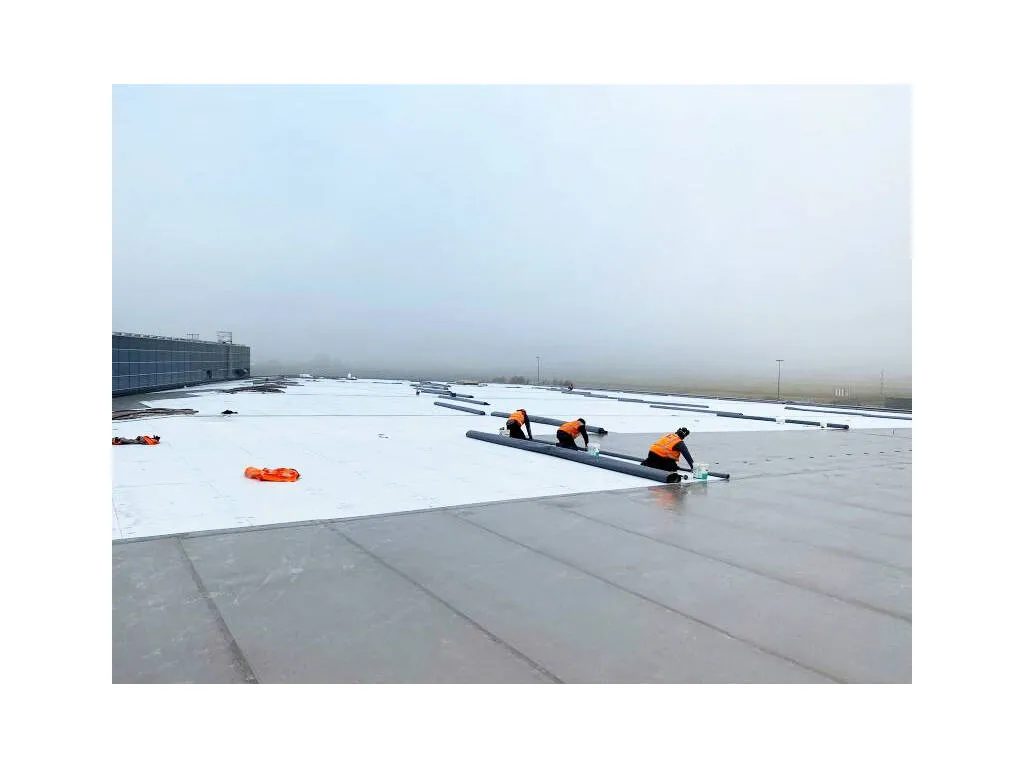
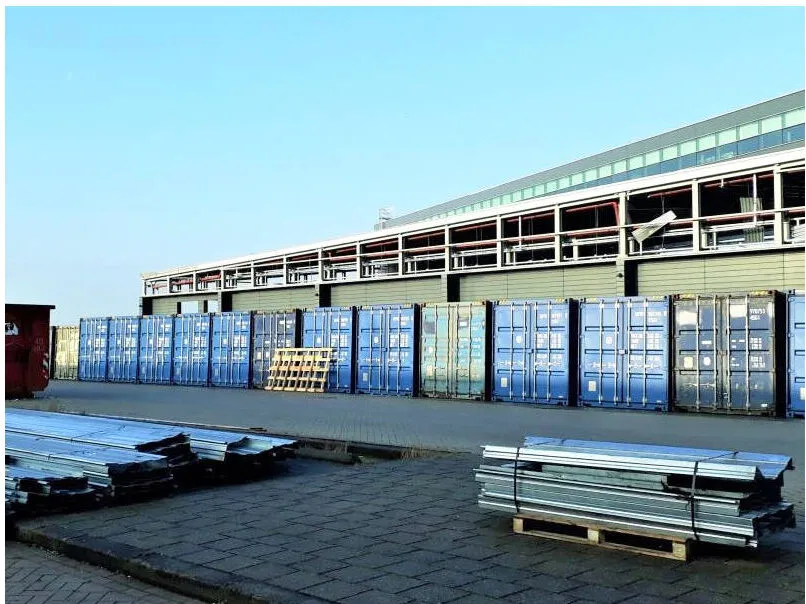
A fine example of product reuse is a project in which cable trays and their suspension brackets are 100% reused. By forming a strategic partnership with one of the largest electrical wholesalers in the Netherlands, Mining Groep achieved the agreed targets. Other examples of reuse include incorporating old lecture hall benches into an artwork, and reusing lockers or old warehouse racking. This is a perfect example of the circular economy in practice, with no loss of material or energy.
Materials
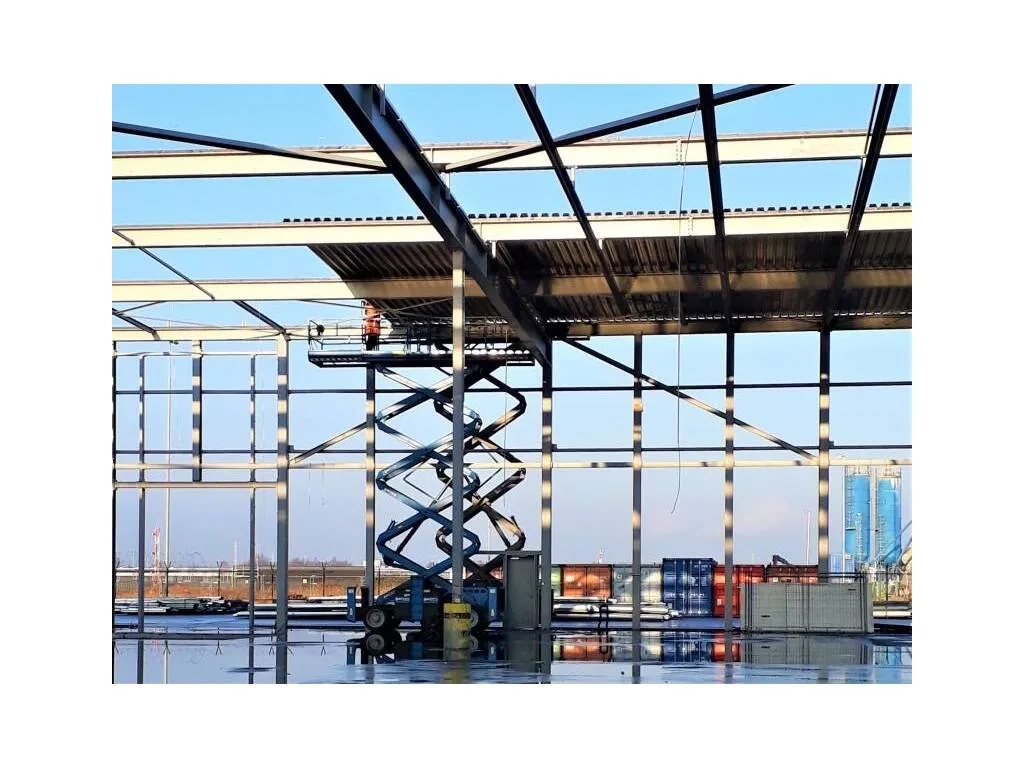
Some construction and demolition waste (C&DW) cannot yet be reused, or can only be reused in part. One example is C-grade timber, which unfortunately still ends up in the incinerator. But the fraction of construction and demolition waste that the sector does not yet know how to deal with must, and will, continue to shrink. Innovation is the key. One fine example is the complete recycling of non-tar-containing roofing materials. By developing a new, groundbreaking process with its partners, Mining Groep has made it possible to use these materials as a raw material for asphalt. The process is already being used in practice, thanks to close collaboration between clients, partners and, of course, Mining Groep itself as the driving force. Successful upcycling requires this type of roofing material to be recovered as a single stream, at source, in other words at the demolition project.
Challenges ahead
Van Kippersluis continues his impassioned argument: “Our pay-off is ‘together circular’. We understand that if you really want to make an impact, you have to work with partners. Our independence gives us the freedom to work with and for anyone with circular ambitions. At present, circular demolition is often driven by requirements and specifications set by clients. We believe that the supply of ‘traditional’ demolition waste will eventually dry up. This finite resource should already be prompting demolition and recycling companies to adopt circular demolition methods. Many municipalities will start putting out ‘circular’ tenders from 2023. From 2030, the government will even require 50% of procurement to be circular, for both construction and demolition. Mining Groep acts as a sounding board for recyclers who are, or want to be, working circularly on its projects. We are your dynamic, innovative partner for circular demolition, providing a complete service. Bring it on! Together, we’ll take on the challenges.”
Question about this story? Ask your question
Keep following this
Get an email when a new story is published. No account needed.
- ThemeCircular construction and demolition
- SubjectScreens & crushers