Innovative technology anticipates more ambitious targets
In the coming years, the recycling industry will face new sorting challenges and targets for both commercial and household waste. Vlarema 8, stricter standards for incinerators … A positive development for our future. But this will also require the necessary investment in cost-efficient and increasingly accurate technology. STEINERT, partner of Lybover RECYCLING, shows how quickly technology can sometimes make up lost ground. In recent years, STEINERT has invested in new NIR camera technologies and made digitalisation a key focus. Through its exclusive partnership with STEINERT, Lybover RECYCLING can provide you with even better tailored advice to help you achieve maximum yield from your material stream.
In recent years, STEINERT has invested heavily in developing new sorting machines based on NIR (near infrared). NIR refers to a spectrum in the range between 760 and 2,500 nm that is invisible to the human eye. In this wavelength range, characteristic patterns of materials can be detected based on molecular vibrations following excitation with light. Even the smallest differences in the chemical composition of the detected materials can be assessed. The HSI technology (Hyper Spectral Imaging) used by STEINERT can detect these characteristic patterns at very fine resolutions.
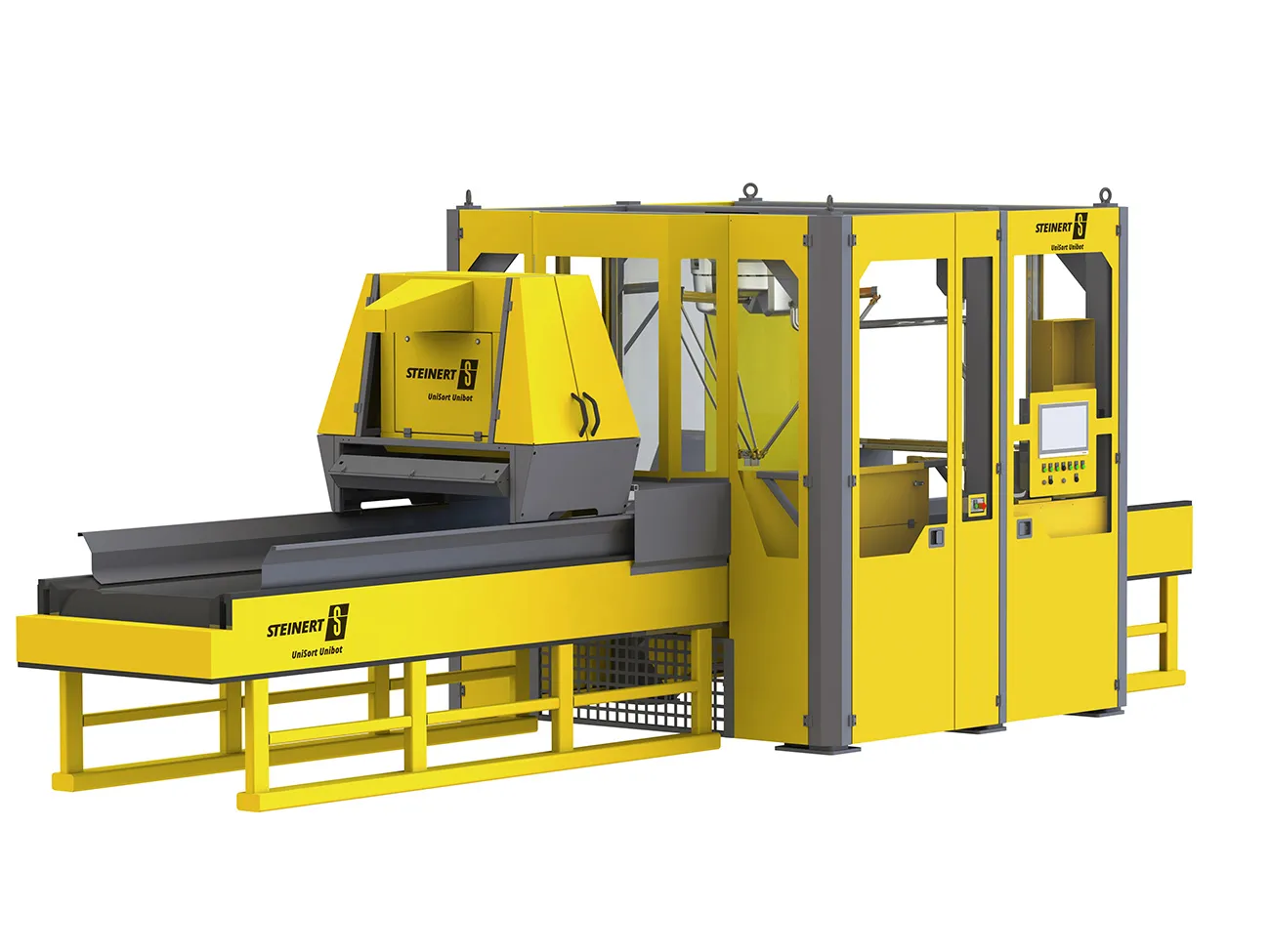
UniSort Unibot: a sorting robot for the highest purity levels
The latest addition to the range is UniSort Unibot, a sorting robot designed to deliver the highest purity levels. The machine combines reliable sensor technology with modern robotics to further increase the efficiency of sorting plants. AI-based recognition software enables accurate detection, while a new sorting principle produces a clean plastics fraction in the final sorting stage. UniSort Unibot uses proven technology: complex sorting programmes are enabled by a combination of sensors comprising high-resolution NIR and colour cameras. Drawing on many years of expertise, objects are detected not only accurately but also reliably. UniSort Unibot is designed for the world’s most advanced sorting plants and integrates seamlessly with the latest UniSort control system. It also monitors and assesses the quality of the material stream using sensors, ensuring optimum end-product quality and providing an interface for digital data processing. This makes it possible to respond directly to the material stream and meet regulatory or customer-specific requirements.
Modern robotics for clean fractions
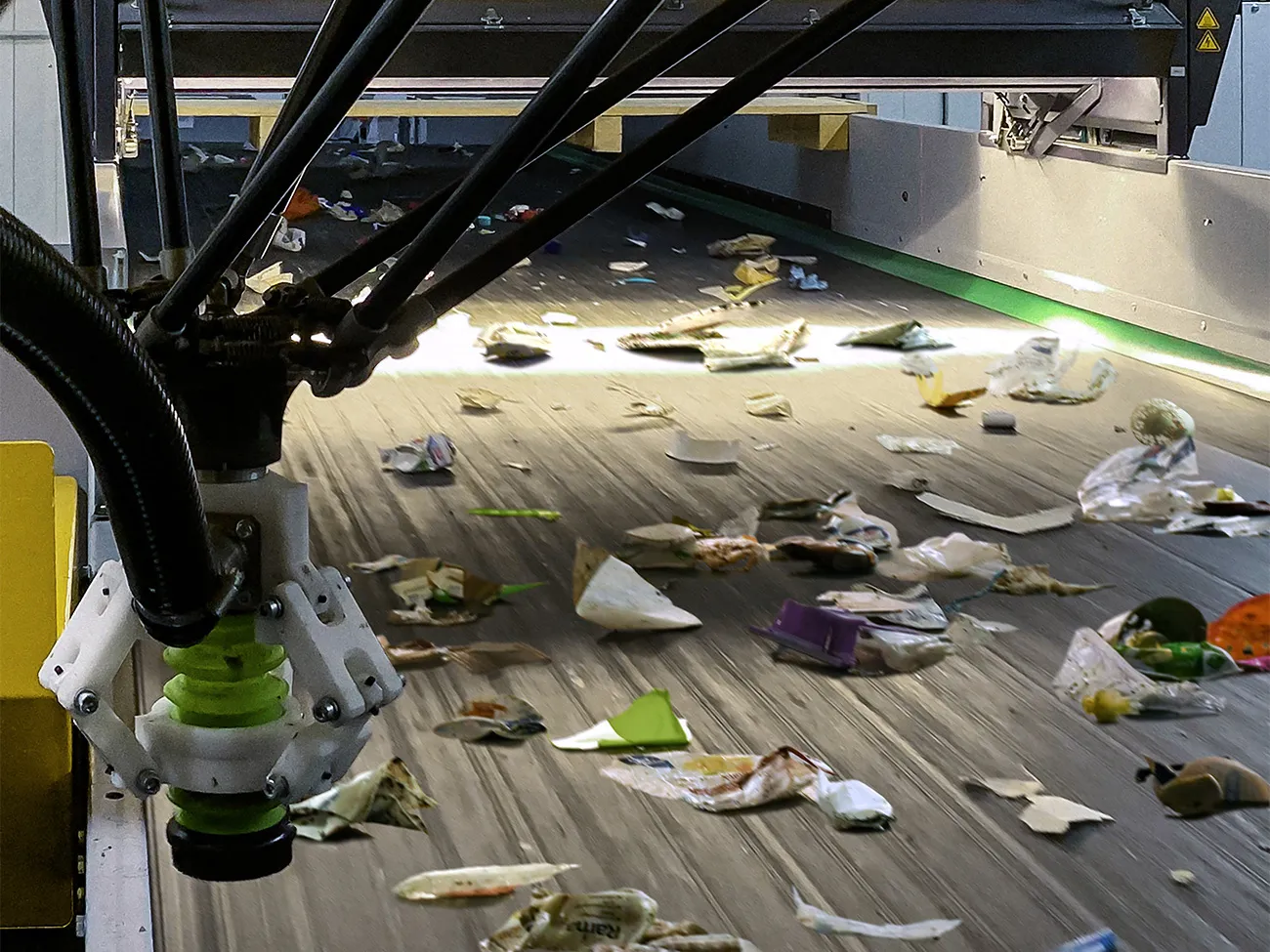
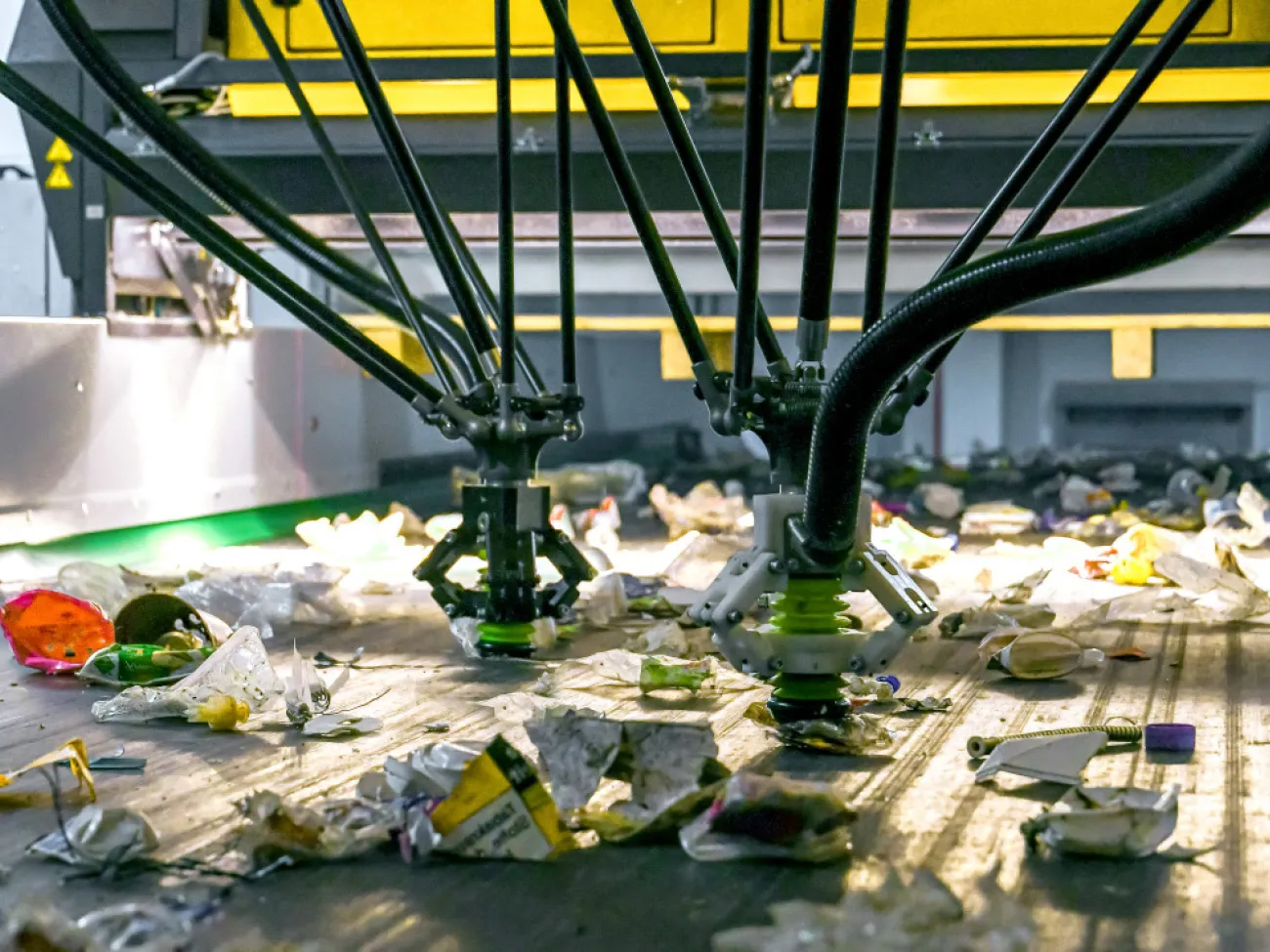
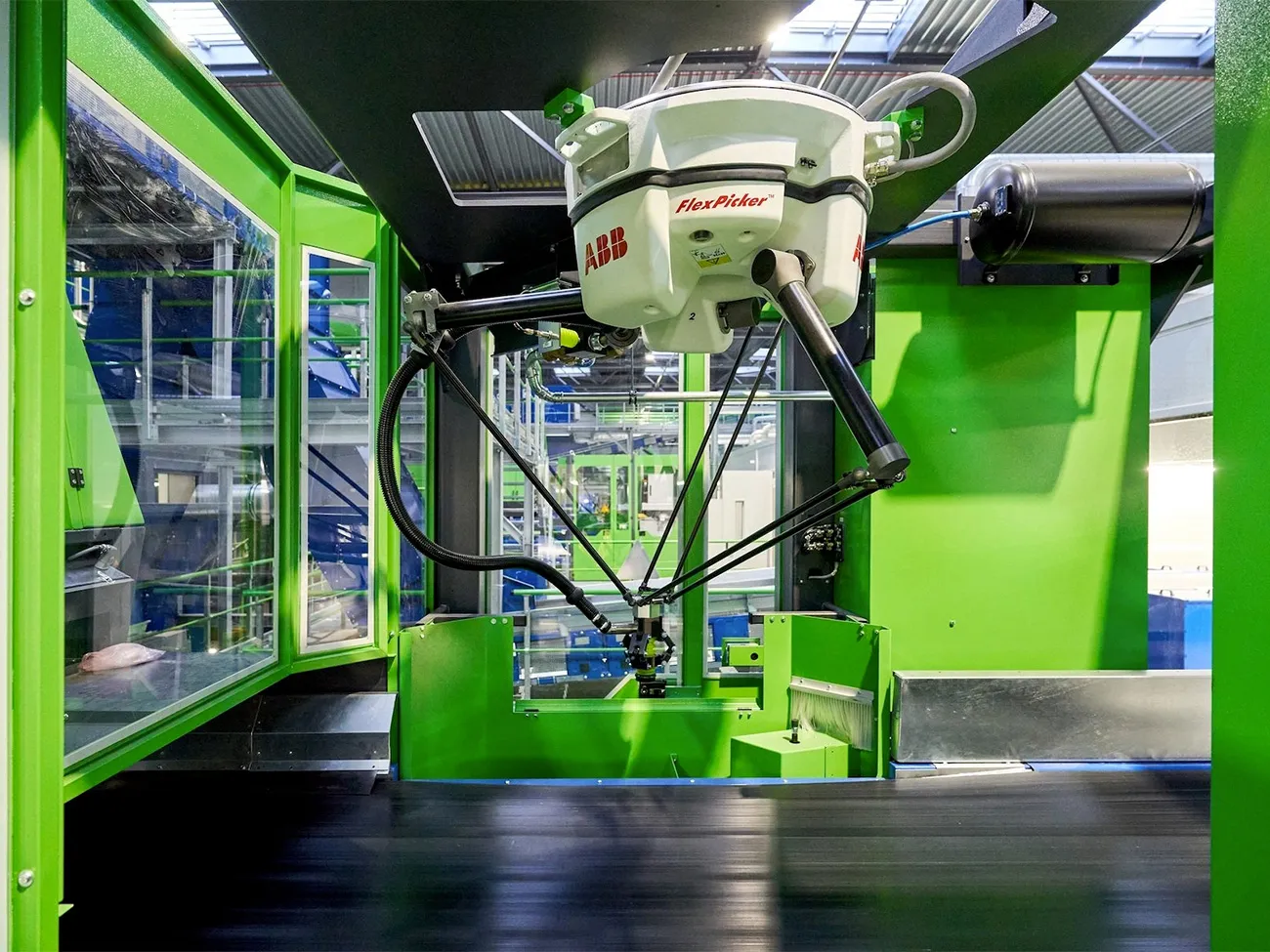
UniSort Unibot uses not only reliable sensors but also expertise in robotics. A modern delta robot with a specially developed tool adapter delivers the highest speeds and greatest accuracy in extremely confined spaces. High-speed delta robots can make 60 picks per minute. A second robot can also be added to increase throughput.
Digitalisation of the recycling industry
In the coming years, artificial intelligence will also become increasingly important in the recycling industry. Data are seen as the key to challenges that were previously impossible to solve. Yet for many recycling companies, data remain an untapped source of information. The demands placed on plants, machines and people continue to increase. There is a need for larger, more complex sorting plants as a result of greater financial pressure, stricter recycling targets and materials in material streams that consist of multiple layers. Plants that are used efficiently, easy to monitor and quick to maintain are absolutely essential for smooth and economically viable sorting processes. That is why Lybover RECYCLING’s partner Steinert is going a step further, with this technology partner also offering digital solutions to simplify the commissioning, monitoring and control of your plants.
State-of-the-art technology in practice: PreZero PMD sorting centre
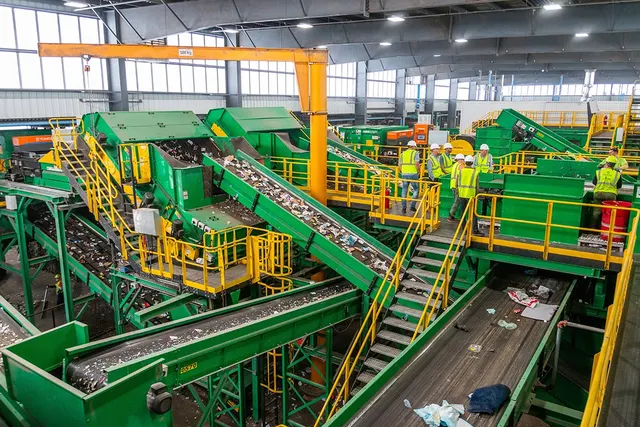
PreZero Recycling Belgium commissioned a sorting plant for PMD packaging in Evergem in early 2021, representing a total investment of 46 million euros. Its sorting processes bring together the most advanced available technology and ensure that the Belgian government’s current and future ambitious recycling targets can be met with confidence. In addition to mechanical sorting components such as windsifters, magnets and ballistic separators, the system’s main components include a total of 26 NIR units, which sort PMD packaging into fourteen fractions, including polyethylene, polypropylene, polystyrene and PET. Robots also separate beverage cartons, PET trays and HDPE packaging during the material’s secondary sorting. Steinert supplied not only the NIR units but also the robots for this innovative sorting plant.
Question about this story? Ask your question
Keep following this
Get an email when a new story is published. No account needed.
- SubjectRecycling plants