Indaver first to commission a new PMD sorting plant
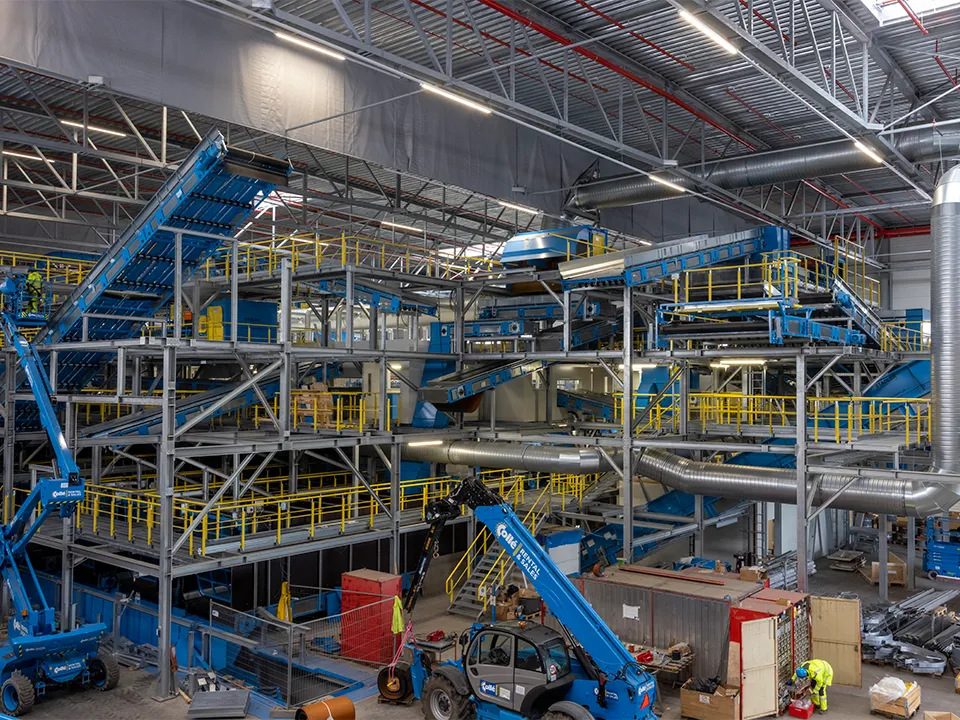
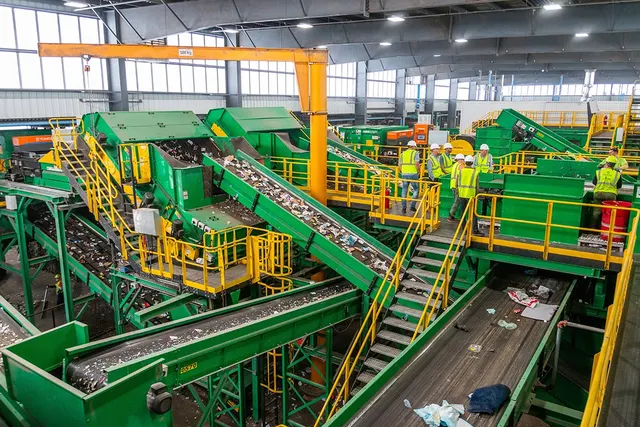
Waste management company Indaver completed construction last week of a brand-new PMD sorting plant in Willebroek.
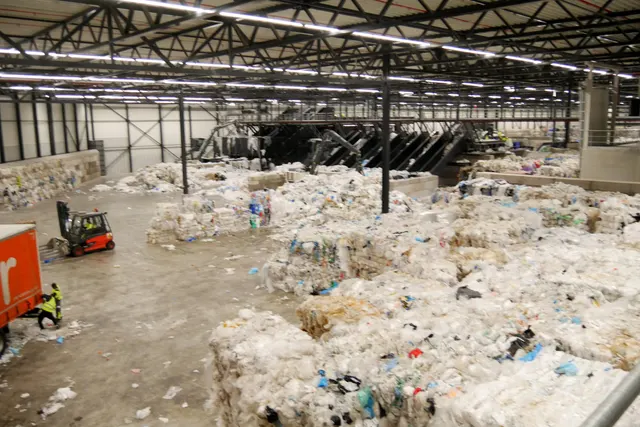
Indaver already had a PMD sorting plant on the site. With the phased introduction of the ‘New Blue Bag’ across Belgium, each resident will put out 8 kilograms more PMD per year than before. To process this larger volume and sort out more materials, investment in a new plant was essential. The new plant is three times the size of its predecessor and will process PMD waste from around 3 million residents each year.
More PMD, more materials sorted
Indaver has been sorting PMD waste in Willebroek into 8 clean material streams, ready for recycling, since 1995. With the introduction of the New Blue Bag, the range of plastics accepted in the bag is being expanded. The rules are changing from ‘plastic bottles and flacons’ to ‘all plastic household packaging’. As a result, each resident will put out an average of 7 to 8 kilograms more PMD waste than before.
Indaver began building a completely new plant in September 2019. It was needed to process the larger volumes of PMD waste into 14 clean material streams. The new plant is three times the size of its predecessor and will process 60,000 tonnes of PMD waste a year for the next 9 years, from around 3 million residents. Capacity can be expanded further if necessary.
Construction of the building and installation of the machinery were completed several weeks ago, but last week the plant carried out its first test run with PMD waste. During this phase, which will continue until the end of February, all the machinery is being tested and calibrated. This is a crucial stage in the process. Each machine must be meticulously calibrated to achieve the exceptionally high level of purity required by Fost Plus. Delivering clean single-material streams is the only way to enable high-quality recycling at the next stage. The new sorting plant will separate PMD into 14 distinct streams, and possibly more in time.
Tight schedule
When the New Blue Bag was introduced in 2019, Fost Plus launched tenders for five new, high-tech sorting centres to handle the additional PMD, around 90,000 extra tonnes a year. Indaver’s plant is the first to have started up and begun trial runs to process the New Blue Bag. The schedule from the start of construction to the trial runs was particularly tight. Even during the difficult times of the coronavirus pandemic, with local lockdowns, Indaver managed to complete the work within the very tight timeframe. The project represents an investment of around €35 million.
“Producers in the circular economy want to reuse raw materials, provided they are just as good and safe as the original material. We make this possible and aim to lead the way for the sector,” says Indaver CEO Paul De Bruycker. “In this new plant, we create value from the packaging waste delivered to us and protect the material cycle from contamination. This is how we make the necessary transition from a linear to a circular economy. This modern, high-tech plant is a perfect fit for our processing portfolio and helps us make that transition.”
At least 75% recycled domestically
The New Blue Bag now also accepts packaging such as salad bags, mushroom trays and the film around multipacks of water and milk. The sorted fractions are then sent for recycling in Belgium and neighbouring countries. Today, 75% of the household packaging waste collected by Fost Plus is already recycled in Belgium. Following the announcement that three new recycling contracts have been awarded in Belgium, this figure is set to rise further over the coming years.
“Good recycling starts with good sorting,” says Patrick Laevers, managing director at Fost Plus. “By providing citizens with a uniform collection system and consistent sorting guidance, we make it as easy as possible for them. This enables them to make a tangible contribution to creating a circular packaging economy. The opening of this new sorting centre is proof of our high-performing ecosystem. The new technologies being integrated will also allow us to look ahead to the packaging mix of tomorrow. This is a great achievement and we are proud to be part of it.”
Question about this story? Ask your question
Keep following this
Get an email when a new story is published. No account needed.
- ThemeMaking plastics and packaging circular
- SubjectRecycling plants