Lessons from three companies on circular machine design
Text and images Sirris
Circular machinery is becoming increasingly important. More and more companies are looking for machines that deliver strong performance while reducing environmental impact. In the Living lab project Circulaire Machinebouw, three companies explored circular strategies suited to their product, business and market. This article brings together the key insights.
There is considerable potential in machine building to preserve the technical and functional value of machines. Circularity helps reduce environmental impact and strengthen your business model by keeping machines productive for as long as possible. The first way to do this is to make better and greater use of machines: increase output through rental, sharing and optimal use. Extending service life, through services such as maintenance, repair and upgrades, also contributes to greater circularity. Thirdly, you can extend the cycle: bring discarded machines back to market through reuse and remanufacturing. In the Living lab project Circulaire Machinebouw, we analysed machines from 3D Tools, CYAGO and Eliet. Each company explored circular strategies suited to its market, technology and stage of growth.
Modular design combined with a buy-back model
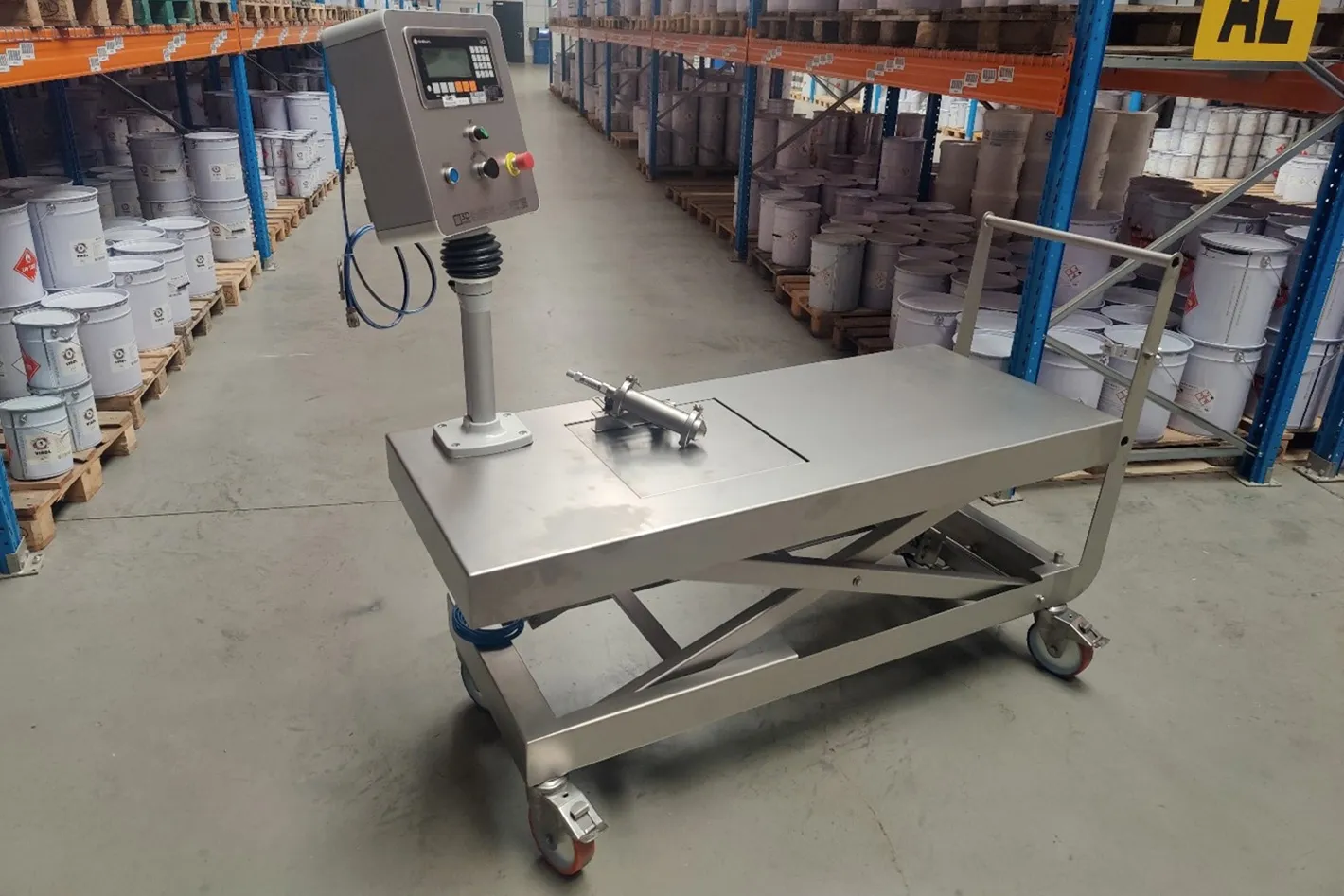
3D Tools designs and builds custom machinery and brought the Gravifill, a semi-automatic filling machine, to market. Modularity was a priority from the outset. Fewer variants reduce assembly time, simplify maintenance and enable reuse. The company also took environmental impact into account when selecting materials and treatment processes. 3D Tools now offers a formal buy-back service and sells refurbished machines to its customers. To gain insight into use and service provision, the company equipped some customer machines with cloud-based data logging. This data helps develop data-driven advice, assess machine load and evaluate the condition of machines before buy-back.
Consult customers before scaling up technology
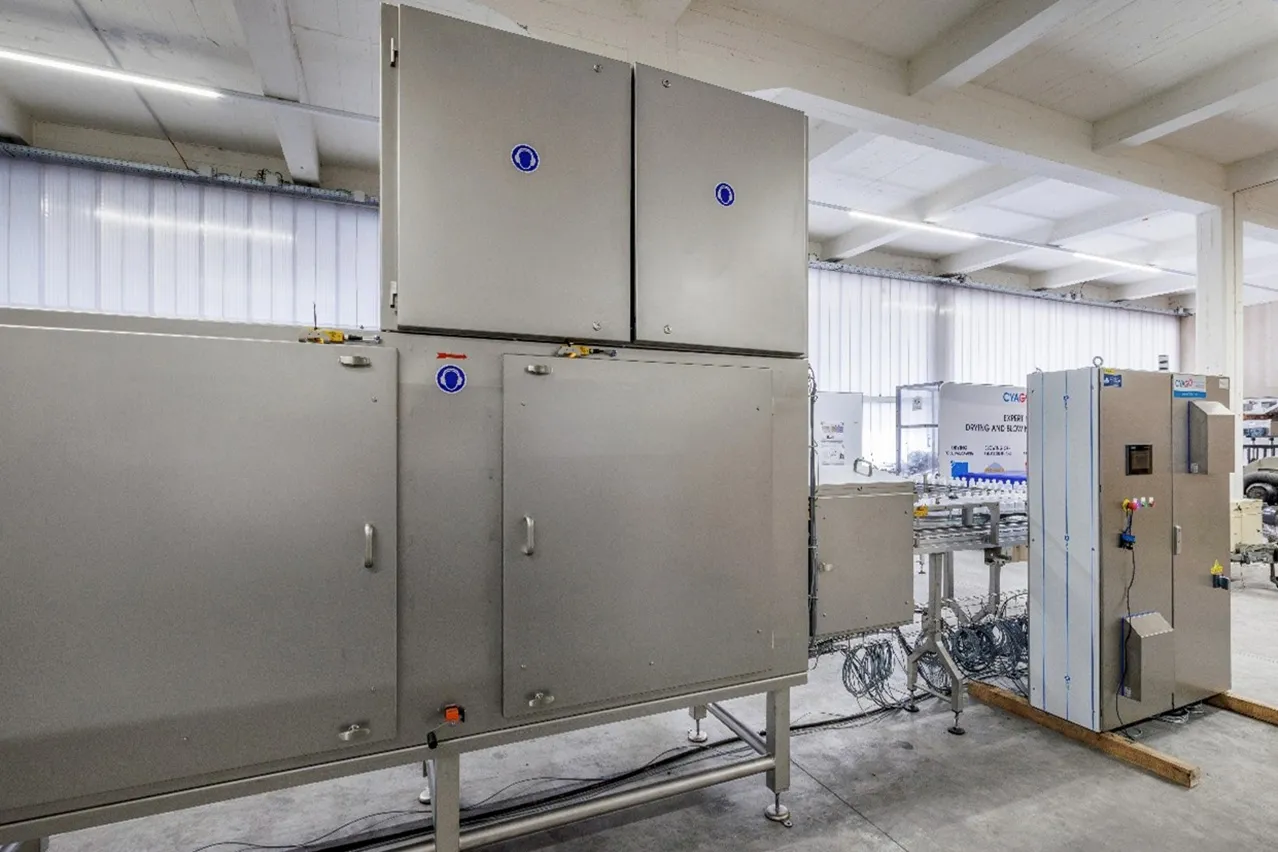
CYAGO specialises in drying and blowing solutions, with custom-made systems for a range of applications. Using fans means these solutions consume less energy than compressed-air-based systems. Given the company's focus on custom engineering, achieving economies of scale in the reuse of entire machines remains challenging. However, the machines share many components, creating opportunities for maintenance and repair. CYAGO is now focusing on closer customer follow-up to identify circular needs before adding more technology. At the same time, the team is exploring modularity to support component reuse and customer modifications.
Using rental to create circular value
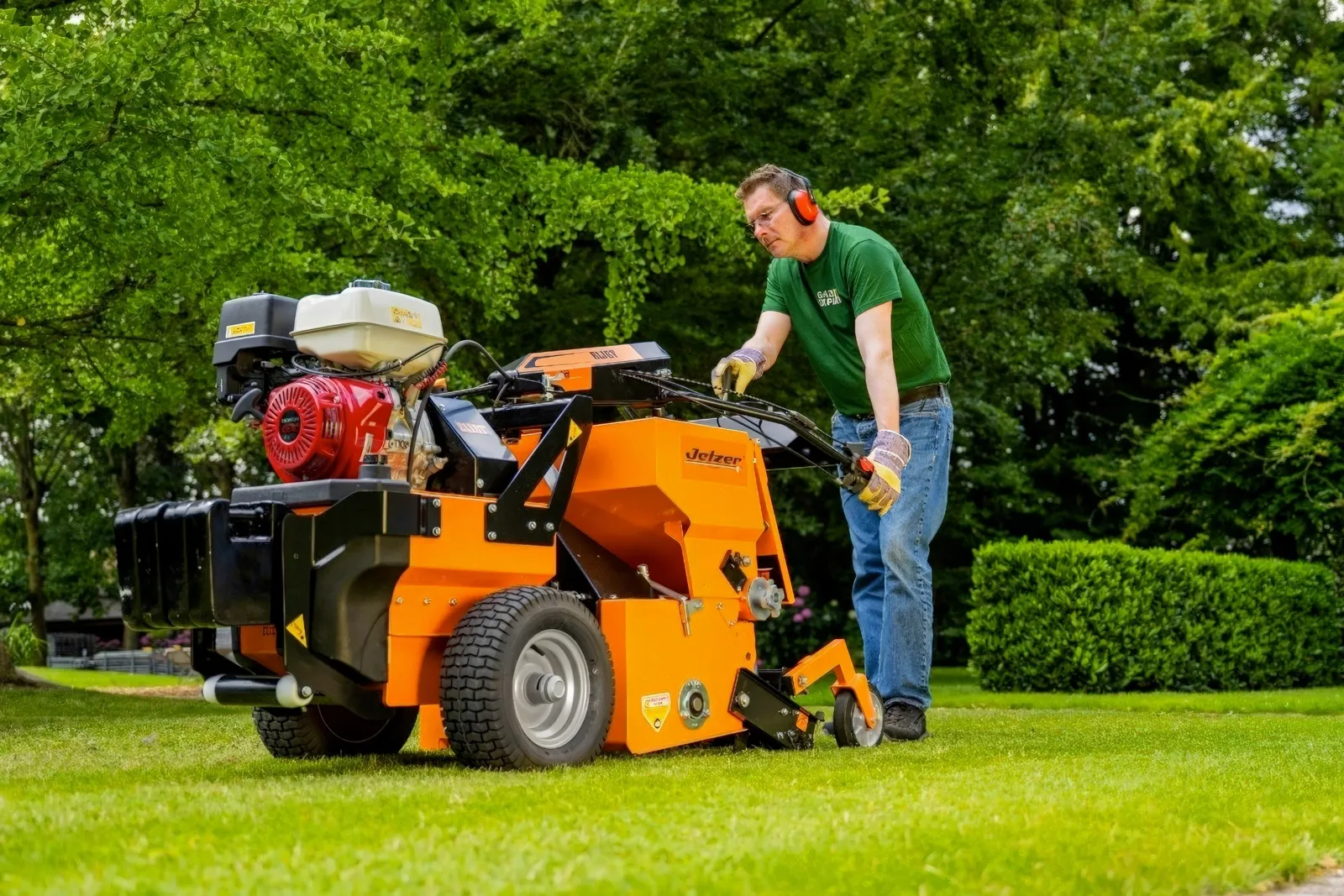
Eliet builds machinery for green-space maintenance and developed the Jetzer, a new lawn-care machine. The company opted for rental to reach landscaping contractors. Rental makes it possible to deliver more functionality with fewer machines and offers market access with strong circular potential. Because Eliet designs robust machines, little adaptation of the machines themselves is needed. A digital platform supports the entire rental process. Sensors and remote monitoring could be added at a later stage. Eliet is already exploring these options for the maintenance of wood chippers, including through embedded diagnostic software and connectivity for data exchange. This allows the company to support end users directly and keep machines operational for longer.
What we can learn from these case studies
Although each case is unique, all three companies show that circular potential is always linked to new or improved services. Through buy-back, rental, usage advice or maintenance support, machine builders are moving towards a combination of product sales and services that keep machines in use for longer and generate additional revenue. Key insights include:
- Start with customer needs: gather feedback through surveys, visits and follow-up;
- Standardise your offering wherever possible: this increases scalability and circular potential;
- Use modular design: set measurable design objectives;
- Address service-life issues at their source: consider every life-cycle stage during design;
- Collect the right usage data: essential for efficient repair, reuse and remanufacturing;
- Start small with data and software: begin with a proof of concept on one machine;
- Validate solutions with stakeholders: choose the simplest solution that works;
- Roll out new technology in stages: start with the function offering the greatest potential.
Question about this story? Ask your question
Keep following this
Get an email when a new story is published. No account needed.
- SubjectEquipment