What does high-quality equipment really mean?
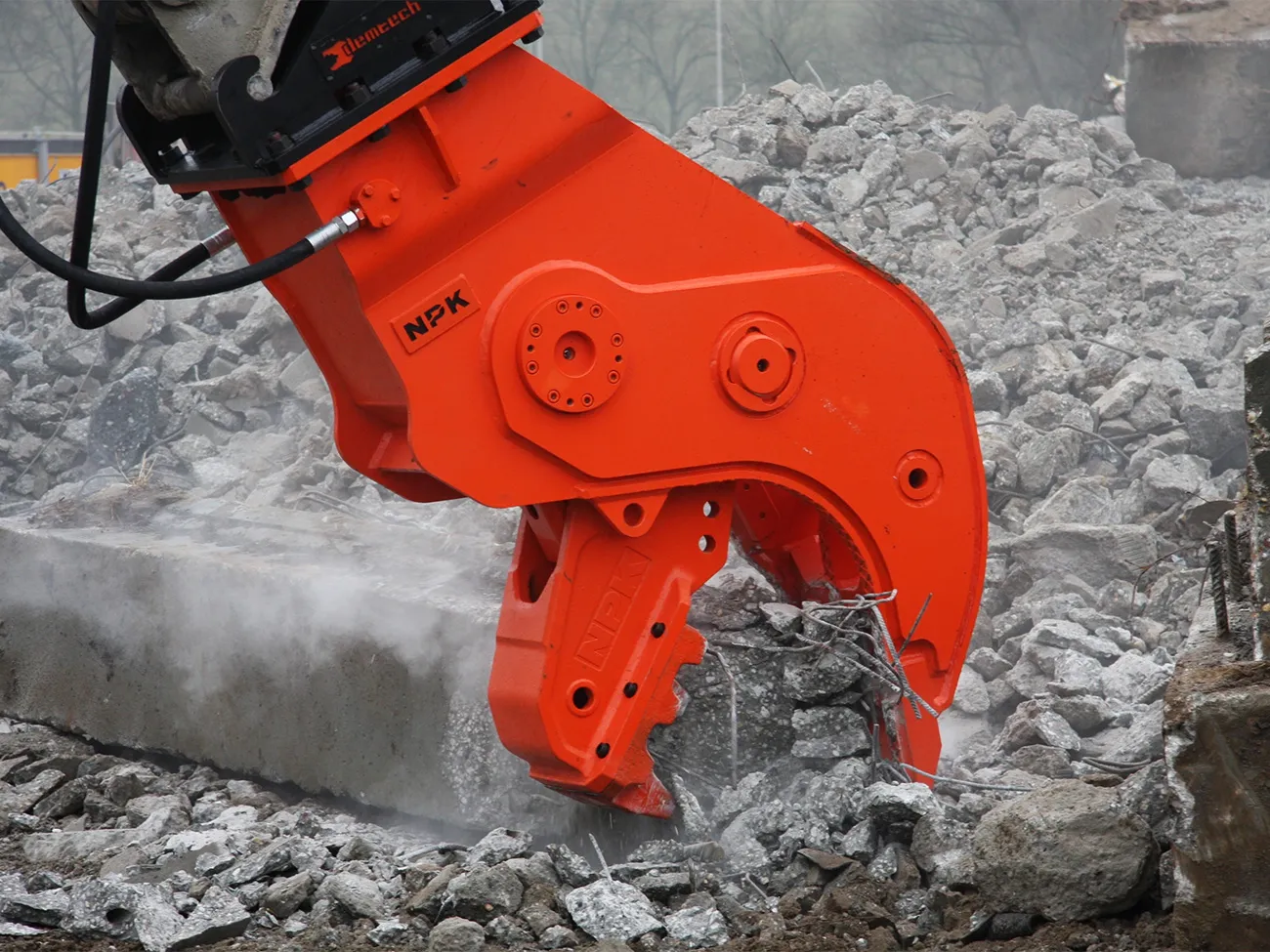
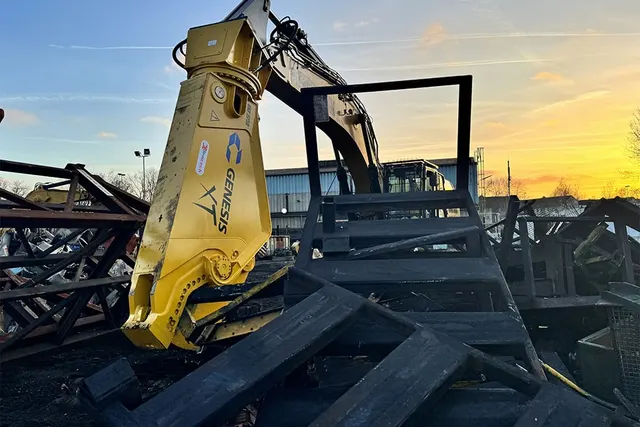
High-quality equipment is a must in the recycling industry. As a contractor, you want to avoid your machines standing idle on the demolition site. Quality comes at a price, but can you also calculate what it has delivered to your bottom line? Demtech has done the calculations to be transparent with its customers. Using the NPK G-18JX concrete pulveriser as an example, Arthur Polak of Demtech shows us what true quality looks like in figures. He also explains how to work more efficiently: with less environmental impact, getting more done with lighter equipment, saving fuel and reducing wear. The secret weapon here is the NPK Power Booster.
“Let’s take our NPK G-18JX concrete pulveriser as an example,” Polak begins. “This pulveriser can run for around 20,000 operating hours. It requires maintenance, servicing and overhauling every 2,000 operating hours. This means that, due to the wear and tear the pulveriser is subject to, the customer will need to buy a new one after ten maintenance, servicing and overhaul intervals. By the time it reaches the end of its lifecycle, this pulveriser has cost just €4.33 per hour, based on its purchase price and the average cost per maintenance interval.” The customer also benefits from the assurance of continuity. “There is no downtime during work, and if a problem does arise, we will resolve it on site as quickly as possible. There is nothing worse than coming to a standstill on a demolition site. Every hour of downtime costs money. Work is often carried out to a tight schedule, and when operations resume, a lot of time has to be made up. With our huge stock of parts, we can get everyone back up and running in no time.”
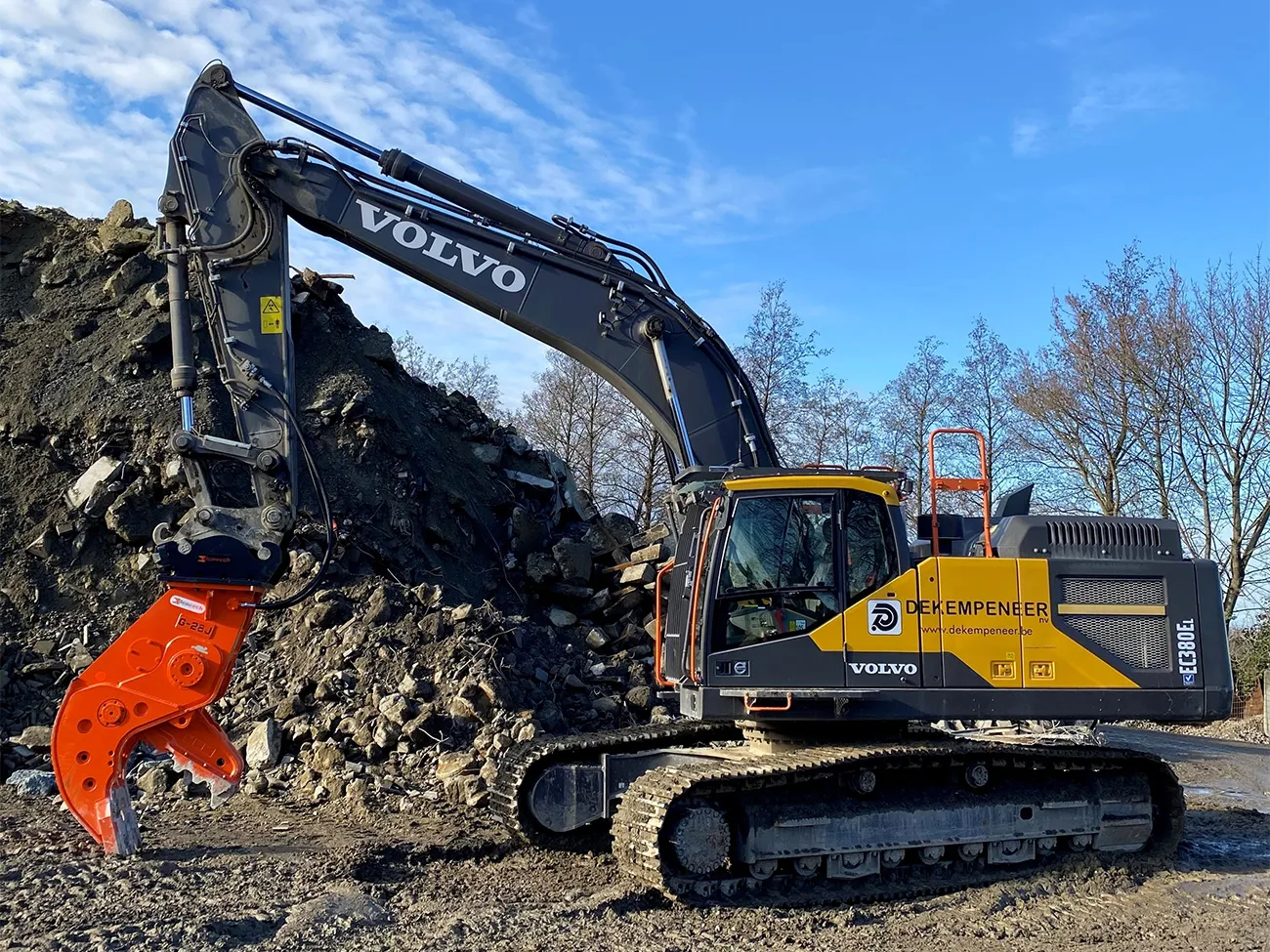
Work more efficiently with the NPK Power Booster
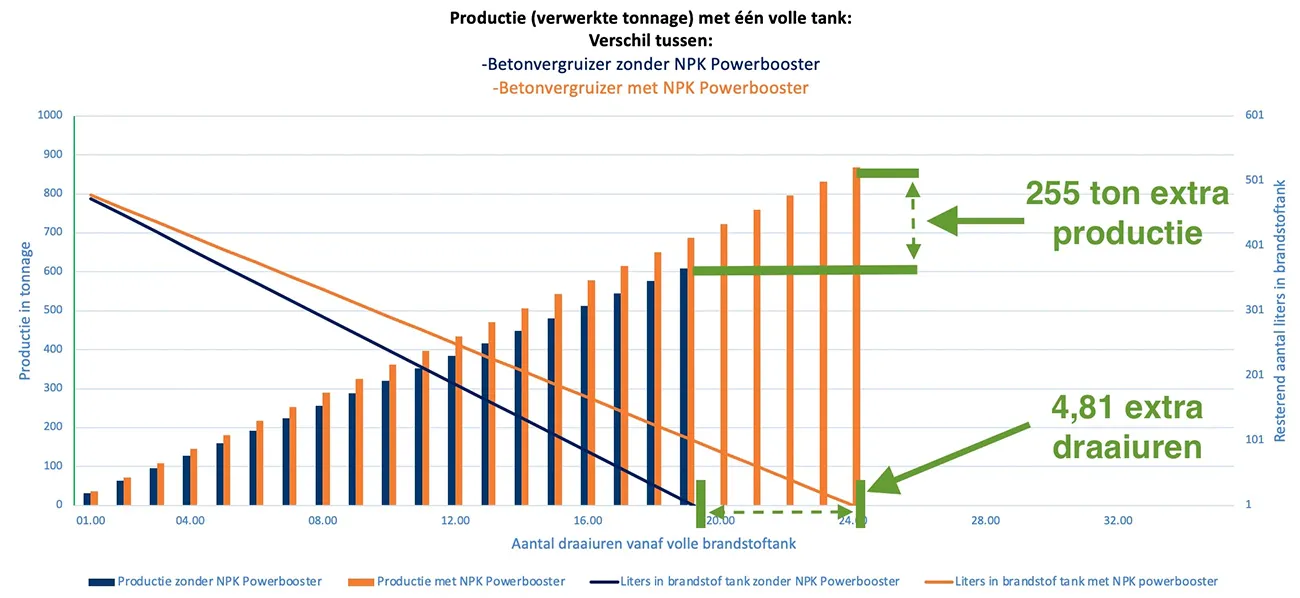
The NPK Power Booster is Demtech’s ‘secret weapon’ for optimising work. Polak says: “Let’s assume a situation in which the NPK G-18JX concrete pulveriser processes 32 tonnes per hour, the excavator uses 26 l of fuel per hour, and it has a 500 l fuel tank. Our calculations are based on a fuel price of €1.98/l. We know that diesel now costs more than €2 in some places. We are keen to show that adding the NPK Power Booster delivers the first gains by allowing you to work for more hours on a full tank and process more tonnes on a full tank. With a full tank of fuel, the NPK Power Booster gives you an extra 4.81 operating hours and lets you crush an additional 255 tonnes of concrete.” Those figures speak for themselves. The NPK Power Booster delivers more power: to be precise, you get three times the normal power at your disposal. That means going from 300 bar to 900 bar with an attachment that weighs less. An added benefit is that it puts less strain on the excavator’s hydraulic system, and in many cases you can even work with a lighter excavator than usual. That also makes a substantial difference to CO2 emissions.
The NPK Power Booster also pays for itself
These days, contractors increasingly see requests for proposals specifying that the Environmental Cost Indicator (MKI) will be considered. To be awarded the contract, you need to demonstrate that you work sustainably and reduce emissions of harmful substances. “Fuel savings, reduced wear, the extra work you can do in a given time and the fact that you can achieve the same results with lighter equipment all help you secure a more favourable MKI score. It can literally win you a contract. The combination of using top-quality equipment and the optimisation delivered by the NPK Power Booster adds up to a compelling case: substantial fuel savings, cleaner operations and the ability to keep working. It is a win-win situation that benefits everyone. Based on our research, we can confidently say that high-quality equipment and the NPK Power Booster pay for themselves.”
Question about this story? Ask your question
Keep following this
Get an email when a new story is published. No account needed.
- ThemeCircular construction and demolition
- SubjectAttachments