“Fire detection systems must operate without faults or alarms 90 to 95% of the time”
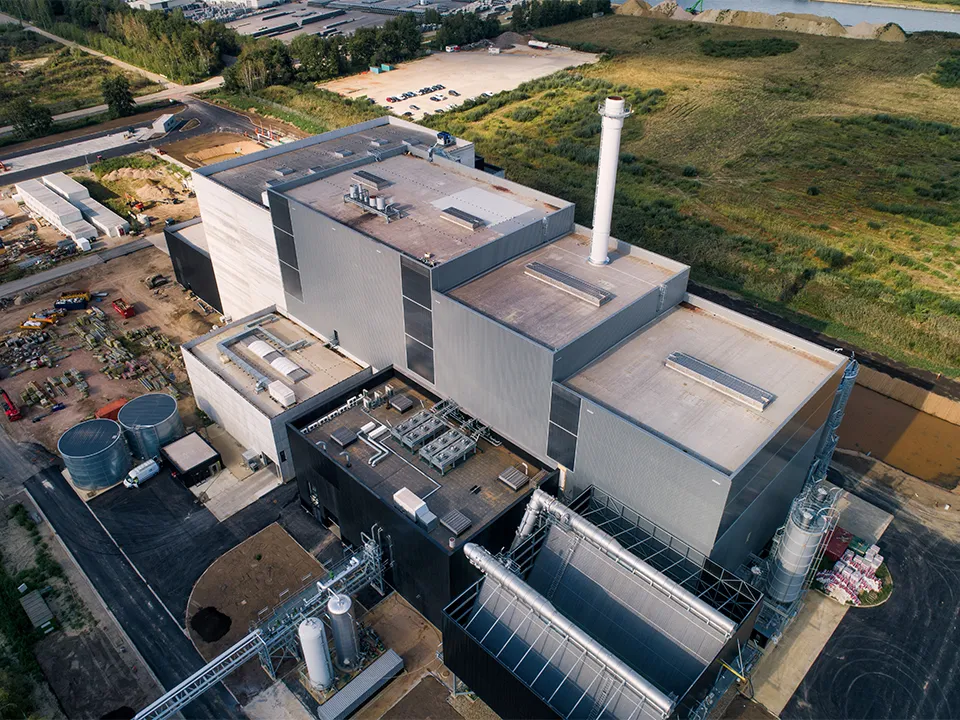
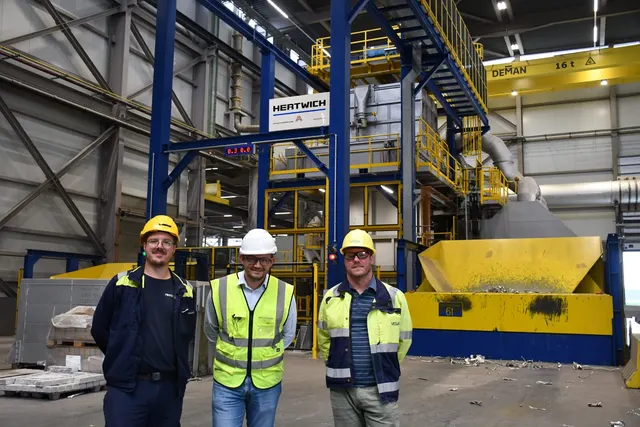
Since September 2020, there has been white smoke in Beringen. The Biostoom waste incineration plant was finally able to officially start operating, converting 200,000 tonnes of non-recyclable waste into green energy.
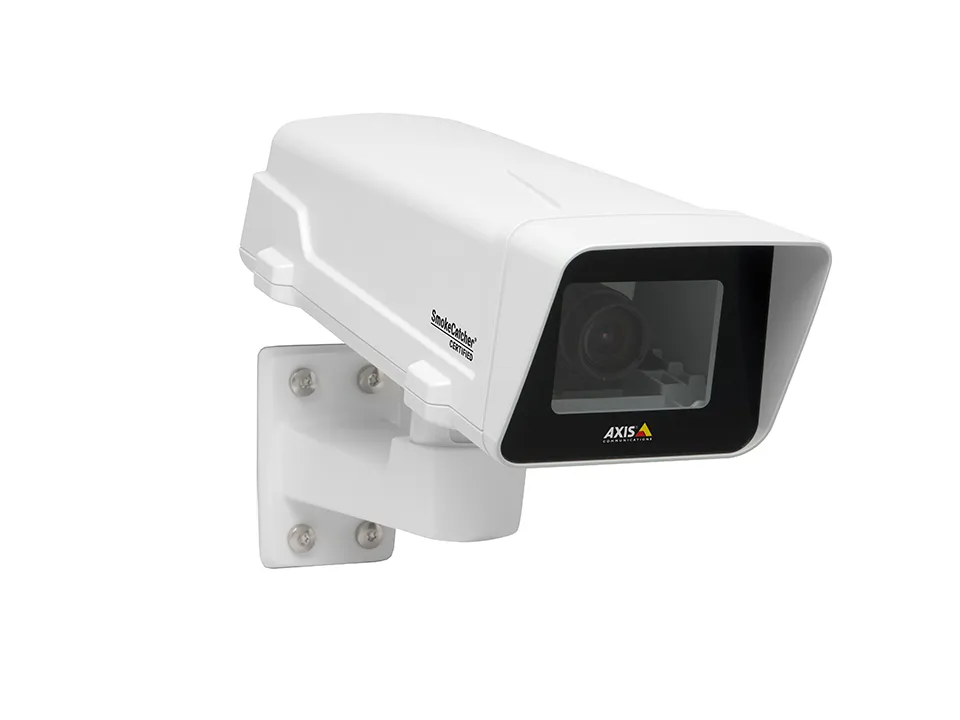
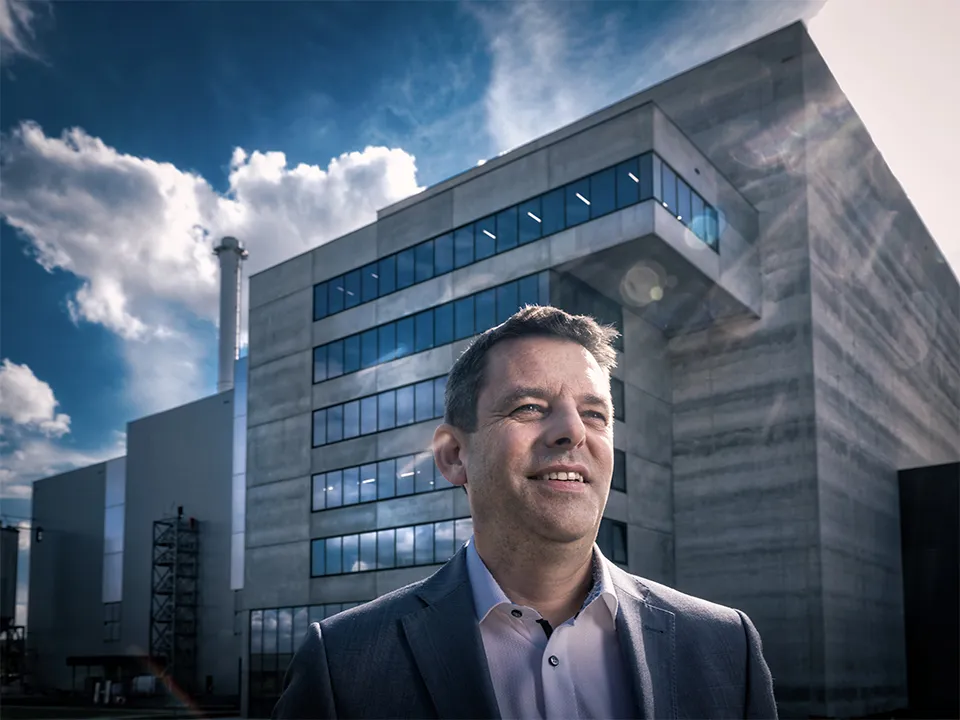
To do this safely, the plant relies, among other things, on Araani smoke detection cameras, seamlessly integrated into Siemens’ fire detection system. “This ensures our employees receive the right information at the right time. The minutes saved can be extremely valuable in the event of a fire,” explains Philip Peeters, managing director of Biostoom Beringen.
Since September last year, Biostoom’s waste incineration plant has been processing residual household waste collected in Limburg. The old plant in Houthalen has been replaced by state-of-the-art technology in Beringen, designed to achieve the highest possible energy recovery. “First and foremost, this means heat applications, which explains why we came here. We can supply heat to our neighbour, Borealis Polymers, via a high-pressure steam pipeline. We also want to explore similar synergies with future companies on this site.” In total, 200,000 tonnes of residual waste will be processed into green energy each year. Fire protection also received considerable attention as part of the investment. “On the one hand, our sector’s activities carry an inherent fire risk. On the other, temperatures in our plant can reach 1,000 °C and more. You want to be sure that fires cannot spread.”
An integrated concept built to stand the test of time
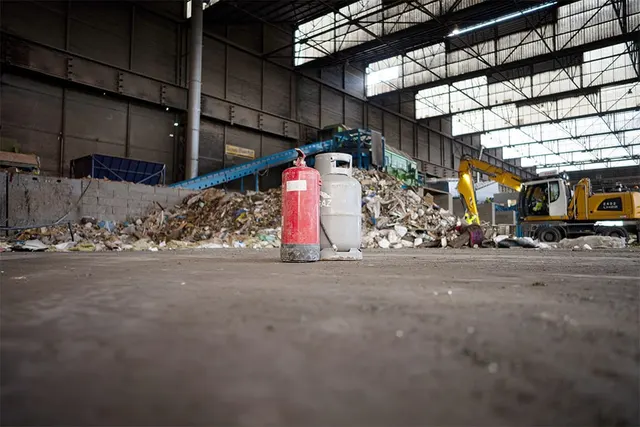
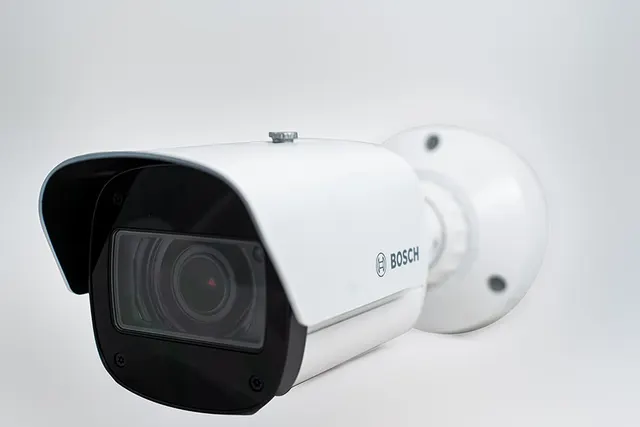
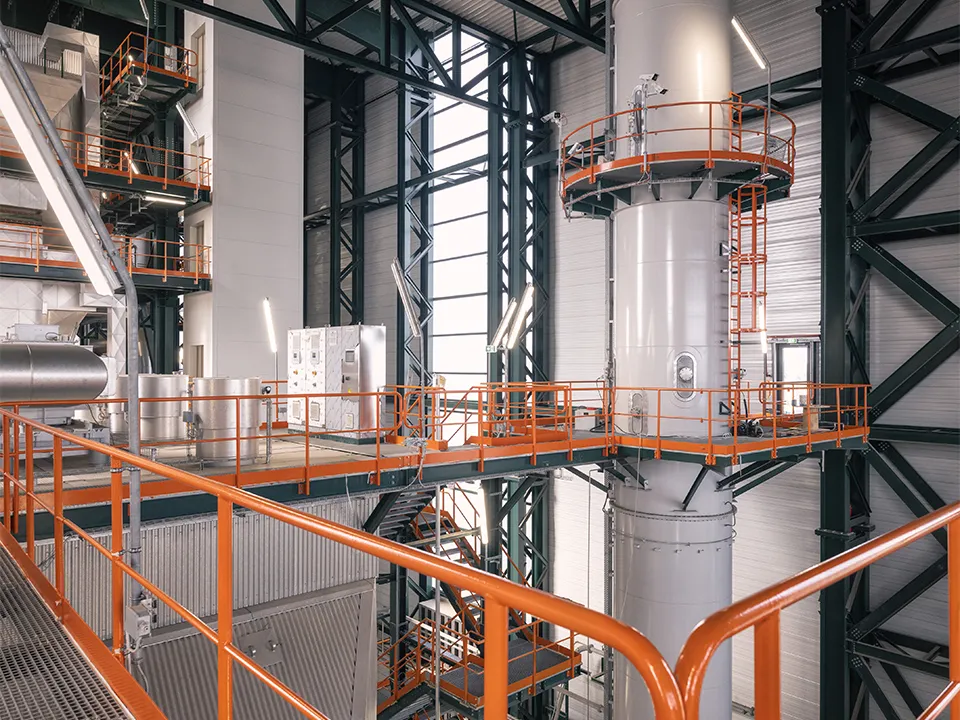
Drawing on its experience with the previous waste incinerator, Biostoom Beringen drew up comprehensive fire protection specifications for the plant, covering three areas: prevention, detection and suppression. “Working with the suppliers, we then expanded that foundation with other connections that could add value. It was important to us to develop an integrated concept that would stand the test of time. We didn’t want to find ourselves five years from now discovering that our solution was no longer adequate or supported. Those were two clear points in Siemens’ favour,” says Peeters. The team then worked step by step to ensure that every area was adequately protected against fire. “In consultation, we selected the best technology to suit the conditions in each area and the risks involved. Alongside the necessary focus on the storage bunker, where the fire load is greatest, the production hall presented an interesting challenge. Given the size of the space, conventional solutions would have required a large number of detection points. Araani’s smoke detection cameras, by contrast, gave us a good overview of the space with a minimum number of detection points, guaranteed rapid detection and were self-learning, helping to minimise unnecessary alarms.”
A virtual assistant
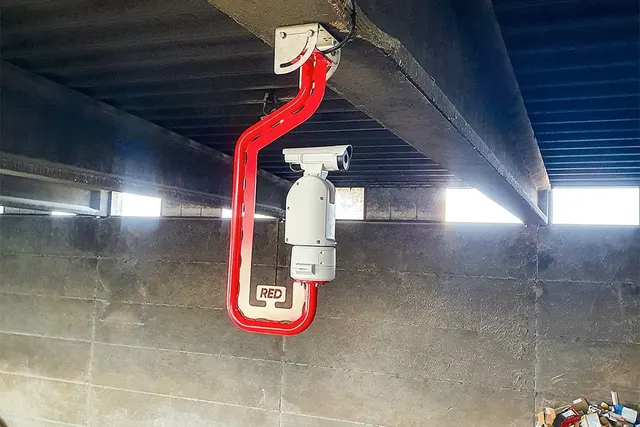
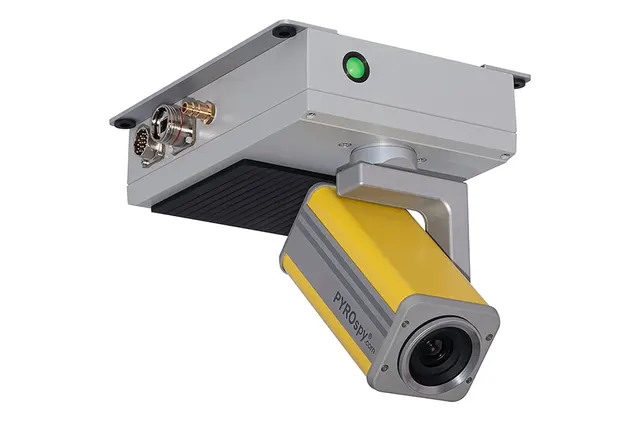
For Peeters, this is a particularly important part of the story. “Fire detection systems must be able to operate without faults or alarms 90 to 95% of the time. Otherwise, your employees’ alertness suffers.” Alongside Araani’s smoke detection cameras, the plant also opted for flame detection (in dusty environments), thermal cameras (in the storage bunker) and Siemens aspirating technology (which detects unusual situations in electrical cabinets and installations very quickly). All signals come together at Siemens’ Sinteso fire detection control panel, which is in turn seamlessly integrated into Desigo CC, the German specialist’s building management system. Peeters: “In effect, this gives us an additional member of staff, a virtual assistant that provides the right information at the right time, without us having to search for it. When an Araani camera detects smoke, for example, the control room immediately receives the corresponding image, so staff can see what is happening. They know straight away what action is needed. This allows us to minimise the time between detection and response. That applies to fire detection, but equally to access control, security footage …”
System has already proved itself in practice
The technology chosen by Biostoom Beringen was well established, and cooperation with Araani and Siemens also went smoothly. The biggest challenge was waiting for all the components to arrive so they could be brought together into one integrated system. “Fire protection is crucial, so you want it operational straight away. But because we had opted for an integrated approach, not everything was 100% functional from the outset. Sometimes we had to wait for components that could only be installed at a later stage. Even so, the fire protection system has already proved itself. During start-up, a number of teething problems led to heat developing. The system detected it immediately, however, allowing the operators to intervene before it became a problem. I am convinced that other detection systems would have missed it or only picked it up much later,” Peeters concludes.
Question about this story? Ask your question
Keep following this
Get an email when a new story is published. No account needed.
- ThemeSafe and clean processing
- SubjectDetection equipment