Conveyor belts: the key to efficiency and reliability in recycling
Text Kris VandekerckhoveImage REMA TIP TOP TSN
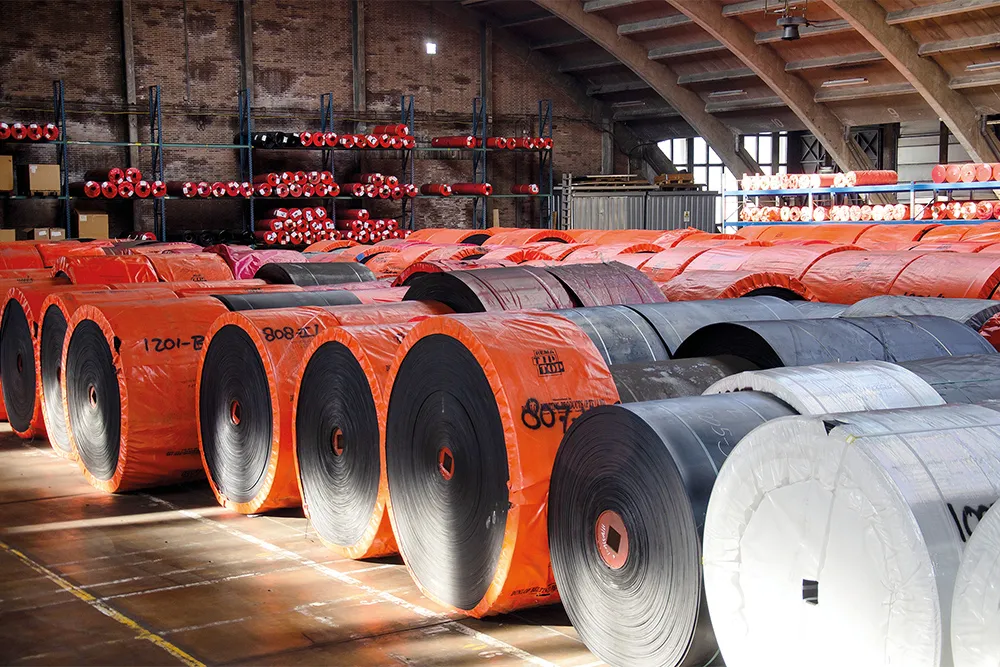
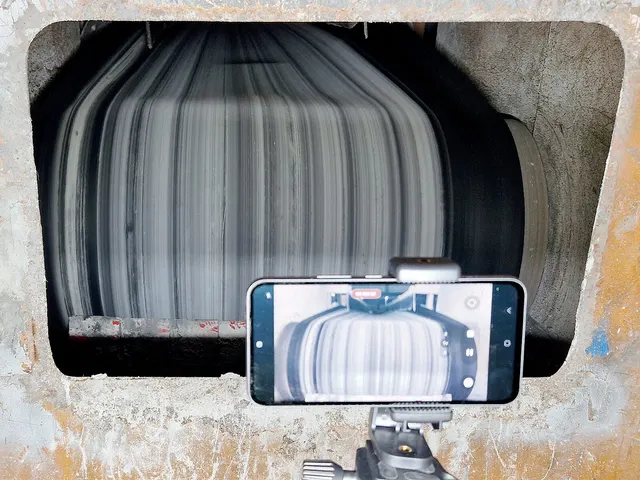
Conveyor belts play a crucial role in the recycling sector, where they are used to process a range of materials efficiently and sustainably. In this sector, conveyor belts are exposed to harsh conditions and heavy loads, placing specific demands on their design and functionality.
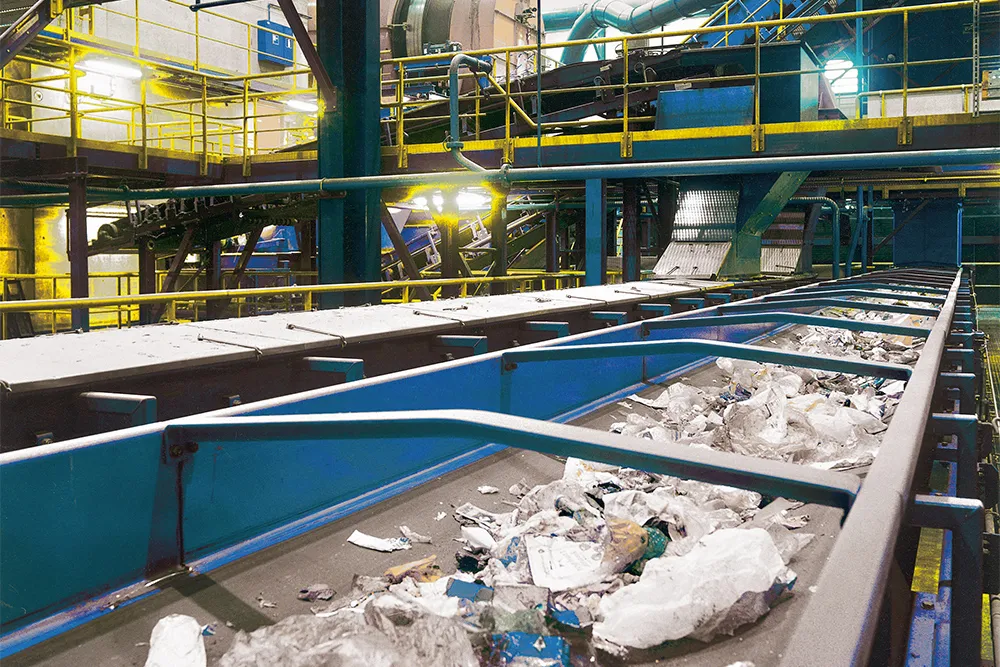
One important feature of conveyor belts in the recycling sector is their adaptability. They must be suitable for a range of recycling processes and different materials. This requires flexibility in terms of width, length, incline and speed. It is also essential that these belts work with advanced separation technologies, such as magnets for separating metals, optical sensors for identifying plastics, or airflows for removing lightweight materials.
Impact- and wear-resistant
The importance of robust conveyor belts that can withstand the extreme conditions found in the recycling industry cannot be overstated. Plastic and rubber conveyor belts with tear-resistant fabrics and suitable tensile strengths are available for different types of recycling processes. Belts designed to meet requirements for chemical resistance, flame retardancy, oil resistance, and cut and wear resistance are also essential. These belts are used at various stages of recycling processes, such as transporting household waste, sorting, waste separation and moving bulk materials.
Solutions for challenging conveying applications
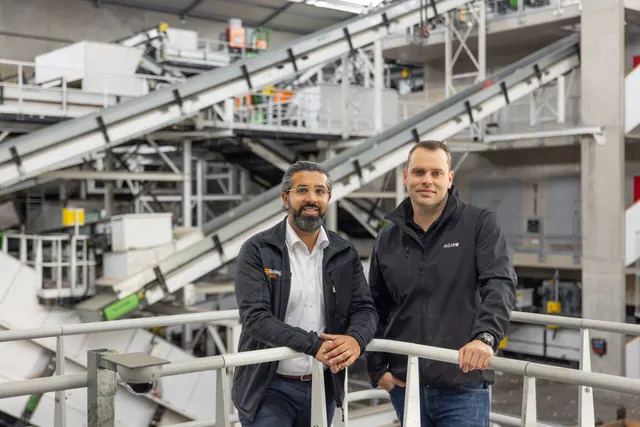
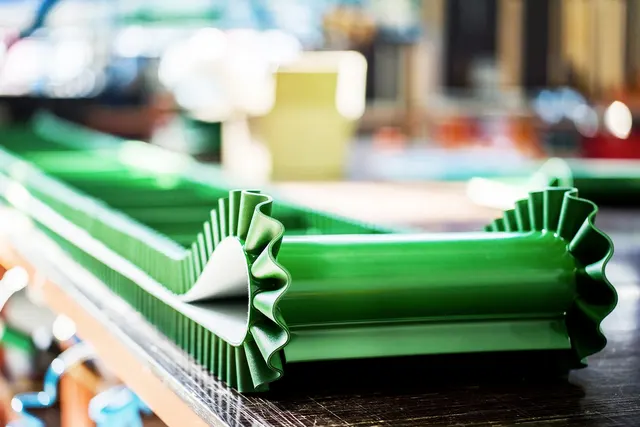
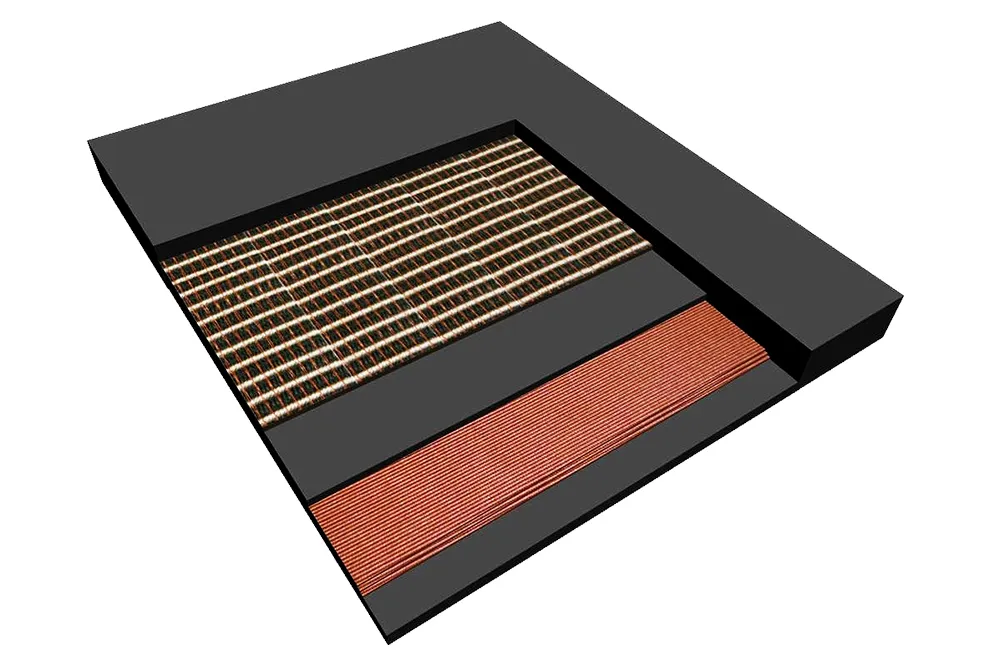
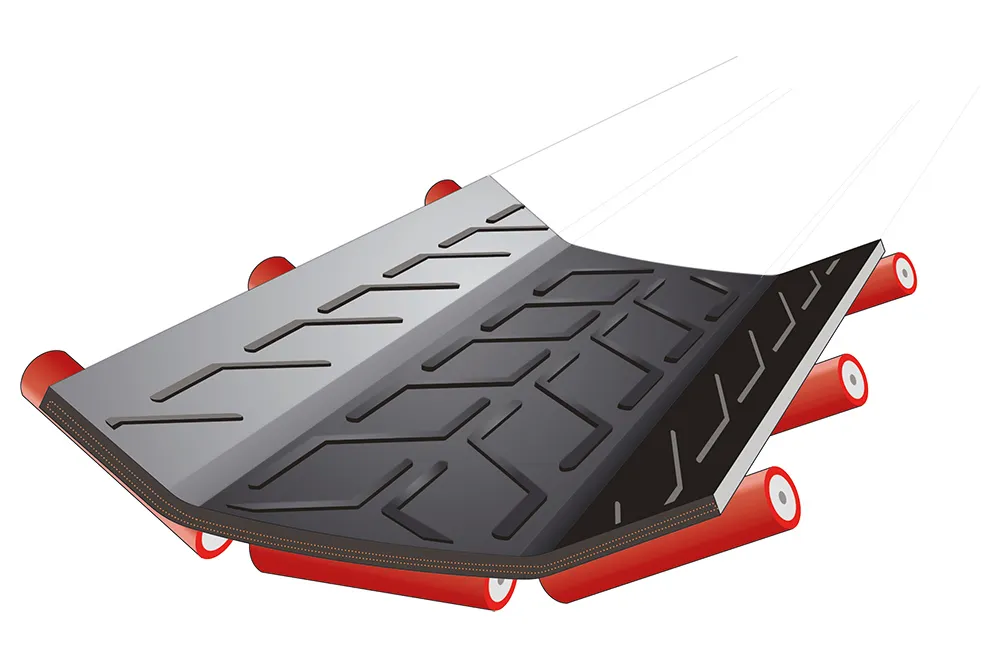
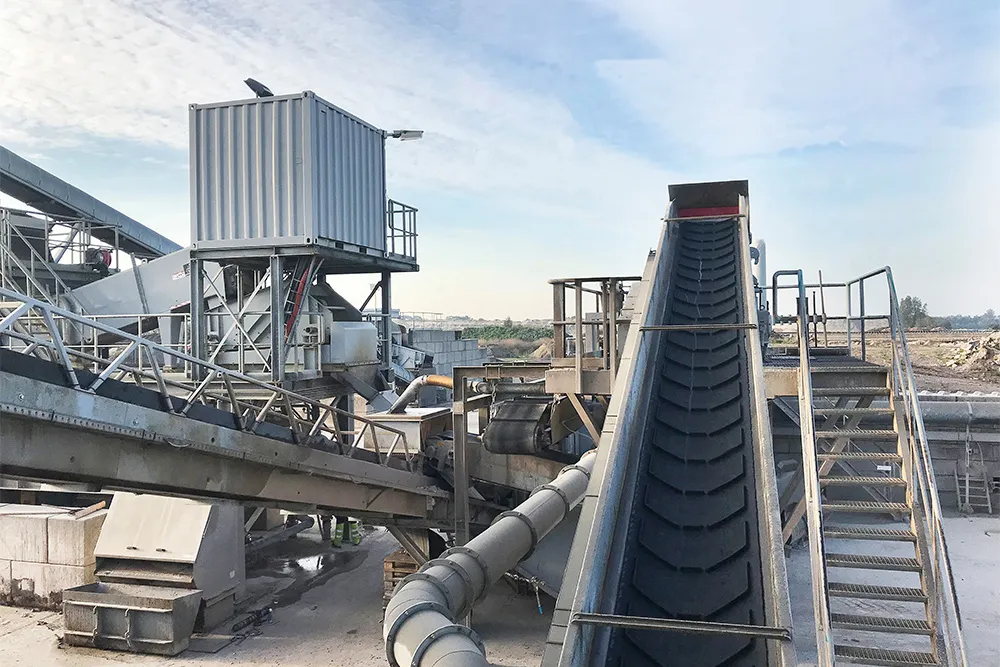
Ralf van Wieringen, Area Manager North at REMA TIP TOP TSN: “A very important, specialised belt for the recycling sector is the ripstop belt. It has steel cords running across the full width of the belt. These are designed to prevent longitudinal tears. The belts can also withstand considerable impact and are designed specifically for bunkers, where material is tipped in. We also offer a ‘solid woven’ belt for this application. These consist of one or more layers of densely woven fabric, made from polyester, nylon or cotton, reinforced with rubber or plastic.” Another type is the rubber chevron conveyor belt. These belts have a distinctive zigzag profile and offer several advantages, including increased grip, reduced spillage and durability. They are particularly useful for moving materials over uneven terrain or conveying loads uphill. “We offer an absolute top brand for this application,” van Wieringen continues. “With REMA TIP TOP DBP ChevronTECH, various chevron patterns are vulcanised onto the top cover to enable conveying at angles of 16° to 35°.”
Five decades of conveyor belt expertise and service
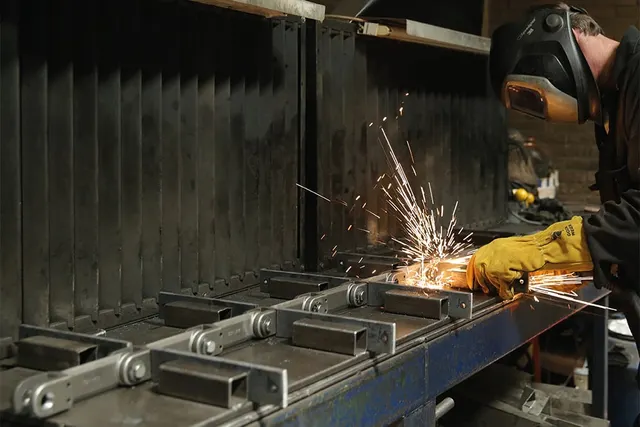
“We supply virtually everything related to conveyor belts, apart from the complete structure,” van Wieringen stresses. “We leave that to our customers, the machine builders themselves. We focus heavily on supplying and installing conveyor belt components, as well as providing service, of course. We have no fewer than 60 people working around the clock, 24/7. We also operate from five locations. Our storage facility is a 22,000 m² warehouse, holding an impressive 600,000 m of conveyor belt. That means excellent availability, with products ready for delivery throughout the Netherlands. TSN (Transportbanden Service Nederland) is also celebrating its 50th anniversary. Combine that with a global heavyweight like REMA TIP TOP, and you know we have a wealth of expertise in-house.”
Maximising operational reliability
Operational reliability is paramount in the recycling sector. One way to achieve it is to prevent conveyor belt wear, thereby extending and optimising the service life of an installation. This can be done by:
- regularly cleaning all moving and rotating parts;
- carrying out preventive maintenance to prevent extensive wear;
- inspecting the conveyor belt daily;
- using belt scrapers to prevent dirt and material from building up;
ensuring that the conveyor belt is in good technical condition, including correct belt tension and alignment, smooth-running rollers and pulleys, and using the right type of conveyor belt for the specific application.
Een zakelijke vraag aan REMA TIP TOP TSN? Get in touch
Companies in this story

Keep following this
Get an email when a new story is published. No account needed.
- ThemeSmarter use of machinery and plant
- SubjectConveyor belts
- CompanyREMA TIP TOP TSN