Alternative forklift diesel produces up to 90% less CO2
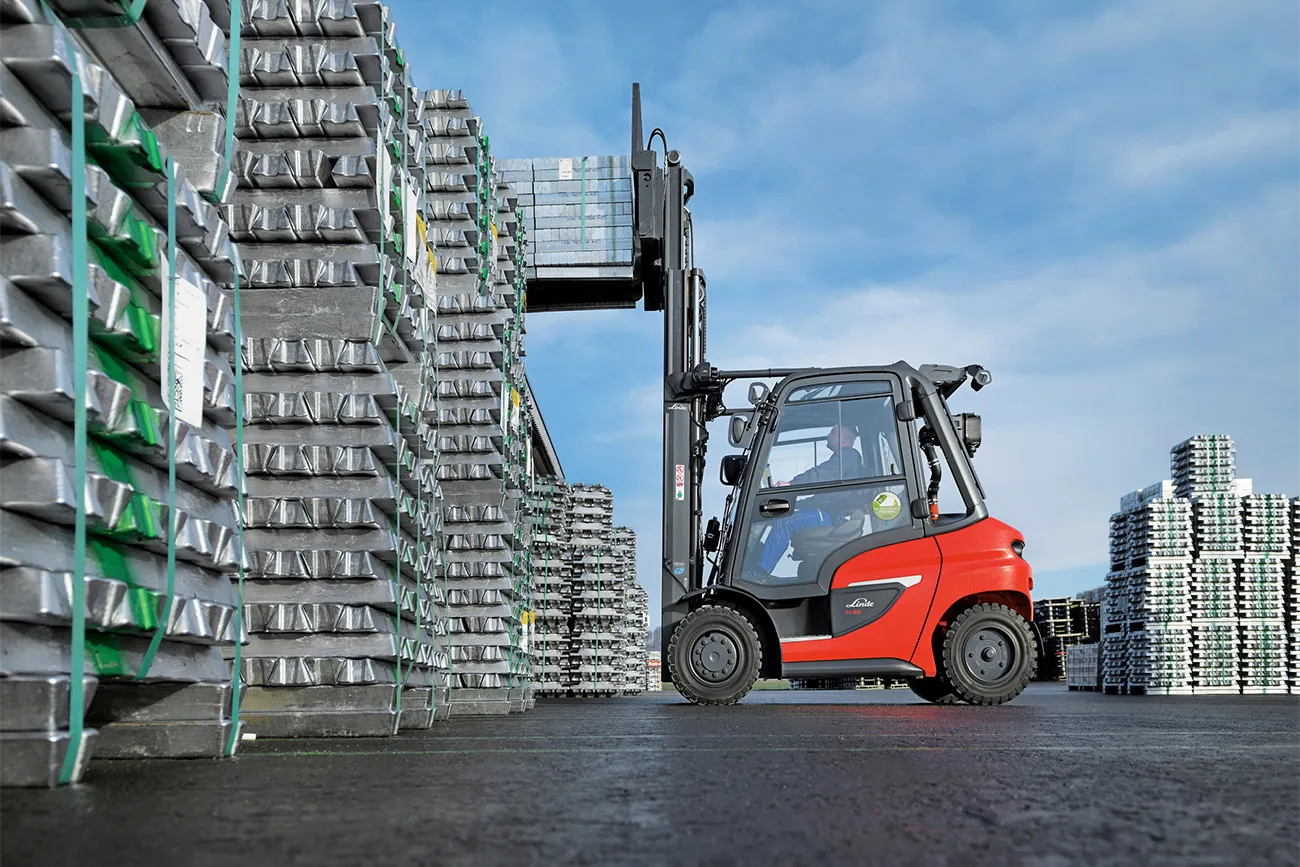
Linde Material Handling approves biofuel for internal combustion trucks
Users of Linde Material Handling diesel forklifts can now reduce their CO2 emissions by up to 90% by switching to hydrotreated vegetable oil, or HVO (hydrotreated vegetable oil). This fossil-free fuel not only burns more cleanly, it also delivers more power from the engine, with no modifications to the forklift required.
Made from 100% renewable feedstocks
HVO diesel can be used on its own or blended with conventional diesel, and is made exclusively from renewable feedstocks. It is produced by treating various vegetable oils, animal fats, waste and residues with hydrogen, including used cooking oil and fats. ‘By approving this fuel for our diesel forklift engines, we are giving our customers the opportunity to significantly reduce the environmental footprint of their diesel forklifts, without having to invest a single cent in additional infrastructure,’ says Frank Bergmann, senior product manager for forklifts at Linde Material Handling.
Better for the environment and the forklift engine
As well as reducing CO2 emissions by up to 90% compared with conventional diesel, this fuel also cuts emissions of particulate matter, nitrogen oxides, hydrocarbons and carbon monoxide, with a clear positive effect on the working environment for users and bystanders. HVO diesel also has a higher ignition quality (cetane number), resulting in efficient, clean combustion and less soot formation in engines and exhaust systems.
Question about this story? Ask your question
Keep following this
Get an email when a new story is published. No account needed.
- SubjectEquipment