












What barriers do consumers and producers face when choosing packaging made with (plastic) recyclate?
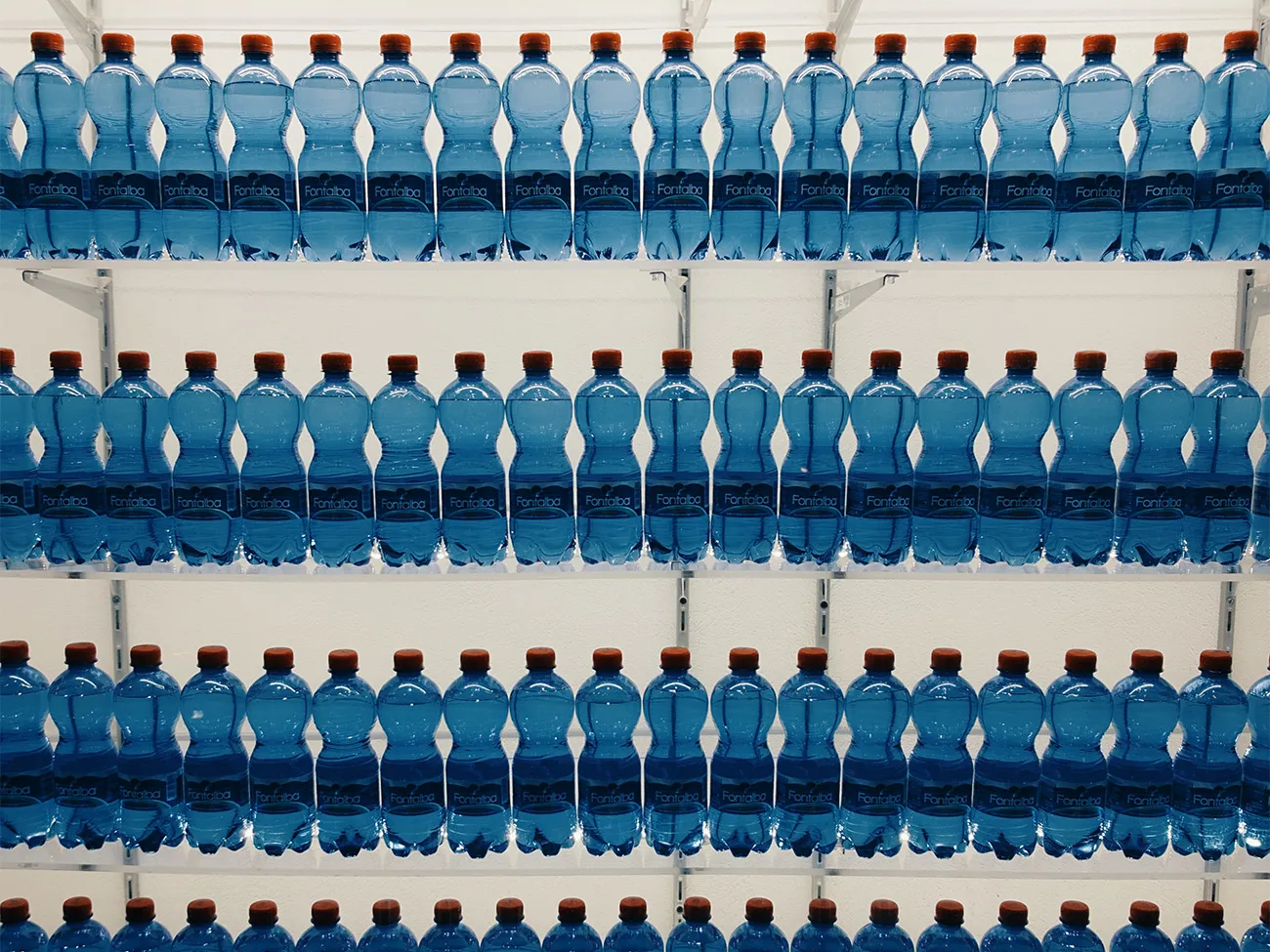
A market study by Denuo and Ghent University has found that consumers consider plastic the least environmentally friendly packaging material.
What is more, consumers appear to make little distinction between virgin and recycled plastics. Producers, however, cannot remove plastic from their product range, as its properties are difficult to replicate with other materials. They are not immediately convinced by recycled plastics either. What is behind this reluctance, and how can it be overcome?
Eight students of Multilingual Business Communication at Ghent University conducted market research for Denuo to identify the barriers facing businesses and consumers in their efforts to achieve a Circular Economy. The study focused on packaging materials.
The research examined what consumers and producers know about the use of recycled materials, where there is potential to use them and what barriers stand in the way of using recyclate.
The qualitative part of the research comprised interviews with consumer focus groups covering the 18 to 65 age range, as well as in-depth interviews with 16 producers. The quantitative part consisted of a survey of 885 Dutch-speaking and French-speaking consumers.
Producers hesitate to use recycled plastics
Although most producers of plastic packaging are aware of the role they can play in creating a more sustainable, circular economy, they are not switching entirely to other materials perceived as more sustainable, such as cardboard and glass. Producers cannot remove plastic from their product range. Plastic is very light, for example, yet highly durable, making it particularly suitable for transport. It can also extend a product’s shelf life, something cardboard and other materials cannot always do.
However, not all producers are already using recycled plastics. They often focus instead on other sustainability factors, such as energy and water consumption. Producers that do use recycled plastics often see them as just one part of a broader environmental plan.
Producers are nevertheless motivated to work with recyclates. Legislation is not the only driver: they also recognise that using recycled plastics improves their image and that their competitors are doing the same.
Despite this, producers also face barriers that prevent them from working with recycled plastic.
The main barrier is the cost of recycled plastic compared with virgin plastic. Producers also say that the supply of recyclate remains limited. If demand for recyclate rises in the coming years, will supply be sufficient? Producers also feel that there is still considerable uncertainty about the specific properties of recycled plastics. They have questions about food safety and shelf life. Finally, producers argue that investment in recycled plastics is not always a priority, as consumers are increasingly turning against plastics in general.
Consumers have an aversion to plastics
The research confirms that consumers rank plastic, including recycled plastic, among the least environmentally friendly materials. There is currently a trend of plastic bashing, with consumers trying to avoid plastic as much as possible.
For most consumers, sustainability primarily means reducing waste. When shopping, consumers are guided mainly by habit and price, and much less by the type of packaging. When buying dry and fresh food, packaging no longer plays a role at all: taste and quality take precedence for consumers.
Notably, students and young people are more aware than older people of the environmental benefits of recycled plastics. However, they say this has no impact on their purchasing behaviour. They are guided above all by the cheapest option.
The average consumer has little knowledge of recycling and recycling processes, and feels there is a lack of clear point-of-purchase information about a package’s recyclability and the use of recyclate. The proliferation of product labels also makes consumers distrustful.
The research also revealed some striking regional differences. People in Brussels appear to be the most conscious shoppers. They attach greater importance to the type and origin of packaging material than people in Flanders or Wallonia. People in Wallonia have the most negative perception of plastics, while those in Flanders mainly opt for the cheapest option.
How can barriers to using recycled plastics be reduced?
Based on these findings, the students who conducted the market research made a number of recommendations for removing barriers for both producers and consumers.
• Subsidies or financial support would help producers switch to using recyclate.
• Producers need clarity and certainty about the properties of recyclate. Recycling companies should do all they can to meet this need.
• Consumers know too little about plastic and its environmental impact to make informed purchasing decisions. Providing more information about the properties of plastic and introducing standardised product labels could help address this.
• A student discount on products with recycled packaging could effectively encourage young people on a limited budget to make more sustainable purchasing decisions.
Question about this story? Ask your question
Keep following this
Get an email when a new story is published. No account needed.
- ThemeMaking plastics and packaging circular
- SubjectDenuo







