












Select4Care project shows how hospitals can drastically reduce medical waste
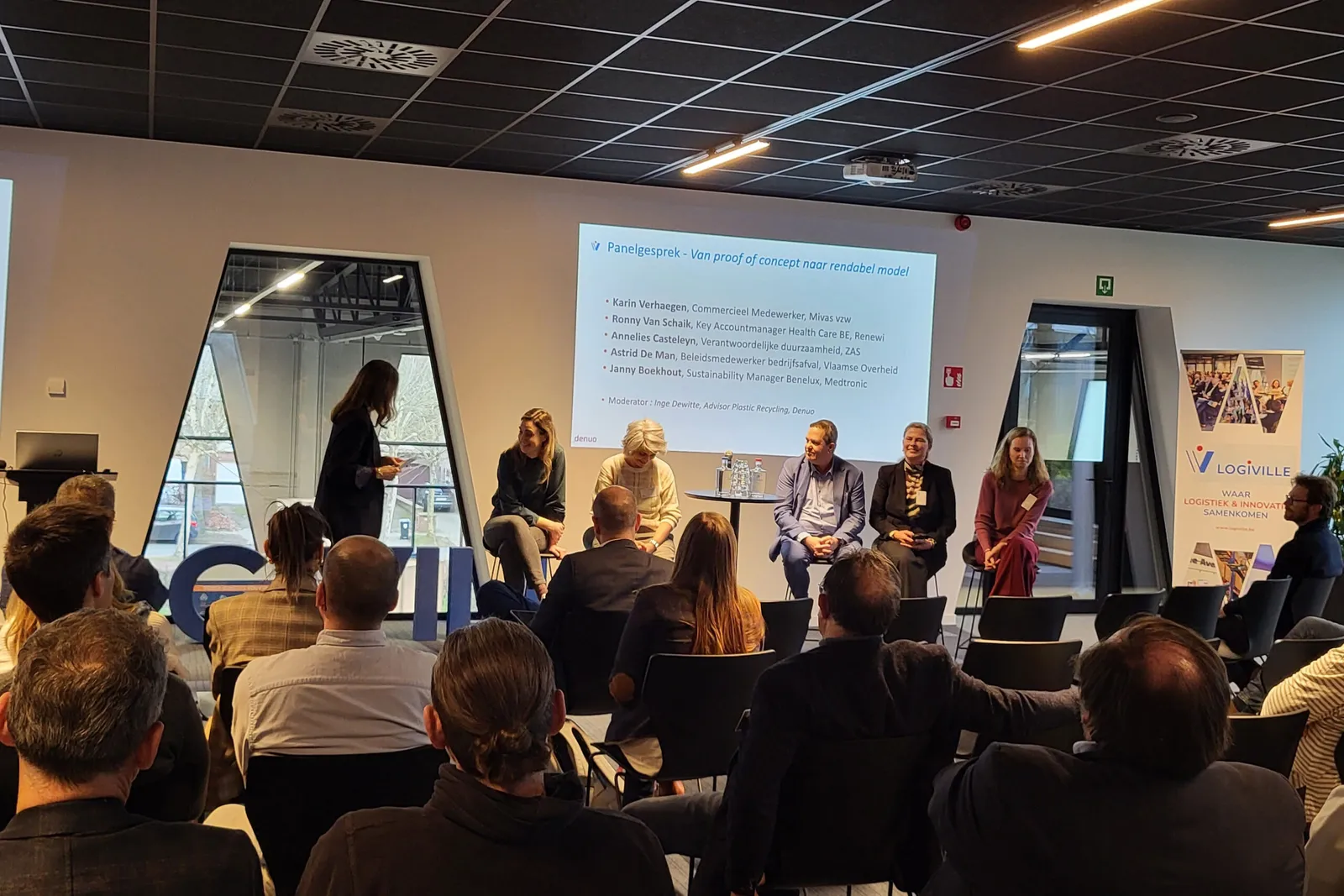
Hospitals produce thousands of tonnes of waste every year. Most of it is incinerated. The completed Select4Care project, led by VIL and Denuo, shows that things can be done differently. Pilot projects in operating theatres have demonstrated that separate collection of medical materials is practical and feasible for both the organisation and its staff. The project shows that a large proportion of medical waste from operating theatres can be recycled.
European healthcare is estimated to account for 5% of total greenhouse gas emissions. Belgian hospitals together produce around 40,000 tonnes of non-hazardous medical waste every year. Most of this waste is currently incinerated, even though some of it consists of recyclable plastics and materials. Operating theatres are among the largest waste producers in hospitals. They make extensive use of single-use medical products. This is precisely where opportunities lie to establish a circular model in healthcare. “Reusing medical materials is not currently straightforward. Establishing a circular model is therefore a challenge. The Select4Care project made it clear that all stakeholders are aligned,” says Steve Sel, Regional Manager at VIL. “Hospitals and healthcare staff want to reduce their environmental impact. This broad interest shows a willingness to change and the need for change.”
Pilot projects demonstrate practical breakthroughs
As part of Select4Care, pilot projects were carried out in the operating theatres of Ziekenhuis aan de Stroom in Antwerp and Maasstad Ziekenhuis in Rotterdam. Both hospitals tested how medical materials could be collected separately and processed. The materials were collected separately and decontaminated outside the hospital. They were then sorted and dismantled where necessary. The pilot projects delivered clear results:
- A large volume of recyclable plastics and metals was collected;
- After decontamination, the materials could be processed safely;
- Healthcare staff showed a high level of engagement with the new collection system;
- There are clear opportunities for high-quality recycling of medical devices.
According to Inge Dewitte, Senior Advisor Plastic Recycling at Denuo, the results demonstrate the potential of this approach: “Every tonne of medical plastic we incinerate today is another tonne of plastic we will have to produce from fossil fuels tomorrow. This project shows that medical materials do not necessarily have to become waste.”
Call for system change
Select4Care proves that circular solutions are technically and organisationally feasible. At the same time, the project shows that structural changes are needed to ensure this approach is widely adopted across the healthcare sector. The final report therefore puts forward five policy recommendations:
- Clarify the rules on medical waste. Make clear which waste is genuinely hazardous and which is not. This improves safety and enables better sorting and recycling;
- Define when medical waste can be safely reused. Develop clear standards for cleaning and disinfecting medical materials;
- Encourage circular design of medical products. Urge manufacturers to make materials easier to reuse and recycle, and require clear information about their composition;
- Give the social economy a greater role. Make permits more flexible so that social enterprises can take responsibility for sorting and dismantling medical materials;
- Build a clearer picture of material flows. Collect accurate data on the materials hospitals purchase and discard. This is needed to organise recycling on a structural basis.
Ambition to launch follow-up programme in 2026
VIL and Denuo aim to launch a follow-up programme in 2026, with a focus on economic aspects. They want to develop a scalable model based on hubs for decontamination, sorting and dismantling that can be widely used by hospitals and partners in the programme. “The pilot projects at both hospitals and the enthusiasm at the closing event show that the sector is ready for the next step,” concludes Steve Sel. “Select4Care lays the foundations for a structural shift towards a circular healthcare sector.”
Question about this story? Ask your question
Keep following this
Get an email when a new story is published. No account needed.
- SubjectDenuo







