












Reusing clothing has 70 times less environmental impact, new study finds
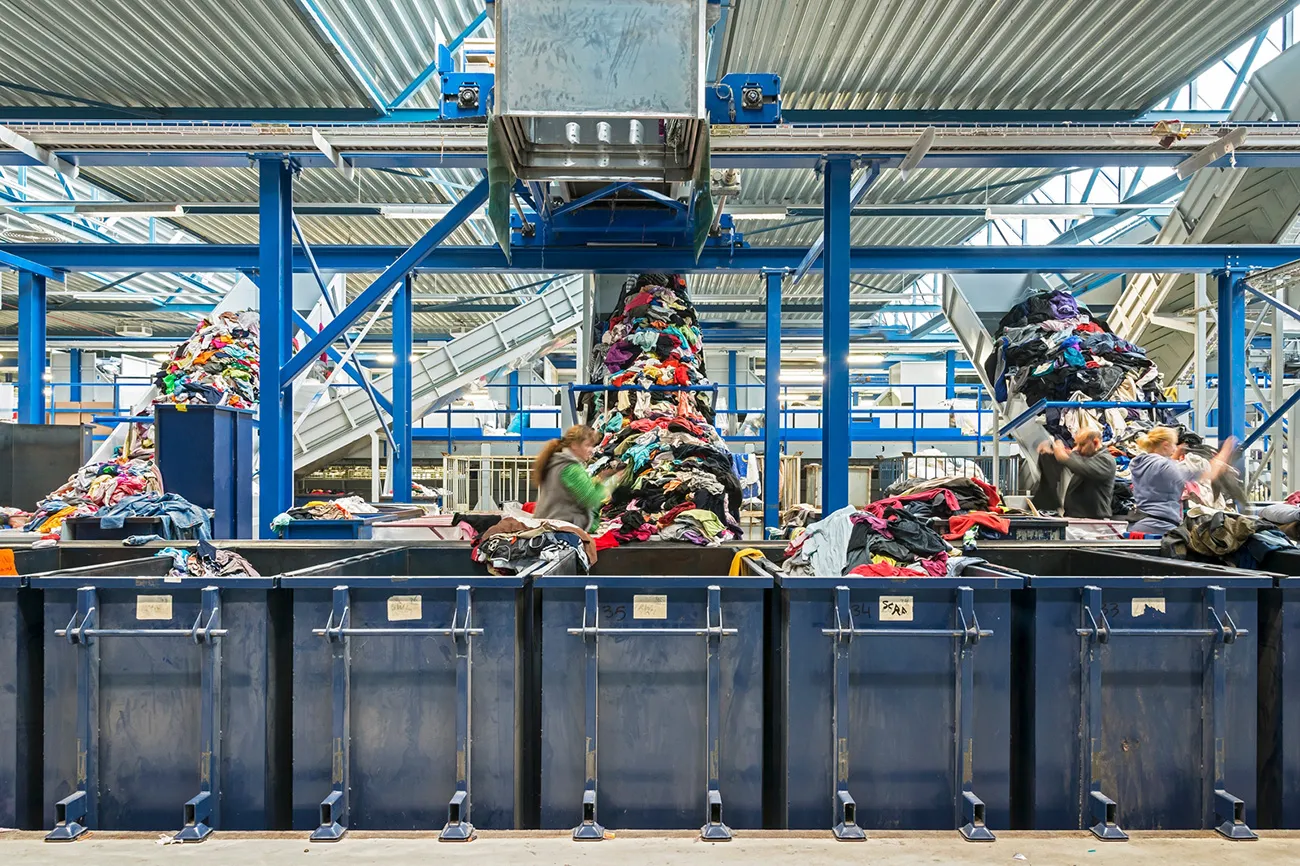
EuRIC, the European federation of companies active in textile reuse and recycling, recently published the results of a life cycle assessment (LCA) of textiles. The findings show that textile reuse delivers significant CO2 and water savings compared with the production of new clothing. The environmental impact of textile reuse is as much as 70 times lower, even when global exports for reuse, including transport emissions, are taken into account.
The study calculated that each reused high- or medium-quality garment saves as much as 3 kg of CO2. Reuse also requires just 0.01% of the water used to produce new clothing. These findings confirm reuse’s top position in the waste hierarchy. Recycling also has its benefits, particularly for low-quality clothing, which is usually made entirely of polyester. “This study highlights the environmental benefits of a global market for textile reuse and recycling in tackling the growing volumes of poor-quality and non-reusable clothing,” says Stany Vaes, managing director of Denuo, the Belgian member of EuRIC.
Sort, sort, sort
Unfortunately, around 62% of used clothing and textiles end up in household waste, meaning valuable textiles are likely to be incinerated or sent to landfill. To prevent this, the EU launched its strategy for sustainable textiles a few months ago and required Member States to begin separate textile collection by 2025.
Need for innovation and investment
The study also includes recommendations for policymakers and calls for initiatives to accelerate investment in modern textile recycling facilities worldwide. Innovation in fibre-to-fibre recycling will be particularly important to keep textile fibres in circulation, as the volume of non-reusable clothing continues to rise sharply. The study also highlights the importance of ecodesign in extending the lifespan of garments before they need to be recycled, and of rules requiring the detailed sorting of high- and medium-quality textiles separately from low-quality textiles.
Question about this story? Ask your question
Keep following this
Get an email when a new story is published. No account needed.
- ThemeMaking use of textiles and other waste streams
- SubjectDenuo







