












Retexbel ready to tackle textile waste management in Belgium
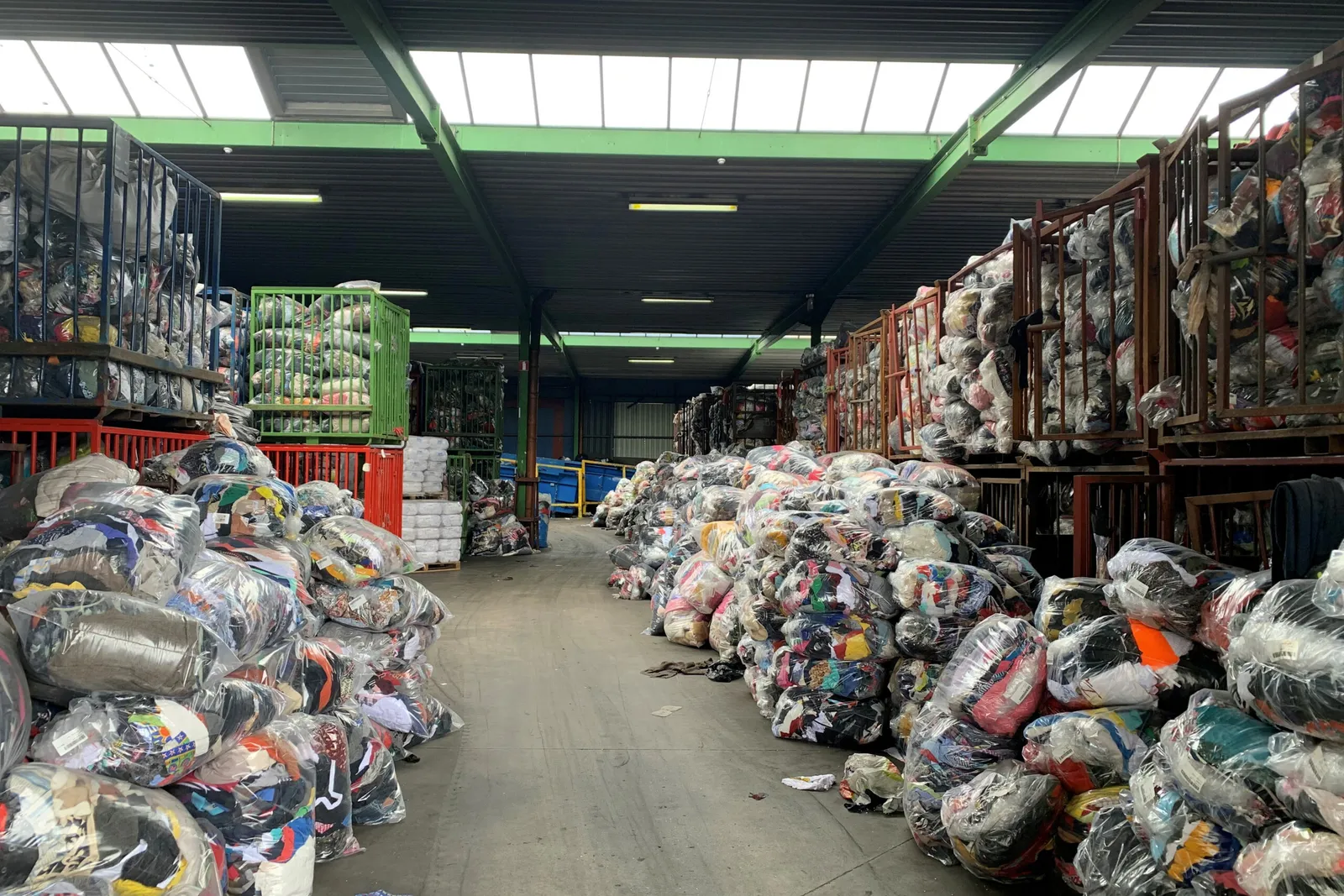
The amount of textile waste in Europe has risen significantly in recent years, partly as a result of the retail sector’s digitalisation. Buying textiles has never been easier than it is today, even when parcels have to come from Asia. In 2022, the total amount of textile waste in the EU27 reached no less than 6.94 million tonnes, equivalent to 16 kg per person. Consumer (household) textile waste is the main source of textile waste.
The Belgian textile sector also recognises the major environmental challenge posed by textile waste, and began actively preparing for a circular future two years ago. This has now led to an important step for Belgium’s clothing and textile sector: the establishment of Retexbel, a new compliance scheme for extended producer responsibility covering clothing, household linen and footwear. Retexbel is a joint initiative by Comeos, Creamoda and Fedustria, and will be managed by Recydata. Private and social-economy operational stakeholders, Denuo, Ressources, Herwin and Groep Maatwerk, have been involved in its governance from the outset. This reflects Retexbel’s recognition of the importance of these stakeholders from the very beginning. By launching this joint project, all stakeholders in the Belgian textile sector, in close consultation with the three Regions, are taking an important step towards greater sustainability.
Anticipating European requirements
With Retexbel, the Belgian sector is anticipating the revision of the European Waste Framework Directive, which has recently entered into force. The directive requires Member States to establish an extended producer responsibility scheme by April 2028 at the latest. In practice, the new requirements mean that from 2028, companies placing clothing, household linen or footwear on the Belgian market will be responsible for covering the costs of collecting and processing those products once they become waste. Retexbel provides a collective solution and is paving the way for a circular economy.
A sector in full motion
Following its publication in the Official Journal of the EU on 26 September 2025, the revised Waste Framework Directive has now entered into force. To reduce Europe’s mountain of textile waste, the revision of the Waste Framework Directive introduces several measures:
- Mandatory extended producer responsibility schemes for textile, textile-related and footwear products;
- Full financial responsibility for producers, including e-commerce, for collection, sorting and recycling;
- A 30-month deadline for Member States to introduce EPR schemes;
- Eco-modulated fees: brands with more sustainable, recyclable designs pay less.
As a compliance scheme, Retexbel will ensure an effective and efficient response to this directive and the mandatory producer responsibility requirements for the Belgian market. With Retexbel, the sector aims not only to comply with the regulations, but also to contribute to a circular economy and a sustainable future for textiles in Belgium.
Question about this story? Ask your question
Keep following this
Get an email when a new story is published. No account needed.
- ThemeMaking use of textiles and other waste streams
- SubjectDenuo







