












No circular economy without safe final treatment: why ‘safe sinks’ remain crucial
Europe and Belgium are stepping up efforts to increase recycling and reuse. But what about materials that have no place in the loop? From PFAS to asbestos, some substances are ones we want to remove from our society. This exposes a fundamental tension. How can a circular economy work if not everything can be circular? The answer lies in a link in the chain that is often overlooked: safe endpoints, or ‘safe sinks’. But these are under pressure today. It is time to sharpen the debate.
Belgium and Europe have a clear ambition: to keep materials in circulation for as long as possible. At the same time, harmful substances must be taken out of circulation more quickly. This ambition is reinforced by targets for water quality, soil and health. In practice, these two ambitions collide. Waste streams also contain legacy substances that we no longer want to use today. Think of the huge asbestos legacy, as well as PFAS contamination. The waste and recycling sector acts as a filter: anything that can still be used goes back into the economy. The rest, known in the sector as residues, must be disposed of safely. And that is precisely where the problem lies.
The filter works, but needs an endpoint
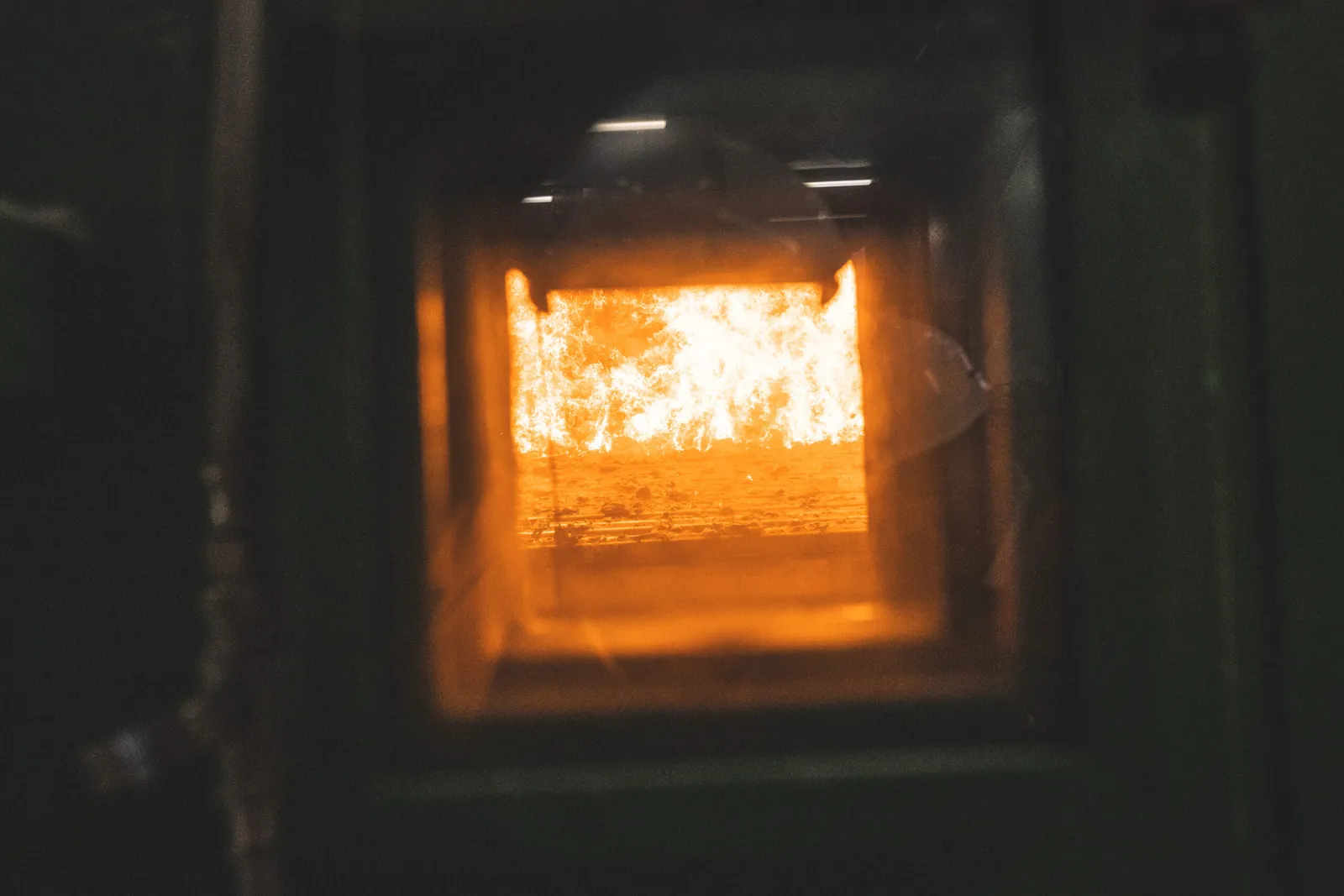
Even the most efficient recycling processes produce residues. These are substances that cannot be recycled further for technical and/or economic reasons, are too contaminated or pose a risk to people and the environment. Denuo therefore stresses that a robust circular economy cannot function without safe final treatment. Safe sinks, such as specialist incineration plants and landfills, are not an alternative to recycling, but a necessary complement. They ensure that non-reusable, non-recyclable and harmful substances are permanently removed from the loop, thereby supporting the quality of recycled materials. This reality calls for clear choices. If we want the circular economy to work in practice, we must also recognise that not everything belongs in the loop. The debate must therefore go beyond simply increasing recycling, and also address how we deal with what falls outside it. From this perspective, Denuo is putting forward a number of specific policy priorities to firmly establish safe final treatment as a structural part of the system.
1. Ensure sufficient safe sink capacity
The first priority is to ensure sufficient final treatment capacity. The assumption that less waste automatically means less need for final treatment is incorrect. More recycling also means more residues that can no longer be recycled. Denuo therefore calls for a realistic policy that recognises that a certain volume of thermal treatment and landfilling will remain necessary. Without this capacity, the problem simply shifts to other regions or creates a bottleneck in the chain.
2. Set requirements for final treatment
Safe sinks must meet the highest quality standards. These are specialist facilities that ensure harmful substances are effectively destroyed or isolated, without risk to people or the environment. Denuo is therefore calling for clear criteria to determine which waste streams qualify for final treatment. These should be based on three principles: non-recyclable, harmful and heavily contaminated.
3. Focus on performance rather than simply scaling back
Rather than a blanket reduction in final treatment capacity, Denuo is calling for a performance-based policy. Facilities that perform better in terms of climate impact, energy efficiency and material recovery should be incentivised. This would create a system that rewards innovation and drives continuous improvement in the sector. An undifferentiated focus on scaling back risks undermining investment and slowing progress towards circularity.
4. Include safe sinks in environmental legislation
Finally, Denuo is calling for safe sinks to be explicitly enshrined in environmental legislation. This does not mean abandoning the principles of the waste hierarchy, but recognising that safe endpoints are a structural part of the system. A clear legal basis creates certainty for investment and makes it possible to guarantee this capacity in the long term.
The final link is also crucial
The conclusion is clear: anyone aiming for maximum circularity must also invest in what falls outside it. Safe sinks are not a residual category, but an essential part of a well-functioning system. Without safe endpoints, there can be no confidence in recycling. And without confidence, there can be no circular economy that lasts.
Question about this story? Ask your question
Keep following this
Get an email when a new story is published. No account needed.
- ThemeSafe and clean processing
- SubjectDenuo







